Cancer of unknown primary is a type of cancer where malignant cells are found somewhere in the body, but doctors cannot identify where the cancer originally started. This condition accounts for roughly 2% to 4% of all cancer diagnoses. Understanding this diagnosis can feel overwhelming, but knowing what to expect — and what treatment options are available — can make a real difference. This article explains what cancer of unknown primary means, how doctors investigate it, and what treatments Canadian patients may receive.
What Is Cancer of Unknown Primary?
In most cancers, doctors can trace the disease back to a single organ or tissue where it began. However, in cancer of unknown primary, the starting point remains unidentified even after thorough testing. The cancer is typically discovered because it has already spread, or metastasized, to other parts of the body.
For example, a patient may be found to have cancer in their lymph nodes, but no tumour can be located in a nearby organ. This makes cancer of unknown primary a unique and complex group of diseases rather than a single condition.
Because each case is different, treatment approaches and outlooks — known as prognosis — vary widely from person to person. Your healthcare team will tailor a plan specifically to you.
How Is Cancer of Unknown Primary Diagnosed?
Diagnosing cancer of unknown primary involves a series of tests. Your doctor will first take a full medical history and perform a thorough physical examination. From there, a range of tests may follow.
Common Diagnostic Tests
Biopsy: A small sample of tumour tissue is removed and examined under a microscope. This is one of the most important tools for understanding the type of cancer cells involved.
Blood, urine, and stool tests: These can reveal chemical markers that point toward certain types of cancer.
Chest X-rays and imaging scans: CT scans, MRIs, and PET scans help doctors see where the cancer has spread.
Histology: Specialists study the appearance and structure of the cancer cells under a microscope. This can offer important clues about where the cancer may have originated.
Research shows that the most common original sites in cancer of unknown primary are the lungs and pancreas. Less commonly, the cancer may have started in the colon, rectum, breast, or prostate. However, in many cases, the original site is never found despite all testing.
According to Health Canada, early and accurate diagnosis plays a critical role in guiding effective cancer treatment plans.
Understanding How Cancer of Unknown Primary Spreads
The pattern of spread can give doctors valuable information. For instance, cancer that has spread to areas above the diaphragm — the thin muscle beneath your lungs that helps you breathe — often originates in the upper body. This kind of information helps narrow down where the cancer may have started.
Doctors use this knowledge alongside biopsy results and imaging to build the clearest picture possible. However, even with all available tools, the original site is not always found. In those cases, treatment still moves forward based on the type and location of the cancer cells discovered.
Staging and Types of Cancer of Unknown Primary
Once cancer of unknown primary is diagnosed, doctors work to understand how far it has spread. This process is called staging. Because there is no identified primary site, staging focuses on where the cancer currently exists in the body and what the cells look like under a microscope.
The number and type of tests performed vary from patient to patient. Treatment also differs depending on whether the cancer is newly diagnosed or has returned after previous treatment — this is called recurrent cancer.
Main Categories of Cancer of Unknown Primary
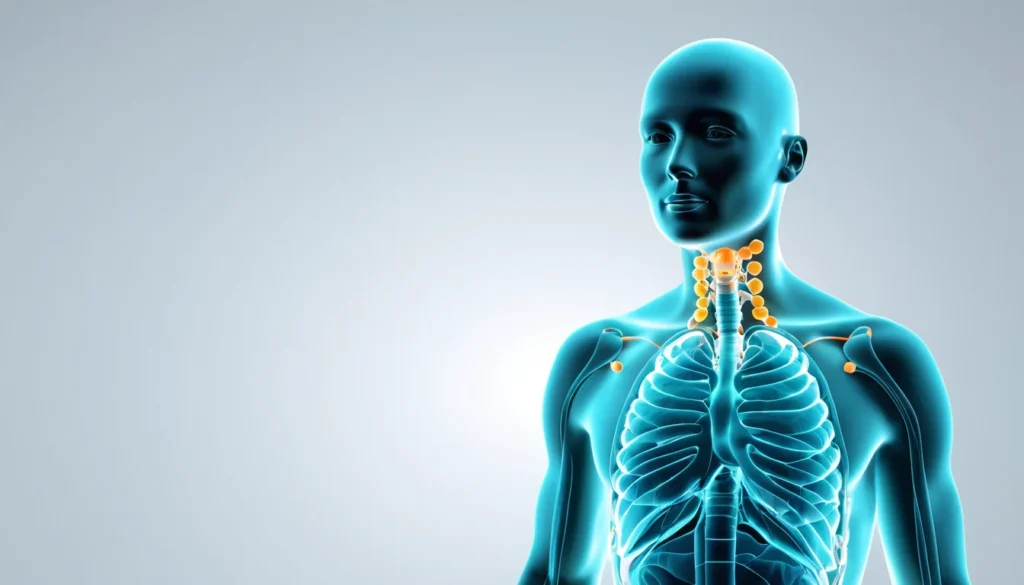
Cancer in the cervical lymph nodes: Cancer is found in the small, bean-shaped glands in the neck that help fight infection. These are called lymph nodes.
Poorly differentiated carcinomas: The cancer cells look very different from normal, healthy cells under a microscope.
Metastatic melanoma in a single lymph node: Cancer of the melanocytes — the cells that give your skin its colour — has spread to just one lymph node in one area of the body.
Isolated axillary metastasis: The cancer has spread only to the lymph nodes in the armpit area.
Inguinal lymph node metastasis: The cancer has spread to the lymph nodes in the groin area.
Multiple-site spread: The cancer has spread to several areas of the body at once.
Each of these categories carries different treatment implications. Your oncologist — a doctor who specialises in cancer — will explain which category applies to your situation and what that means for your care plan.
Treatment Options for Cancer of Unknown Primary
Several treatment approaches exist for cancer of unknown primary. Doctors may use one treatment on its own or combine several depending on the individual case. Treatment choices depend on where the cancer is found, what the cells look like, and the overall health of the patient.
Surgery
Surgery is often the first choice when possible. A surgeon removes the tumour along with a small margin of healthy tissue around it. The specific type of surgery depends on where the tumour is located.
If the cancer has reached the lymph nodes, those nodes are also removed in a procedure called lymph node resection. When lymph nodes in the groin are involved, this is called a superficial inguinal resection. In more complex cases where the tumour has grown into surrounding tissue, the surgeon removes the affected lymph nodes along with a larger portion of nearby tissue.
When muscles, nerves, or other tissues in the neck must be removed, the procedure is called a radical neck dissection. Your surgical team will explain exactly what is planned before any operation.
Radiation Therapy
Radiation therapy uses high-energy X-rays or other types of radiation to destroy cancer cells and shrink tumours. It can be used as a standalone treatment or alongside surgery. Radiation targets a specific area of the body and is carefully planned to minimise damage to healthy tissue nearby.
Chemotherapy
Chemotherapy uses powerful medications to kill cancer cells throughout the body. It can be given by mouth, through a vein (intravenously), or by injection into a muscle. Chemotherapy may be used on its own or after surgery to reduce the risk of cancer returning.
When radiation therapy or chemotherapy is given after surgery to destroy any remaining cancer cells, it is called adjuvant therapy. This approach lowers the chance that the cancer will come back.
Hormone Therapy
Hormone therapy works by blocking or interfering with the hormones that fuel certain cancer cells. This can slow or stop the growth of hormone-sensitive cancers. It may be delivered through medication or, in some cases, through surgery. Your care team will advise whether hormone therapy is appropriate for your specific type of cancer.
For a broader overview of cancer treatment approaches, the Mayo Clinic’s guide to cancer treatment offers helpful and reliable information.
Living With a Cancer of Unknown Primary Diagnosis
Receiving a cancer diagnosis — especially one where the original site is unknown — can be deeply stressful. It is completely normal to feel confused, anxious, or overwhelmed. Many Canadians find it helpful to ask their oncologist or family doctor to explain each step of the process in plain language.
Support services are available across Canada, including through provincial cancer agencies, community health centres, and non-profit organisations. Connecting with a social worker or counsellor through your cancer care team can also make a meaningful difference in your well-being.
Furthermore, keeping a list of questions before each appointment helps you make the most of your time with your healthcare team. Bringing a trusted family member or friend to appointments for support and to help remember important information is also a practical strategy.
The World Health Organization’s cancer fact sheet provides additional context on cancer as a global health issue and the importance of timely care.
When to See a Doctor
If you notice any unusual lumps, unexplained weight loss, persistent fatigue, or swollen lymph nodes, speak with your family doctor as soon as possible. These symptoms do not automatically mean cancer, but they do deserve prompt attention.
If you do not have a family doctor, a walk-in clinic is a good first step. Many provincial health plans across Canada cover initial assessments and referrals to specialists. Your doctor can order the appropriate tests and refer you to an oncologist if needed.
Do not wait and hope symptoms will go away on their own. Early assessment by a healthcare professional gives you the best chance of receiving timely and effective care. Always consult your doctor before drawing conclusions about any symptoms you are experiencing.
Frequently Asked Questions About Cancer of Unknown Primary
What does cancer of unknown primary mean?
Cancer of unknown primary means that doctors have found cancer cells in the body but cannot identify where the cancer originally started. The cancer is usually discovered after it has already spread to other areas. It represents roughly 2% to 4% of all cancer cases.
How serious is a cancer of unknown primary diagnosis?
The seriousness of a cancer of unknown primary diagnosis depends on the type of cancer cells found, where the cancer has spread, and the overall health of the patient. Outcomes vary widely from person to person. Your oncologist is the best person to discuss your individual prognosis and treatment options.
Can cancer of unknown primary be treated successfully?
Yes, treatment for cancer of unknown primary can be effective, and some patients respond very well. Options include surgery, radiation therapy, chemotherapy, and hormone therapy, often used in combination. The goal of treatment depends on the stage and type of cancer found.
What tests are done to find the primary site of cancer?
Doctors typically use a biopsy, blood and urine tests, imaging scans such as CT or PET scans, and microscopic analysis of cancer cells to search for the original site. In some cases of cancer of unknown primary, the starting point is never identified despite thorough investigation. Treatment can still proceed effectively based on the findings available.
Is cancer of unknown primary covered under Canadian provincial health plans?
Most diagnostic tests, specialist referrals, and cancer treatments for cancer of unknown primary are covered under provincial and territorial health plans in Canada. Coverage details vary by province, so it is worth confirming with your family doctor or cancer care team what is included under your plan. Walk-in clinics can also assist with initial referrals.
What is adjuvant therapy in cancer treatment?
Adjuvant therapy refers to radiation or chemotherapy given after surgery to destroy any cancer cells that may remain in the body. In cancer of unknown primary, adjuvant therapy helps reduce the risk of the cancer returning. Your oncologist will recommend whether adjuvant therapy is appropriate for your situation.
Key Takeaways
Cancer of unknown primary is diagnosed when cancer cells are found in the body but the original site cannot be identified.
It accounts for approximately 2% to 4% of all cancer diagnoses.
Common investigation tools include biopsy, blood tests, imaging scans, and microscopic cell analysis.
Treatment options include surgery, radiation therapy, chemotherapy, and hormone therapy — used alone or in combination.
Each patient’s treatment plan is individualised based on the type and location of cancer cells found.
Canadians can access diagnosis and treatment through their provincial health plan, family doctor, or a referral to a specialist.
Always speak with your family doctor or visit a walk-in clinic if you notice unusual or persistent symptoms.