Cancer metastasis is the process by which cancer cells break away from the original tumour and spread to other parts of the body. This is one of the most important concepts to understand if you or a loved one has received a cancer diagnosis. In this article, we explain how metastasis happens, which organs it most often affects, and what it means for treatment and outlook.
What Is Cancer Metastasis?
Cancer metastasis happens when cells from a primary cancer — the original tumour — travel through the body and start growing in a new location. The new tumour is called a secondary cancer or metastatic cancer. Even though it grows in a different organ, it is still made up of cells from the original cancer.
For example, if breast cancer spreads to the lungs, it is still called metastatic breast cancer — not lung cancer. This distinction matters because it affects how the cancer is treated. Understanding this difference helps patients and families ask the right questions when speaking with their healthcare team.
How Does Cancer Metastasis Happen?
Cancer spreads through a series of steps. Each step represents a deeper stage of the disease. Knowing these steps helps explain why early detection is so important.
Step 1: Local Spread
First, the cancer grows outward from its original site. It invades the tissue directly surrounding the primary tumour. This is called local invasion. At this stage, the cancer has not yet entered the bloodstream or lymphatic system.
Step 2: Spread Through the Lymphatic System
Next, cancer cells can enter the lymphatic system. This is a network of vessels and nodes that runs throughout the body. The cancer travels through lymphatic channels to nearby lymph nodes. Doctors often check lymph nodes during diagnosis to see if this has happened.
Step 3: Spread Through the Bloodstream
In the metastatic stage, cancer cells enter the bloodstream. From there, they can travel to organs far from the original tumour. This is how cancer metastasis reaches distant sites like the lungs, liver, bones, or brain. Once cancer spreads this way, it becomes much harder to treat.
For more detail on how cancer spreads in the body, visit the Mayo Clinic’s guide to cancer stages and spread.
Which Organs Does Cancer Metastasis Most Often Affect?
Cancer metastasis does not spread randomly. It tends to travel to specific organs, depending on the type of primary cancer. The most commonly affected organs are the lungs, liver, bones, and brain.
The Lungs
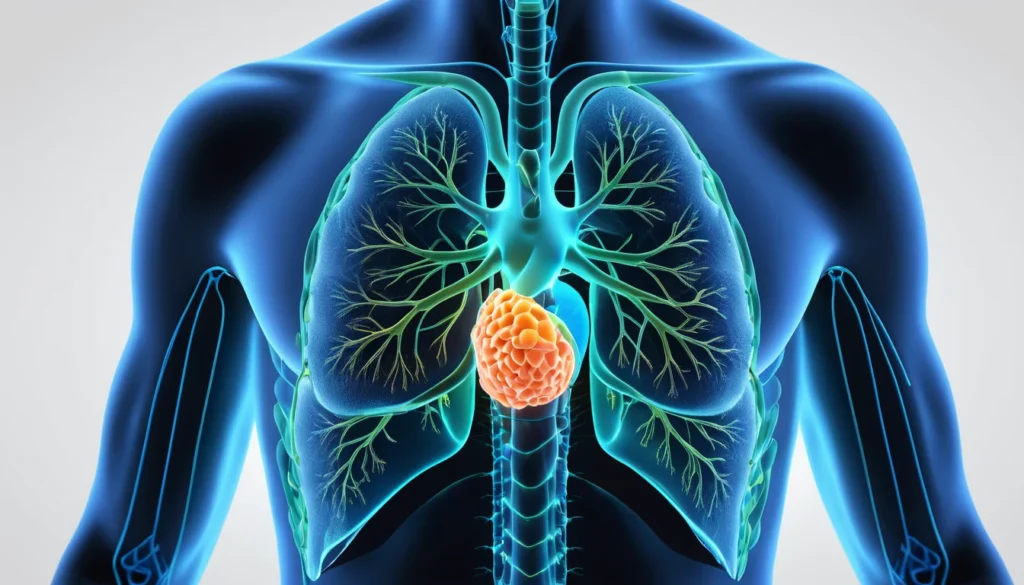
The lungs are one of the most frequent destinations for metastatic cancer. Many types of cancer — including breast, colon, and kidney cancer — can spread there. The lungs receive blood from the entire body, which makes them vulnerable to circulating cancer cells.
The Liver
The liver is especially prone to metastasis from bowel and colon cancers. This happens for an anatomical reason. Blood from the intestines flows directly into the portal vein, which leads to the liver. As a result, cancer cells from the bowel often arrive in the liver first.
The Bones
Bone metastasis is common in prostate, breast, and lung cancers. It can cause pain, weakness, and an increased risk of fractures. Bone metastases are diagnosed using imaging tests such as bone scans or MRI.
The Brain
Brain metastases are less common but serious. Lung cancer and melanoma are among the cancers most likely to spread to the brain. Symptoms may include headaches, confusion, or changes in vision or balance.
Why Do Some Cancers Spread More Than Others?
Not all cancers behave the same way when it comes to metastasis. Some types spread quickly and aggressively. Others spread slowly or rarely at all.
For instance, sarcomas — malignant tumours of connective tissue — tend to spread primarily to the lungs. The exact reasons for this are not yet fully understood. Furthermore, certain skin cancers, such as basal cell carcinoma, rarely metastasize at all. Ovarian cancer also tends to spread more locally than distantly.
On the other hand, when cancer does metastasize, the secondary tumours often grow faster than the original cancer. They also tend to be more resistant to treatments like chemotherapy and radiation. This is one reason why doctors treat high-risk cancers aggressively, even when no metastasis has been detected yet.
According to the World Health Organization’s cancer fact sheet, cancer is one of the leading causes of death worldwide, and metastatic disease is responsible for the majority of cancer-related deaths.
Cancer Metastasis and Diagnosis: What You Should Know
One of the most challenging aspects of cancer metastasis is that it can be present before anyone knows it. When a primary cancer is first diagnosed, it may have already been growing silently for several years. During that time, cancer cells may have already entered the bloodstream and settled in distant organs.
Some of these secondary tumours may be large enough to detect with scans and tests. Others are too small to see with current technology. These are sometimes called micrometastases. However, they can still grow and become a problem later.
How Doctors Detect Metastasis
Doctors use several tools to check for cancer metastasis. These include CT scans, PET scans, MRI, bone scans, and blood tests. The type of testing depends on the primary cancer and the patient’s symptoms. In some cases, a biopsy of a suspected metastatic site is needed to confirm the diagnosis.
In Canada, your provincial health plan typically covers these diagnostic tests when ordered by a physician. If you have concerns about a cancer diagnosis or possible spread, your family doctor is the best place to start. They can refer you to a specialist or cancer centre in your province.
Treatment of Metastatic Cancer
Treatment for cancer metastasis depends on several factors. These include the type of primary cancer, the location and number of metastases, the patient’s overall health, and how the cancer has responded to past treatment.
Common Treatment Options
Doctors may use chemotherapy, radiation therapy, immunotherapy, targeted therapy, or surgery — sometimes in combination. The goal of treatment may be to cure the cancer, slow its growth, or manage symptoms and improve quality of life.
Because metastatic cancer is often more resistant to treatment than the primary tumour, doctors tend to use more intensive approaches. For cancers known to spread frequently, treatment may begin aggressively even before metastasis is confirmed. This is called adjuvant therapy, and it aims to destroy any hidden cancer cells that may already be circulating in the body.
Palliative Care
In some cases, the goal shifts from curing the cancer to managing it as a long-term condition. Palliative care focuses on comfort, pain management, and quality of life. It is an important part of cancer care in Canada, and it is available through most regional cancer centres and home care programmes.
For a broader overview of treatment approaches, the Healthline guide to metastatic cancer offers a clear and thorough explanation.
When to See a Doctor
If you have already been diagnosed with cancer, talk to your oncologist or family doctor about your risk of metastasis. Ask what signs or symptoms to watch for, and how often you should be monitored.
If you have not been diagnosed but are experiencing unexplained symptoms — such as persistent bone pain, unexpected weight loss, a new lump, or prolonged fatigue — do not wait. Visit your family doctor or a walk-in clinic as soon as possible. Early detection gives you the best chance at effective treatment.
In Canada, you can also contact your provincial cancer agency for information and support resources. Many provinces offer nurse-led phone lines and community cancer care programmes that are covered under your provincial health plan.
Always consult a qualified healthcare provider before making any decisions about your health. The information in this article is for general educational purposes only and is not a substitute for professional medical advice.
Frequently Asked Questions About Cancer Metastasis
What does cancer metastasis mean?
Cancer metastasis means that cancer cells have spread from the original tumour to other parts of the body. These cells travel through the bloodstream or lymphatic system and form new tumours in distant organs. The new tumours are still considered part of the original cancer, even if they appear in a completely different organ.
Which cancers are most likely to metastasize?
Lung, breast, colon, prostate, and melanoma are among the cancers most likely to undergo cancer metastasis. Sarcomas frequently spread to the lungs, while bowel cancers often metastasize to the liver. Some cancers, like basal cell carcinoma of the skin, rarely spread beyond their original site.
Can metastatic cancer be cured?
In most cases, cancer metastasis is very difficult to cure, but it can often be treated and managed. Some patients with metastatic cancer live for many years with treatment. The outlook depends on the type of cancer, where it has spread, and how well it responds to therapy.
What are the symptoms of cancer metastasis?
Symptoms of cancer metastasis vary depending on which organ is affected. Bone metastases may cause pain or fractures, while brain metastases can cause headaches, confusion, or vision changes. Liver metastases may lead to yellowing of the skin, fatigue, or abdominal discomfort.
How is metastatic cancer diagnosed in Canada?
In Canada, cancer metastasis is diagnosed using imaging tests such as CT scans, PET scans, MRI, and bone scans, usually ordered by your family doctor or oncologist. These tests are typically covered under provincial health plans when medically necessary. A biopsy may also be performed to confirm whether a new tumour is metastatic.
What is the difference between primary cancer and metastatic cancer?
Primary cancer is the original tumour where the cancer first developed. Metastatic cancer refers to tumours that form when cancer metastasis carries cells from the primary site to a new organ. Even though the secondary tumour grows in a different location, it is treated based on the original cancer type, not the organ where it landed.
Key Takeaways
Cancer metastasis is the spread of cancer cells from the original tumour to other parts of the body.
Cancer spreads in three main stages: local invasion, spread through the lymphatic system, and spread through the bloodstream.
The most commonly affected organs are the lungs, liver, bones, and brain.
Some cancers metastasize rarely or not at all; others spread quickly and are harder to treat.
Secondary tumours often grow faster and are more resistant to treatment than the primary cancer.
Metastasis can be present even before a cancer is diagnosed, making early detection and regular monitoring very important.
Treatment options include chemotherapy, radiation, immunotherapy, targeted therapy, and palliative care.
In Canada, diagnostic tests and cancer care programmes are available through your provincial health plan — start with your family doctor or a walk-in clinic.
Always speak with a qualified healthcare provider about your personal health situation and treatment options.