A cancer diet is one of the most important — and often overlooked — parts of cancer care. What you eat during treatment can affect your energy, your weight, and how well your body responds to therapy. This guide explains what cancer does to your body’s nutrition needs, what foods help, and how to manage common eating challenges during treatment. As always, speak with your family doctor or oncology team before making major changes to your diet.
How Cancer Affects Your Nutritional Needs
Cancer changes the way your body processes food. Even when you eat normally, your body may not absorb or use nutrients the way it should. This is especially true for cancers affecting the digestive system, such as esophageal, stomach, or pancreatic cancer.
Your body’s metabolism — the process of turning food into energy — often speeds up with cancer. As a result, your body burns through calories and energy reserves faster than usual. If your diet doesn’t keep up, you can lose weight quickly and feel constantly fatigued.
This weight loss isn’t always caused by eating less. Cancer itself triggers changes in how your body uses protein, fat, and carbohydrates. Muscle mass breaks down. Energy stores shrink. Over time, this leads to weakness, fatigue, and a condition called cancer cachexia — a serious form of muscle and weight loss linked to the disease.
Why Nutritional Deficits Happen
Several factors affect how severe your nutritional challenges will be. These include:
The location of the cancer (digestive cancers cause faster, more severe deficits)
The stage of the disease at diagnosis
The type of treatment — surgery, chemotherapy, or radiation therapy
The intensity and frequency of treatment sessions
How the cancer interferes with eating, absorbing, and using nutrients
In addition, the emotional weight of a cancer diagnosis can reduce appetite on its own. Depression and anxiety are common after learning about a diagnosis, and both can make eating feel difficult or unimportant.
Cancer Diet Goals During Treatment
A proper cancer diet during treatment has clear goals. These goals help your body stay strong enough to handle therapy and recover between sessions.
The main goals of nutrition during cancer treatment include:
Maintaining a healthy weight and preventing significant weight loss
Preserving muscle mass and physical strength
Reducing the severity of treatment side effects
Supporting your immune system
Keeping your quality of life as high as possible
According to Health Canada, good nutrition is a key part of overall health and disease management. For cancer patients, this is especially true.
What to Eat: Key Nutrients for Cancer Patients
Most cancer patients need more calories and protein than healthy adults. This is because the body works harder during treatment and repairs more tissue. A higher-calorie, higher-protein diet is often recommended to prevent further weight loss.
Protein-Rich Foods
Protein helps maintain and rebuild muscle. Cancer patients often need more protein than usual. Good sources of protein include:
Chicken, turkey, and other lean meats
Fish and seafood
Eggs and dairy products like milk, yogurt, and cheese
Legumes such as lentils, chickpeas, and beans
Peanut butter and other nut butters
Tofu and other soy products
However, some patients on chemotherapy develop a sensitivity to fats. In those cases, low-fat dairy options — such as skim milk, low-fat yogurt, or low-fat cottage cheese — are easier to tolerate while still providing protein.
Calorie-Dense Foods
When appetite is poor, every bite counts. Focus on foods that deliver more calories in smaller amounts. For example, whole-fat dairy, nut butters, avocados, and dried fruits are calorie-dense and nutritious.
Fruit smoothies, vegetable purées, and milkshakes are also good options. They are easy to eat, gentle on the stomach, and can be enriched with protein powder or nut butter to increase their nutritional value.
Fruits and Vegetables
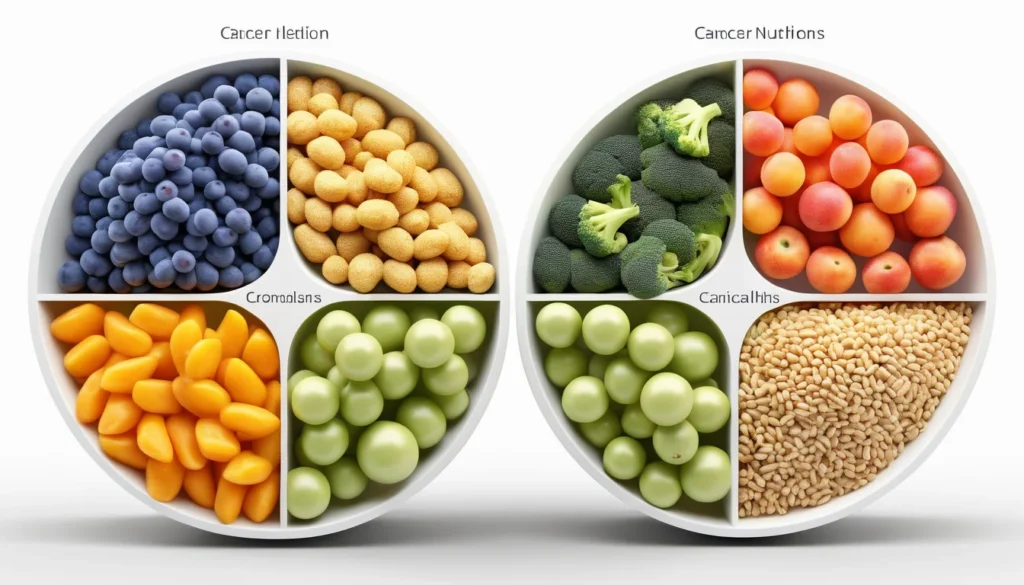
Fruits and vegetables provide essential vitamins, minerals, and fibre. They also contain antioxidants that support the immune system. Include a variety of colours in your diet to get a wide range of nutrients.
Higher-calorie vegetables like corn, peas, and sweet potatoes are especially useful when you need to boost your calorie intake. Fruit juices with pulp and dried fruits are also easy ways to add calories and nutrients.
For more detailed nutritional guidance, the Mayo Clinic’s cancer nutrition resource offers evidence-based recommendations for patients at every stage of treatment.
Managing Common Side Effects With Your Cancer Diet
Cancer treatments often cause side effects that make eating difficult. Understanding these side effects — and how to work around them — is a critical part of your cancer diet plan.
Difficulty Swallowing (Dysphagia)
Some patients find it hard to swallow during treatment. This can happen because of the cancer itself or as a side effect of radiation therapy to the head, neck, or chest. Swallowing may feel slow or uncomfortable, especially with solid foods.
If this sounds familiar, try switching to softer textures. Smoothies, puréed soups, yogurt, and mashed foods are easier to swallow. Thicker liquids like milkshakes are often safer than thin liquids, which can sometimes be accidentally inhaled. Always speak to your healthcare team if swallowing becomes painful or significantly worse — this is an important symptom to report at your next appointment or walk-in clinic visit.
Nausea, Vomiting, and Diarrhoea
Nausea and vomiting are among the most common side effects of both chemotherapy and radiation therapy. They can make eating feel impossible — but staying nourished remains essential.
Here are some practical tips to manage nausea:
Eat small meals and snacks every few hours instead of large meals
Avoid eating immediately before or right after a treatment session
Choose bland, easy-to-digest foods like crackers, toast, or rice
Avoid strong smells that may trigger nausea
Stay upright for at least an hour after eating to reduce reflux
Sip cold or room-temperature fluids throughout the day
Diarrhoea can lead to dehydration quickly. Therefore, drinking plenty of fluids — water, diluted juice, and electrolyte drinks — is very important. Avoid high-fibre foods during episodes of diarrhoea, as they can make symptoms worse.
Loss of Appetite and Taste Changes
Many cancer patients experience a loss of appetite (called anorexia in a medical context) or notice that food tastes different. Chemotherapy and radiation can alter your sense of taste and smell. Foods you once enjoyed may taste metallic, bland, or unpleasant.
To work around taste changes, try these strategies:
Experiment with different seasonings, herbs, and marinades
Try foods at different temperatures — some patients prefer cold or room-temperature foods
Use plastic utensils if metal tastes bother you
Focus on foods that still taste good, even if your preferences have changed
Eat with family or friends when possible — social eating can improve appetite
Furthermore, eating on a schedule — even when you don’t feel hungry — can help maintain calorie intake. Set reminders to eat small amounts regularly throughout the day.
Staying Hydrated During Cancer Treatment
Hydration is a vital but often forgotten part of the cancer diet. Treatment can cause fluid loss through vomiting, diarrhoea, and sweating. Dehydration can make fatigue, nausea, and confusion worse.
Aim to drink fluids consistently throughout the day. Water is best, but broths, herbal teas, and diluted fruit juices also count. Avoid alcohol and limit caffeine, especially if you are experiencing diarrhoea or nausea.
If drinking large amounts of fluid is difficult, try small sips frequently. Oral rehydration solutions — available at most Canadian pharmacies — can help replace lost electrolytes quickly. The World Health Organization’s cancer fact sheet highlights supportive care, including nutrition and hydration, as a key component of cancer management.
When to See a Doctor
Nutrition concerns during cancer treatment are common, but some warning signs need prompt medical attention. Contact your family doctor, oncologist, or visit a walk-in clinic if you notice:
Rapid or unexplained weight loss
Inability to eat or drink for more than 24 hours
Severe or persistent nausea and vomiting
Signs of dehydration (dark urine, dizziness, dry mouth)
Significant difficulty swallowing
Extreme fatigue or muscle weakness
Your provincial health plan covers visits to your family doctor and many specialist referrals. A registered dietitian with cancer experience can also help you build a personalised nutrition plan. Ask your oncology team for a referral — this service is often covered through your provincial cancer programme.
Remember, the tips in this article support — but do not replace — the medical guidance from your healthcare team. Always consult your doctor before making significant changes to your diet during treatment.
Frequently Asked Questions About Cancer Diet
What is the best cancer diet during chemotherapy?
The best cancer diet during chemotherapy is high in calories and protein to prevent weight loss and muscle breakdown. Focus on lean meats, dairy, legumes, eggs, and calorie-dense snacks like nut butters. Your oncology team or a registered dietitian can create a personalised plan based on your specific treatment and side effects.
Why do cancer patients lose weight even when they eat?
Cancer changes your body’s metabolism, causing it to burn calories and break down muscle faster than normal. This means weight loss can happen even when calorie intake seems adequate. A targeted cancer diet with extra protein and calories can help slow or prevent this process.
What foods should cancer patients avoid?
Cancer patients should generally avoid alcohol, highly processed foods, and foods high in added sugar. During treatment, also avoid anything that worsens your specific side effects — for example, high-fibre foods during diarrhoea or strong-smelling foods when nausea is present. Always discuss your cancer diet restrictions with your doctor or dietitian.
Can diet affect how well cancer treatment works?
Good nutrition supports your immune system and helps your body tolerate treatment better, which can indirectly improve outcomes. A well-planned cancer diet may reduce treatment interruptions caused by severe side effects. However, diet is a supportive measure and does not replace medical treatment.
Is a registered dietitian covered under Canadian health plans?
In many provinces, dietitian services are covered when referred through a cancer care programme or hospital setting. Ask your oncologist or family doctor about a referral, as coverage varies by province. Private health insurance plans often cover additional dietitian visits beyond what provincial plans provide.
What can I eat if I have no appetite during cancer treatment?
When appetite is low, focus on small, frequent snacks rather than full meals. Calorie-dense options like smoothies, yogurt, peanut butter on crackers, or cheese are easy to eat in small amounts. A cancer diet plan from a registered dietitian can help you meet your nutritional needs even when your appetite is poor.
Key Takeaways
A cancer diet rich in protein and calories helps prevent dangerous weight and muscle loss during treatment.
Cancer changes your metabolism, making your body burn energy faster — your diet needs to keep up.
Common treatment side effects like nausea, vomiting, and difficulty swallowing can be managed with smart food choices and eating habits.
Staying hydrated is just as important as eating well — drink fluids consistently throughout the day.
Ask your family doctor or oncology team for a referral to a registered dietitian, often covered through your provincial cancer programme.
Always consult your healthcare team before changing your diet during cancer treatment.