Cancer is one of the most common serious illnesses in Canada. It happens when cells in the body grow out of control, dividing without stopping and spreading into nearby tissue. Understanding cancer — what causes it, what types exist, and what warning signs to watch for — can help you protect your health and have better conversations with your family doctor.
What Is Cancer?
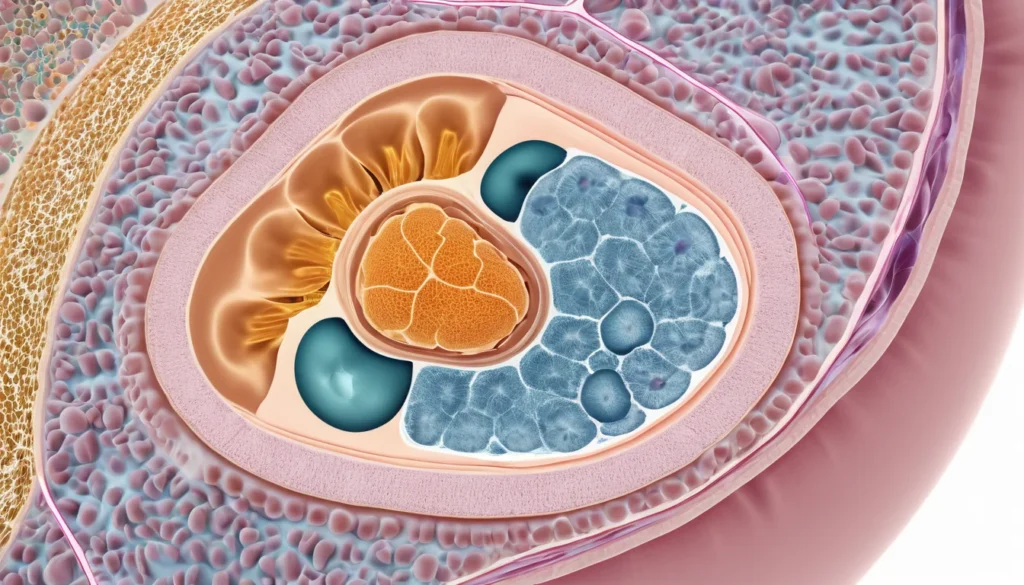
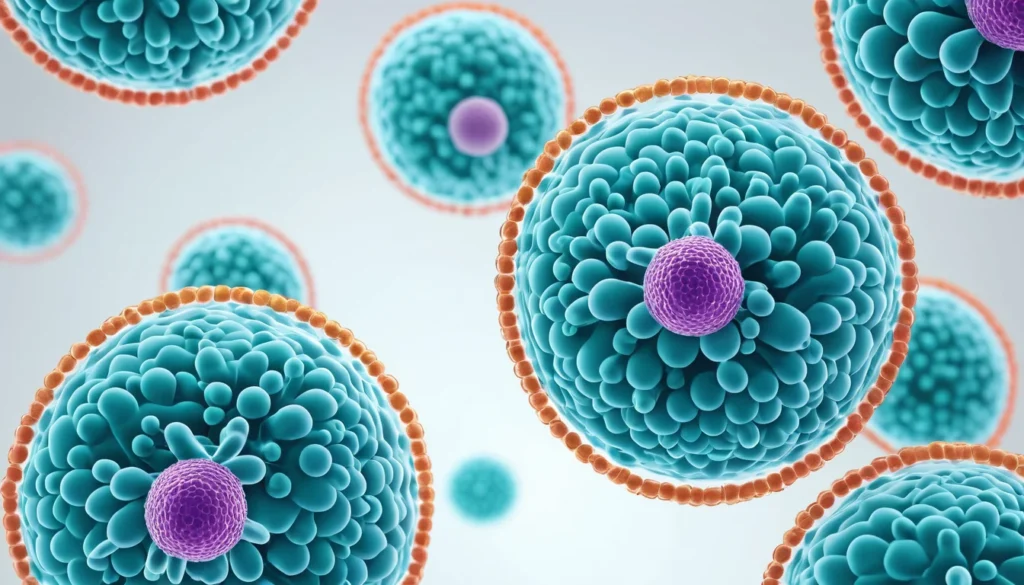
Normally, your body’s cells grow, divide, and die in an orderly way. Cancer disrupts this process. Cells begin to multiply in an uncontrolled, chaotic way. Over time, these extra cells can form a lump called a tumour, or in some cancers, flood the bloodstream.
Not all tumours are cancerous. Benign tumours do not spread to other parts of the body. Malignant tumours, however, can invade nearby tissue and travel to other organs — a process called metastasis.
Cancer is not one single disease. There are over 100 different types of cancer. Each type behaves differently and may require a different treatment approach. According to Health Canada, cancer is a leading cause of death in the country, making awareness and early detection critically important.
Common Types of Cancer in Canada
Some types of cancer are more common in Canada than others. Here are the types most frequently diagnosed:
Lung cancer — one of the most common cancers in Canada, strongly linked to smoking
Colorectal cancer — affecting the colon or rectum, often related to diet and lifestyle
Breast cancer — the most common cancer among Canadian women
Prostate cancer — the most common cancer among Canadian men
Skin cancer — including melanoma and non-melanoma types
Leukemia — a cancer of the blood and bone marrow
Thyroid cancer — affecting the thyroid gland in the neck
Bladder cancer — cancer of the urinary bladder
Esophageal cancer — affecting the tube connecting the throat to the stomach
Stomach (gastric) cancer — cancer that forms in the lining of the stomach
Liver cancer — often linked to hepatitis B or C infection
Bone cancer (sarcoma) — a rarer cancer affecting bones or soft tissue
Cervical cancer — strongly linked to the human papillomavirus (HPV)
Endometrial cancer — cancer of the lining of the uterus
Kidney cancer — also called renal cancer
Testicular cancer — most common in younger men
In Canada, lung, colorectal, and breast cancers make up a large share of new diagnoses each year. However, many of these cancers are treatable — especially when caught early.
What Causes Cancer?
Cancer develops when certain genes — called oncogenes — are damaged or mutated. These genes normally control how cells grow and divide. When they malfunction, cells can begin to grow without limits.
The body also has tumour-suppressor genes that act as a brake on cell growth. In some cases, these protective genes are inherited in a damaged form, which helps explain why cancer sometimes runs in families.
Tobacco and Alcohol
Smoking is the single largest preventable cause of cancer in Canada. About 90% of lung cancers are linked to tobacco use. Smoking also raises the risk of cancers of the mouth, throat, esophagus, bladder, and kidney.
Alcohol is another significant risk factor. It raises the risk of cancers of the mouth, throat, esophagus, and liver in both men and women. In women, research shows that drinking alcohol — even in moderate amounts — increases the risk of breast cancer. Furthermore, combining alcohol with tobacco creates a multiplied risk that is far greater than either substance alone.
Diet and Nutrition
What you eat can influence your cancer risk. Diets high in fat have been linked to colorectal, breast, endometrial, and prostate cancers. In contrast, eating plenty of fruits and vegetables appears to offer some protection against several types of cancer.
Dietary fibre is also thought to play a protective role, particularly for colorectal cancer. In addition, nitrites — found in some preserved and processed meats — have been associated with a higher risk of stomach cancer. Aflatoxin, a mould that can grow on stored grains and nuts kept in warm, damp conditions, is linked to liver cancer, especially when combined with hepatitis B infection.
Radiation Exposure
Exposure to ionising radiation is a well-established cancer risk. Historical evidence, including data from survivors of the atomic bombings in Japan in 1945, shows a clear link between high-dose radiation and cancer. The cancers most strongly affected include leukemia, thyroid cancer, breast cancer, and bone cancer.
Leukemia typically appears around eight years after radiation exposure. Sarcomas may not develop for 20 years, and other tumours can take 30 to 40 years to appear. However, modern radiation safety regulations have greatly reduced occupational risks. Medical imaging technology has also improved, lowering the radiation dose patients receive during X-rays and scans.
Viruses and Infections
Some viruses can trigger cancer by altering the DNA of the cells they infect. Hepatitis B and C viruses are major causes of liver cancer worldwide. The human papillomavirus (HPV) is the primary cause of cervical cancer and is also linked to cancers of the throat, anus, and penis.
In Canada, vaccines are available to protect against hepatitis B and certain strains of HPV. These vaccines are part of publicly funded immunisation programmes in most provinces. Talk to your family doctor or visit a walk-in clinic to find out if you or your children are up to date.
Medications and Hormones
Some medications carry a small but real cancer risk. Research has shown that prolonged use of estrogen therapy — particularly without progesterone — can increase the risk of uterine cancer. However, combined hormone therapy (estrogen and progesterone together) appears to reduce or eliminate this specific risk.
Oral contraceptives have also been studied carefully. Current evidence suggests the risk is very low for most women, though certain factors — such as a family history of breast cancer or use before a first pregnancy — may be worth discussing with your doctor. Always review the risks and benefits of any long-term medication with a healthcare provider.
Inherited and Genetic Factors
Some people inherit a higher genetic risk for certain cancers. For example, mutations in the BRCA1 and BRCA2 genes significantly raise the lifetime risk of breast and ovarian cancer. Certain rare conditions, such as familial adenomatous polyposis, dramatically increase the risk of colorectal cancer.
If cancer runs in your family, your provincial health plan may cover genetic counselling or screening programmes. Ask your family doctor whether genetic testing or increased surveillance is appropriate for you.
Recognising the Warning Signs of Cancer
Cancer does not always cause symptoms in its early stages. However, there are warning signs worth knowing. The earlier cancer is detected, the better the chances of successful treatment.
Common warning signs include:
A lump or thickening under the skin
Unexplained weight loss
Persistent fatigue
Changes in bowel or bladder habits
A sore that does not heal
Unusual bleeding or discharge
A nagging cough or hoarseness
Difficulty swallowing
A change in the size, shape, or colour of a mole or skin lesion
These symptoms do not always mean cancer. However, they should always be checked by a medical professional. According to the World Health Organization, early detection is one of the most effective strategies for reducing cancer deaths worldwide.
Cancer Screening in Canada
Screening means testing for cancer before symptoms appear. Many provinces offer publicly funded screening programmes for common cancers. These programmes save lives by catching cancer at an earlier, more treatable stage.
Common screening tests available in Canada include:
Mammography — for breast cancer, typically recommended for women aged 50 to 74
Pap test and HPV testing — for cervical cancer, recommended for women aged 25 and up depending on the province
Colorectal screening — stool tests or colonoscopy, typically starting at age 50
Lung cancer screening — low-dose CT scans for high-risk individuals, such as long-term smokers
Skin checks — especially for those with a history of significant sun exposure or a family history of melanoma
Your eligibility for these programmes depends on your age, sex, family history, and province of residence. Contact your provincial health authority or speak to your family doctor to find out which screening tests apply to you. For more information on cancer prevention, the Mayo Clinic’s cancer overview is a reliable resource.
When to See a Doctor
If you notice any unusual or persistent changes in your body, do not wait. Book an appointment with your family doctor as soon as possible. Early action can make a real difference in outcomes.
If you do not have a family doctor, a walk-in clinic is a good first step. Many walk-in clinics across Canada can order basic lab tests and refer you to a specialist if needed. Some provinces also have cancer helplines and nurse-on-call services available at no cost through your provincial health plan.
You should speak to a healthcare provider promptly if you experience:
A new lump anywhere on your body
Unexplained bleeding
Significant unintentional weight loss
Persistent pain without a clear cause
A skin change that is growing, changing colour, or not healing
This article is for general information only. It does not replace the advice of a qualified healthcare provider. Always speak with your doctor or a licensed health professional about your specific situation.
Frequently Asked Questions About Cancer
What is cancer and how does it start?
Cancer starts when the DNA in a cell becomes damaged or mutated, causing the cell to grow and divide without stopping. Over time, these abnormal cells can form tumours or spread through the bloodstream. Cancer can develop in almost any part of the body.
What are the most common types of cancer in Canada?
The most commonly diagnosed cancers in Canada include lung cancer, breast cancer, colorectal cancer, and prostate cancer. Skin cancer, including melanoma, is also very prevalent. Most of these cancers have better outcomes when detected early through regular screening.
Can cancer be prevented?
While not all cancers can be prevented, many can be reduced through healthy lifestyle choices. Not smoking, limiting alcohol, eating a diet high in fibre and vegetables, maintaining a healthy weight, and protecting your skin from UV rays all lower your cancer risk. Vaccines for HPV and hepatitis B also help prevent certain cancers.
Is cancer hereditary?
Some cancers do have a genetic component. If a close family member has had cancer, you may carry a higher inherited risk. However, having a family history of cancer does not mean you will definitely develop it. Speak with your family doctor about whether genetic testing or enhanced screening is right for you.
What are the early warning signs of cancer?
Early warning signs of cancer can include unexplained weight loss, unusual lumps, persistent fatigue, changes in bowel habits, unusual bleeding, or a sore that does not heal. These symptoms do not always indicate cancer, but they should be evaluated by a doctor promptly. Early detection greatly improves treatment outcomes.
Does OHIP or my provincial health plan cover cancer screening?
Most provincial health plans in Canada, including OHIP in Ontario, cover recommended cancer screening tests such as mammograms, Pap tests, and colorectal screening. Coverage details vary by province and by individual risk factors. Ask your family doctor or check your provincial health authority’s website for the screening programmes available to you.
Key Takeaways
Cancer is caused by uncontrolled cell growth, often triggered by genetic mutations from tobacco, alcohol, radiation, diet, or infection.
There are over 100 types of cancer. In Canada, lung, breast, colorectal, and prostate cancers are among the most common.
Many cancer risk factors — such as smoking, heavy alcohol use, and poor diet — are preventable through lifestyle changes.
Eating a diet rich in fibre, fruits, and vegetables, and low in processed meats and saturated fats, may help reduce your risk.
HPV and hepatitis B vaccines are available in Canada and help prevent certain cancers.
Provincial health plans cover many cancer screening programmes. Talk to your family doctor to find out which ones apply to you.
Early detection saves lives. Do not ignore persistent or unusual symptoms — see your family doctor or visit a walk-in clinic.