Canavan disease is a rare but serious genetic brain disorder that progressively destroys nerve cells in the brain. It most often affects infants and young children, causing the brain’s white matter to break down over time. Understanding this condition can help Canadian families recognize early warning signs and seek the right medical support through their family doctor or a specialist referral.
What Is Canavan Disease?
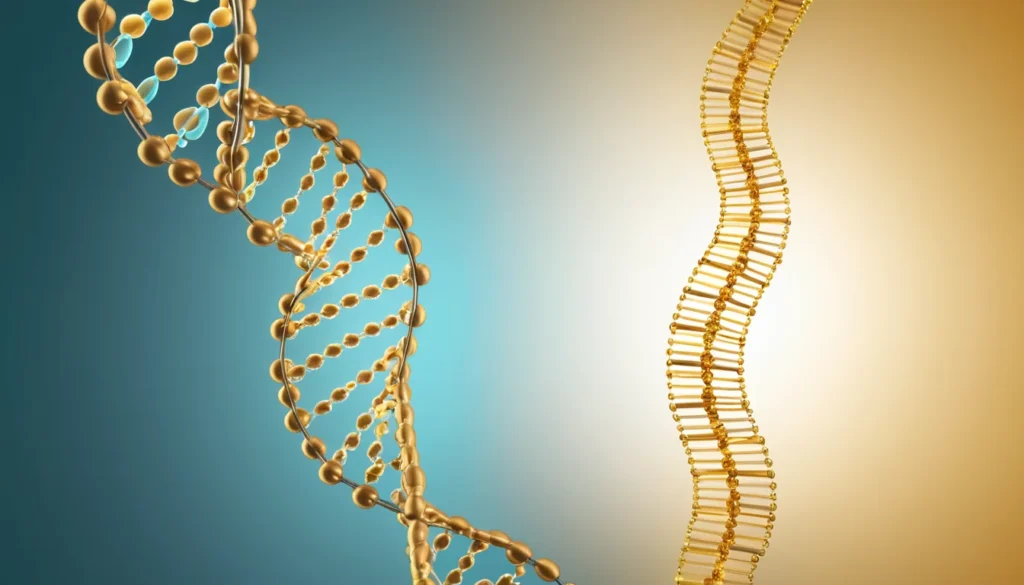
Canavan disease is a genetic condition caused by a mutation in a single gene on chromosome 17. This mutation leads to a deficiency of an enzyme called aspartoacylase. Without enough of this enzyme, a substance called N-acetylaspartate builds up in the brain.
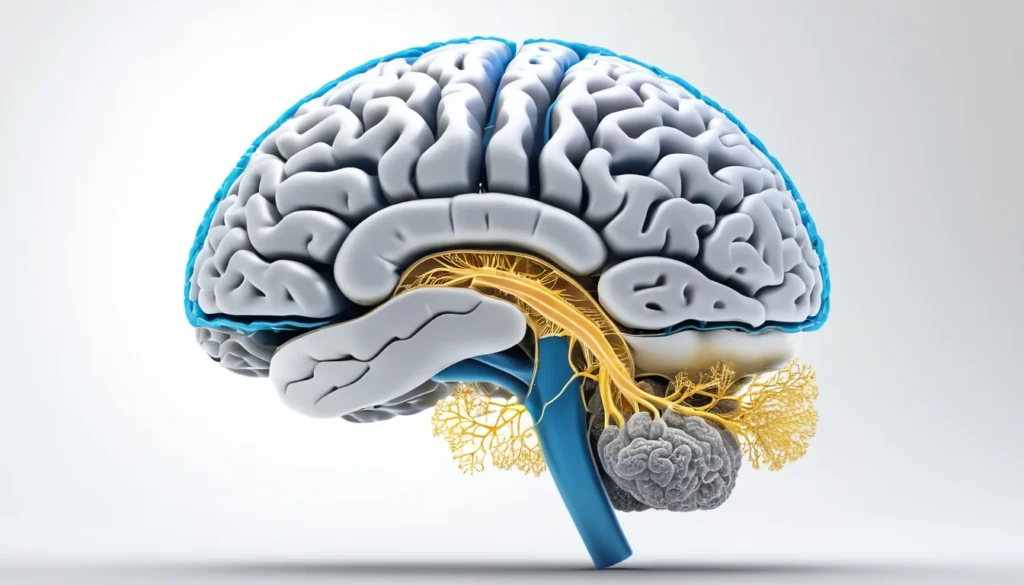
This buildup interferes with a process called myelination. Myelination is how nerve fibres develop their protective coating, called the myelin sheath. The myelin sheath protects, nourishes, and insulates nerve fibres in the brain. Without it, neurons become vulnerable to damage and are unable to function properly.
As a result, brain tissue gradually breaks down into a spongy texture. This is why Canavan disease belongs to a group of conditions called leukodystrophies — disorders that damage the white matter of the brain. You can learn more about how the brain’s white matter works from the Mayo Clinic’s overview of leukodystrophies.
How Is Canavan Disease Inherited?
Canavan disease follows an autosomal recessive inheritance pattern. This means a child must inherit one defective copy of the gene from each parent in order to develop the disease. Parents who each carry one faulty copy are called carriers. Carriers typically do not show any symptoms themselves.
If both parents are carriers, there is a 25% chance with each pregnancy that their child will have Canavan disease. There is also a 50% chance the child will be a carrier, and a 25% chance the child will inherit no defective copies at all.
Canavan disease is most commonly seen in people of Ashkenazi Jewish descent. In this group, roughly 1 in 40 to 1 in 58 people carry the gene mutation. However, Canavan disease can and does occur in all ethnic backgrounds. No family should assume they are not at risk without proper genetic counselling.
Genetic Testing and Carrier Screening
Genetic testing can identify whether a person carries the Canavan disease mutation. Many Ashkenazi Jewish couples choose to undergo carrier screening before or during pregnancy. This is a proactive step that helps families understand their reproductive options.
In Canada, genetic testing and counselling services are available through provincial health programmes. Your family doctor or a specialist can refer you to a medical genetics clinic. Genetic counsellors help couples understand their test results and explore family planning options with compassion and clarity. The Health Canada website provides guidance on accessing genetic health services across Canadian provinces.
Signs and Symptoms of Canavan Disease
Symptoms of Canavan disease typically appear in the first few months of life. At birth, many newborns may seem healthy. However, parents and caregivers often begin to notice something is wrong between three and six months of age.
One of the earliest and most telling signs is poor muscle tone, known as hypotonia. The baby may feel unusually floppy and struggle to hold up their head. This symptom, combined with an abnormally large head size (macrocephaly), is considered a key early indicator of Canavan disease.
Early Symptoms (Birth to 6 Months)
Generalised low muscle tone (hypotonia)
Inability to hold the head upright
Abnormally large head circumference (macrocephaly)
Delayed developmental milestones
Poor feeding and weak sucking
Symptoms as the Disease Progresses
As Canavan disease advances, the muscle weakness often shifts to muscle stiffness and spasticity. Deep tendon reflexes become exaggerated. Children may lose the ability to roll over, sit, or interact with their environment.
Furthermore, swallowing difficulties can develop over time. When swallowing becomes too difficult, a feeding tube may be needed to ensure the child receives proper nutrition. In some cases, the disease can also progress to optic atrophy, which means the nerves connecting the eyes to the brain begin to deteriorate, potentially causing vision loss.
Additional symptoms that may appear include:
Intellectual disability
Loss of previously acquired motor skills
Seizures
Sleep disturbances
Irritability
Canavan disease is considered one of the more common severe brain degenerative conditions seen in early childhood. The Healthline overview of Canavan disease offers additional detail on how symptoms evolve at different stages.
How Is Canavan Disease Diagnosed?
Diagnosing Canavan disease involves several steps. A doctor will first conduct a thorough physical examination and review the child’s developmental history. Early signs like hypotonia and macrocephaly often prompt further investigation.
Imaging Tests
Brain imaging plays a central role in diagnosis. A CT scan or an MRI (magnetic resonance imaging) scan can reveal characteristic changes in the brain’s white matter. These images often show swelling and deterioration of white matter tissue that is consistent with Canavan disease.
Urine and Genetic Testing
A urine test can detect elevated levels of N-acetylaspartate, which is a strong biochemical marker for this condition. However, a definitive diagnosis of Canavan disease is confirmed through genetic testing. This involves analysing the ASPA gene to identify the specific mutation responsible for aspartoacylase deficiency.
In Canada, these tests are typically ordered through a paediatric neurologist or a medical genetics specialist. Families referred through their provincial health plan can access these services at no direct out-of-pocket cost in most cases.
Treatment and Management of Canavan Disease
Currently, there is no cure for Canavan disease. Treatment focuses on managing symptoms, improving quality of life, and supporting the child and family. A team of specialists typically works together to provide comprehensive care.
Supportive care may include:
Physiotherapy to manage muscle tone and maintain mobility
Occupational therapy to support daily functioning
Speech and language therapy for communication and swallowing
Nutritional support, including feeding tube placement when needed
Anti-seizure medications to manage epilepsy
Regular ophthalmology assessments for vision monitoring
Research into gene therapy and stem cell therapy is ongoing and shows some promise for future treatments. Scientists are exploring ways to correct or compensate for the faulty ASPA gene. However, these approaches are still largely experimental and not yet available as standard care in Canada.
Palliative and Family Support
Caring for a child with Canavan disease can be emotionally and physically demanding for the whole family. Palliative care teams can provide pain and symptom management, while social workers and counsellors offer emotional support. Many Canadian children’s hospitals have dedicated palliative care programmes and family support resources.
Connecting with a patient advocacy organisation or a rare disease support group can also be incredibly helpful. These groups offer community, information, and guidance that can make a real difference for families navigating this diagnosis.
Prognosis and Life Expectancy
Canavan disease is a progressive condition, and its prognosis remains serious. Children with the most severe form of the disease typically survive into their teens, though some individuals have lived into their twenties with proper supportive care.
The rate of progression varies from child to child. Some children stabilise for periods before experiencing further decline. With advances in supportive care, the focus has increasingly shifted toward maximising comfort and quality of life at every stage.
Early and accurate diagnosis is important. It allows families to access the right support services sooner and make informed decisions about their child’s care.
When to See a Doctor
If you notice that your infant is having difficulty holding up their head, appears unusually floppy, or has a head that seems larger than expected for their age, speak with your family doctor as soon as possible. These signs may have many causes, but they always deserve prompt medical attention.
You can book an appointment with your family doctor or visit a walk-in clinic if your regular doctor is not immediately available. A referral to a paediatric neurologist or a genetics specialist through your provincial health plan is the next step if Canavan disease or another neurological condition is suspected.
If you have a family history of Canavan disease or are of Ashkenazi Jewish descent and are planning a pregnancy, ask your family doctor about genetic carrier screening. This conversation is best had before conception, but it is valuable at any stage of pregnancy planning.
Always consult a qualified healthcare provider before making any decisions about testing, diagnosis, or treatment. Your doctor is your best resource for personalised medical advice.
Frequently Asked Questions About Canavan Disease
What causes Canavan disease?
Canavan disease is caused by a mutation in the ASPA gene, which leads to a deficiency of the enzyme aspartoacylase. Without this enzyme, a toxic substance called N-acetylaspartate builds up in the brain and damages the myelin sheath that protects nerve fibres. Both parents must carry the faulty gene for a child to develop Canavan disease.
How common is Canavan disease in Canada?
Canavan disease is considered rare in the general Canadian population. It is more prevalent among people of Ashkenazi Jewish descent, where approximately 1 in 40 individuals may carry the gene mutation. However, Canavan disease can affect children of any ethnic background across Canada.
Is there a genetic test for Canavan disease available in Canada?
Yes, genetic testing for Canavan disease is available in Canada through medical genetics programmes at major hospitals and health centres. Your family doctor can provide a referral, and costs are often covered under provincial health plans. Genetic counselling is strongly recommended alongside any testing.
What are the first signs of Canavan disease in a baby?
The earliest signs of Canavan disease include poor muscle tone (the baby feels unusually floppy), difficulty holding the head up, and an abnormally large head size. These symptoms typically become noticeable between three and six months of age. If you notice these signs, speak with your family doctor right away.
Can Canavan disease be treated or cured?
There is currently no cure for Canavan disease. Treatment focuses on managing symptoms through physiotherapy, occupational therapy, nutritional support, and seizure medication. Researchers are actively studying gene therapy as a potential future treatment for Canavan disease, but it is not yet available as standard care.
Should couples get tested for Canavan disease before pregnancy?
Couples who are at higher risk — particularly those of Ashkenazi Jewish descent — are often advised to consider carrier screening for Canavan disease before or during pregnancy. A family doctor or genetic counsellor can discuss whether testing is right for your situation. Knowing your carrier status allows you to make informed family planning decisions.
Key Takeaways
Canavan disease is a rare genetic disorder that destroys the brain’s white matter in infants and young children.
It is caused by a mutation in the ASPA gene, leading to a buildup of N-acetylaspartate that damages nerve fibres.
The disease follows an autosomal recessive pattern — both parents must be carriers for a child to be affected.
Early signs include low muscle tone, inability to hold the head up, and an unusually large head size.
Diagnosis involves brain imaging (MRI or CT) and confirmed through genetic testing.
There is no cure, but supportive care helps manage symptoms and improve quality of life.
Genetic carrier screening is available in Canada through provincial health programmes and is recommended for at-risk families.
Always speak with your family doctor or a genetic counsellor if you have concerns about Canavan disease.