Calcium is the most abundant mineral in your body — and one of the most important. It builds and maintains strong bones, keeps your muscles working properly, and helps your nerves send signals throughout your body. In this article, you’ll learn what calcium does, how much you need, where to get it, and when low or high levels become a health concern.
What Is Calcium and Why Does Your Body Need It?
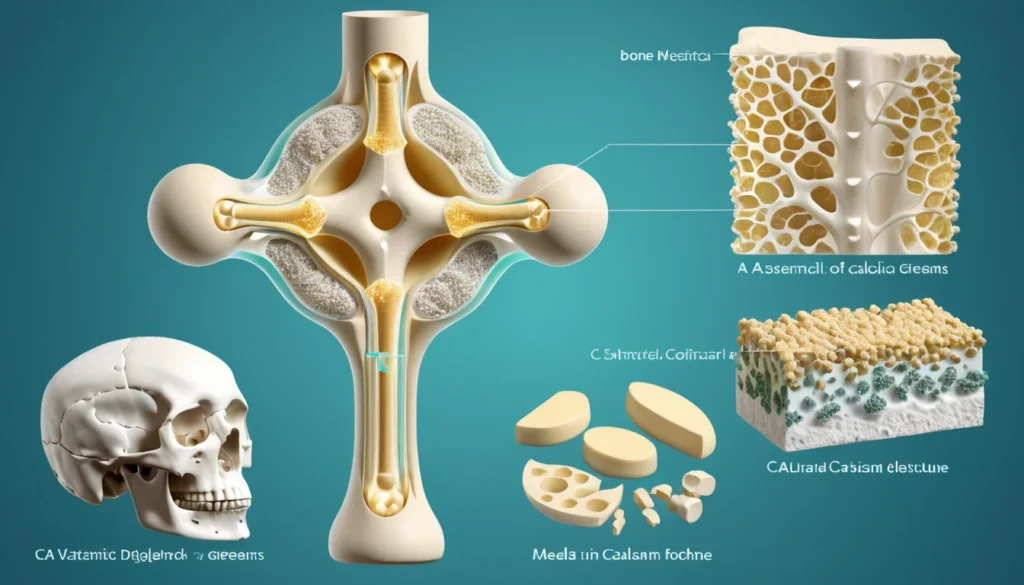
Calcium is a chemical element found in nature and inside the human body. Your body stores about one kilogram of calcium — nearly 99% of it lives in your bones and teeth. This stored calcium gives your skeleton its strength and structure.
The remaining 1% circulates in your blood and soft tissues. However, that small amount does a surprisingly large number of jobs. Your body depends on it every single day.
Calcium and Your Bones
Your bones store calcium mainly as calcium phosphate and calcium citrate. These compounds make bone tissue dense and hard. Without enough calcium, bones gradually become weaker over time.
This process happens slowly and silently. As a result, many Canadians only discover bone loss after a fracture or a bone density scan ordered by their family doctor.
Calcium and Muscle Function
Calcium plays a direct role in muscle contraction. Every time a muscle moves — including your heart muscle — calcium triggers the process. Without the right calcium levels, muscles can cramp, twitch, or weaken.
Your heart is a muscle too. Therefore, stable calcium levels are essential for a healthy, steady heartbeat.
Calcium and Your Nervous System
Your nerves use calcium to send chemical messages to your muscles. This communication tells your muscles when to contract and when to relax. Calcium also helps control how easily ions pass through cell membranes, which affects how every cell in your body responds to hormones and enzymes.
In addition, calcium is involved in several steps of blood clotting. When you cut yourself, calcium helps start the clotting process that stops the bleeding.
How Much Calcium Do You Need Each Day?
Your daily calcium needs change throughout your life. Children, teenagers, pregnant women, and older adults all have different requirements. Getting the right amount at every stage of life helps protect your long-term health.
According to Health Canada, the recommended daily intake of calcium varies by age and life stage. The following general ranges apply:
Children and adolescents: 600 to 1,200 milligrams per day, depending on age
Adults: approximately 900 milligrams per day
Pregnant or breastfeeding women: 1,200 to 1,500 milligrams per day
Women going through menopause: at least 1,200 milligrams per day
These numbers are general guidelines. Your family doctor can give you a more personalized recommendation based on your health history and diet.
Why Teenagers and Menopausal Women Need More
During the teenage years, bones grow quickly and need extra calcium to develop properly. Missing out on calcium during this window can affect bone density for life.
For women going through menopause, dropping estrogen levels speed up bone loss. Furthermore, pregnancy and breastfeeding draw heavily on calcium reserves. Higher intake during these times helps protect both the mother and the baby.
Best Food Sources of Calcium
Dairy products are the richest source of calcium in the average Canadian diet. They provide between 60 and 80 percent of the total calcium most people consume. Fortunately, dairy is widely available and affordable across Canada.
Here is how common dairy products compare:
Milk: approximately 120 milligrams per 100 grams
Fresh soft cheeses (such as cottage or ricotta): 70 to 170 milligrams per 100 grams
Hard aged cheeses (such as cheddar or parmesan): 150 to 1,200 milligrams per 100 grams
Plain yogurt: approximately 110 to 150 milligrams per 100 grams
Non-Dairy Sources of Calcium
Not everyone eats dairy. If you are lactose intolerant, vegan, or simply prefer other foods, you can still meet your calcium needs. Many plant-based foods and fortified products are excellent sources.
Good non-dairy options include:
Fortified plant-based milks (soy, almond, oat)
Canned salmon and sardines with bones
Tofu made with calcium sulphate
Leafy greens such as kale, bok choy, and broccoli
Fortified orange juice
Beans and lentils
Almonds and sesame seeds
Nutrition experts at Mayo Clinic recommend spreading calcium intake throughout the day. Your body absorbs calcium more efficiently in smaller amounts at each meal rather than one large dose.
Tips for Getting Enough Calcium Daily
A simple habit is to include at least one calcium-rich food at every meal. For example, add milk or a fortified alternative to your morning oatmeal, enjoy yogurt as a snack, and include leafy greens at dinner.
If you find it hard to reach your daily target through food alone, your doctor or pharmacist can help you choose an appropriate calcium supplement.
Calcium Supplements: When Are They Needed?
Sometimes diet alone is not enough to meet your calcium needs. In these cases, a doctor may recommend a calcium supplement. Supplements come in several forms, with calcium carbonate and calcium citrate being the most common.
Calcium carbonate is best absorbed when taken with food. Calcium citrate, however, can be taken with or without food, making it a better choice for people with digestive issues or those taking acid-reducing medications.
Medical Uses of Calcium
Calcium is used in two main ways in medical treatment: orally (by mouth) and by injection. Oral calcium supplements are prescribed for people whose diet is low in calcium, for bone loss conditions such as osteoporosis or rickets, and sometimes alongside other treatments.
Injectable calcium is used in hospital settings for serious conditions like hypocalcaemia (dangerously low blood calcium) and hypocalcaemic tetany, a condition where low calcium causes severe muscle spasms. These treatments are always managed by a healthcare professional.
Do Not Take More Than You Need
Taking too much calcium from supplements can cause problems. An overdose can lead to hypercalcaemia — too much calcium in the blood. This condition sometimes requires urgent medical treatment.
Excess calcium can also contribute to kidney stones in people who are prone to them. Therefore, always follow your doctor’s dosage advice and do not exceed recommended amounts without guidance.
Calcium Deficiency and Excess: What to Watch For
Calcium deficiency, known as hypocalcaemia, develops when blood calcium levels fall too low. This can happen due to poor diet, certain medical conditions, vitamin D deficiency (which affects calcium absorption), or some medications.
Common signs of low calcium include:
Muscle cramps or spasms
Numbness or tingling in the hands, feet, or face
Fatigue and weakness
Brittle nails
Dental problems
In severe cases, confusion or irregular heartbeat
Signs of Too Much Calcium
Too much calcium — hypercalcaemia — is less common but can also cause serious health issues. It is more likely to result from overuse of supplements or certain medical conditions such as overactive parathyroid glands.
Symptoms of high calcium include nausea, frequent urination, constipation, fatigue, and confusion. In addition, high calcium levels can raise the risk of kidney stones and interfere with heart function.
Who Should Be Careful With Calcium?
Calcium supplements and high-dose calcium treatments are not appropriate for everyone. They are contraindicated — meaning not recommended — for people who already have high calcium levels (hypercalcaemia) or a history of calcium-based kidney stones.
People taking digoxin or other cardiac glycoside medications used in heart treatment must be especially careful. Calcium can interact dangerously with these drugs. Always tell your doctor about all medications and supplements you are taking.
Calcium and Bone Health Across Your Lifetime
Building strong bones starts early in life. Children and teenagers who get enough calcium develop better peak bone mass — the maximum bone strength they will ever have. After about age 30, bone mass gradually declines in everyone.
However, staying active and maintaining adequate calcium and vitamin D intake throughout adulthood can slow this decline significantly. Weight-bearing exercise — such as walking, jogging, or dancing — also helps keep bones strong.
According to the World Health Organization, osteoporosis affects hundreds of millions of people globally and is a leading cause of fractures in older adults. In Canada, it is estimated that one in three women and one in five men will suffer an osteoporotic fracture in their lifetime.
Vitamin D: Calcium’s Essential Partner
Calcium and vitamin D work as a team. Your body needs vitamin D to absorb calcium from the food you eat. Without enough vitamin D, even a calcium-rich diet may not protect your bones properly.
In Canada, our long winters and limited sunlight mean many people are low in vitamin D, especially from October to April. Ask your family doctor whether you should have your vitamin D levels checked and whether a supplement makes sense for you.
When to See a Doctor
You should speak with your family doctor or visit a walk-in clinic if you have any of the following concerns related to calcium:
You experience frequent muscle cramps, numbness, or tingling
You have been diagnosed with osteoporosis or low bone density
You are pregnant, breastfeeding, or going through menopause
You follow a diet that avoids dairy and are unsure about your calcium intake
You are considering starting a calcium supplement
You have a history of kidney stones or heart conditions
You take heart medications such as digoxin
Your provincial health plan covers visits to your family doctor for nutritional assessments and bone health concerns. If you do not have a family doctor, a walk-in clinic can provide an initial assessment and refer you for further testing if needed. A simple blood test can measure your calcium levels and help guide any treatment decisions.
This article is for informational purposes only. Always consult your doctor or a qualified healthcare provider before making changes to your diet, starting supplements, or if you have concerns about your calcium levels.
Frequently Asked Questions About Calcium
What are the best food sources of calcium?
Dairy products such as milk, cheese, and yogurt are the richest sources of calcium in most Canadian diets. Non-dairy options include fortified plant-based milks, canned fish with bones, tofu, leafy greens like kale and bok choy, and beans. Spreading calcium-rich foods across all three meals helps your body absorb it more efficiently.
How much calcium do adults need per day?
Most healthy adults need around 900 milligrams of calcium per day. However, women who are pregnant, breastfeeding, or going through menopause need more — between 1,200 and 1,500 milligrams daily. Your family doctor can give you a personalized recommendation based on your age and health needs.
What are the symptoms of calcium deficiency?
Low calcium levels can cause muscle cramps, tingling or numbness in the hands and feet, fatigue, brittle nails, and dental problems. In more serious cases, very low calcium can lead to irregular heartbeat or confusion. If you notice these symptoms regularly, speak with your doctor and ask about a blood test to check your calcium levels.
Is it safe to take calcium supplements every day?
Calcium supplements are safe for most people when taken at the recommended dose. However, taking too much calcium from supplements can cause side effects such as constipation, nausea, and — in excess — hypercalcaemia, which is too much calcium in the blood. Always consult your doctor or pharmacist before starting a daily calcium supplement.
What is the difference between calcium carbonate and calcium citrate?
Calcium carbonate is the most common and affordable supplement form, but it needs to be taken with food to be absorbed properly. Calcium citrate is absorbed well with or without food, making it a better choice for older adults or people who take acid-reducing medications. Ask your pharmacist which form is right for your situation.
Does calcium help prevent osteoporosis?
Yes, getting enough calcium throughout your life is one of the most important steps you can take to reduce your risk of osteoporosis. Calcium works best alongside vitamin D, regular weight-bearing exercise, and a balanced diet. If you are concerned about your bone health, ask your family doctor about a bone density scan, which may be covered by your provincial health plan.
Key Takeaways
Calcium is essential for strong bones, healthy muscles, proper nerve function, and blood clotting. About 99% of your body’s calcium is stored in your bones and teeth. Daily needs vary: most adults need around 900 mg per day, while pregnant women and menopausal women need up to 1,500 mg.