Buttock lift surgery is a cosmetic procedure that improves the shape and contour of the buttocks by removing excess skin and fat. It is often chosen by people who have lost a significant amount of weight or who want to improve their body’s appearance. This article explains how the procedure works, what to expect during recovery, and what results you can realistically achieve. As always, speak with your family doctor or a board-certified plastic surgeon before making any decisions about cosmetic surgery.
What Is Buttock Lift Surgery?
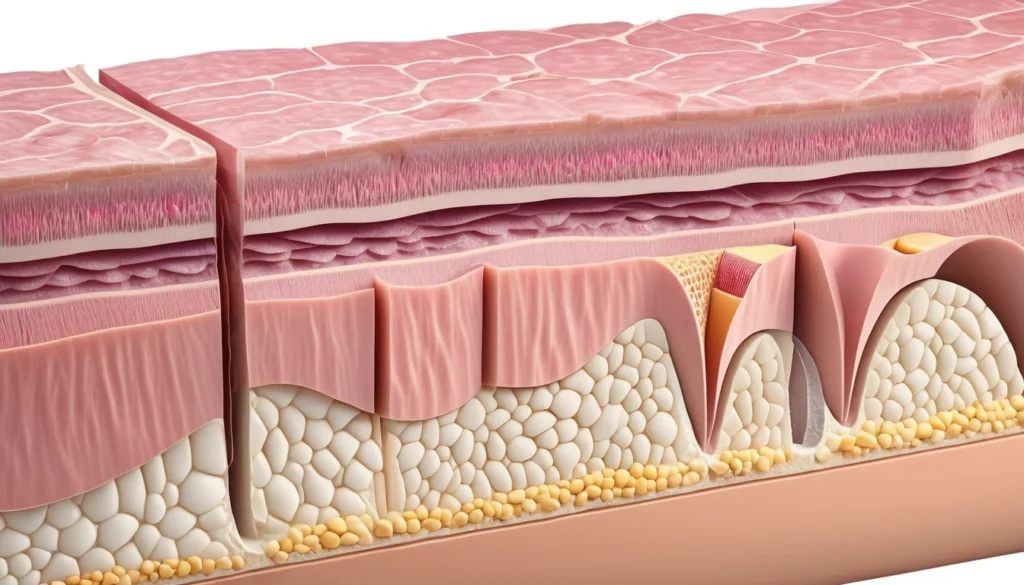
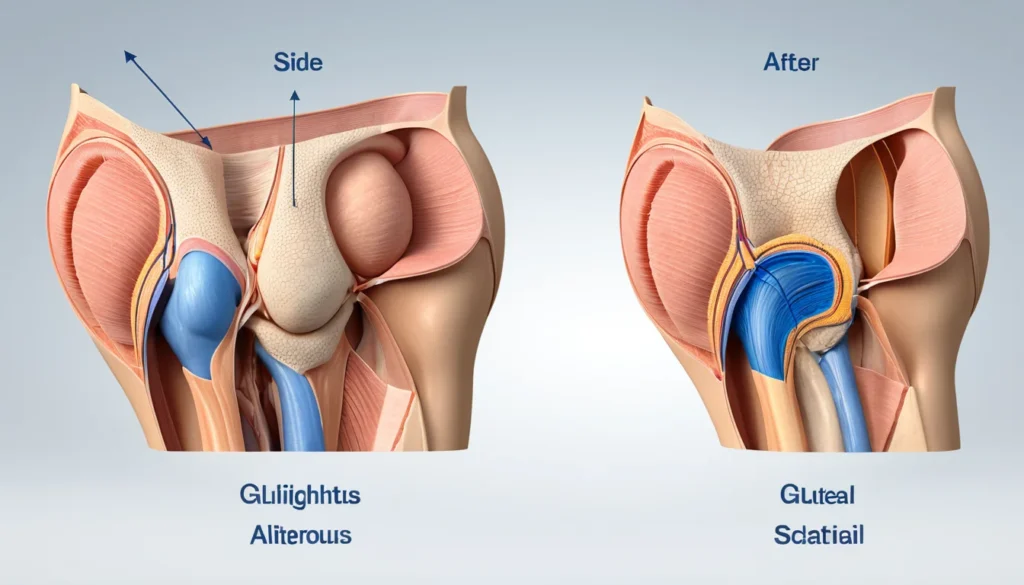
A buttock lift surgery, sometimes called a gluteal lift, is a surgical procedure that removes sagging, excess skin from the buttock area. It reshapes and tightens the tissue to create a smoother, more lifted appearance. The procedure does not add volume on its own — it focuses on removing what is already there.
Many people confuse a buttock lift with a Brazilian butt lift (BBL). However, these are different procedures. A BBL uses fat transfer to add volume, while a traditional buttock lift focuses on removing excess skin and tightening the area.
This type of surgery is commonly recommended alongside liposuction. Liposuction alone can remove fat effectively, but it sometimes leaves behind loose, hanging skin. In those cases, combining both procedures during the same operation gives the best overall result.
Who Is a Good Candidate for Buttock Lift Surgery?
Not everyone is a suitable candidate for this procedure. Surgeons generally look for patients who meet certain criteria before recommending buttock lift surgery.
Good candidates typically include:
People who have lost a large amount of weight — either through diet and exercise or bariatric surgery — and are left with excess, sagging skin
Adults who are at or near a stable, healthy weight
Non-smokers, or those willing to quit before and after surgery
People in good overall health with no conditions that could complicate healing
Those with realistic expectations about what the surgery can achieve
If you have recently had significant weight loss, your surgeon may recommend waiting until your weight has been stable for at least six months. This helps ensure the best possible outcome. For more information on healthy living and weight management from Health Canada, their resources are a helpful starting point.
How Buttock Lift Surgery Is Performed
Understanding the steps of the procedure can help reduce anxiety and set realistic expectations. Here is a straightforward breakdown of what happens during buttock lift surgery.
Anaesthesia and Preparation
The procedure is performed under general anaesthesia, meaning you will be completely asleep throughout. Your surgical team will monitor you closely the entire time. Most patients do not need to stay overnight in hospital — buttock lift surgery is typically done as an outpatient procedure.
The Incisions
Your surgeon makes incisions just below the buttock area, in the natural crease where the buttock meets the upper thigh. This placement keeps the scars as hidden as possible. The incisions are carefully positioned so that they are not visible when you wear underwear or a swimsuit.
Removing Excess Skin and Fat
Once the incisions are made, the surgeon removes the excess, hanging skin. If liposuction is also being performed, it will be done at the same time. Combining both procedures in one session reduces overall recovery time and the risks associated with multiple surgeries.
Closing and Finishing
After removing the excess tissue, the surgeon closes the incisions carefully. The entire procedure typically takes between two and four hours, depending on how much work is needed. You will spend some time in a recovery area before being discharged home with a responsible adult.
Common Side Effects After Buttock Lift Surgery
Like any surgical procedure, buttock lift surgery comes with expected side effects in the days and weeks that follow. These are normal parts of the healing process and are not considered complications.
Common side effects include:
Pain and discomfort around the incision sites, especially when sitting or moving
Swelling and bruising in the treated area, which typically peaks in the first week
Numbness or altered sensation in the skin near the incisions
Temporary tightness or pulling feeling as the tissue heals
Most of these side effects improve significantly within two to three weeks. Your surgeon will prescribe appropriate pain management and give you clear instructions to follow at home. According to Mayo Clinic’s guidance on cosmetic surgery recovery, following post-operative instructions carefully is one of the most important factors in a smooth recovery.
Potential Complications to Be Aware Of
Serious complications from buttock lift surgery are uncommon, but they do exist. It is important to understand these risks before agreeing to any surgical procedure.
Possible complications include:
Infection at the incision site
Bleeding during or after the procedure
Fluid build-up (called a seroma) under the skin
Poor wound healing, particularly if the patient sits directly on the incision too early
Scarring that is more prominent than expected
Need for revision surgery if healing does not go as planned
One important and somewhat unusual challenge with this surgery is that the incision is located exactly where you sit. If a patient puts direct pressure on the healing incision too soon, it can disrupt the wound and lead to complications. Your surgeon will give you very specific instructions about positioning during your recovery.
Furthermore, choosing a qualified, board-certified plastic surgeon greatly reduces the risk of complications. In Canada, you can verify a surgeon’s credentials through your provincial College of Physicians and Surgeons.
What to Expect During Recovery
Recovery from buttock lift surgery requires patience and a commitment to following your surgeon’s instructions. The unique location of the incisions makes this recovery slightly more demanding than some other cosmetic procedures.
The First Week
During the first week, most patients need to lie on their stomach or side to avoid putting pressure on the incisions. Sitting directly on the surgical area is not allowed during this early stage. This can feel inconvenient, but it is critical for proper healing.
You will likely need help with daily activities during this period. Arrange for a support person — a family member or friend — to assist you at home. This is especially important in the first few days after your procedure.
Weeks Two to Six
As the incisions begin to heal, you can gradually return to more normal activities. Most patients can resume light sitting within one to two weeks, depending on their surgeon’s assessment. By four to six weeks, most people return to their regular daily routine, including desk work.
However, strenuous exercise, heavy lifting, and activities that stretch the incision area should be avoided until your surgeon gives the green light. A complete recovery typically takes four to six weeks for everyday activities.
Long-Term Healing
It is important to understand that the incision scars may take up to one full year to fully fade and settle. In the beginning, scars may appear pink or raised. Over time, they typically flatten and lighten. Your surgeon may recommend scar treatments such as silicone sheets or gels to help speed this process along.
Results: What Can You Realistically Expect?
The results of buttock lift surgery can be long-lasting and satisfying when patients maintain a healthy lifestyle afterward. Here is what you should realistically expect.
Immediately after surgery, you will notice swelling that temporarily hides the final result. The true shape of your buttocks becomes visible as swelling subsides over the following weeks. Most patients see their final results by three to six months post-surgery.
To maintain your results over the long term, a balanced diet and regular physical activity are essential. Weight fluctuations after surgery can affect the outcome significantly. As a result, many surgeons recommend reaching and maintaining a stable weight before undergoing the procedure.
Like all lifting procedures, some patients may choose to have a touch-up or revision surgery years later. Ageing and gravity continue to affect the body over time, even after a lift. Understanding this reality helps set appropriate long-term expectations. For further reading, Healthline’s overview of butt lift procedures offers a helpful patient-friendly summary.
When to See a Doctor
If you are considering buttock lift surgery, the first step is a conversation with your family doctor. They can review your medical history, assess whether you are a suitable candidate, and provide a referral to a board-certified plastic surgeon.
You do not need to visit an emergency room or specialist right away. Start with your regular family doctor or, if you do not have one, a walk-in clinic. Your doctor can also help you understand whether the procedure might be partially covered under any provincial health programme — for example, in cases where extreme weight loss has caused significant functional issues with excess skin.
After surgery, contact your surgeon or go to a walk-in clinic or emergency department if you experience:
Fever above 38.5°C
Increasing redness, warmth, or discharge at the incision site
Severe or worsening pain that is not controlled by prescribed medication
Significant swelling on one side only
Any signs of an allergic reaction
Always follow up with your surgical team as scheduled, even if you feel fine. Early detection of any issue leads to faster, easier resolution.
Frequently Asked Questions About Buttock Lift Surgery
How long does buttock lift surgery take?
Buttock lift surgery typically takes between two and four hours to complete. The exact duration depends on how much excess skin needs to be removed and whether liposuction is performed at the same time. Most patients go home the same day as the procedure.
Is buttock lift surgery covered by provincial health insurance in Canada?
In most cases, buttock lift surgery is considered a cosmetic procedure and is not covered by provincial health plans. However, if excess skin is causing significant functional problems — such as skin infections or difficulty with mobility — your doctor may be able to make a case for partial coverage. Speak with your family doctor and your provincial health plan for specific details.
How painful is recovery from buttock lift surgery?
Most patients describe the discomfort as moderate in the first week, particularly because sitting puts pressure directly on the incisions. Your surgeon will prescribe pain medication to keep you comfortable during this period. By the second week, most people find the pain manageable with over-the-counter options.
Can buttock lift surgery be combined with other procedures?
Yes, buttock lift surgery is frequently combined with liposuction in the same session. Some patients also choose to combine it with a lower body lift or thigh lift, particularly after major weight loss. Your surgeon will advise you on what combinations are safe and appropriate for your situation.
How long do the results of a buttock lift last?
The results of buttock lift surgery can last many years, especially when you maintain a stable weight through a healthy diet and regular exercise. However, natural ageing and gravity will continue to affect your body over time. Some patients choose a touch-up procedure years down the road to maintain their results.
What is the difference between a buttock lift and a Brazilian butt lift?
A buttock lift surgery removes excess, sagging skin to tighten and reshape the area — it does not add volume. A Brazilian butt lift (BBL), on the other hand, uses fat transferred from another part of your body to add fullness and shape. Your plastic surgeon can help you determine which procedure better suits your goals.
Key Takeaways
Buttock lift surgery removes excess, sagging skin from the buttock area to improve shape and contour.
It is often combined with liposuction for the best overall result.
The procedure takes two to four hours and is usually performed as a day surgery under general anaesthesia.
Recovery takes four to six weeks for most daily activities, and scars can take up to one year to fully fade.
Common side effects include bruising, swelling, and numbness — all of which typically resolve within a few weeks.
Serious complications are rare but include infection, bleeding, and fluid build-up.
Results are long-lasting when supported by a healthy diet, regular physical activity, and a stable body weight.
Always start with a conversation with your family doctor or a walk-in clinic before pursuing any cosmetic surgery.
In Canada, this procedure is generally not covered by provincial health plans, as it is considered cosmetic in most cases.