Buttock implants are a type of cosmetic surgery designed to add volume and improve the shape of the buttocks. Also called gluteal augmentation, this procedure has grown steadily in popularity across Canada and around the world. However, like any surgery, it comes with real risks that every patient should understand before making a decision. This article breaks down the main types of procedures, what the risks look like, and how to know if this surgery might be right for you.
What Are Buttock Implants?
Buttock implants involve placing artificial devices inside the buttocks to increase their size and improve their shape. Surgeons may use solid silicone implants, fat transfers, or injectable fillers to achieve this result. The goal is to create a fuller, more rounded appearance.
This type of procedure falls under the broader category of body contouring surgery. It is performed by plastic surgeons in accredited surgical facilities. In Canada, patients can access these procedures through private cosmetic surgery clinics, as they are not covered under provincial health plans.
Types of Buttock Implant Procedures
There are several different approaches to gluteal augmentation. Each method has its own benefits, risks, and recovery timeline. Your surgeon should walk you through all options before recommending one.
Brazilian Butt Lift (Fat Transfer)
The Brazilian butt lift is one of the most well-known buttock implant procedures. A surgeon removes fat from another part of your body — usually the abdomen, flanks, or thighs — using liposuction. That fat is then purified and injected into the buttocks to add volume.
This method produces a natural look and feel because it uses your own tissue. However, the body may absorb some of the transferred fat over time. As a result, the final volume can be difficult to predict, and some patients need a follow-up session.
Sometimes, surgeons combine a fat transfer with silicone implants to achieve a more dramatic and lasting result. This combined approach can offer more control over the final shape. According to the Mayo Clinic, procedures using a patient’s own tissue generally carry a lower risk of rejection compared to synthetic implants.
Sculptra Injections
Sculptra is a specially designed injectable substance that adds volume to soft tissue. It is typically administered in a clinic setting, without the need for general anaesthesia. This makes it a less invasive option compared to surgical buttock implants.
The filler adds a small amount of volume right away. Over the following weeks and months, it stimulates your body to produce new collagen in the treated area. This gradually increases volume in a natural-looking way.
However, you will likely need several sessions to see a noticeable difference. Each session adds to the overall cost, so patients should budget accordingly. Results are also not permanent and may require maintenance treatments.
Hydrogel and Silicone Injections
Hydrogel and liquid silicone injections are sometimes marketed as a cheaper alternative to surgery. These injections do not require an operating room and do not directly reshape the buttocks. They simply add temporary bulk.
Medical professionals strongly advise against this method. If injected incorrectly, these substances can enter the bloodstream. This can cause serious complications, including stroke and death. If someone is considering this option, it is essential to visit only a licensed and regulated clinic — and to discuss the risks thoroughly with a qualified medical professional first.
Silicone Buttock Implants
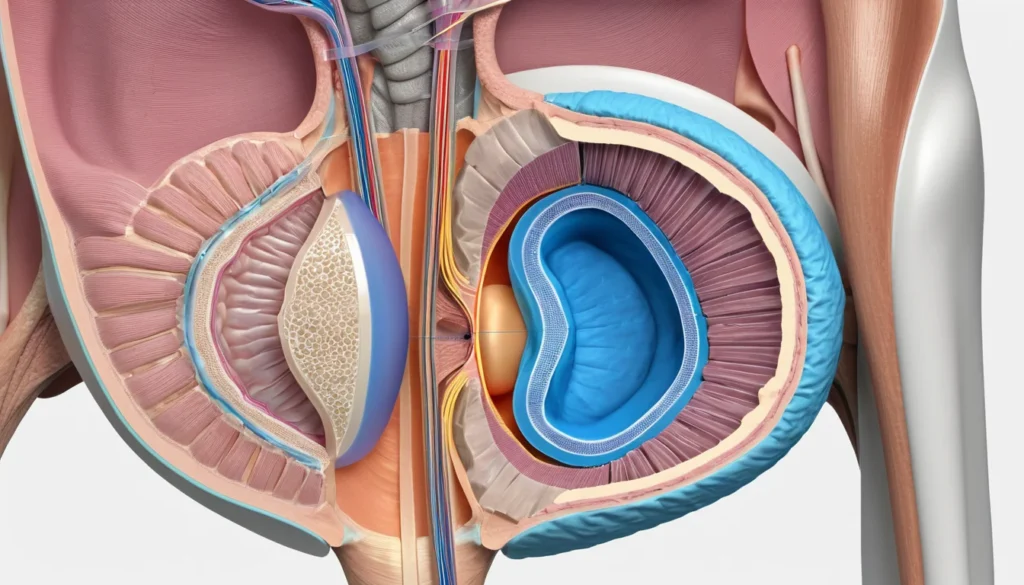
Solid silicone implants are surgically inserted into the buttocks through a small incision. This is a more structured approach than fat transfer alone. The implants are placed within or under the gluteal muscle for stability.
Silicone buttock implants can add a level of volume that fat transfer or injections may not achieve on their own. Research has documented this method as generally safe and effective when performed by a qualified surgeon. Recovery typically takes up to four weeks before patients can return to normal activities.
This procedure is often combined with fat transfer to improve the overall shape and achieve a more natural contour. The two methods work together to enhance both volume and symmetry.
Liposuction for Contouring
Liposuction is not a stand-alone buttock implant procedure, but surgeons often use it alongside other methods. It removes excess fat from specific areas of the buttocks to improve overall shape. This helps create a smoother, more defined contour.
Liposuction is also useful when loose skin or excess fat remains after significant weight loss or natural ageing. In these cases, it helps refine the results of a fat transfer or implant procedure. Your surgeon will recommend whether liposuction makes sense as part of your treatment plan.
Are Buttock Implants Safe?
Patient satisfaction rates for gluteal augmentation surgery are generally high. However, no surgery is without risk, and buttock implants are no exception. It is important to understand the potential complications before moving forward.
According to Healthline’s overview of buttock augmentation, common side effects and risks include:
Excessive bleeding after surgery
Pain and discomfort during recovery
Scarring at the incision site
Skin discolouration
Infection
Fluid or blood collecting near the implant
Allergic reactions to anaesthesia or implant materials
Nausea and vomiting after anaesthesia
In addition, silicone implants can shift or move out of position over time. This can create an uneven or asymmetrical appearance. Correcting this requires additional surgery, more recovery time, and added cost.
Fat transfer procedures carry their own risks as well. The body may absorb a portion of the transferred fat unevenly, leading to asymmetry. Follow-up procedures are sometimes necessary to correct the results.
Hydrogel and liquid silicone injections carry the highest risk of all the options. These can cause severe infections, scarring, permanent deformity, stroke, and in the worst cases, death. Health authorities and surgeons consistently advise against unregulated injection procedures.
How Long Do Results Last?
Surgical buttock implants are generally considered a permanent procedure. However, it can take between three and six months to see the full results. During this time, swelling reduces and the tissues settle into their final position.
Over time, additional surgery may be needed to maintain the results — especially if implants shift or break down. Fat transfer results can also change with significant weight gain or loss. Patients should have a realistic understanding of what to expect over the long term.
Sculptra and filler injections are not permanent. These treatments require periodic touch-ups to maintain their effect. Your surgeon or cosmetic physician will advise you on the recommended maintenance schedule.
Who Is a Good Candidate for Buttock Implants?
Buttock implants are not suitable for everyone. A qualified plastic surgeon will assess your health, body type, and goals before recommending any procedure. That said, there are some common reasons people pursue gluteal augmentation:
Significant weight loss has left the buttocks flat or shapeless
The natural shape of the buttocks is flat or lacks definition
Ageing has caused a loss of volume and firmness
The patient wants to improve overall body proportions
Good candidates are generally in good overall health, non-smokers, and have realistic expectations. Surgeons strongly recommend stopping smoking before and after any surgical procedure. Smoking slows healing and significantly increases the risk of complications.
Cost is also a major consideration. Buttock implant procedures are not covered by provincial health insurance plans in Canada. Prices vary widely depending on the type of procedure, the surgeon’s experience, and the facility. Patients should ask for a detailed cost breakdown that includes surgeon fees, anaesthesia, facility costs, and follow-up care.
When to See a Doctor
If you are thinking about buttock implants, the first step is to speak with a qualified medical professional. Your family doctor is a great starting point. They can review your health history and refer you to a board-certified plastic surgeon if appropriate.
If you do not have a family doctor, a walk-in clinic can also provide an initial consultation and guidance. It is important not to rush into any cosmetic procedure without getting proper medical advice first.
After surgery, contact your doctor or surgeon right away if you notice signs of infection, unusual swelling, severe pain, or any sudden changes near the implant site. Early treatment of complications leads to much better outcomes. Health Canada also provides resources on regulated medical devices and patient safety that can help you make informed decisions.
Always consult a licensed medical professional before pursuing any surgical or cosmetic procedure. This article is for general informational purposes only and does not replace personalised medical advice.
Frequently Asked Questions About Buttock Implants
How much do buttock implants cost in Canada?
The cost of buttock implants in Canada varies depending on the type of procedure, the surgeon’s experience, and the clinic’s location. Surgical options like silicone implants or a Brazilian butt lift typically range from $8,000 to $15,000 or more, including anaesthesia and facility fees. These procedures are not covered by provincial health plans, so patients pay out of pocket.
How long is the recovery time after buttock implants?
Recovery after buttock implants typically takes up to four weeks before patients can return to light daily activities. Strenuous exercise and prolonged sitting may need to be avoided for six to eight weeks. Full results from buttock implants can take three to six months to appear as swelling subsides.
What is the difference between buttock implants and a Brazilian butt lift?
Buttock implants use solid silicone devices inserted surgically into the gluteal area, while a Brazilian butt lift uses your own fat, transferred from another part of your body. Both procedures aim to add volume and improve shape, but they differ in technique, recovery, and final results. Some surgeons combine both methods for a more natural and dramatic outcome.
Are buttock implants permanent?
Surgical buttock implants are generally considered long-lasting or permanent, but they may require revision surgery over time if the implants shift or deteriorate. Fat transfer results can also change with body weight fluctuations. Injectable options like Sculptra are not permanent and require maintenance treatments.
What are the most serious risks of buttock implants?
The most serious risks of buttock implants include infection, implant displacement, and complications from anaesthesia. Unregulated hydrogel or liquid silicone injections carry even greater dangers, including stroke and death. Choosing a board-certified plastic surgeon and an accredited facility significantly reduces the risk of serious complications.
Is gluteal augmentation covered by provincial health insurance in Canada?
No, gluteal augmentation and buttock implants are considered elective cosmetic procedures and are not covered by any provincial health insurance plan in Canada. Patients are responsible for the full cost, including surgeon fees, anaesthesia, and post-operative care. Some private financing options may be available through cosmetic surgery clinics.
Key Takeaways
Buttock implants include several different procedures: silicone implants, fat transfer (Brazilian butt lift), Sculptra injections, and liposuction-assisted contouring.
Each method carries its own risks, recovery timeline, and cost.
Hydrogel and liquid silicone injections are the most dangerous option and are not recommended by medical professionals.
Surgical buttock implants are generally considered safe when performed by a qualified, board-certified plastic surgeon.
Results from surgical procedures can take three to six months to fully appear.
These procedures are not covered by provincial health plans in Canada — patients pay the full cost privately.
Always speak with your family doctor or a walk-in clinic before pursuing any cosmetic surgery.
Consult a licensed medical professional for advice tailored to your personal health needs.