Burkitt lymphoma is a rare but fast-growing type of non-Hodgkin lymphoma that mainly affects children. It is one of the most aggressive cancers known, but with modern treatment, many children can be cured. This article explains what Burkitt lymphoma is, what causes it, how it is diagnosed, and what treatment looks like for Canadian families.
What Is Burkitt Lymphoma?
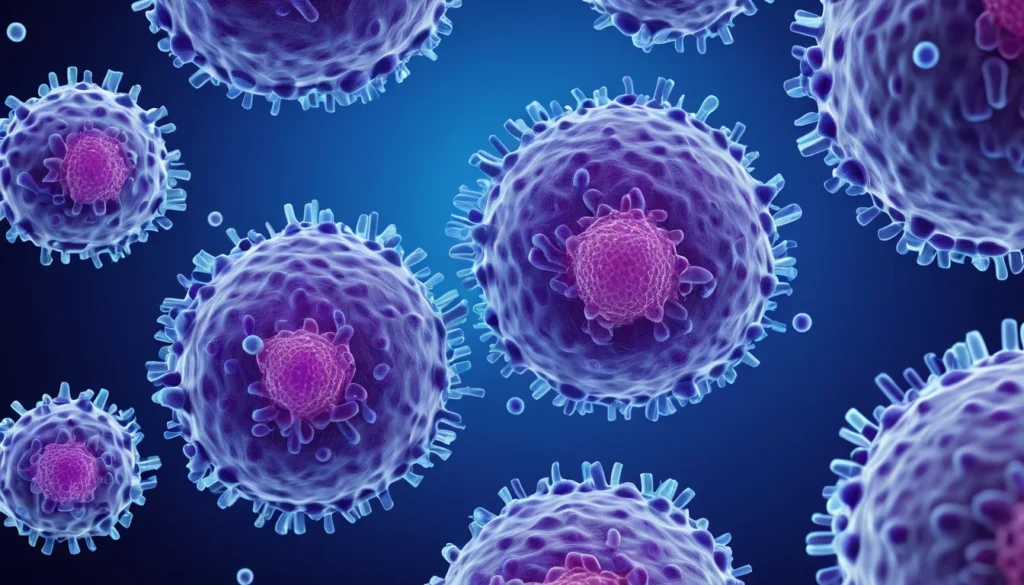
Burkitt lymphoma is a malignant tumour that starts in the lymph nodes. It is classified as a type of non-Hodgkin lymphoma, meaning it affects the white blood cells called B lymphocytes. These are a key part of the immune system.
This cancer grows extremely quickly. Without treatment, it can spread to other parts of the body within weeks. However, with prompt and aggressive treatment, the outlook for many patients is surprisingly good.
There are three main forms of Burkitt lymphoma. The most well-known is the African form, also called endemic Burkitt lymphoma. The second is the sporadic form, which is the type seen in Canada, the United States, and Europe. The third is an immunodeficiency-related form, often linked to HIV infection.
How Common Is Burkitt Lymphoma in Canada?
In Canada, Burkitt lymphoma is considered rare. It accounts for roughly half of all childhood lymphomas in North America, even though lymphoma itself is not very common in children. Adults can also develop Burkitt lymphoma, but it is far less common in adults than in children.
In tropical Africa, this cancer is far more common. It is actually the most frequent childhood cancer in that region. The reasons for this difference come down to specific environmental and infectious factors, which we explain below.
What Causes Burkitt Lymphoma?
The exact cause of Burkitt lymphoma involves a combination of infections, immune system activity, and genetic changes. Researchers believe it does not have a single cause. Instead, several factors work together over time.
In the African form, scientists have identified a clear pattern. First, a child is infected with the Epstein-Barr virus (EBV). This is the same virus responsible for infectious mononucleosis, or “mono.” Most children in sub-Saharan Africa are exposed to EBV very early in life, often from their mother.
After EBV infection, repeated exposure to malaria — specifically Plasmodium falciparum malaria — seems to overstimulate the immune system. In particular, it overstimulates B lymphocytes. As a result, certain genetic accidents become more likely.
The Role of Genetic Changes
In almost all cases of Burkitt lymphoma, a specific genetic change occurs. Chromosomes 8 and 14 swap pieces of their genetic material with each other. This is called a chromosomal translocation.
This swap activates a gene called MYC. When MYC is switched on in the wrong place, it causes B cells to multiply uncontrollably. That uncontrolled growth is what forms the tumour.
In the sporadic form seen in Canada, the Epstein-Barr virus is present in only about 15 to 20 percent of cases. The chromosomal translocation involving chromosomes 8 and 14 is still present, but the triggering events are less well understood. For more on how cancer-related genetic changes occur, visit the World Health Organization’s cancer fact sheet.
Recognising the Symptoms of Burkitt Lymphoma
The symptoms of Burkitt lymphoma depend on which form a person has. Because the tumour grows so fast, symptoms often appear and worsen very quickly. Parents are often alarmed by how rapidly their child becomes unwell.
In the African (endemic) form, the most common sign is swelling of the jaw or face. A large, painless lump appears near the jawbone, often affecting the teeth and surrounding tissues. This is one of the most recognisable features of this form.
In the sporadic form seen in Canada, the tumour more often starts in the abdomen or the tonsils. Abdominal tumours can cause bloating, pain, nausea, and changes in bowel habits. Tonsillar involvement may look like a very swollen tonsil on one side of the throat.
Signs That the Cancer Has Spread
Because Burkitt lymphoma grows so rapidly, it can spread to other parts of the body within a short time. Parents and caregivers should watch for the following warning signs:
Rapidly growing lump in the neck, jaw, abdomen, or groin
Unexplained weight loss or loss of appetite
Persistent fever or night sweats
Extreme tiredness that does not improve with rest
Bone pain or back pain
Swollen lymph nodes in the neck, armpits, or groin
Neurological symptoms such as weakness, numbness, or difficulty walking
Furthermore, if the cancer spreads to the bone marrow or bloodstream, it can behave like acute leukaemia. This means the blood’s ability to fight infection, carry oxygen, and clot properly can all be affected.
If you or your child develops any of these symptoms — especially a rapidly growing lump — contact your family doctor or visit a walk-in clinic right away. Do not wait to see if it gets better on its own.
How Is Burkitt Lymphoma Diagnosed?
Diagnosing Burkitt lymphoma requires a biopsy. This is the only reliable way to confirm the diagnosis. During a biopsy, a small piece of tumour tissue is removed and examined under a microscope by a specialist called a pathologist.
Under the microscope, Burkitt lymphoma has a very distinctive appearance. Pathologists often describe it as a “starry sky” pattern, caused by the way immune cells are scattered among the rapidly dividing cancer cells.
Other Diagnostic Tests
In addition to a biopsy, doctors will order several other tests to understand the full extent of the disease. These tests help determine what stage the cancer is at and guide treatment decisions.
Common tests include:
Blood tests — to check blood cell counts and organ function
Bone marrow biopsy — to check if cancer has spread to the bone marrow
CT scan or MRI — to find tumours throughout the body
Lumbar puncture (spinal tap) — to check if cancer cells are present in the spinal fluid
Chromosome analysis — to confirm the MYC gene translocation
In Canada, these tests are typically coordinated through a paediatric oncology team at a children’s hospital. Provincial health plans generally cover these diagnostic tests, so families should not face out-of-pocket costs for them. However, it is always wise to confirm coverage with your provincial health authority.
Treatment for Burkitt Lymphoma
Burkitt lymphoma is treated with intensive chemotherapy. Because the cancer grows so quickly, treatment must start as soon as possible after diagnosis. Fortunately, Burkitt lymphoma responds well to chemotherapy, making it one of the more treatable aggressive cancers.
Treatment typically lasts five to six months. Chemotherapy drugs are given intravenously — that is, directly into a vein — in cycles. Multiple different anti-cancer drugs are used together. This combination approach is more effective than using a single drug.
Protecting the Nervous System
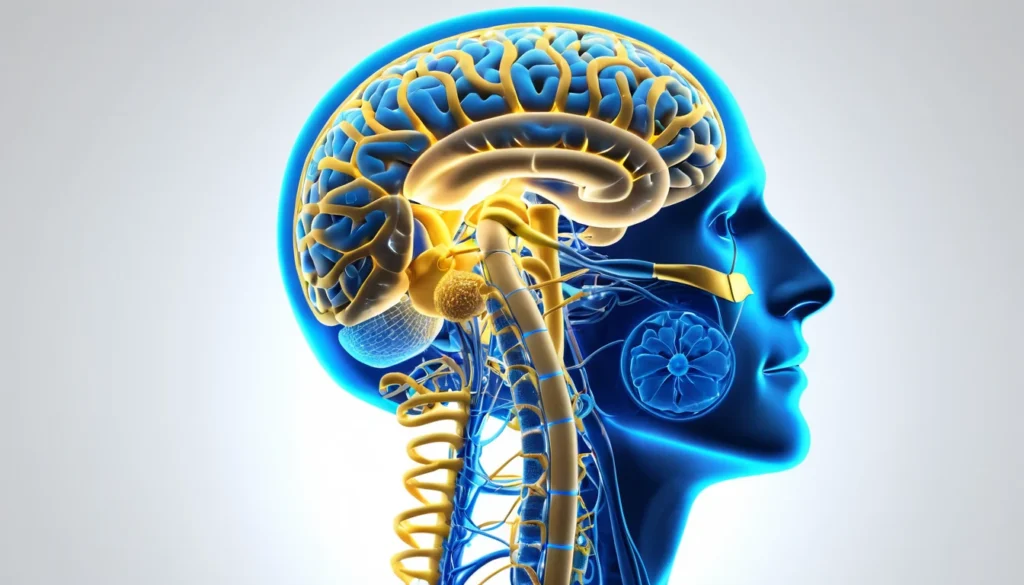
Because Burkitt lymphoma can spread to the central nervous system (the brain and spinal cord), treatment specifically targets this area as well. Doctors administer chemotherapy directly into the spinal fluid through a procedure called a lumbar puncture, also known as a spinal tap.
This step is done both to treat any cancer already in the nervous system and to prevent it from spreading there in the first place. In some cases, radiation therapy to the brain may also be used, although this is less common in modern treatment protocols.
Outcomes and Survival Rates
The outlook for Burkitt lymphoma has improved dramatically over the past few decades. Modern chemotherapy protocols now cure the majority of patients with localised disease. Even for patients with advanced or widespread disease, more than half achieve long-term remission.
A patient is generally considered cured if there is no relapse — meaning the cancer does not come back — within one year of completing treatment. This one-year mark is an important milestone for patients and families.
However, treatment is demanding. It requires repeated hospital stays, sometimes for extended periods. Families need strong support systems during this time. Many children’s hospitals in Canada offer psychosocial support, social workers, and family counselling as part of the care programme.
Treatment If the Cancer Returns
If Burkitt lymphoma relapses — that is, if it comes back after treatment — doctors use a second round of chemotherapy. This is followed by an autologous stem cell transplant, sometimes called a bone marrow transplant. In this procedure, the patient’s own stem cells are collected, the body is treated with very high-dose chemotherapy, and then the stem cells are returned to rebuild the bone marrow.
Relapse is a serious situation, but it is not always fatal. Outcomes for relapsed Burkitt lymphoma have also improved in recent years. You can read more about lymphoma treatment approaches at the Mayo Clinic’s non-Hodgkin lymphoma resource page.
When to See a Doctor
If you notice a lump growing quickly anywhere on your child’s body — especially in the jaw, neck, or abdomen — see a doctor right away. Speed matters with Burkitt lymphoma. The faster treatment begins, the better the chances of a good outcome.
You do not need a referral to start this process. Visit your family doctor or head to a walk-in clinic if your regular doctor is unavailable. Describe the symptoms clearly and mention when the lump first appeared and how quickly it has grown.
Your family doctor will likely refer you to a specialist — usually a paediatric oncologist or haematologist — if Burkitt lymphoma is suspected. In Canada, most provincial health plans cover specialist referrals. Do not delay because of concerns about cost.
Adults who develop unexplained swollen lymph nodes, abdominal masses, or symptoms of acute leukaemia should also seek prompt medical attention. While Burkitt lymphoma is rare in adults, it does occur and requires the same urgency in diagnosis and treatment.
As always, the information in this article is for general educational purposes only. Please speak with your doctor or a qualified healthcare provider for advice specific to your situation. For general guidance on cancer warning signs, Health Canada offers reliable health information for Canadians.
Frequently Asked Questions About Burkitt Lymphoma
Is Burkitt lymphoma curable?
Yes, Burkitt lymphoma is often curable, especially when caught early. Modern chemotherapy can cure the majority of patients with localised disease, and more than half of patients with advanced Burkitt lymphoma achieve long-term remission. Treatment must begin quickly because this cancer grows very fast.
What are the first signs of Burkitt lymphoma?
The first signs of Burkitt lymphoma often include a rapidly growing, painless lump — most commonly in the jaw (in the African form) or the abdomen and tonsils (in the form seen in Canada). Other early signs include unexplained weight loss, fever, and night sweats. Because the tumour grows so quickly, symptoms can worsen within days.
What causes Burkitt lymphoma?
Burkitt lymphoma is caused by a combination of viral infections, immune system overstimulation, and a specific genetic change involving chromosomes 8 and 14. In Africa, the Epstein-Barr virus and repeated malaria infections play a major role. In Canada, the chromosomal change is still present, but the triggering factors are less clearly understood.
How is Burkitt lymphoma different from other lymphomas?
Burkitt lymphoma is one of the fastest-growing cancers known to medicine, which sets it apart from most other lymphomas. It also has a very specific genetic feature — a translocation between chromosomes 8 and 14 — that activates the MYC gene. Despite its aggressiveness, Burkitt lymphoma responds well to chemotherapy compared to many other aggressive cancers.
How long does treatment for Burkitt lymphoma take?
Treatment for Burkitt lymphoma typically lasts five to six months. Chemotherapy is given in cycles through an intravenous line, and additional chemotherapy is often delivered directly into the spinal fluid. The process involves multiple hospital admissions, some of which can be lengthy.
Can adults get Burkitt lymphoma?
Yes, adults can develop Burkitt lymphoma, though it is far more common in children. In adults, it is sometimes associated with HIV infection or other conditions that weaken the immune system. Adults with Burkitt lymphoma are treated with the same intensive chemotherapy approach used in children.
Key Takeaways
Burkitt lymphoma is a fast-growing, non-Hodgkin lymphoma that mainly affects children. In Canada, it is rare but accounts for roughly half of all childhood lymphomas. It is caused by a specific genetic change (chromosomal translocation) often triggered by viral infections. The main symptoms include a rapidly growing lump in the jaw, abdomen, or tonsils. Diagnosis requires a biopsy; other tests check how far the cancer has spread. Treatment involves intensive chemotherapy over five to six months, including treatment to protect the nervous system.