Bulimia nervosa is a serious eating disorder that affects thousands of Canadians every year. It involves repeated cycles of binge eating followed by behaviours meant to “undo” that eating — such as purging, excessive exercise, or fasting. Unlike what many people picture, someone living with bulimia nervosa may look completely healthy on the outside. That is what makes it so difficult to spot — and so important to understand.
What Is Bulimia Nervosa?
Bulimia nervosa is both a psychological condition and a chronic illness. It is not simply about food. At its core, it is about emotions — feelings of shame, anxiety, or loss of control that get tangled up with eating habits.
A person with bulimia nervosa may be at a normal weight, slightly above, or even underweight. This surprises many people. However, weight alone tells us very little about what is happening on the inside. The disorder drives mood changes such as irritability, depression, and anxiety, all closely tied to how a person feels about their own body.
How Common Is Bulimia Nervosa in Canada?
Bulimia nervosa is far more common in women than in men. Studies show a ratio of roughly 10 women to every 1 man diagnosed. However, it can affect anyone, regardless of gender, background, or age.
The disorder most often appears during late adolescence and early adulthood. In rarer cases, children as young as 8 to 10 years old are affected. According to Health Canada, eating disorders are among the most serious mental health conditions affecting young Canadians today.
Furthermore, bulimia nervosa is often hidden. Unlike anorexia, where weight loss may be visible, a person with bulimia nervosa typically goes to great lengths to conceal their behaviour. This makes early detection especially challenging, particularly during the teenage years.
What Causes Bulimia Nervosa?
No single cause explains bulimia nervosa. Instead, several factors can combine to increase a person’s risk.
Family History
People with a close relative — a parent or sibling — who has had an eating disorder are at higher risk. This suggests both genetic and learned behavioural components may play a role.
Personality and Mental Health
Certain personality traits, such as perfectionism, are linked to a higher risk. In addition, conditions like depression and anxiety are commonly found alongside bulimia nervosa. These emotional struggles often come before the eating disorder develops, not after.
Media and Social Pressure
Images of so-called “ideal” body types in media and on social platforms can be deeply harmful. Health researchers strongly recommend limiting social media exposure for children and teens. The pressure to look a certain way can fuel distorted thinking about food and body image.
Stressful Life Events
Major changes — such as moving to a new city, losing a loved one, or going through a family breakdown — can trigger or worsen the disorder. For many people, binge eating becomes a way to cope with overwhelming feelings.
Recognising the Warning Signs of Bulimia Nervosa
Because people with bulimia nervosa work hard to hide their behaviour, the warning signs can be subtle. Knowing what to look for can help you support a friend, child, or family member before the disorder causes serious harm.
According to the Mayo Clinic’s guide on bulimia nervosa, common warning signs include:
Frequent talk about weight or body image — expressing fear of gaining weight, or repeatedly criticising certain body parts such as the stomach, hips, or legs.
Avoiding eating in public — turning down invitations to restaurants, picnics, or celebrations where food is involved.
Going to the bathroom during or right after meals — and spending an unusually long time there.
Avoiding certain foods between episodes — but consuming large quantities of those same foods during a binge.
Cuts, calluses, or scars on the knuckles or hands — caused by self-induced vomiting.
Dental problems — including worn enamel, swollen gums, or frequent cavities from stomach acid.
Social withdrawal — pulling away from friends and family, especially around mealtimes.
How Is Bulimia Nervosa Diagnosed?
A formal diagnosis of bulimia nervosa is made by a qualified healthcare provider. There are specific clinical criteria used to guide that diagnosis.
For a diagnosis to be confirmed, binge eating episodes must occur at least twice a week over a period of three months. These episodes must be followed by compensatory behaviours — actions meant to prevent weight gain. In addition, the person’s self-worth must be heavily influenced by their body shape or weight.
Types of Bulimia Nervosa
There are two recognised types of bulimia nervosa:
Purging type: The person uses self-induced vomiting, laxatives, or diuretics after a binge. This is the most common type, accounting for 80 to 90% of cases.
Non-purging type: The person uses excessive exercise or fasting instead. This type represents about 8% of cases.
Levels of Severity
Severity is measured by how often compensatory behaviours occur each week:
Mild: 1 to 3 episodes per week
Moderate: 4 to 7 episodes per week
Severe: 8 to 13 episodes per week
Extreme: 14 or more episodes per week
Health Effects of Bulimia Nervosa
Bulimia nervosa takes a serious toll on the body. The effects grow worse as the disorder progresses. No type of bulimia nervosa is “safe” — every form disrupts the body’s natural balance.
Common physical effects include:
Tooth decay and gum disease — stomach acid erodes tooth enamel over time.
Bad breath — a result of repeated exposure to stomach acid in the mouth.
Hair loss — caused by poor nutrition and vitamin deficiencies.
Severe dehydration — which can lead to dangerous imbalances in electrolytes such as potassium and sodium.
Heart problems — electrolyte imbalances can disrupt heart rhythm, which can be life-threatening.
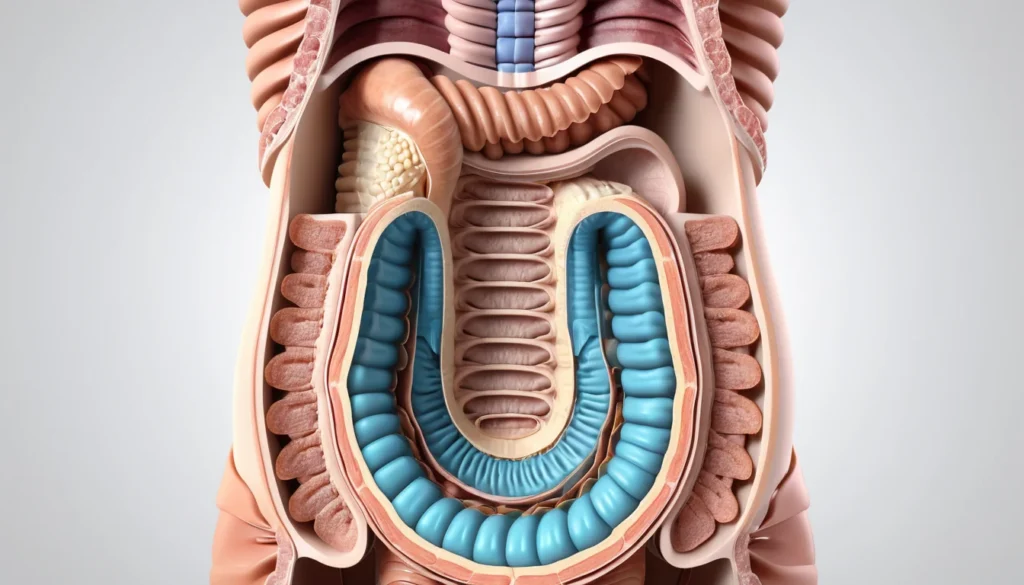
Digestive issues — including bloating, constipation, and damage to the oesophagus.
Hormonal disruption — affecting menstrual cycles and long-term fertility.
As the World Health Organization notes on eating disorders, these conditions carry one of the highest mortality rates among all mental health disorders. Early treatment truly saves lives.
When to See a Doctor
If you recognise any of the warning signs above — in yourself or someone you care about — please reach out for help. You do not need to wait until things get worse.
In Canada, your first step can be as simple as booking an appointment with your family doctor. If you do not have a family doctor, a walk-in clinic can provide an initial assessment and referral. Many provincial health plans cover mental health services, including treatment for eating disorders. Ask your doctor or clinic about what is available in your province.
Early treatment leads to much better outcomes. Treatment for bulimia nervosa usually involves a combination of therapy — especially cognitive behavioural therapy (CBT) — nutritional counselling, and sometimes medication. Your healthcare provider can build a plan that works for your situation.
If you or someone you know is in crisis, contact the National Eating Disorder Information Centre (NEDIC) at 1-866-NEDIC-20. They offer support and referrals across Canada.
Frequently Asked Questions About Bulimia Nervosa
Can you have bulimia nervosa and still be a normal weight?
Yes. Many people with bulimia nervosa appear to be at a perfectly normal or even healthy weight. This is one reason why bulimia nervosa is so often missed. The disorder is rooted in psychology, not just body size.
Is bulimia nervosa covered by provincial health plans in Canada?
Treatment for bulimia nervosa, including therapy and medical care, is often covered under provincial health plans, though coverage varies by province. Talk to your family doctor or a walk-in clinic to find out what services are available to you. A referral to a specialist or eating disorder programme may be provided at no cost.
What is the difference between bulimia nervosa and binge eating disorder?
Both bulimia nervosa and binge eating disorder involve episodes of eating very large amounts of food. However, bulimia nervosa also includes compensatory behaviours such as purging, fasting, or excessive exercise after a binge. Binge eating disorder does not include these compensatory steps.
How is bulimia nervosa treated in Canada?
The most effective treatment for bulimia nervosa typically combines cognitive behavioural therapy (CBT), nutritional counselling, and medical monitoring. Some people also benefit from antidepressant medication. Your family doctor can refer you to a mental health professional or an eating disorder programme in your area.
Can bulimia nervosa affect men and boys?
Yes, bulimia nervosa can affect men and boys, although it is diagnosed far less often in males. Some experts believe the numbers are underreported because men are less likely to seek help for eating disorders. If you are concerned about a male friend or family member, the same warning signs apply.
At what age does bulimia nervosa most commonly start?
Bulimia nervosa most often begins during late adolescence or early adulthood, typically between the ages of 15 and 25. However, it can develop in children as young as 8 and in older adults as well. Early intervention at any age leads to significantly better recovery outcomes.
Key Takeaways
Bulimia nervosa is a serious, chronic eating disorder with both psychological and physical effects.
A person with bulimia nervosa can be any weight — it is not always visible from the outside.
It most commonly affects women and teens, but it can develop in anyone.
Warning signs include avoiding meals in public, frequent bathroom trips after eating, dental problems, and negative body talk.
Causes include family history, personality traits, emotional health, media pressure, and stressful life events.
Treatment works best when started early and usually involves therapy, nutritional support, and medical care.
If you are concerned, speak to your family doctor or visit a walk-in clinic. Many provincial health plans cover eating disorder treatment.
This article is for general information only. Always consult a qualified healthcare provider for advice about your specific situation.