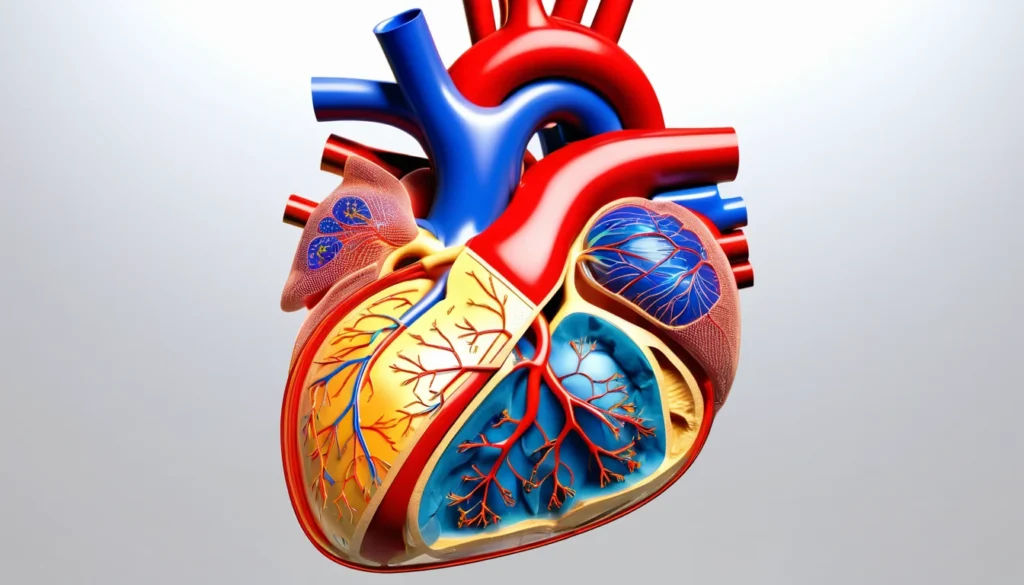
Brugada syndrome is a rare but potentially life-threatening heart condition that affects the heart’s electrical system. It can cause dangerous irregular heartbeats that may lead to fainting or sudden cardiac arrest. Many people with Brugada syndrome have no symptoms at all, which makes it especially important to understand the risk factors and warning signs. In this article, we explain what Brugada syndrome is, how it is diagnosed, and what treatment options are available for Canadians.
What Is Brugada Syndrome?
Brugada syndrome is a type of heart arrhythmia — an abnormal heart rhythm. It affects tiny structures in the heart called ion channels. These channels control the electrical signals that make your heart beat in a regular, orderly way.
When these channels are defective, the heart’s electrical activity becomes disrupted. This can cause the heart to beat in a dangerously abnormal pattern. In serious cases, the heart may stop pumping blood effectively, leading to fainting or cardiac arrest.
Brugada syndrome is most often inherited, meaning it is passed down through families. However, it can also be triggered by certain medications or recreational drugs such as cocaine. Doctors usually diagnose the condition during adolescence, though it can occasionally appear in childhood.
Because Brugada syndrome is a relatively recent medical discovery, researchers are still working to fully understand it. You can learn more about heart rhythm disorders from Health Canada’s cardiovascular health resources.
Recognising the Symptoms of Brugada Syndrome
One of the most challenging things about Brugada syndrome is that many people have no noticeable symptoms. As a result, the condition often goes undiagnosed for years. The only definitive sign is an abnormal pattern on an electrocardiogram (ECG), known as the Brugada sign.
An ECG is a simple, painless test that records the electrical activity of your heart. The Brugada sign cannot be felt by the patient — it can only be detected using medical equipment. Interestingly, some people may have Brugada syndrome even without showing the Brugada sign on their ECG.
Common Symptoms to Watch For
When symptoms do occur, they can be serious. The most common symptoms of Brugada syndrome include:
Fainting (syncope): A sudden loss of consciousness, often without warning
Heart palpitations: A feeling that your heart is racing, fluttering, or beating irregularly
Cardiac arrest: The heart suddenly stops beating effectively
These symptoms can look very similar to other heart conditions. Therefore, only a cardiologist — a heart specialist — can properly distinguish Brugada syndrome from other cardiac disorders. If you experience any of these symptoms, do not ignore them.
What Causes Brugada Syndrome?
Every heartbeat starts with an electrical impulse generated by specialised cells in the upper right chamber of the heart. Tiny structures called ion channels sit on the surface of these cells. Their job is to direct electrical activity so the heart beats in a normal, organised sequence.
In Brugada syndrome, a structural defect in these ion channels disrupts the heart’s electrical activity. This causes abnormal heartbeats. During these episodes, the heart cannot pump blood efficiently. As a result, a person may faint, experience palpitations, or suffer a life-threatening cardiac arrest.
Genetic and Other Causes
Brugada syndrome is most commonly caused by a genetic mutation that is passed down through families. If a parent carries the gene, their child has a 50% chance of inheriting it. However, not everyone who carries the gene will develop symptoms.
In addition to genetics, the condition can also be triggered by:
Certain prescription medications, including some used for depression or irregular heartbeat
Recreational drugs, particularly cocaine
High fever, which can worsen existing electrical problems in the heart
Electrolyte imbalances, such as low sodium or potassium levels
For a deeper look at arrhythmia causes, the Mayo Clinic provides detailed information on Brugada syndrome.
Risk Factors for Brugada Syndrome
Certain groups of people are more likely to develop Brugada syndrome. Understanding your personal risk can help you take the right steps to protect your heart health.
Key Risk Factors
Family history: If a close relative — a parent, sibling, or child — has been diagnosed with Brugada syndrome, your own risk is significantly higher. Genetic testing may be recommended.
Sex: Adult men are diagnosed with Brugada syndrome far more often than adult women. However, in children and teenagers, the condition appears equally in both sexes.
Ethnicity: Brugada syndrome occurs more frequently in people of Asian descent, particularly those with Southeast Asian backgrounds.
Fever: A high fever does not cause Brugada syndrome, but it can trigger dangerous complications such as fainting or cardiac arrest in people who already have the condition. This is especially relevant for parents monitoring children with the syndrome.
Furthermore, if you are taking medications that affect sodium ion channels in the heart, speak with your doctor. Some common drugs can unmask or worsen Brugada syndrome in people who are genetically predisposed.
Complications of Brugada Syndrome
The most serious complication of Brugada syndrome is sudden cardiac arrest. This happens when the heart abruptly stops beating effectively. The lungs and heart both stop functioning. Without immediate help, this is fatal.
Sudden cardiac arrest is a medical emergency. If someone near you collapses and is unresponsive, call 911 immediately. Begin cardiopulmonary resuscitation (CPR) right away. Even performing firm, rapid chest compressions can significantly improve survival until emergency responders arrive.
Sudden fainting is another serious complication. Unlike ordinary dizziness, syncope caused by Brugada syndrome happens without warning and requires urgent medical evaluation. Repeated fainting episodes should never be dismissed as minor.
How Is Brugada Syndrome Diagnosed?
Diagnosing Brugada syndrome usually requires more than one medical appointment. Your doctor will review your personal and family medical history carefully. They will also order an ECG to look for the characteristic Brugada sign.
In some cases, a standard ECG may appear normal. Your cardiologist may then use a sodium-blocking medication to provoke the Brugada pattern on the ECG. This is done safely in a controlled hospital setting.
Additional Tests
Your specialist may also recommend:
Electrophysiology study (EPS): A more detailed test of the heart’s electrical system, performed in hospital. If you are scheduled for this test, you may need to fast for up to 12 hours beforehand — confirm this when booking your appointment.
Genetic testing: A blood test to check for the gene mutation linked to Brugada syndrome, particularly useful if a family member has already been diagnosed.
Holter monitor: A portable ECG device you wear for 24 to 48 hours to record your heart rhythm during daily activities.
Bring a complete list of all medications and supplements you take to every appointment. This helps your doctor identify any drugs that may be triggering or worsening your symptoms.
Treatment Options for Brugada Syndrome
There is currently no cure for Brugada syndrome. However, treatment can effectively manage the condition and reduce the risk of life-threatening complications.
Implantable Cardioverter-Defibrillator (ICD)
The most common and effective treatment for Brugada syndrome is an implantable cardioverter-defibrillator, or ICD. This is a small device surgically placed under the skin near the heart. It continuously monitors your heart rhythm. If it detects a dangerous arrhythmia, it delivers an electric shock to restore a normal heartbeat.
An ICD is typically recommended for people who have already experienced cardiac arrest or who have frequent fainting episodes. Your cardiologist will discuss whether an ICD is right for your situation.
Medication and Lifestyle Adjustments
Some medications, such as quinidine, may help stabilise the heart’s electrical activity in certain patients. However, medication alone is not considered a reliable stand-alone treatment for Brugada syndrome.
In addition to medical treatment, people with Brugada syndrome are generally advised to:
Avoid medications known to worsen the condition (ask your doctor or pharmacist for an updated list)
Treat fevers promptly with fever-reducing medication
Avoid excessive alcohol consumption
Inform all healthcare providers — including dentists and pharmacists — of their diagnosis
Because research into Brugada syndrome is ongoing, treatment guidelines continue to evolve. The Healthline overview of Brugada syndrome offers additional detail on current management approaches.
When to See a Doctor About Brugada Syndrome
You should contact your family doctor or visit a walk-in clinic if you experience unexplained fainting, a racing or fluttering heartbeat, or any episode of losing consciousness. These symptoms always deserve prompt medical attention.
Your family doctor can order a baseline ECG and refer you to a cardiologist if needed. Most provincial health plans in Canada cover ECGs and specialist referrals when ordered by a primary care provider.
You should also speak to a doctor if:
A parent, sibling, or child has been diagnosed with Brugada syndrome
You have a personal history of unexplained fainting or palpitations
A close family member has died suddenly from an unexplained cardiac event
If someone in your home collapses suddenly and is unresponsive, call 911 immediately and begin CPR. Every second counts in a cardiac emergency. As always, speak with your doctor before making any decisions about your heart health — this article is for informational purposes only and does not replace professional medical advice.
Frequently Asked Questions About Brugada Syndrome
Is Brugada syndrome hereditary?
Yes, Brugada syndrome is most often caused by a genetic mutation passed down through families. If a parent carries the gene, each child has approximately a 50% chance of inheriting it. Genetic testing is available in Canada and can help identify family members who may be at risk.
Can Brugada syndrome be cured?
There is currently no cure for Brugada syndrome, but the condition can be effectively managed. The most reliable treatment is an implantable cardioverter-defibrillator (ICD), which can prevent sudden cardiac death by correcting dangerous arrhythmias automatically. Ongoing research continues to explore new treatment options.
How is Brugada syndrome diagnosed in Canada?
Brugada syndrome is diagnosed using an electrocardiogram (ECG), which detects the characteristic abnormal heart rhythm pattern. Your family doctor can refer you to a cardiologist for further testing, including a provocation test or electrophysiology study. Most provincial health plans cover these diagnostic tests when referred by a physician.
What are the warning signs of Brugada syndrome?
Many people with Brugada syndrome have no obvious symptoms. However, warning signs can include unexplained fainting, heart palpitations, and in severe cases, sudden cardiac arrest. Because these symptoms overlap with other heart conditions, a specialist evaluation is essential for an accurate diagnosis.
Does fever make Brugada syndrome worse?
Fever does not cause Brugada syndrome, but it can trigger dangerous complications in people who already have the condition, including fainting and cardiac arrest. People with Brugada syndrome should treat fevers promptly with fever-reducing medications and seek medical attention if a fever is high or persistent.
Who is most at risk for Brugada syndrome?
Adult men are diagnosed with Brugada syndrome significantly more often than women, though the reason for this difference is not fully understood. People of Asian descent, particularly Southeast Asian backgrounds, also have a higher incidence. In addition, anyone with a close family member diagnosed with Brugada syndrome faces an elevated personal risk.
Key Takeaways
Brugada syndrome is a rare, inherited heart condition that affects the electrical system of the heart and can cause life-threatening arrhythmias.
Many people have no symptoms, making family history and ECG screening especially important.
Warning signs include unexplained fainting, palpitations, and sudden cardiac arrest — all of which require urgent medical attention.
The condition is most common in adult men and people of Asian descent, though anyone can be affected.
Fever can trigger dangerous complications in people who already have Brugada syndrome — treat fevers promptly.
The most effective treatment is an implantable cardioverter-defibrillator (ICD), covered under most Canadian provincial health plans when medically indicated.
If a close family member has been diagnosed, talk to your family doctor or a walk-in clinic about getting tested.
Always consult a qualified healthcare provider for personal medical advice — this article is intended for general information only.