Bronchospasm happens when the muscles around your airways suddenly tighten, making it harder to breathe. This squeezing narrows the airways in your lungs, reducing airflow and often causing wheezing or coughing. It can feel frightening, but understanding what causes it — and how to manage it — makes a real difference. This article explains everything everyday Canadians need to know about bronchospasm, from symptoms to treatment options available through your provincial health system.
What Is Bronchospasm?
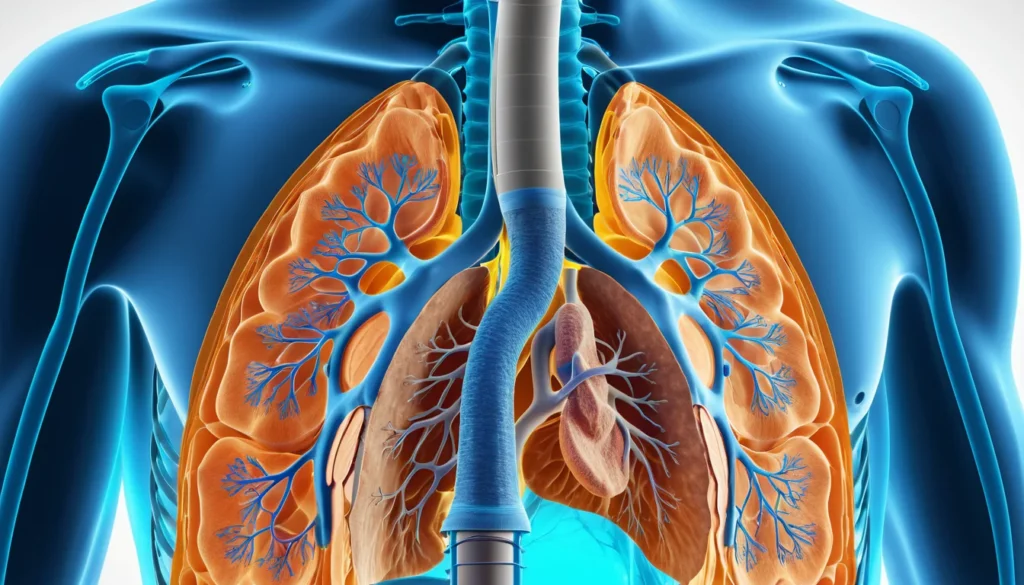
Your lungs contain thousands of airways called bronchi and bronchioles. These tubes carry air in and out of your lungs with every breath you take. Each airway has a thin layer of smooth muscle wrapped around it.
When those muscles contract suddenly and forcefully, the airway becomes narrower. This is called a bronchospasm. Less air can move through a narrowed airway, and your body has to work much harder to breathe.
Think of it like squeezing a garden hose. When you pinch the hose, less water flows through. In the same way, when airways tighten during a bronchospasm, less air reaches your lungs. As a result, you may feel short of breath, hear a whistling sound when you breathe out, or develop a persistent cough.
Bronchospasm is not a disease on its own. Instead, it is a symptom or response triggered by an underlying condition. According to Mayo Clinic, the most common cause is asthma — a chronic condition affecting millions of Canadians.
Common Causes of Bronchospasm
Many different things can trigger a bronchospasm. Some triggers are related to medical conditions, while others come from the environment around you. Knowing your triggers is one of the most powerful tools for managing this condition.
Asthma
Asthma is the leading cause of bronchospasm. In Canada, roughly 3.8 million people live with asthma. During an asthma attack, the immune system overreacts to a trigger, causing airway muscles to tighten quickly. This is the classic bronchospasm most doctors refer to.
If you have asthma and experience frequent bronchospasms, your family doctor can help you build an Asthma Action Plan. This is a written guide that tells you exactly what to do when symptoms get worse.
Chronic Obstructive Pulmonary Disease (COPD)
COPD is another common cause of bronchospasm. It includes conditions like chronic bronchitis and emphysema. People with COPD often experience repeated bronchospasms that make breathing difficult, especially in cold Canadian winters.
Exercise
Some people experience bronchospasm during or after physical activity. This is called exercise-induced bronchospasm (EIB). It is especially common in cold, dry air — conditions that are very familiar to Canadians who exercise outdoors in winter months.
Breathing through your mouth during exercise brings cold air directly into your airways. This can trigger muscle tightening. Wearing a scarf or balaclava over your mouth and nose can help warm the air before it enters your lungs.
Allergies and Environmental Triggers
Allergens like pollen, mould, pet dander, and dust mites are well-known bronchospasm triggers. Air pollution, cigarette smoke, and strong chemical fumes can also cause airway muscles to seize up. Furthermore, viral respiratory infections — like the common cold or flu — frequently trigger bronchospasms, particularly in children.
Medications and Medical Procedures
Certain medications can cause bronchospasm as a side effect. These include some beta-blockers, aspirin, and non-steroidal anti-inflammatory drugs (NSAIDs). In addition, bronchospasm can occur during general anaesthesia or medical procedures that involve inserting a tube into the airway.
Always tell your doctor and pharmacist about any breathing problems you have before starting a new medication.
Recognising the Symptoms of Bronchospasm
Symptoms of bronchospasm can range from mild to severe. They often come on quickly, sometimes within minutes of exposure to a trigger. Recognising them early helps you act fast and prevent the situation from getting worse.
Common Symptoms
Wheezing: A high-pitched whistling sound when you breathe out is one of the most recognisable signs of bronchospasm.
Shortness of breath: You may feel like you cannot get enough air, even at rest.
Chest tightness: Many people describe a feeling of pressure or squeezing across the chest.
Coughing: A dry, persistent cough — especially at night — is a very common symptom.
Laboured breathing: Breathing may feel like hard work, with visible effort from neck or chest muscles.
In mild cases, symptoms may go away on their own within minutes. However, in more serious cases, breathing can become severely restricted. This is a medical emergency and requires immediate attention.
Symptoms in Children
Children may not always describe their symptoms clearly. Instead, they may seem unusually quiet, avoid physical activity, or breathe faster than normal. Watch for a persistent nighttime cough — this is often one of the first signs of airway trouble in kids.
If your child frequently coughs at night or gets winded more easily than other children, speak with your family doctor. Early diagnosis makes a big difference in a child’s quality of life.
How Is Bronchospasm Diagnosed?
Your family doctor will start by asking about your symptoms and medical history. They will listen to your lungs with a stethoscope. During a bronchospasm, doctors often hear a distinct wheezing sound that helps confirm the diagnosis.
Breathing Tests
The most common test used to diagnose bronchospasm is called spirometry. This simple, painless test measures how much air you can blow out and how fast. It helps your doctor assess how well your lungs are working.
Your doctor may also order a peak flow test. This test uses a small handheld device that measures your peak airflow. It is often used at home to monitor asthma and detect early signs of a bronchospasm before symptoms become severe.
Challenge Tests
In some cases, your doctor may use a bronchial challenge test. This involves inhaling a substance that is known to trigger mild airway tightening, in a controlled clinical setting. The test helps confirm a diagnosis of asthma-related bronchospasm when results from other tests are unclear.
For more information on lung function testing, Health Canada provides helpful resources on respiratory health programmes across all provinces.
Treatment Options for Bronchospasm
The good news is that bronchospasm responds well to treatment in most cases. Treatment focuses on quickly relaxing the airway muscles, reducing inflammation, and preventing future episodes. Your doctor will tailor a plan based on the underlying cause.
Short-Acting Bronchodilators (Rescue Inhalers)
The first line of treatment for an acute bronchospasm is a short-acting bronchodilator. The most well-known is salbutamol (also called albuterol), available by prescription across Canada. This medication works within minutes by relaxing the smooth muscles around the airways, opening them up quickly.
These are often called “rescue inhalers” because they provide fast relief during an episode. If you have been prescribed one, always carry it with you.
Inhaled Corticosteroids
For people who experience bronchospasm regularly — especially those with asthma — inhaled corticosteroids are a key long-term treatment. These medications reduce ongoing inflammation in the airways, making them less likely to react strongly to triggers.
They are not rescue medications. Instead, they work over time to reduce the frequency and severity of bronchospasms. Most Canadians with persistent asthma use these daily as part of their management plan.
Long-Acting Bronchodilators
Long-acting bronchodilators keep airway muscles relaxed for 12 hours or more. Doctors often combine them with inhaled corticosteroids for better control. These are particularly useful for people with COPD or moderate-to-severe asthma.
Avoiding Triggers
Medication works best when paired with trigger avoidance. Common strategies include using allergen-proof pillow covers, running an air purifier at home, avoiding outdoor exercise on high air-quality index days, and quitting smoking. Health Canada offers free smoking cessation programmes in many provinces — your family doctor can refer you.
Managing Exercise-Induced Bronchospasm
If exercise triggers your bronchospasm, your doctor may recommend using a rescue inhaler 15 minutes before physical activity. Warming up slowly, breathing through your nose, and choosing indoor exercise during cold weather can also reduce your risk.
For a deeper look at treatment approaches, Healthline’s guide to bronchospasm offers clear and well-researched information.
When to See a Doctor
Many Canadians wonder whether their symptoms are serious enough to seek help. The short answer is: if you are unsure, get checked. Bronchospasm is very treatable — but only if it is properly diagnosed and managed.
See your family doctor if you notice any of the following:
Wheezing or coughing that happens more than twice a week
Breathing problems that wake you up at night
Symptoms that limit your daily activities or exercise
A rescue inhaler that you need to use more than twice a week
Symptoms in your child that seem to be getting worse over time
If you do not have a family doctor, a walk-in clinic is an excellent option. Doctors at walk-in clinics can assess your breathing, prescribe a rescue inhaler, and refer you to a specialist if needed. Most provincial health plans cover these visits.
Go to Emergency Immediately If:
You cannot speak in full sentences due to breathlessness
Your lips or fingertips turn bluish or greyish in colour
Your rescue inhaler is not helping
A child is breathing rapidly and their nostrils are flaring
These are signs of a severe bronchospasm or asthma attack. This is a medical emergency — call 911 or go to your nearest emergency department immediately. Do not wait to see if it improves on its own.
Frequently Asked Questions About Bronchospasm
What does bronchospasm feel like?
Bronchospasm often feels like a sudden tightening in your chest, making it hard to breathe out fully. Many people also notice a whistling or wheezing sound with each breath. Some describe it as breathing through a narrow straw.
Can bronchospasm go away on its own?
Mild bronchospasm can sometimes resolve on its own once the trigger is removed. However, without treatment, symptoms may worsen or return more frequently. It is always best to speak with your family doctor so you have a plan ready if it happens again.
Is bronchospasm the same as an asthma attack?
Bronchospasm is the main physical event that happens during an asthma attack — it is the sudden tightening of the airway muscles. However, bronchospasm can also occur in people who do not have asthma, triggered by exercise, cold air, or infections. Not every bronchospasm is an asthma attack, but every asthma attack involves bronchospasm.
What is the fastest way to relieve bronchospasm?
The fastest way to relieve bronchospasm is to use a short-acting bronchodilator inhaler, commonly called a rescue inhaler. These inhalers contain salbutamol and work within minutes to relax the tightened airway muscles. Your doctor can prescribe one and show you how to use it correctly.
Can cold weather cause bronchospasm?
Yes — cold, dry air is a well-known trigger for bronchospasm, especially in Canada during winter months. Breathing in cold air can irritate and tighten the airways quickly. Covering your mouth and nose with a scarf when outdoors can help reduce this risk significantly.
Is bronchospasm dangerous?
Mild bronchospasm is usually not dangerous when treated promptly with the right medication. However, a severe or prolonged bronchospasm can restrict airflow enough to become life-threatening. Always seek emergency care if your breathing does not improve with your rescue inhaler or if symptoms are severe.
Key Takeaways
Bronchospasm is a sudden tightening of the muscles around your airways that restricts airflow and causes wheezing, coughing, and chest tightness. The most common cause is asthma, but it can also be triggered by exercise, cold air, allergies, infections, and certain medications. Symptoms range from mild wheezing to severe shortness of breath. Recognising them early helps you act quickly. Rescue inhalers (short-acting bronchodilators) are the fastest and most effective immediate treatment. Long-term management includes inhaled corticosteroids, trigger avoidance, and a written action plan developed with your doctor. If you do not have a family doctor, a walk-in clinic can assess you and start treatment — most visits are covered under your provincial health plan. Call 911 or go to the emergency department immediately if symptoms are severe or your rescue inhaler is