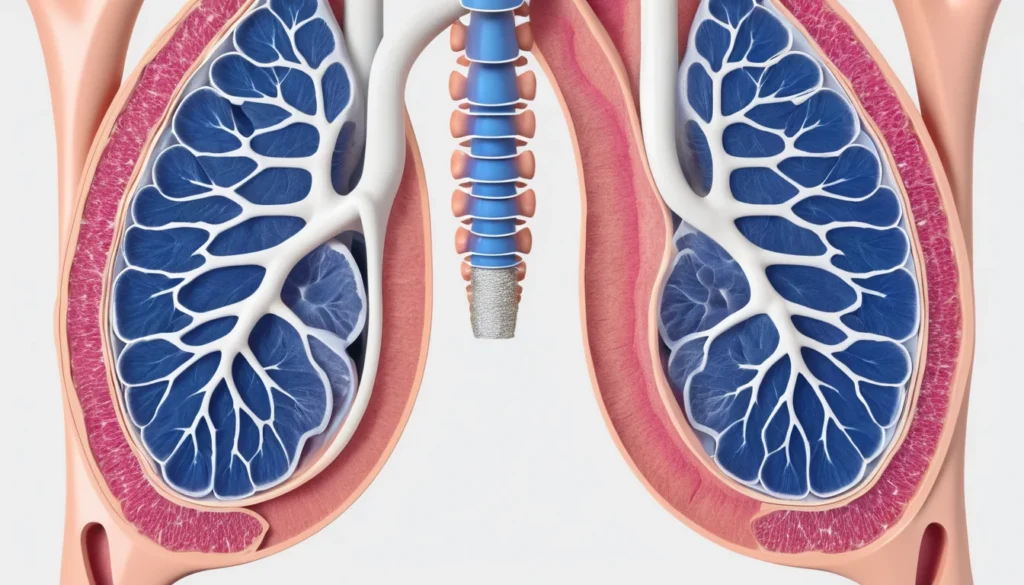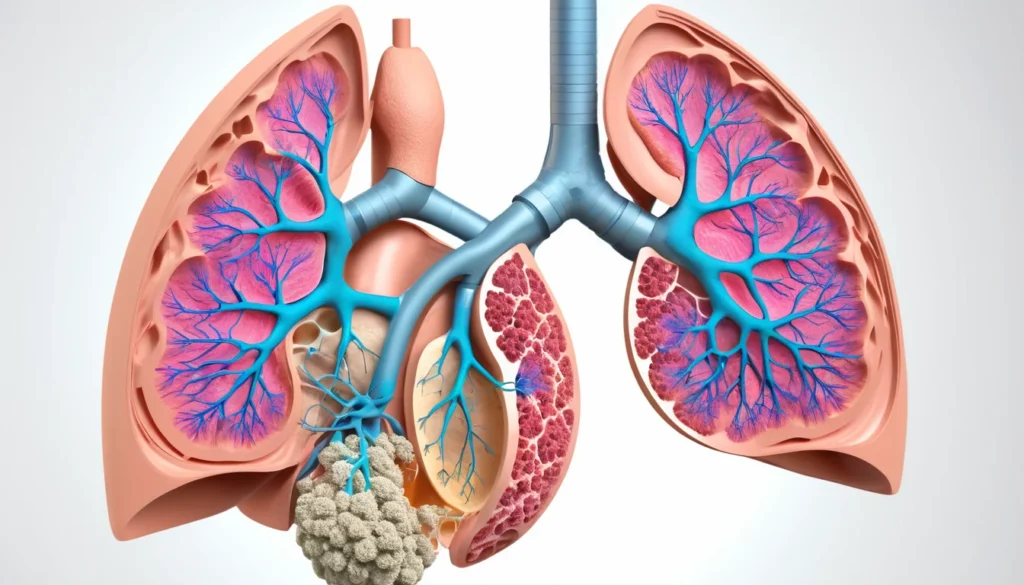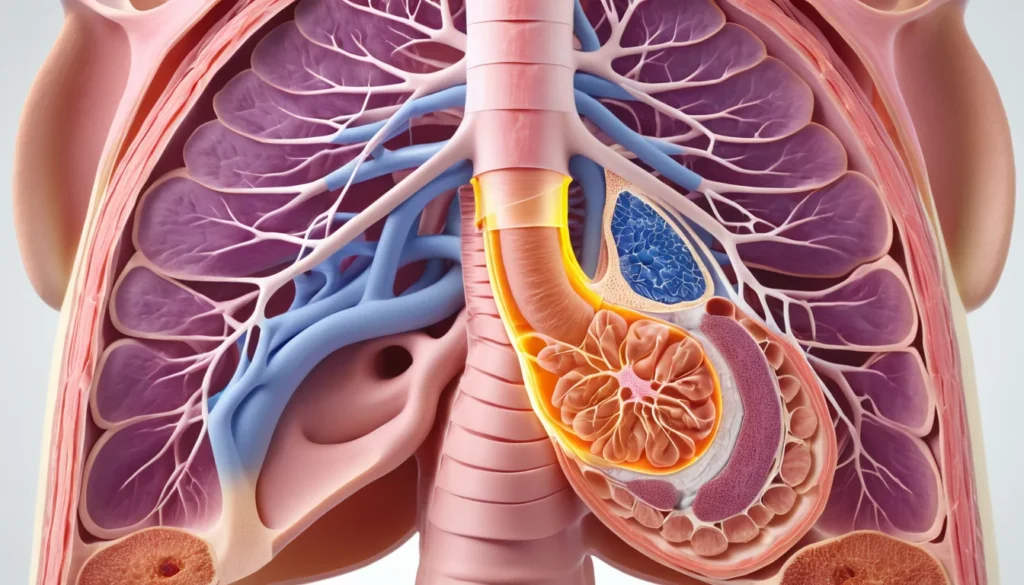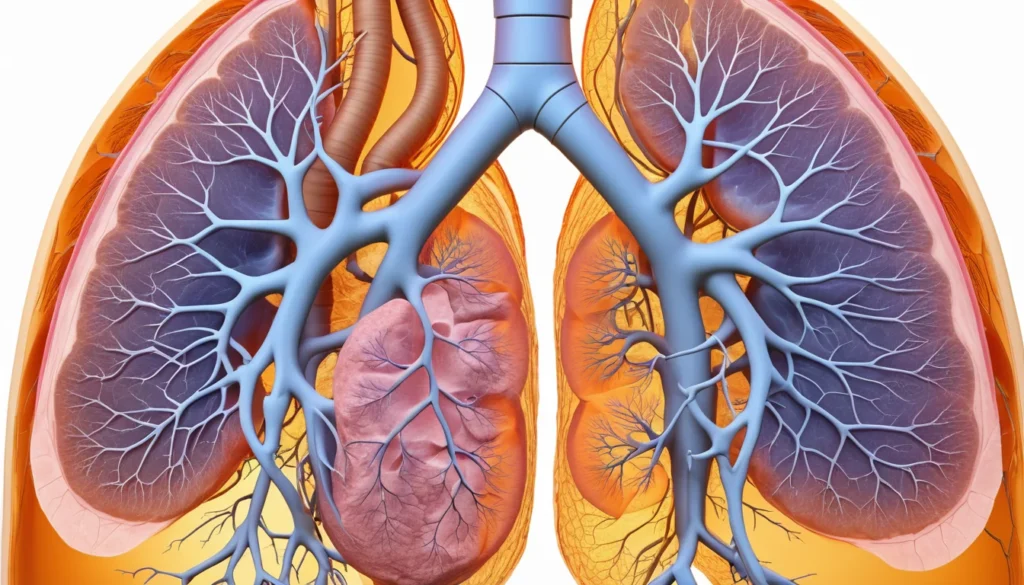
Bronchopneumonia is a serious type of lung infection that can affect one or both lungs. It causes inflammation in the lungs and the small airways called bronchioles. Understanding the symptoms, causes, and treatment options can help you act quickly and protect your health or the health of someone you love.
What Is Bronchopneumonia?
Bronchopneumonia is a form of pneumonia, but it works a little differently. Instead of affecting just one part of the lung, it can spread across both lungs in patches. It starts as an infection in the lower airways and can move upward through the respiratory tract.
The air sacs in your lungs — called alveoli — fill with mucus and fluid when you have bronchopneumonia. This is called consolidation. As a result, less space is available for air, making breathing difficult and uncomfortable.
How serious bronchopneumonia becomes depends on two things: the type of bacteria causing the infection, and your overall health. Older adults and young children tend to be affected more severely because their immune systems are not as strong.
Common Causes of Bronchopneumonia
Bronchopneumonia is usually caused by bacteria that enter the lungs and trigger an immune response. Two of the most common bacteria responsible are Staphylococcus aureus and Pseudomonas aeruginosa. However, other bacteria can also be involved.
According to Health Canada, respiratory infections are among the leading causes of illness in Canadians each year, particularly during the fall and winter months.
Other Triggers and Risk Factors
Bronchopneumonia does not always start as a bacterial infection on its own. In many cases, it develops as a complication of another illness or event. Common triggers include:
Viral infections such as influenza or measles
Inhaling food, liquid, or vomit into the lungs
A blockage in the airways caused by a foreign object or tumour
Breathing in toxic gases or chemicals
Recovery from major surgery
Severe chronic illness
Malnutrition or a weakened immune system
Older adults and young children face the highest risk. Their bodies have a harder time fighting off infections in the respiratory tract. People with chronic conditions are also more vulnerable to developing complications.
Recognising the Symptoms of Bronchopneumonia
Bronchopneumonia tends to come on quickly. Symptoms can change from one day to the next, which makes it important to pay close attention to how you or your child is feeling. Early recognition leads to faster treatment and better outcomes.
Main Symptoms
The most common symptoms of bronchopneumonia include:
Chills and shaking
Difficulty breathing or shortness of breath
Chest pain or tightness
Fatigue and low energy
Coughing up mucus that is yellow, green, or streaked with blood
Additional Symptoms to Watch For
In some cases, especially in older adults, other symptoms may also appear. These can include:
Confusion or disorientation
Heavy sweating with cold, clammy skin
Headache
Loss of appetite
Sharp chest pain that gets worse when breathing deeply or coughing
Confusion in an older person is a warning sign that should never be ignored. If someone seems suddenly disoriented along with other symptoms, seek medical attention right away.
How Doctors Diagnose Bronchopneumonia
Your family doctor or walk-in clinic physician will begin by listening to your lungs with a stethoscope. This technique is called auscultation. Abnormal sounds — such as crackling or wheezing — can signal that fluid is present in the lungs.
Depending on what your doctor hears, they may order additional tests to confirm the diagnosis. These tests may include:
A chest X-ray to see the affected areas of the lung
A complete blood count (CBC) to check for signs of infection
Arterial blood gas measurements to check oxygen levels
A sputum culture to identify the specific bacteria causing the infection
These tests help your doctor choose the most effective treatment for your specific infection. Most of these tests are covered under provincial health plans across Canada, though coverage details may vary by province.
Treatment Options for Bronchopneumonia
Because bronchopneumonia is a bacterial infection, antibiotics are the main treatment. Your doctor will prescribe the antibiotic that best matches the bacteria causing your infection. Common choices include amoxicillin or erythromycin, as well as other macrolide antibiotics taken by mouth.
The Mayo Clinic’s pneumonia treatment guidelines emphasise the importance of completing the full course of antibiotics, even if you start feeling better after a few days. Stopping early can allow the infection to return and become harder to treat.
Home Care During Recovery
Alongside your prescribed antibiotics, there are several things you can do at home to support your recovery:
Drink plenty of fluids to thin out mucus and make it easier to cough up
Rest as much as possible to give your body the energy to heal
Use acetaminophen or non-steroidal anti-inflammatory drugs (NSAIDs) to control fever
Do not take cough suppressants without first checking with your doctor
Most people start to feel better within three to four days of starting treatment. However, full recovery from bronchopneumonia typically takes four to six weeks. Every case is different, depending on the severity of the infection, the person’s age, and their overall health.
When Hospitalisation Is Needed
Most people with bronchopneumonia can recover at home. However, hospitalisation may be necessary if symptoms are severe or if other health conditions increase the risk of complications. People with the following conditions may need stronger antibiotic treatment and closer monitoring:
Heart disease or cardiovascular conditions
Chronic obstructive pulmonary disease (COPD)
Emphysema
Kidney disease
Diabetes
In these cases, doctors may prescribe fluoroquinolones, high-dose amoxicillin with clavulanate combined with a macrolide antibiotic, or a cephalosporin combined with a macrolide antibiotic.
Possible Complications
When bronchopneumonia is not treated properly or quickly enough, serious complications can develop. These complications are more common in people who are elderly, very young, or already living with chronic illness.
Possible complications include:
Spread of bacteria into the bloodstream (sepsis)
Meningitis (infection of the membranes around the brain)
Endocarditis (infection of the heart lining)
Pleurisy or pleural effusion (fluid around the lungs)
Recurring or chronic pneumonia
Cardiovascular problems
Blood clots related to prolonged bed rest
Acute kidney failure caused by dehydration
Furthermore, the World Health Organization’s pneumonia fact sheet notes that pneumonia and related infections remain a significant cause of serious illness worldwide, particularly in vulnerable populations. Prompt treatment dramatically reduces the risk of these complications.
How to Prevent Bronchopneumonia
Prevention is always the best approach. Fortunately, many cases of bronchopneumonia can be avoided with simple daily habits and healthy lifestyle choices.
Everyday Prevention Habits
The most effective step you can take is washing your hands often with soap and water. This is especially important after using the bathroom, after coughing or blowing your nose, after changing a diaper, and after being in public places. When soap and water are not available, an alcohol-based hand sanitiser is a good alternative.
Other helpful prevention habits include:
Quitting smoking — smoking damages the airways and makes infections more likely
Getting enough sleep to keep your immune system strong
Eating a healthy, balanced diet with plenty of fresh fruits and vegetables
Staying up to date on vaccinations, including the flu shot and pneumococcal vaccine
Vaccinations in Canada
Vaccines are one of the most powerful tools for preventing respiratory infections that can lead to bronchopneumonia. In Canada, the influenza vaccine is offered every fall and is recommended for everyone six months and older. The pneumococcal vaccine is especially recommended for children under five, adults over 65, and people with chronic health conditions. Check with your provincial health plan to find out which vaccines are covered in your area.
When to See a Doctor
You should see your family doctor or visit a walk-in clinic if you develop a persistent cough, fever, or difficulty breathing that does not improve after a day or two. Do not wait to seek help if your symptoms are severe or getting worse quickly.
Seek emergency care immediately if you or someone you know experiences:
Severe difficulty breathing or gasping for air
Bluish colour around the lips or fingernails
Sudden confusion, especially in an older adult
Chest pain that is sharp and persistent
A high fever that is not responding to medication
In Canada, you can also call 811 (Health811 or your provincial health line) to speak with a registered nurse any time of day or night. They can help you decide whether you need emergency care or whether a visit to your family doctor or walk-in clinic is the right next step.
Always consult your doctor or a qualified healthcare provider before starting, changing, or stopping any treatment. The information in this article is for general education only and is not a substitute for professional medical advice.
Frequently Asked Questions About Bronchopneumonia
What is the difference between bronchopneumonia and regular pneumonia?
Bronchopneumonia affects the lungs in a scattered, patchy pattern and involves the small airways (bronchioles), while regular pneumonia typically affects one distinct lobe of the lung. Bronchopneumonia can involve both lungs at once, which can make it more difficult to treat. Both conditions require medical attention and antibiotic treatment.
Is bronchopneumonia contagious?
The bacteria that cause bronchopneumonia can spread from person to person through respiratory droplets when an infected person coughs or sneezes. However, not everyone exposed to these bacteria will develop bronchopneumonia. Regular handwashing and avoiding close contact with sick individuals can help reduce your risk.
How long does it take to recover from bronchopneumonia?
Most people with bronchopneumonia begin to feel better within three to four days of starting antibiotic treatment. Full recovery typically takes four to six weeks, depending on the severity of the infection, the patient’s age, and their overall health. It is important to complete the full course of antibiotics even after symptoms improve.
Can bronchopneumonia be treated at home?
Yes, many people with bronchopneumonia can be treated at home with antibiotics prescribed by their doctor, plenty of fluids, and rest. However, older adults, young children, and people with chronic health conditions may need to be hospitalised for closer monitoring and stronger treatment. Always follow your doctor’s instructions carefully.
Who is most at risk of developing bronchopneumonia?
Older adults and young children are at the highest risk of developing bronchopneumonia because their immune systems are less effective at fighting infections. People with chronic conditions such as COPD, heart disease, diabetes, or kidney disease also face a higher risk. A weakened immune system from any cause increases vulnerability to this type of lung infection.
What are the warning signs that bronchopneumonia is getting worse?
Warning signs that bronchopneumonia may be worsening include severe difficulty breathing, a bluish tint around the lips or fingernails, sudden confusion (especially in older adults), and a high fever that does not respond to medication. If any of these symptoms appear, seek emergency medical care immediately or call 911.
Key Takeaways
Bronchopneumonia is a serious bacterial lung infection that can affect one or both lungs in a patchy pattern. It causes the air sacs in the lungs to fill with fluid and mucus, making breathing difficult. Common symptoms include chills, shortness of breath, chest pain, fatigue, and coloured or bloody mucus. Antibiotics are the main treatment, and most people recover fully within four to six weeks. Older adults, young children, and people with chronic conditions face the greatest risk and may need hospitalisation. Regular handwashing, quitting smoking, eating well, resting, and staying up to date on vaccines are the best ways to prevent bronchopneumonia. If you are concerned about your symptoms, contact your family doctor, visit a walk-in clinic, or call your provincial health line (811) for guidance