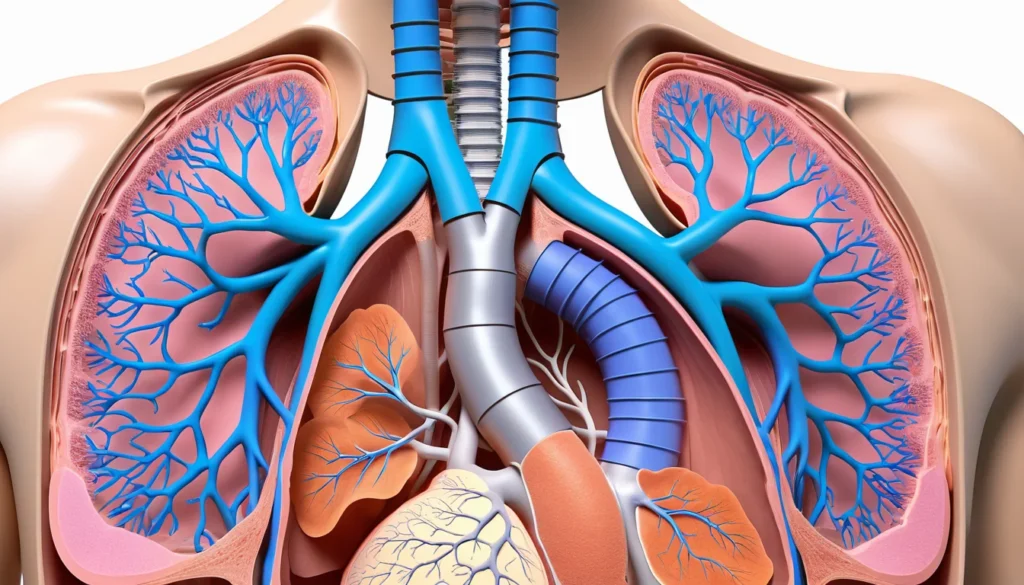
A bronchodilator is a medication that opens up the airways in your lungs. It works by relaxing the muscles around the bronchial tubes, making it easier to breathe. Bronchodilators are most commonly used to treat conditions like asthma and chronic obstructive pulmonary disease (COPD). In this article, we explain what bronchodilators are, how they work, the different types available, and when you should talk to your family doctor or visit a walk-in clinic.
What Is a Bronchodilator?
Your lungs contain a network of airways called bronchial tubes, or bronchi. When these tubes become narrow or inflamed, breathing becomes difficult. A bronchodilator helps by widening these tubes, allowing more air to flow in and out of your lungs.
The word itself tells the story. “Broncho” refers to the bronchi, and “dilator” means something that widens or opens. Together, the word simply means something that opens up your airways.
Some bronchodilators are natural substances your body already produces. For example, adrenaline (also called epinephrine) is a natural bronchodilator. Your body releases it during moments of stress or physical exertion. However, most people with breathing conditions need extra help from prescribed bronchodilator medications.
Bronchodilators are considered a cornerstone of respiratory care. Health Canada recognizes them as essential medications for managing chronic airway diseases across the country.
How Does a Bronchodilator Work?
To understand how a bronchodilator works, it helps to picture what happens during an asthma attack or a COPD flare-up. The muscles surrounding the bronchial tubes tighten. The lining of the airways swells. Mucus can build up inside. All of this makes the airway much narrower than it should be.
A bronchodilator targets the muscles around the airways directly. It causes those muscles to relax and loosen. As a result, the airway widens, and air can pass through more freely. This is called bronchodilation.
Different types of bronchodilators work in slightly different ways. Some act very quickly, providing relief within minutes. Others work more slowly but last much longer, helping to keep airways open throughout the day and night.
In addition, some bronchodilators also reduce swelling in the airway lining. This dual action makes breathing even easier. Your doctor or pharmacist can explain exactly how the specific medication prescribed to you works.
Types of Bronchodilators
There are three main types of bronchodilators. Each type works differently in the body, and each has a specific role in managing breathing conditions.
Beta-2 Agonists
Beta-2 agonists are the most widely used type of bronchodilator. They work by binding to receptors in the airway muscles, signalling them to relax. This causes the airways to open up quickly.
There are two categories within this group. Short-acting beta-2 agonists (SABAs) work within minutes and last four to six hours. These are often called “rescue inhalers” because they provide fast relief during an asthma attack. Common examples include salbutamol, known by brand names like Ventolin.
Long-acting beta-2 agonists (LABAs) take longer to start working but last up to 12 hours or more. They are used as part of a regular, daily treatment plan. They are not meant for emergency relief. Examples include salmeterol and formoterol.
Anticholinergics
Anticholinergic bronchodilators work differently from beta-2 agonists. They block a chemical messenger in the body called acetylcholine. This chemical can cause the muscles around the airways to tighten. By blocking it, anticholinergics help keep the airways open.
These medications are especially useful for people with COPD. They also come in short-acting and long-acting forms. Ipratropium is a common short-acting option. Tiotropium is a well-known long-acting anticholinergic.
Methylxanthines
Methylxanthines are a older class of bronchodilator. The most familiar example is theophylline. These medications work by relaxing the muscles of the airways and reducing inflammation. However, they are used less often today because they require careful dosing and can cause more side effects than newer options.
Your doctor will decide which type of bronchodilator is most appropriate for your specific condition and health history. According to the Mayo Clinic, the right choice depends on factors like your age, the severity of your condition, and how you respond to treatment.
Conditions Treated with Bronchodilators
Bronchodilators are prescribed for several respiratory conditions. They are not a cure for these conditions, but they are a very effective way to manage symptoms and improve quality of life.
Asthma
Asthma is one of the most common conditions treated with bronchodilators. In Canada, over three million people live with asthma. During an asthma attack, the airways become tight, swollen, and filled with mucus. A short-acting bronchodilator inhaler can quickly reverse this and restore normal breathing.
For people with moderate to severe asthma, long-acting bronchodilators are often used alongside inhaled corticosteroids. This combination helps prevent attacks from happening in the first place.
Chronic Obstructive Pulmonary Disease (COPD)
COPD is a group of progressive lung diseases that includes chronic bronchitis and emphysema. It is most often caused by long-term exposure to cigarette smoke. Bronchodilators are a key part of COPD treatment at every stage of the disease.
Long-acting bronchodilators are typically prescribed for COPD. They help keep the airways open throughout the day, reducing breathlessness and improving the ability to exercise and carry out daily activities.
Chronic Bronchitis and Other Conditions
Bronchodilators may also be used to relieve breathing difficulty caused by chronic bronchitis, bronchiectasis, and in some cases, severe allergic reactions. A doctor will assess whether a bronchodilator is the right treatment for your specific situation.
How Are Bronchodilators Taken?
Most bronchodilators are taken by inhalation. This means you breathe the medication directly into your lungs using an inhaler or a nebulizer. Inhalation gets the medication to the airways faster than a pill would, and it reduces the chance of side effects in other parts of the body.
Inhalers
The most common device is a metered-dose inhaler (MDI). This is the small, pressurized canister you press down to release a puff of medication. Spacers are often used with MDIs, especially for children, to make sure the full dose reaches the lungs.
Dry powder inhalers (DPIs) are another option. With these, you breathe in quickly and deeply to pull the powdered medication into your lungs. Your pharmacist can show you the correct technique for whichever device you use.
Nebulizers
A nebulizer turns liquid medication into a fine mist that you breathe in through a mask or mouthpiece. Nebulizers are often used in hospitals or for young children and older adults who have difficulty using a standard inhaler.
Oral and Injectable Forms
In some cases, bronchodilators are taken as tablets, liquids, or injections. Theophylline, for example, is available as an oral medication. Injections are usually reserved for emergency situations in a hospital setting.
Proper technique matters a great deal with inhalers. Research shows that many people do not use their inhalers correctly, which reduces how well the medication works. Ask your pharmacist or doctor to review your technique at your next visit.
Possible Side Effects of Bronchodilators
Like all medications, bronchodilators can cause side effects. Most are mild and temporary. However, it is important to know what to watch for.
Common side effects of beta-2 agonists include a faster heartbeat, feeling shaky or jittery, headache, and muscle cramps. These effects often improve as your body adjusts to the medication.
Anticholinergics can sometimes cause a dry mouth, constipation, blurred vision, or difficulty urinating. If any of these become bothersome, speak to your doctor.
Theophylline requires regular blood tests to make sure the level in your blood stays within a safe range. Too much can cause nausea, vomiting, a rapid heartbeat, or even seizures.
Furthermore, overusing a short-acting rescue inhaler may be a sign that your asthma or COPD is not well controlled. If you find yourself using your rescue inhaler more than twice a week, contact your family doctor to review your treatment plan.
The Healthline bronchodilator guide offers additional detail on managing side effects and understanding your medication options.
When to See a Doctor
You should speak with your family doctor if you have any ongoing trouble breathing, wheezing, or a chronic cough that does not go away. These symptoms may point to asthma, COPD, or another condition that can be helped with a bronchodilator.
If you have already been prescribed a bronchodilator and your symptoms are not improving, do not wait. Book an appointment with your family doctor or visit a walk-in clinic. In many provinces, you can also speak to a pharmacist, who can assess your symptoms and guide you on next steps.
Seek emergency care right away if you are having severe difficulty breathing, your lips or fingertips turn blue, or your rescue inhaler is not working. These are signs of a medical emergency.
Under most provincial health plans in Canada, visits to a family doctor or walk-in clinic for respiratory concerns are covered. If you do not have a family doctor, a walk-in clinic is a good starting point for getting assessed and potentially referred to a specialist.
Always consult a qualified healthcare provider before starting, stopping, or changing any medication, including bronchodilators. This article provides general health information only and is not a substitute for professional medical advice.
Frequently Asked Questions
What is a bronchodilator used for?
A bronchodilator is used to open up the airways in the lungs, making it easier to breathe. It is most commonly prescribed for asthma and COPD. It can provide quick relief during an attack or help prevent symptoms over the long term.
Is a bronchodilator the same as a steroid inhaler?
No, a bronchodilator and a steroid inhaler are different medications. A bronchodilator relaxes the muscles around the airways to open them up. A steroid inhaler reduces inflammation inside the airways. Many people with asthma or COPD use both types together for better control.
Can I use a bronchodilator every day?
Whether you use a bronchodilator every day depends on which type you have been prescribed. Long-acting bronchodilators are designed for daily use to keep airways open. Short-acting rescue inhalers should only be used when needed. If you are using your rescue inhaler daily, speak to your doctor about adjusting your treatment plan.
Are bronchodilators safe for children?
Yes, certain bronchodilators are considered safe and effective for children with asthma when prescribed by a doctor. The type and dose will be adjusted based on the child’s age and weight. A spacer device is usually recommended to help children inhale the medication correctly.
What is the difference between a short-acting and long-acting bronchodilator?
A short-acting bronchodilator works within minutes and is used for quick relief during breathing difficulties or attacks. A long-acting bronchodilator takes longer to work but keeps the airways open for 12 hours or more. Your doctor will recommend the right type based on your condition and symptoms.
Is a bronchodilator covered by provincial health plans in Canada?
The cost of a bronchodilator inhaler is often covered, at least in part, through provincial drug benefit programmes or private insurance plans. Coverage varies by province and by the specific medication. Check with your provincial health plan or speak to your pharmacist to find out what is covered in your area.
Key Takeaways
A bronchodilator is a medication that widens the airways in the lungs, making it easier to breathe.
The three main types are beta-2 agonists, anticholinergics, and methylxanthines.
Short-acting bronchodilators provide quick relief during an attack. Long-acting ones help prevent symptoms over time.
They are most often used to treat asthma and COPD, but may help with other respiratory conditions too.
Most bronchodilators are inhaled using a puffer or nebulizer for fast, targeted relief.
Common side effects include a faster heartbeat, shakiness, or dry mouth, depending on the type used.
If your symptoms are not controlled or you are using your rescue inhaler too often, speak to your family doctor or visit a walk-in clinic.
Always consult a healthcare provider before making changes to your respiratory medication.