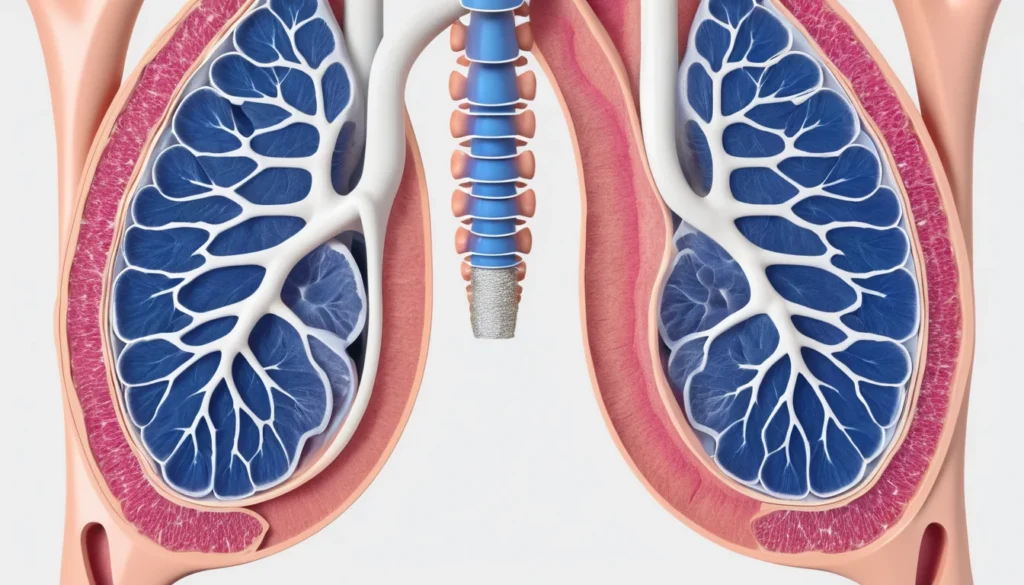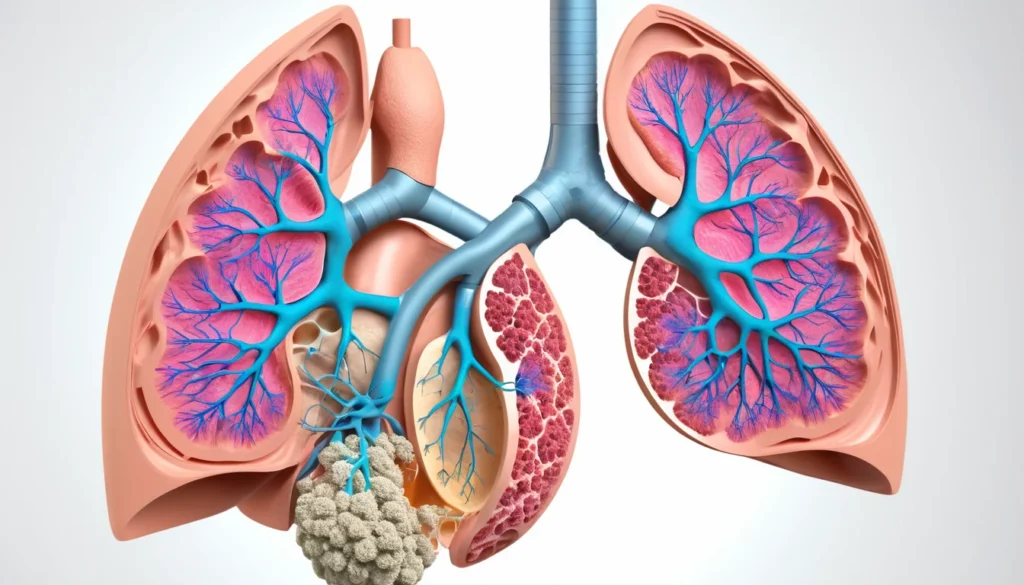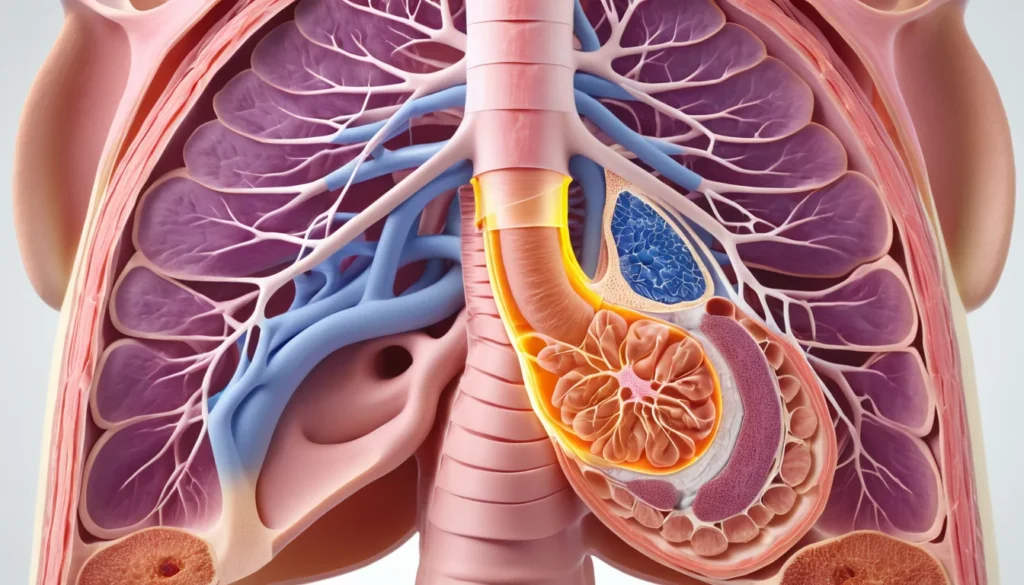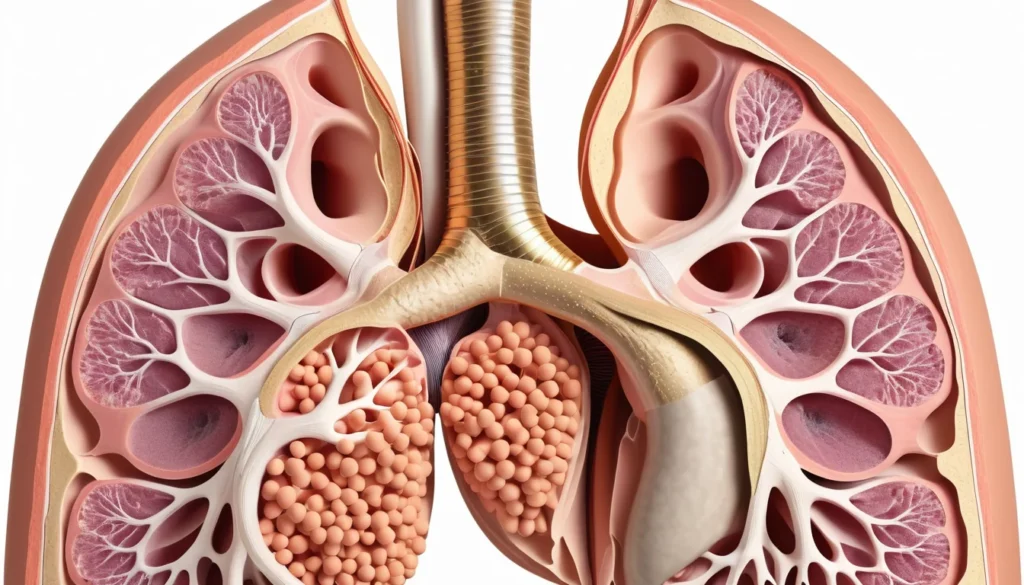
Bronchiectasis is a chronic lung condition where the airways become permanently widened and inflamed. This makes it harder for your lungs to clear mucus, which leads to repeated infections and breathing problems. In Canada, many people live with this condition for years before getting a proper diagnosis. This guide explains what bronchiectasis is, how to recognize it, and what treatment options are available to you.
What Is Bronchiectasis?
Bronchiectasis happens when the bronchi — the tubes that carry air in and out of your lungs — become stretched and damaged. Once this damage occurs, it is permanent. However, with the right treatment, you can manage your symptoms and protect your quality of life.
The damaged airways can no longer move mucus properly. As a result, mucus builds up and creates the perfect environment for bacteria to grow. This leads to repeated chest infections that cause further damage over time.
Bronchiectasis is not the same as asthma or chronic bronchitis, though it can occur alongside these conditions. It is a distinct structural problem in the lungs. According to Mayo Clinic’s overview of bronchiectasis, the condition is often underdiagnosed because its symptoms overlap with other lung diseases.
Common Symptoms of Bronchiectasis
The symptoms of bronchiectasis tend to develop slowly over time. Many people mistake early signs for a lingering cold or a bad cough. Knowing what to look for can help you seek care sooner.
Respiratory Symptoms
The most common symptom is a persistent cough that produces large amounts of mucus. The mucus is often thick and may appear yellow or green. Some people cough up mucus every single day for months or years.
Other respiratory symptoms include:
Wheezing or a whistling sound when you breathe
Shortness of breath, especially during physical activity
Chest pain or tightness
Frequent chest infections such as pneumonia or bronchitis
General Symptoms
Bronchiectasis also affects how you feel overall. The effort your body puts into breathing and fighting infections is exhausting. Many people report feeling constantly tired, even after a full night of sleep.
Additional general symptoms can include:
Fatigue and general weakness
Fever and chills during active infections
Unintended weight loss in more severe cases
Causes and Risk Factors
Bronchiectasis can develop for several different reasons. In many cases, a severe lung infection earlier in life triggers the condition. However, underlying health problems can also play a significant role.
Common Causes
Severe respiratory infections are the most frequent cause of bronchiectasis. Conditions like tuberculosis and severe pneumonia can cause lasting damage to the airway walls. Even childhood infections, such as whooping cough, can contribute to the condition developing later in life.
Other known causes include:
Cystic fibrosis — a genetic condition that causes thick, sticky mucus to build up in the lungs
Autoimmune diseases — conditions such as rheumatoid arthritis or inflammatory bowel disease
Airway blockages — caused by tumours or inhaled foreign objects
Congenital conditions — structural problems in the respiratory system present from birth
Risk Factors
Certain factors increase your chances of developing bronchiectasis. Smoking is one of the most significant, as it weakens the airways and reduces your lungs’ ability to clear mucus. Frequent respiratory infections throughout life also raise your risk.
Additional risk factors include:
A history of tuberculosis
Existing lung conditions such as asthma or chronic obstructive pulmonary disease (COPD)
A weakened immune system
Regular exposure to air pollution or toxic fumes
The World Health Organization’s information on chronic respiratory diseases highlights how environmental and lifestyle factors significantly contribute to long-term lung damage.
How Is Bronchiectasis Diagnosed?
Diagnosing bronchiectasis requires more than just a physical exam. Your doctor will ask about your symptoms, your medical history, and how long you have been experiencing breathing problems. Be as detailed as possible during this conversation.
Diagnostic Tests
The most important test for bronchiectasis is a high-resolution CT scan of the chest. This imaging test gives doctors a detailed picture of your airway structure and can clearly show areas of widening or damage. A standard chest X-ray may suggest a problem, but a CT scan provides much more accurate information.
Your doctor may also order the following:
Spirometry — a breathing test that measures how well your lungs are working
Sputum culture — a lab test on your mucus to identify bacteria and choose the right antibiotic
Blood tests — to check for immune system problems or signs of infection
Exercise tolerance testing — to assess how your breathing holds up during physical activity
In Canada, your family doctor can refer you to a respirologist (a lung specialist) through your provincial health plan. Wait times vary by province, so speak to your doctor early if you have ongoing respiratory symptoms.
Treatment Options for Bronchiectasis
There is currently no cure for bronchiectasis, but treatment can significantly improve your quality of life. The main goals of treatment are to clear mucus from the airways, prevent infections, and slow the progression of lung damage.
Medications
Antibiotics are the cornerstone of bronchiectasis treatment. Your doctor may prescribe them to treat active infections or, in some cases, to take long-term to prevent infections from recurring. The type of antibiotic depends on the bacteria found in your sputum culture.
Other medications that may be prescribed include:
Bronchodilators — inhaled medications that open up the airways and make breathing easier
Inhaled corticosteroids — to reduce airway inflammation
Mucolytics — medications that thin mucus and make it easier to cough up
Nebulised saline — saltwater mist inhaled through a nebuliser to loosen mucus
Physiotherapy and Airway Clearance
Chest physiotherapy is one of the most effective non-drug treatments for bronchiectasis. A physiotherapist can teach you specific techniques to help drain mucus from your lungs. These techniques are often called airway clearance techniques (ACTs).
Common methods include:
Postural drainage — positioning your body to use gravity to move mucus
Percussion — gentle tapping on the chest to loosen mucus
Active cycle of breathing techniques (ACBT)
Use of devices such as a Flutter valve or Acapella device
Pulmonary rehabilitation programmes are also available in many Canadian hospitals and health centres. These programmes combine exercise, education, and breathing techniques to help you manage your condition and improve your stamina.
Surgical Treatment
Surgery is not needed for most people with bronchiectasis. However, in certain cases where the disease is limited to one area of the lung and other treatments have not worked, surgery may be considered. Your respirologist and a thoracic surgeon will discuss whether this is appropriate for you.
Surgical options include:
Lobectomy or segmentectomy — removal of the damaged lobe or segment of the lung to improve airflow and reduce symptoms
Bilobectomy — removal of two lobes when the disease has spread to more than one area
Bronchoplasty — a rare procedure to reconstruct and repair the damaged airways
The decision to proceed with surgery depends on the severity of your bronchiectasis, its location in the lungs, and your overall health. Not everyone is a candidate for surgery.
Home Management and Lifestyle Changes
What you do at home makes a big difference in managing bronchiectasis. Consistently following your treatment plan is the single most important thing you can do. Skipping medications or physiotherapy sessions allows mucus and bacteria to build up again quickly.
Helpful lifestyle changes include:
Quitting smoking — this is the most impactful step you can take for your lung health
Avoiding second-hand smoke and air pollution as much as possible
Staying up to date on vaccinations, including the flu shot and pneumococcal vaccine, available through your provincial health plan
Washing your hands regularly to reduce the risk of respiratory infections
Staying well hydrated to help keep mucus thinner
Participating in regular, moderate physical activity as tolerated
For more information on lung health and self-management strategies, visit Healthline’s guide to living with bronchiectasis.
Risks and Complications
Without proper management, bronchiectasis can lead to serious complications. Understanding these risks can motivate you to stay consistent with your treatment. Furthermore, early action greatly reduces the chance of severe outcomes.
Possible complications include:
Recurring severe lung infections — each infection causes more airway damage
Lung abscesses — pockets of infection that form in the lung tissue
Respiratory failure — in advanced cases, the lungs may struggle to supply the body with enough oxygen
Coughing up blood (haemoptysis) — this can range from minor to a medical emergency
Declining lung function — gradual worsening of your ability to breathe over time
When to See a Doctor
You should see your family doctor or visit a walk-in clinic if you have a cough that has lasted more than eight weeks, especially if you are producing mucus. Do not wait to seek care if you are also experiencing shortness of breath or recurring chest infections.
Seek emergency care immediately if you:
Cough up a significant amount of blood
Experience sudden, severe shortness of breath
Have a high fever with chest pain and difficulty breathing
Feel confused or notice your lips or fingernails turning blue
If you already have a bronchiectasis diagnosis, contact your family doctor or respirologist at the first sign of a flare-up. Early treatment of infections prevents further lung damage. Your provincial health plan covers most specialist referrals, so do not hesitate to ask your doctor for one if your symptoms are not well controlled.
Frequently Asked Questions About Bronchiectasis
Is bronchiectasis a serious condition?
Bronchiectasis is a chronic and serious lung condition, but most people manage it well with the right treatment. Without proper care, it can progress and lead to complications such as recurring infections or declining lung function. However, early diagnosis and consistent treatment make a significant difference in long-term outcomes.
Can bronchiectasis be cured?
There is currently no cure for bronchiectasis because the airway damage is permanent. However, treatment can effectively control symptoms, reduce infections, and slow progression of the disease. In limited cases, surgery may remove the damaged area of the lung, which can provide significant relief.
What is the main cause of bronchiectasis?
The most common cause of bronchiectasis is a previous severe respiratory infection, such as tuberculosis or pneumonia, that permanently damaged the airways. Cystic fibrosis is also a well-known cause, particularly in younger patients. In some cases, no specific cause can be identified, which is called idiopathic bronchiectasis.
How is bronchiectasis different from COPD or asthma?
Bronchiectasis involves permanent physical widening and scarring of the airways, whereas asthma involves reversible airway narrowing triggered by inflammation. COPD primarily affects the small airways and air sacs, while bronchiectasis affects the larger bronchi. All three conditions can cause breathing difficulties, but they require different treatment approaches.
Can I exercise if I have bronchiectasis?
Yes, regular physical activity is actually encouraged for people living with bronchiectasis. Exercise helps strengthen the breathing muscles and can improve mucus clearance from the lungs. Talk to your family doctor or respirologist about a safe exercise plan, and ask about pulmonary rehabilitation programmes available in your area.
Does bronchiectasis qualify for disability benefits in Canada?
In severe cases, bronchiectasis may qualify a person for disability support through provincial programmes or the federal Disability Tax Credit. Eligibility depends on how significantly the condition affects your ability to work and carry out daily activities. Speak with your doctor about documenting your condition, and consult a social worker or benefits advisor for guidance specific to your province.
Key Takeaways
Bronchiectasis is a chronic lung condition where the airways become permanently