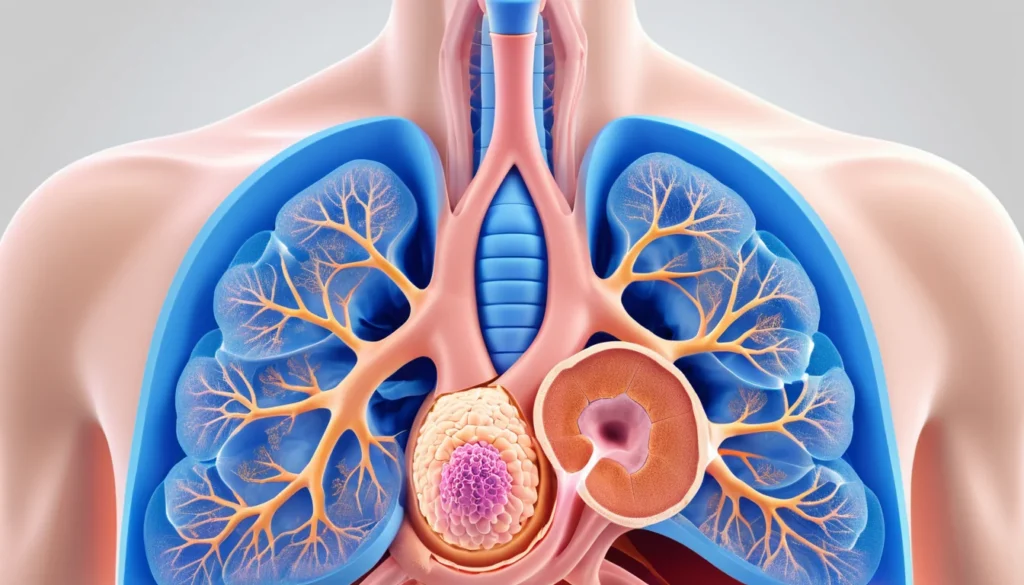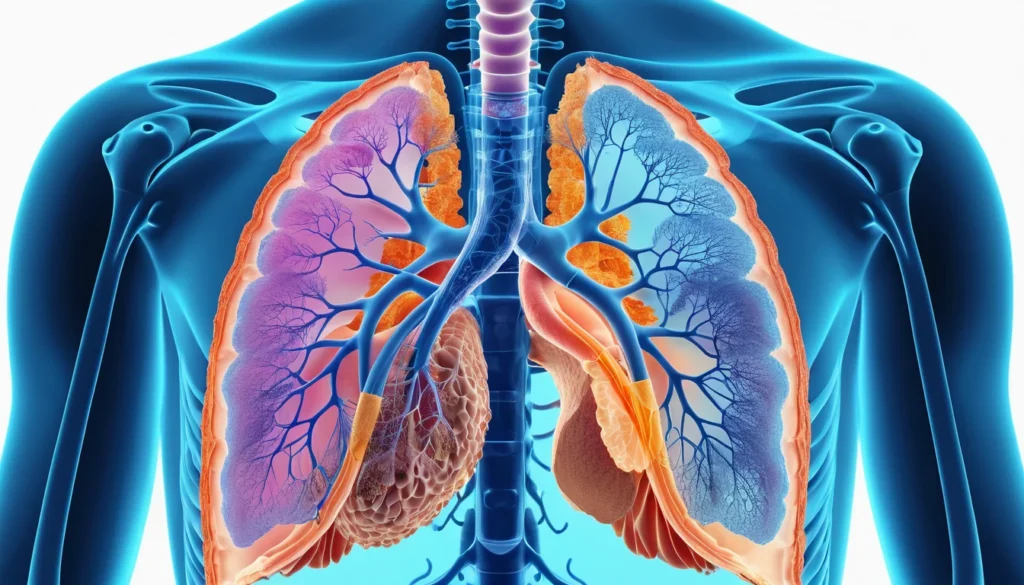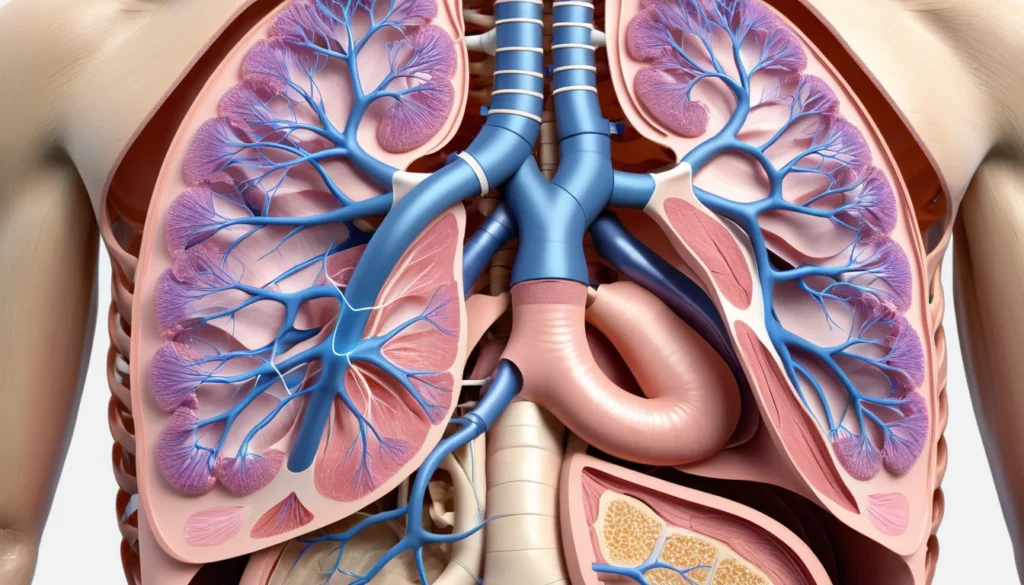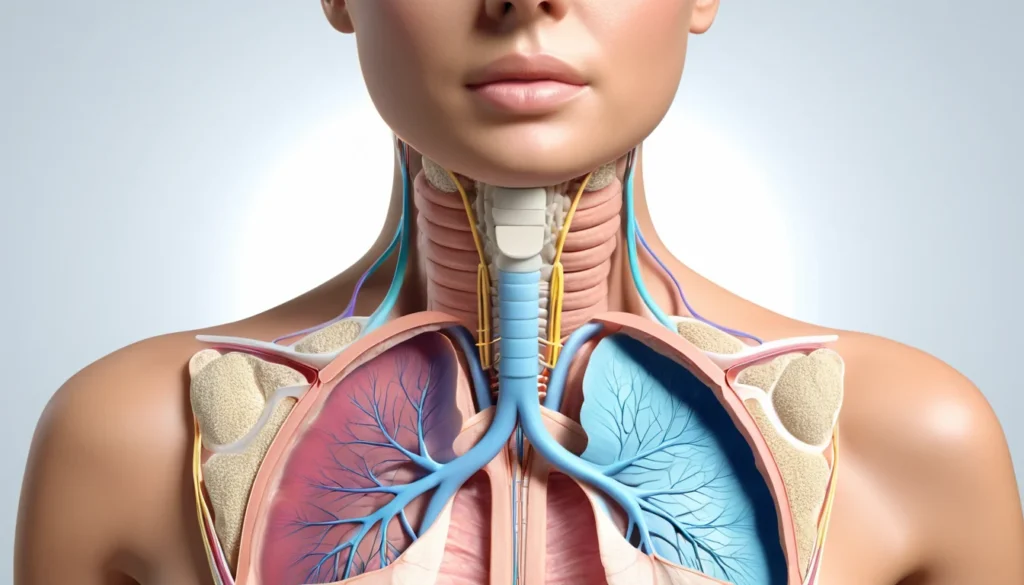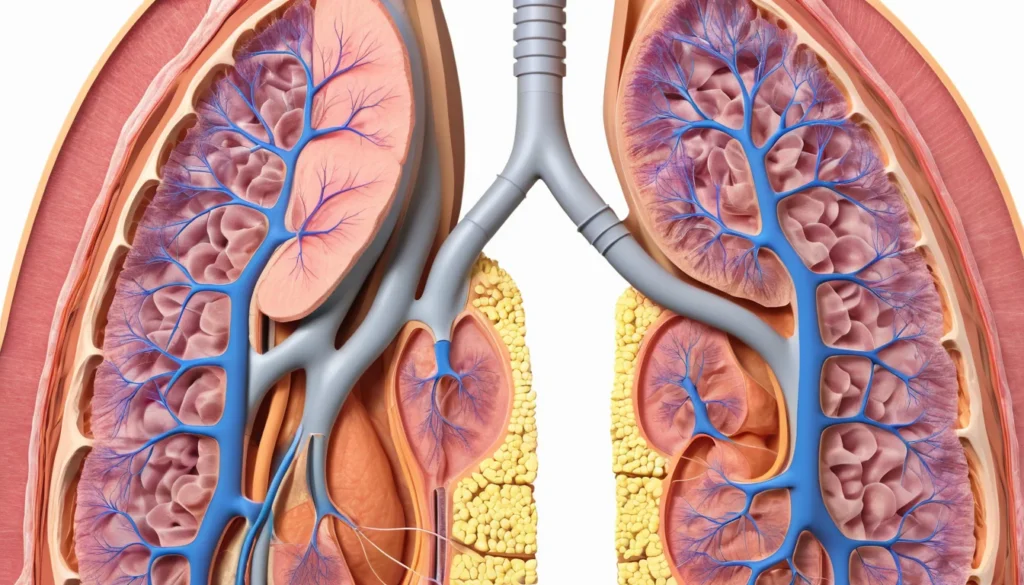
Bronchiectasis is a chronic lung condition where the airways (bronchi) become permanently widened and damaged. This damage makes it hard for the lungs to clear mucus, leading to repeated infections and breathing problems. Bronchiectasis affects people of all ages, but half of all cases appear in children under 15. Thanks to vaccines and modern antibiotics, this condition is far less common today than it once was.
What Is Bronchiectasis?
In bronchiectasis, the walls of the medium-sized airways stretch and weaken permanently. This is not a temporary change — the damage is irreversible. Over time, the airways lose their ability to move mucus out of the lungs effectively.
This build-up of mucus creates the perfect environment for bacteria to grow. As a result, people with bronchiectasis often deal with repeated chest infections. The condition is slightly more common in men than in women.
The good news is that better childhood vaccines and early antibiotic treatment have reduced how often bronchiectasis develops. Health Canada supports ongoing efforts to prevent the childhood infections that most commonly lead to this condition.
Common Causes of Bronchiectasis
Bronchiectasis can develop for several different reasons. Doctors generally group the causes into three main categories: acquired (developed during life), congenital (present from birth), and immune-related.
Acquired Causes
Acquired bronchiectasis often starts with a serious lung infection during childhood. These infections can scar and weaken the airway walls. Common triggers include:
Measles
Whooping cough (pertussis)
Bronchiolitis
Pneumonia
Tuberculosis
Blockages in the airways can also lead to bronchiectasis. For example, a foreign object or a tumour can trap mucus and cause long-term airway damage.
Congenital Causes
Some people are born with conditions that make bronchiectasis more likely. These include:
Cystic fibrosis (mucoviscidosis)
Bronchial cartilage defects (bronchomalacia)
Alpha-1 antitrypsin deficiency
Ciliary dyskinesia syndrome
Tracheal or bronchial enlargement (tracheobronchomegaly)
Cystic fibrosis is one of the most well-known congenital causes of bronchiectasis in Canada. It requires specialized, ongoing care.
Immune-Related Causes
Certain autoimmune and immune conditions can also trigger bronchiectasis. These include ulcerative colitis, systemic lupus erythematosus (SLE), and primary biliary cirrhosis. Allergic bronchopulmonary aspergillosis — a reaction to a specific mould — is another known cause.
Recognising the Symptoms of Bronchiectasis
The symptoms of bronchiectasis tend to develop slowly over time. Many people live with the condition for years before getting a clear diagnosis. Knowing the warning signs can help you seek care sooner.
The most common symptom is a chronic (long-lasting) cough that produces large amounts of thick, often foul-smelling mucus. This mucus can sometimes separate into three or four distinct layers when left to settle. That pattern is actually a hallmark sign of bronchiectasis.
Other symptoms include:
Coughing up blood (haemoptysis)
Recurring chest infections or pneumonia
Unexplained weight loss
Anaemia (low red blood cell count)
Wheezing or shortness of breath
Fatigue and general weakness
In more severe cases, doctors may notice clubbing of the fingers — a rounding and enlargement of the fingertips. This is rare in mild bronchiectasis but more common when the disease is advanced. Mayo Clinic provides a detailed overview of bronchiectasis symptoms that may help you understand what to watch for.
How Is Bronchiectasis Diagnosed?
Diagnosing bronchiectasis involves combining your medical history with physical exams and test results. Your doctor will look for a pattern of chronic cough, recurring lung infections, and characteristic mucus production.
Key Diagnostic Steps
Your family doctor or specialist will typically consider the following:
Medical history: A chronic cough that gets worse during chest infections is a key clue.
Physical exam: Crackle-like sounds (called rales) heard at the base of the lungs are a common finding. These may be confirmed before and after postural drainage.
Chest imaging: X-rays may show thickening around the airways or small cystic spaces in the lungs. A CT scan gives a much clearer picture and is now the preferred imaging tool.
Sputum analysis: Lab tests on mucus samples help identify any bacteria causing infection.
Blood tests: Mildly elevated white blood cell counts and a raised ESR (erythrocyte sedimentation rate) may point to active infection.
Urine tests: In some long-standing cases, tests may check for signs of kidney complications such as renal amyloidosis.
In Canada, a referral to a respirologist (lung specialist) is usually needed to confirm the diagnosis and set up a long-term care plan. Your family doctor can arrange this referral through your provincial health plan.
Treatment Options for Bronchiectasis
There is no cure for bronchiectasis, but treatment can greatly reduce symptoms and prevent complications. The main goals are to clear mucus from the lungs, control infections, and protect breathing function.
Antibiotics
Antibiotics are the cornerstone of bronchiectasis treatment. During an acute flare-up with no identified bacteria, doctors often prescribe a 10–14 day course of empiric antibiotics. Common choices include:
Amoxicillin or amoxicillin-clavulanate (500 mg every 8 hours)
Ampicillin or tetracycline (250–500 mg four times daily)
Trimethoprim-sulfamethoxazole (160/800 mg every 12 hours)
In people with frequent, heavy mucus production, doctors may rotate combinations of two or three antibiotics in 2–4 week courses. Always follow your doctor’s prescription — never adjust antibiotic doses on your own.
Chest Physiotherapy
Daily chest physiotherapy is a vital part of managing bronchiectasis. This involves postural drainage — lying in specific positions to help mucus drain — combined with chest percussion (gentle clapping on the chest wall). A respiratory therapist can teach you or a family member how to do this at home.
Many provincial health plans in Canada cover respiratory therapy services. Ask your family doctor or respirologist about referrals available in your area.
Inhaled Bronchodilators
Inhaled bronchodilators help open the airways and make breathing easier. These are the same puffer-style inhalers used for asthma and COPD. They are particularly helpful in moderate to severe bronchiectasis where airflow is significantly reduced.
Bronchoscopy and Surgery
Sometimes, a bronchoscopy is needed. This procedure uses a thin, flexible camera inserted into the airways to clear stubborn mucus or investigate coughing up blood. It is done by a specialist in a hospital setting.
Surgery to remove a damaged section of lung is reserved for specific cases. It is considered when the disease affects only one area of the lung, breathing function is otherwise preserved, and other treatments have not worked. Surgery is also an option when someone experiences severe, life-threatening bleeding.
Possible Complications
Without proper treatment, bronchiectasis can lead to serious complications. However, with good management, many of these can be avoided or delayed.
Possible complications include:
Cor pulmonale: Right-sided heart failure caused by long-term lung disease.
Amyloidosis: A build-up of an abnormal protein in organs, including the kidneys.
Brain abscesses: In rare cases, infection can spread to distant organs, including the brain.
Staying on top of your treatment plan and keeping regular appointments with your care team is the best way to reduce these risks.
Outlook and Prognosis
The outlook for people with bronchiectasis has improved dramatically. Before modern antibiotics, the 10-year death rate ranged from 30–50%. Today, with proper treatment, that figure has dropped to 10–20%.
People tend to have a better prognosis when:
The disease affects only a small area of the lungs
The affected area drains well (such as the upper lobes)
No airway blockages are present
The disease affects only one side of the chest
Treatment is started early and followed consistently
On the other hand, outcomes are less favourable when the disease is widespread, when congenital conditions (like cystic fibrosis or ciliary dyskinesia) are involved, or when significant airflow obstruction is present. Healthline’s guide to bronchiectasis offers additional information on living with this condition long-term.
When to See a Doctor
You should speak with a healthcare provider if you have a cough that lasts more than three weeks, especially if it produces a lot of mucus. Coughing up blood — even a small amount — always warrants a same-day call to your family doctor or a visit to a walk-in clinic.
If you experience sudden shortness of breath, chest pain, or a high fever alongside a worsening cough, go to your nearest emergency department or call 911. These could be signs of a serious infection or complication.
Your family doctor is your first point of contact within Canada’s provincial health systems. They can order initial tests, refer you to a respirologist, and help coordinate your ongoing care. If you do not have a family doctor, a walk-in clinic can assess your symptoms and arrange urgent referrals when needed.
Always consult a qualified healthcare professional before starting, stopping, or changing any treatment for bronchiectasis or any other medical condition.
Frequently Asked Questions About Bronchiectasis
What are the first signs of bronchiectasis?
The earliest signs of bronchiectasis are usually a persistent cough and increased mucus production. Many people also notice that their cough gets significantly worse during chest infections. Over time, the mucus may become thick, discoloured, or foul-smelling.
Is bronchiectasis the same as COPD?
No, bronchiectasis and COPD (chronic obstructive pulmonary disease) are different conditions, though they can overlap. Bronchiectasis involves permanent widening and scarring of the airways, while COPD involves airflow obstruction mainly due to smoking-related damage. However, both can cause similar symptoms and may occur together in the same person.
Can bronchiectasis be cured?
Currently, there is no cure for bronchiectasis because the airway damage is permanent and irreversible. However, treatment can effectively manage symptoms, reduce infections, and slow the progression of the disease. Many people with bronchiectasis live active, fulfilling lives with proper medical care.
What causes bronchiectasis to get worse?
Bronchiectasis tends to worsen when infections are left untreated or when chest physiotherapy is not done regularly. Underlying conditions like cystic fibrosis or immune deficiencies can also accelerate the disease. Smoking, air pollution, and missing follow-up appointments with your doctor can all contribute to faster decline.
How is bronchiectasis treated in Canada?
In Canada, bronchiectasis is typically treated with antibiotics, daily chest physiotherapy, and inhaled bronchodilators. Care is usually coordinated between your family doctor and a respirologist, with respiratory therapy services often covered under provincial health plans. In severe or localized cases, surgery may be considered as a treatment option.
Is bronchiectasis a serious condition?
Bronchiectasis is a chronic and serious lung condition, but it is manageable with the right care. Without treatment, it can lead to complications such as heart failure or severe infections. With consistent treatment and regular medical follow-up, many people with bronchiectasis maintain a good quality of life.
Key Takeaways
Bronchiectasis causes permanent widening and scarring of the airways, making it hard to clear mucus. It is most often caused by childhood lung infections, but can also be congenital or immune-related. The main symptoms are a chronic productive cough, recurring chest infections, and in severe cases, coughing up blood. Diagnosis involves your medical history, physical exam, imaging, and sputum analysis. Treatment includes antibiotics, daily chest physiotherapy, and inhaled bronchodilators. Surgery is reserved for specific cases. With modern treatment, the outlook is much better than it was decades ago — especially when the disease is caught early. If you