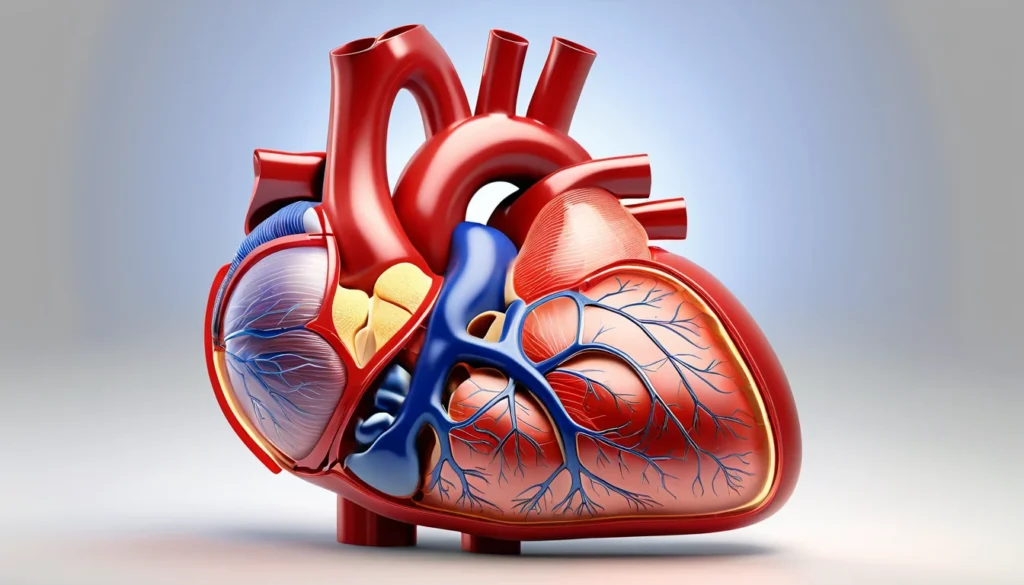
Broken heart syndrome is a real, temporary heart condition triggered by intense emotional stress — such as the sudden loss of a loved one, a shocking breakup, or a traumatic event. It can feel exactly like a heart attack, with sudden chest pain and shortness of breath. However, unlike a heart attack, the arteries are not blocked. Most people recover fully within days to weeks, but it is important to take any chest pain seriously and seek care right away.
What Is Broken Heart Syndrome?
Broken heart syndrome is a medical condition, not just a feeling. Doctors also call it Takotsubo cardiomyopathy or stress cardiomyopathy. It happens when a surge of stress hormones, like adrenaline, temporarily stuns part of the heart muscle.
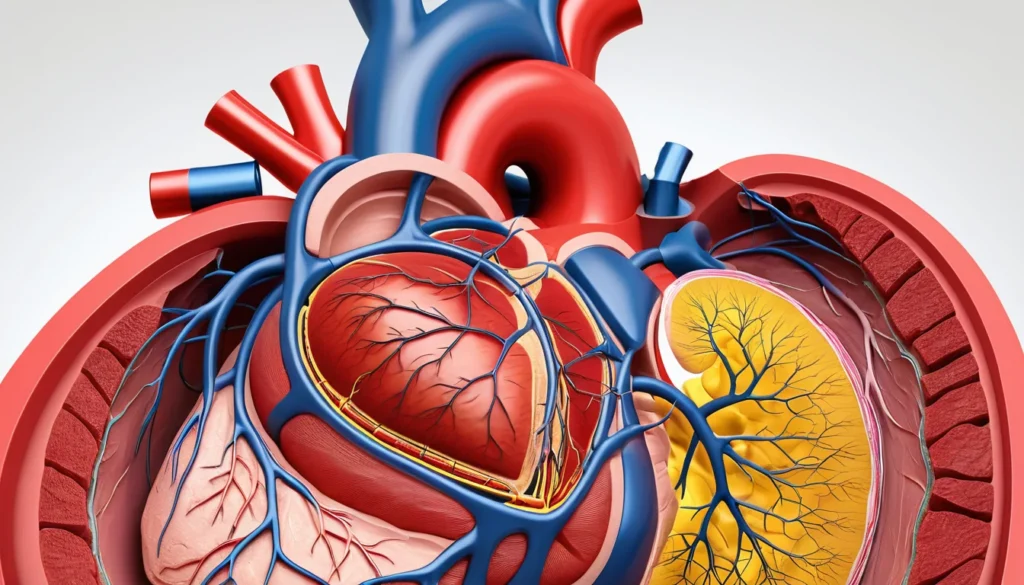
When this occurs, one section of the heart temporarily enlarges and does not pump properly. The rest of the heart may work harder than normal to compensate. This disruption causes symptoms that closely mimic a heart attack.
The condition was first described in 1991 by a Japanese doctor. The name “Takotsubo” comes from a pot used by Japanese fishermen to trap octopuses. On an X-ray, the affected part of the heart looks similar in shape to that pot. Today, the condition is more commonly known as broken heart syndrome or stress cardiomyopathy.
How Is It Different From a Heart Attack?
In a typical heart attack, one or more coronary arteries become blocked. A fatty plaque inside the artery ruptures, and a blood clot forms around it. This cuts off blood flow to part of the heart muscle.
In broken heart syndrome, the arteries are not blocked. Blood flow through the coronary arteries may be reduced, but there is no clot and no rupture. This is an important distinction that doctors use to make the correct diagnosis.
Symptoms of Broken Heart Syndrome
The symptoms of broken heart syndrome can come on suddenly and feel very alarming. They are easy to confuse with a heart attack, which is why emergency care is so important.
Common physical symptoms include:
Sudden, sharp chest pain
Shortness of breath (also called dyspnoea)
Heart palpitations or a racing heartbeat
Dizziness or feeling faint
Beyond physical symptoms, emotional and psychological signs may also appear. These can include:
Deep sadness, grief, or anger
Increased emotional sensitivity
Loss of appetite
Feelings of apathy or withdrawal
Depression or, in serious cases, thoughts of self-harm
If you or someone you know is experiencing thoughts of self-harm, please contact the 988 Suicide Crisis Helpline by calling or texting 988. Help is available across Canada, 24 hours a day.
Can Broken Heart Syndrome Cause a Panic Attack?
Yes, it can. Many people with this condition experience sudden panic attacks. The rush of stress hormones can trigger intense feelings of fear or dread. This emotional response can make the physical symptoms feel even more frightening.
According to Mayo Clinic’s overview of broken heart syndrome, emotional triggers are closely tied to how the heart responds to extreme stress.
What Causes Broken Heart Syndrome?
Doctors believe that a sudden flood of stress hormones — especially adrenaline — temporarily interferes with normal heart function. However, the exact mechanism is still not fully understood. Not everyone who experiences extreme stress will develop this condition.
The most common emotional triggers include:
The unexpected death of a spouse, partner, child, parent, or close friend
A sudden or painful romantic breakup
Receiving a serious or life-threatening diagnosis
Experiencing domestic abuse or violence
A major financial loss
In addition, physical stressors can also trigger broken heart syndrome. These include:
A severe asthma attack
A serious car accident
Major surgery
A significant illness or medical procedure
It is important to note that not every stressful event leads to this condition. Individual factors, including genetics and overall health, likely play a role in who is affected.
Who Is at Risk?
Research shows that broken heart syndrome affects women far more often than men. Studies suggest that roughly 9 out of 10 cases occur in women. The condition appears to be most common in women over the age of 50.
Experts believe that hormonal differences — particularly the decline in oestrogen after menopause — may make women more vulnerable to the effects of stress hormones on the heart. However, men and younger people can also develop the condition.
For more information on how stress affects cardiovascular health, visit Health Canada’s heart disease resources.
Possible Complications
Most people recover from broken heart syndrome without any lasting damage. However, in rare cases, complications can occur. These may include:
Irregular heartbeat (arrhythmia)
Abnormally fast heartbeats (palpitations) or very slow heartbeats (bradycardia)
Fluid buildup in the lungs (pulmonary oedema)
In very rare cases, the condition can be life-threatening. Furthermore, symptoms can return if a person experiences another intense emotional event in the future — though this is uncommon.
When to See a Doctor
Any sudden chest pain or difficulty breathing should be treated as a medical emergency. Call 911 immediately if you experience these symptoms after an emotionally overwhelming event. Do not wait to see if the pain goes away on its own.
Broken heart syndrome is most often diagnosed in an emergency setting, because its symptoms so closely resemble a heart attack. Emergency doctors will run tests — including an ECG and blood work — to tell the difference between the two conditions.
If your symptoms are less urgent, or if you want to discuss your risk factors, book an appointment with your family doctor. If you do not have a family doctor, a walk-in clinic is a good first step. Your provincial health plan covers these visits in all provinces and territories.
Your family doctor or walk-in clinic provider may refer you to a cardiologist (a heart specialist) for further testing. This is a normal part of the process and nothing to be alarmed about.
How to Prepare for Your Appointment
Medical appointments can feel rushed. Therefore, a little preparation goes a long way. Here are a few tips to help you get the most out of your visit:
Write down your symptoms. Include everything, even symptoms that seem unrelated or minor.
Note the timeline. When did symptoms start? What were you doing or feeling at the time?
List your medications. Include any vitamins or supplements you take.
Ask about fasting requirements. Some blood tests require you not to eat beforehand. Ask when you book your appointment.
Bring a support person. A trusted friend or family member can help you remember what the doctor says.
Treatment and Recovery
The good news is that broken heart syndrome is treatable and most people recover fully. In general, the heart returns to normal within one to four weeks. Treatment focuses on supporting the heart while it heals and managing symptoms.
Doctors may recommend rest and, in some cases, medications to reduce the heart’s workload and manage blood pressure or irregular heartbeats. However, because the arteries are not blocked, treatments used in a typical heart attack — like stents — are not needed.
Emotional support is also an important part of recovery. Grief counselling, therapy, or support groups can be very helpful. As a result, many patients benefit from a team approach that addresses both the heart and the mind. Talk to your family doctor about mental health resources available in your province.
For a deeper look at recovery and lifestyle adjustments, Healthline’s guide to broken heart syndrome offers helpful, evidence-based information.
Frequently Asked Questions
Can you actually die from broken heart syndrome?
In very rare cases, broken heart syndrome can be life-threatening, particularly if it leads to serious complications like pulmonary oedema or severe arrhythmia. However, the vast majority of people recover fully within a few weeks. Seeking emergency care quickly greatly improves the outcome.
How long does broken heart syndrome last?
Most cases of broken heart syndrome resolve within one to four weeks with proper rest and medical care. The heart muscle typically returns to normal function during this time. Your doctor will monitor your recovery to make sure there are no lasting effects.
Is broken heart syndrome the same as a heart attack?
No, broken heart syndrome is not the same as a heart attack, even though the symptoms can look identical. A heart attack involves a blocked artery, while broken heart syndrome does not. However, both conditions require immediate medical attention — do not try to diagnose yourself at home.
Can broken heart syndrome happen more than once?
Yes, broken heart syndrome can recur if a person experiences another severe emotional or physical stressor. However, repeat episodes are uncommon. Managing stress and getting emotional support after the first episode may help reduce the risk of it happening again.
Who is most likely to get broken heart syndrome?
Women over the age of 50 are most commonly affected by broken heart syndrome, making up about 90% of reported cases. The drop in oestrogen after menopause may make the heart more sensitive to stress hormones. That said, men and younger women can also develop the condition.
Should I go to the emergency room or a walk-in clinic for broken heart syndrome symptoms?
If you have sudden chest pain or shortness of breath, call 911 or go to the nearest emergency room immediately — do not go to a walk-in clinic first. Walk-in clinics are a good option for follow-up care or if you want to discuss your emotional health and risk factors after an acute episode has passed.
Key Takeaways
Broken heart syndrome is a real, temporary heart condition caused by intense emotional or physical stress.
It closely mimics a heart attack, but the arteries are not blocked.
Symptoms include sudden chest pain, shortness of breath, and emotional distress.
Women over 50 are most commonly affected, but anyone can develop this condition.
Always call 911 for sudden chest pain — never wait to see if it passes.
Most people recover fully within one to four weeks with rest and medical support.
Your family doctor or a walk-in clinic can help you understand your risk and arrange follow-up care through your provincial health plan.
Emotional support and stress management are key parts of recovery.
This article is for informational purposes only and does not replace professional medical advice. Always consult your family doctor, a walk-in clinic provider, or call 911 in an emergency before making any decisions about your health.