Breathing is something most of us never think about — until something goes wrong. Every breath you take delivers oxygen to your cells and removes waste gases from your body. This article explains how your respiratory system works, what can disrupt it, and when to speak with your family doctor or visit a walk-in clinic.
What Is Breathing?
Breathing is the process that moves oxygen from the air into your body and pushes carbon dioxide out. It involves your lungs, airways, blood vessels, and even your brain. Together, these parts form your respiratory system.
Your brain controls breathing automatically. You do not have to think about every breath. However, you can also choose to breathe faster, slower, deeper, or more shallowly — for example, when you swim, sing, or meditate.
According to the World Health Organization’s respiratory health resources, respiratory diseases affect hundreds of millions of people worldwide. Understanding how breathing works is the first step toward protecting your lung health.
How Breathing Works: Step by Step
The process of breathing happens in several stages. Each stage plays a specific role in keeping your cells alive and working properly. Understanding these stages helps explain why even small disruptions can affect how you feel.
Stage 1: Ventilation (Air Moves In and Out)
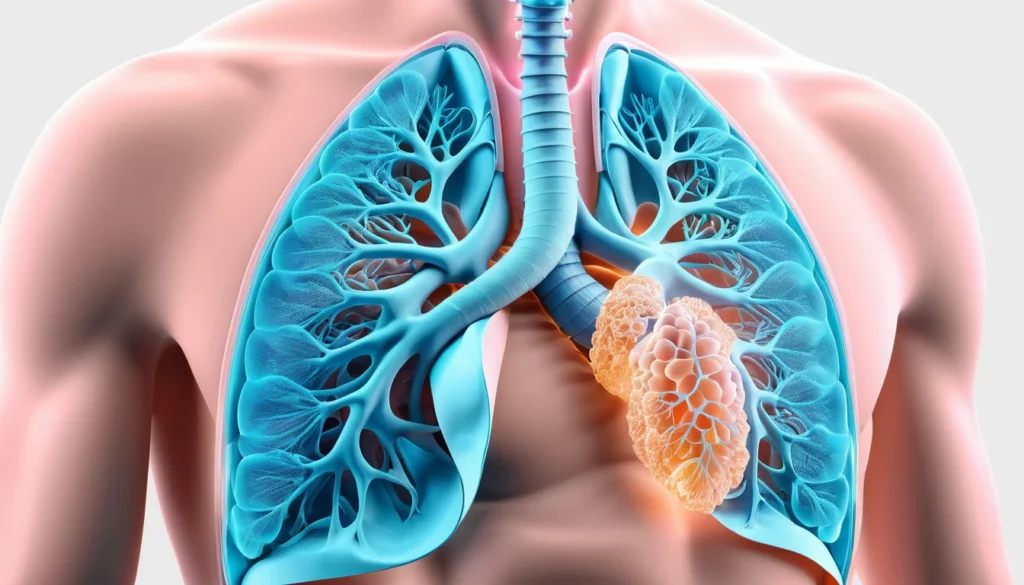
When you inhale, air travels through your nose or mouth, down your windpipe, and into your lungs. The air reaches tiny sacs called alveoli. These sacs are where the real work begins.
Your lungs expand when you breathe in and contract when you breathe out. This movement is driven by your diaphragm — a dome-shaped muscle below your lungs. When the diaphragm contracts, it pulls air in. When it relaxes, air flows back out.
Stage 2: Gas Exchange (Oxygen Enters the Blood)
At the alveoli, oxygen passes through very thin walls into the tiny blood vessels surrounding them. This process is called haematosis or gas exchange. At the same time, carbon dioxide moves out of the blood and into the alveoli, ready to be exhaled.
This exchange happens constantly and extremely quickly. Your blood picks up fresh oxygen with every breath. Therefore, anything that damages the alveoli — such as smoking or certain infections — can seriously reduce your oxygen supply.
Stage 3: Oxygen Transport Through the Blood
Your red blood cells carry oxygen from the lungs to the left side of the heart. From there, the heart pumps this oxygen-rich blood through your arteries to every tissue and organ in your body. Every cell receives the oxygen it needs to produce energy.
In addition, the blood picks up carbon dioxide — a waste product — from the cells. It then carries this waste back through the veins to the right side of the heart, and on to the lungs to be exhaled.
Stage 4: Cellular Breathing
Inside each cell, oxygen is used to convert nutrients into energy. This process is called cellular respiration. It produces the energy your body needs for everything — from moving your muscles to keeping your heart beating.
As a result of cellular respiration, cells also produce carbon dioxide and water as waste products. These are released into the bloodstream and eventually expelled through your lungs when you exhale.
What Controls Your Breathing?
Your breathing is managed by respiratory centres located in your brainstem. These centres constantly monitor the levels of oxygen and carbon dioxide in your blood. When carbon dioxide rises, your brain signals your body to breathe faster.
This automatic control means your breathing adjusts during exercise, sleep, stress, and illness — without any conscious effort on your part. However, you can override this system temporarily. For example, holding your breath or practising deep breathing techniques are ways you consciously control your breathing.
Furthermore, emotions and stress can affect your breathing pattern. Anxiety, for instance, can cause rapid, shallow breathing. This is why breathing exercises are often recommended as part of mental health and wellness programmes in Canada.
Common Breathing Disorders
Many health conditions can disrupt normal breathing. Some are mild and easily managed. Others require ongoing medical care. Here are the most common respiratory disorders Canadians should know about.
Chronic Obstructive Pulmonary Disease (COPD)
COPD is an umbrella term for conditions like chronic bronchitis and emphysema. It causes narrowed airways and damaged lung tissue, making it hard to breathe. Smoking is the leading cause of COPD in Canada.
Symptoms include a persistent cough, increased mucus production, and shortness of breath. Unfortunately, COPD is progressive, meaning it gets worse over time. However, treatment can slow its progression and improve quality of life.
Asthma
Asthma causes the airways to become inflamed and narrowed, often triggered by allergens, cold air, or exercise. It affects approximately 3 million Canadians. Symptoms include wheezing, chest tightness, coughing, and shortness of breath.
Most people with asthma manage it well with inhalers and by avoiding triggers. Your family doctor or a specialist can help create an asthma action plan that fits your lifestyle.
Pulmonary Embolism and Pulmonary Oedema
A pulmonary embolism occurs when a blood clot blocks an artery in the lungs. This is a medical emergency. Symptoms include sudden shortness of breath, chest pain, and rapid heart rate.
Pulmonary oedema is a buildup of fluid in the lungs, often related to heart problems. Both conditions require immediate emergency care. Call 911 or go to your nearest emergency room right away.
Sleep Apnea
Sleep apnea causes breathing to repeatedly stop and start during sleep. It affects many Canadians and is often undiagnosed. Common signs include loud snoring, waking up unrefreshed, and daytime fatigue.
Left untreated, sleep apnea can increase the risk of high blood pressure, heart disease, and diabetes. A family doctor can refer you for a sleep study through your provincial health plan.
Other Respiratory Conditions
Several other conditions can affect your ability to breathe normally. These include:
Tuberculosis (TB): A bacterial infection that primarily affects the lungs. It remains a public health concern in some Canadian communities.
Pulmonary fibrosis: Scarring of the lung tissue that makes breathing difficult over time.
Sarcoidosis: An inflammatory disease that can affect the lungs and other organs.
Cystic fibrosis (mucoviscidosis): A genetic condition that causes thick mucus to build up in the lungs and airways.
Lung cancer: One of the most common and serious cancers in Canada, often linked to smoking.
Neuromuscular diseases: Conditions like myopathy or post-polio syndrome can weaken the muscles used for breathing.
Chest wall deformities: Structural abnormalities that restrict lung expansion.
Pneumoconiosis: Lung disease caused by inhaling dust particles, often seen in certain occupations.
For a comprehensive overview of lung diseases, visit Healthline’s guide to lung disease for more detailed information on each condition.
How to Support Healthy Breathing
Good breathing health starts with daily habits. Many respiratory conditions are preventable or manageable with the right lifestyle choices. Here are practical steps you can take.
Quit smoking: Smoking is the number one cause of preventable lung disease in Canada. Talk to your doctor about quitting aids covered under provincial health plans.
Exercise regularly: Physical activity strengthens your breathing muscles and improves lung capacity.
Avoid air pollution: On days with poor air quality, limit outdoor activity. Check your local air quality index regularly.
Stay vaccinated: Flu and pneumonia vaccines help protect your lungs from serious infections.
Practise deep breathing: Breathing exercises can improve lung function and reduce stress.
Maintain a healthy weight: Excess weight can put pressure on the lungs and make breathing harder.
Reduce indoor pollutants: Use exhaust fans, avoid strong chemicals indoors, and consider an air purifier if you have allergies.
Health Canada’s air quality resources offer practical advice for protecting your respiratory health at home and outdoors.
When to See a Doctor
Many breathing changes are temporary and harmless. However, some symptoms need prompt medical attention. Do not ignore warning signs involving your respiratory system.
Visit your family doctor or a walk-in clinic if you experience:
Shortness of breath that comes on suddenly or gets worse over time
A cough lasting more than three weeks
Wheezing or noisy breathing
Coughing up blood or coloured mucus
Chest pain when breathing
Unusual fatigue or difficulty breathing during normal daily activities
Loud snoring or gasping during sleep (possible sleep apnea)
Call 911 immediately if you have sudden, severe shortness of breath, especially with chest pain, rapid heartbeat, or fainting. These could be signs of a pulmonary embolism or heart attack. Most provincial health plans cover diagnostic tests for breathing problems, including chest X-rays and spirometry (a breathing function test). Your family doctor can order these and refer you to a respiratory specialist if needed.
If you do not have a family doctor, a walk-in clinic can assess many breathing concerns and refer you to appropriate care. Many provinces also offer telehealth services where you can speak with a nurse or doctor by phone or video.
Frequently Asked Questions About Breathing
How many times a day does a healthy adult breathe?
A healthy adult takes between 17,000 and 23,000 breaths per day. Normal breathing rate at rest is about 12 to 20 breaths per minute. This rate increases naturally during exercise, fever, or stress.
What causes shortness of breath without exercise?
Shortness of breath at rest can have many causes, including asthma, anxiety, anaemia, heart conditions, or lung disease. If you experience unexplained difficulty breathing without physical activity, you should speak with a doctor. A walk-in clinic or your family doctor can help identify the cause.
Can breathing exercises actually improve lung health?
Yes, breathing exercises such as diaphragmatic breathing and pursed-lip breathing can strengthen respiratory muscles and improve lung efficiency. They are especially helpful for people with asthma or COPD. Ask your doctor or a respiratory therapist about exercises that are right for you.
What is the difference between breathing and respiration?
Breathing refers to the physical act of inhaling and exhaling air. Respiration is a broader term that includes both the movement of air and the exchange of gases at the cellular level. In everyday language, the two words are often used interchangeably.
Is it normal to feel out of breath climbing stairs?
Mild breathlessness during physical effort like climbing stairs is normal, especially if you are not very active. However, if breathing becomes very difficult after minimal effort, or if it gets worse over time, this could signal an underlying condition. It is worth mentioning to your family doctor at your next visit.
Does air quality in Canada affect breathing?
Yes, air quality has a direct impact on breathing and lung health. Wildfire smoke, traffic pollution, and seasonal allergens can all irritate the airways and worsen conditions like asthma. Health Canada monitors air quality across the country and issues advisories when pollution levels are high.
Key Takeaways
Breathing is an automatic process controlled by your brain, but you can also influence it consciously.
The respiratory system works in stages: ventilation, gas exchange, oxygen transport, and cellular respiration.
Common breathing disorders in Canada include asthma, COPD, sleep apnea, and lung infections.
Healthy habits — such as not smoking, exercising, and staying vaccinated — protect your lung health.
See your family doctor or a walk-in clinic if you have a persistent cough, unexplained shortness of breath, or any other concerning respiratory symptom.
Call 911 for sudden, severe breathing difficulty — it can be a medical emergency.
Most provincial health plans cover breathing tests and specialist referrals. Do not hesitate to use the healthcare system available to you.
This article is for informational purposes only and does not replace professional medical advice. Always consult your family doctor or a qualified healthcare provider about any concerns related to your breathing or respiratory health.