Breast reduction surgery is one of the most common surgical procedures performed in Canada today. It removes excess breast tissue, skin, and fat to reduce the size of the breasts. For many people, this surgery brings real physical relief — and a significant boost to mental well-being. This article explains what the procedure involves, who it is right for, and what recovery looks like.
What Is Breast Reduction Surgery?
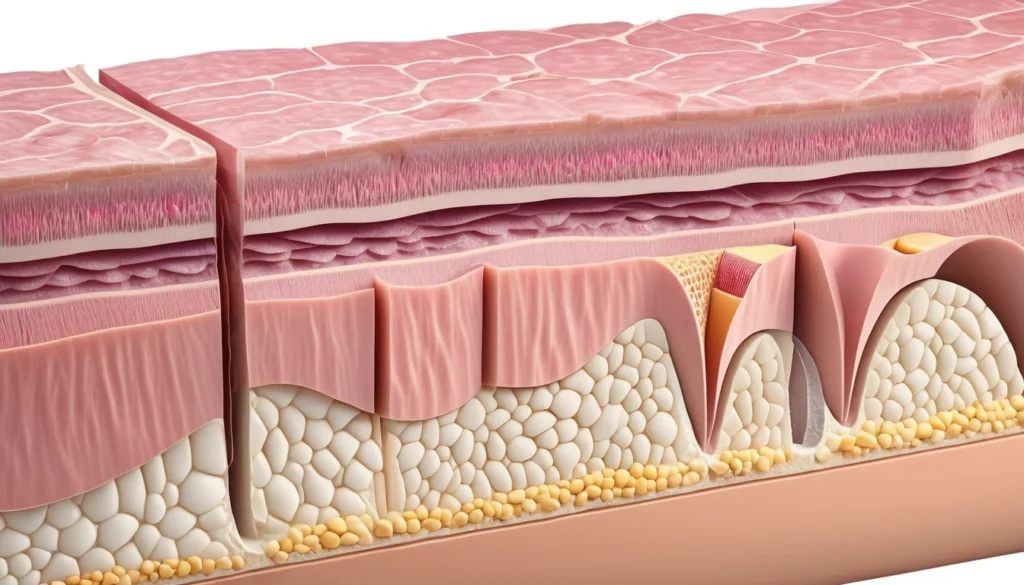
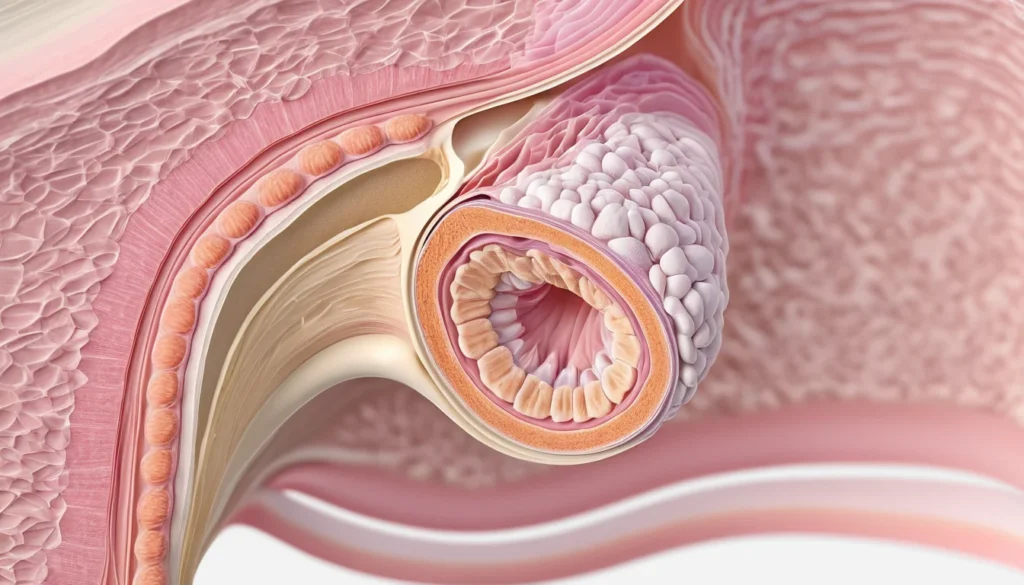
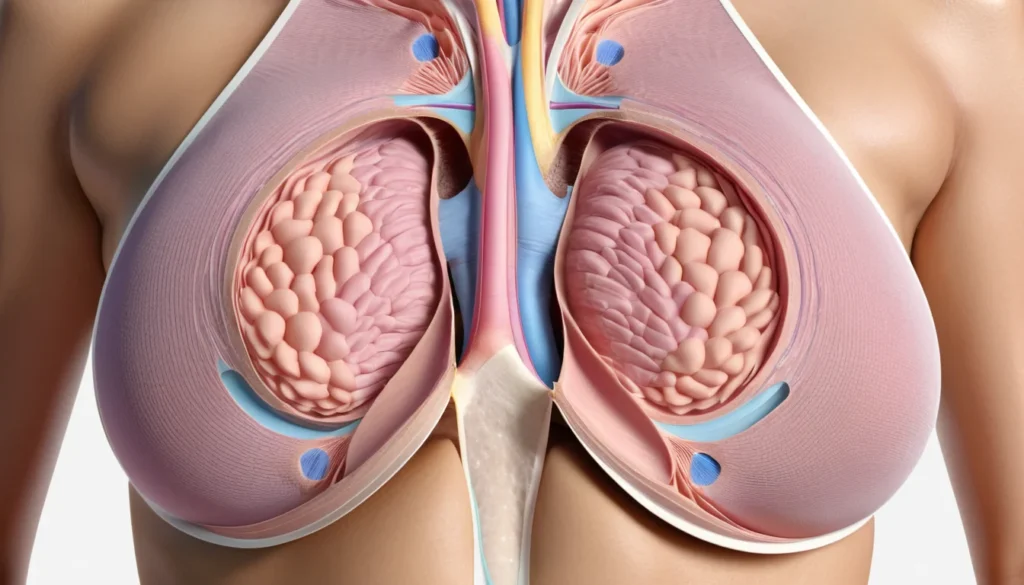
Breast reduction surgery — also called reduction mammaplasty — is a procedure that reduces the size and weight of the breasts. A surgeon removes excess tissue, fat, and skin, then reshapes the breast into a smaller, more comfortable size. The nipple and areola are usually repositioned as well.
This is not purely a cosmetic procedure. For many patients, overly large breasts cause real physical problems that affect daily life. In fact, a Mayo Clinic overview of breast reduction surgery confirms it is frequently performed for both medical and quality-of-life reasons.
Who May Benefit from Breast Reduction Surgery?
People with very large breasts often deal with chronic pain in the neck, shoulders, and back. They may also find it hard to exercise or carry out everyday activities comfortably. Skin irritation and rashes beneath the breasts are also common complaints.
Beyond physical discomfort, large breasts can affect a person’s self-confidence and mental health. Many patients report that breast reduction surgery improved how they feel about themselves. Therefore, the procedure can be considered for both physical and psychological reasons.
Breast Reduction Surgery for Men
Men can also benefit from this type of surgery. A condition called gynaecomastia causes enlarged breast tissue in males, often due to elevated oestrogen levels. Surgeons can perform a reduction to create a flatter, firmer chest appearance.
In men, the procedure may involve liposuction, surgical excision, or a combination of both methods. Liposuction works well when the enlargement is mainly due to excess fatty tissue. Excision techniques are used when there is also excess skin or glandular tissue to remove.
Who Is Not a Good Candidate?
Breast reduction surgery is not suitable for everyone. Your surgeon will carefully review your health history before recommending the procedure. Certain conditions can increase your risk of complications.
You may not be a good candidate if you:
Currently smoke or use tobacco or nicotine products
Have uncontrolled diabetes
Have heart or circulatory problems
Have obesity
Are still actively losing weight
If you are working toward a target weight, most surgeons recommend waiting until you reach that goal. Your final breast size after weight loss may change your decision about surgery. According to Healthline’s guide to breast reduction, being at a stable weight gives you the best long-term results.
How to Prepare for Breast Reduction Surgery
Before your surgery, your doctor will conduct a thorough assessment. This helps ensure you are healthy enough for the procedure and sets realistic expectations. Preparation is an important part of getting a safe outcome.
Your pre-operative assessment may include:
A physical examination of the breasts
A mammogram (breast imaging scan)
A review of your medical history and current medications
Blood and urine tests
You will also need to stop certain medications beforehand. These often include non-steroidal anti-inflammatory drugs (NSAIDs), blood thinners, and antiplatelet medications. Always tell your surgeon about every medication, supplement, or herbal product you take.
Smoking and Surgery Risk
Smoking is one of the most important factors your surgeon will ask about. It significantly increases the risk of complications, including poor wound healing, nipple damage, and tissue death (necrosis). Most surgeons ask patients to stop smoking several weeks before and after the procedure.
This applies to all tobacco and nicotine products, including many e-cigarettes. If you are unsure whether your vaping device counts, ask your surgeon directly. Being honest about your habits protects your health and your outcome.
What Happens During the Procedure?
Breast reduction surgery is typically performed under general anaesthesia. The procedure usually takes between two and five hours. Most patients stay in hospital for one to two nights afterward, though this depends on the surgeon’s assessment.
The surgeon begins by marking the breast with a surgical marker to guide incisions. The exact pattern of the incision depends on the size of the breasts, the position of the nipples, and the patient’s goals. The most common technique is the anchor incision, which follows the edge of the areola, runs vertically down the breast, and then curves along the crease underneath.
Steps of the Surgery
Here is a general outline of what happens during breast reduction surgery:
The surgeon makes an incision around the areola and down toward the breast crease
Excess breast tissue, fat, and skin are removed
The remaining tissue is reshaped
The nipple and areola are repositioned higher on the breast
The incisions are closed with sutures and surgical dressings are applied
In cases where the breasts are very large, the nipple and areola may need to be fully removed and then repositioned as a graft. After surgery, the breasts are bandaged, and small drainage tubes may be placed to remove excess fluid and reduce swelling.
Male Breast Reduction: The Surgical Steps
For men with gynaecomastia, the surgeon makes small incisions along the sides of the breast. A thin tube called a cannula is inserted to suction out excess fatty tissue through liposuction. If glandular tissue or excess skin also needs removal, excision techniques are used alongside liposuction.
Once the tissue is removed, the surgeon repositions the areola and nipple if needed, then closes the incisions with sutures. The result is a flatter, more defined chest contour.
Recovery After Breast Reduction Surgery
Most patients can go home within 24 to 48 hours after surgery, provided there are no complications. However, full recovery takes longer. You should plan to take at least one to two weeks off work, depending on how physically demanding your job is.
During recovery, you can expect some swelling, bruising, and soreness. Your surgeon will prescribe pain relief and give you instructions on wound care. If you have drainage tubes in place, you must keep that area dry and avoid getting it wet.
Here are some general recovery tips:
Wear a supportive surgical bra as directed
Avoid heavy lifting and strenuous activity for several weeks
Keep follow-up appointments with your surgeon
Avoid smoking throughout your recovery period
Watch for signs of infection, such as increased redness, warmth, or discharge
Your surgeon will advise you on when it is safe to return to exercise, driving, and other normal activities. Everyone heals at a different pace, so follow your care team’s guidance rather than a general timeline.
When to See a Doctor
If you are experiencing chronic back, neck, or shoulder pain related to breast size, speak with your family doctor first. They can assess your symptoms, refer you to a specialist, and help you understand whether the procedure is covered under your provincial health plan. In some provinces, breast reduction surgery may be covered when it is considered medically necessary.
If you do not have a family doctor, a walk-in clinic can be a starting point. A clinic doctor can document your symptoms and provide a referral to a plastic surgeon for an assessment. As with any surgical procedure, always consult a qualified medical professional before making a decision about breast reduction surgery.
You should seek prompt medical attention after surgery if you notice sudden increased pain, fever, signs of infection, or unusual discharge from the incision site. Do not wait for your next scheduled appointment if something feels wrong.
Frequently Asked Questions
Is breast reduction surgery covered by provincial health insurance in Canada?
Coverage for breast reduction surgery varies by province. Some provincial health plans cover the procedure when it is deemed medically necessary — for example, when large breasts cause chronic pain or skin problems. Ask your family doctor to help you determine whether you qualify for coverage in your province.
How long does it take to recover from breast reduction surgery?
Most people return to light daily activities within one to two weeks after breast reduction surgery. However, full recovery — including returning to exercise and strenuous work — can take four to six weeks or longer. Your surgeon will give you a personalised recovery plan based on your specific procedure.
Will breast reduction surgery leave permanent scars?
Yes, breast reduction surgery does leave scars, as incisions are required to remove tissue and reshape the breast. However, scars typically fade significantly over time and are usually positioned so they can be concealed by a bra or swimsuit. Your surgeon can discuss scar management options during your consultation.
Can breast reduction surgery affect breastfeeding?
Breast reduction surgery may affect your ability to breastfeed, depending on the technique used and how much tissue is removed. Some people are still able to breastfeed after surgery, while others are not. If you plan to have children in the future, discuss this with your surgeon before proceeding.
What is the difference between breast reduction surgery and a breast lift?
Breast reduction surgery removes tissue to make the breasts smaller and lighter, while a breast lift (mastopexy) raises and reshapes the breasts without significantly reducing their size. Both procedures reposition the nipple and areola. Your surgeon can recommend which option — or which combination — is best suited to your goals.
How do I know if I am a good candidate for breast reduction surgery?
Good candidates for breast reduction surgery are generally in stable overall health, at or near their target weight, and non-smokers. You should also have realistic expectations about results. The best way to find out is to speak with your family doctor and then get a consultation with a certified plastic surgeon. You can also review Health Canada’s surgical safety resources for general guidance.
Key Takeaways
Breast reduction surgery reduces the size and weight of the breasts by removing excess tissue, fat, and skin.
It is performed for both medical reasons (chronic pain, skin irritation) and to improve quality of life and self-confidence.
Men with gynaecomastia can also undergo a form of breast reduction surgery.
Smoking significantly increases surgical risk — patients must stop before and after the procedure.
Pre-operative steps include a physical exam, mammogram, blood tests, and a medication review.
Recovery typically takes one to two weeks for light activity and up to six weeks for full return to exercise.
Coverage under provincial health plans may be available when the surgery is medically necessary — check with your family doctor.
Always consult your family doctor or a qualified surgeon before making any decision about this procedure.