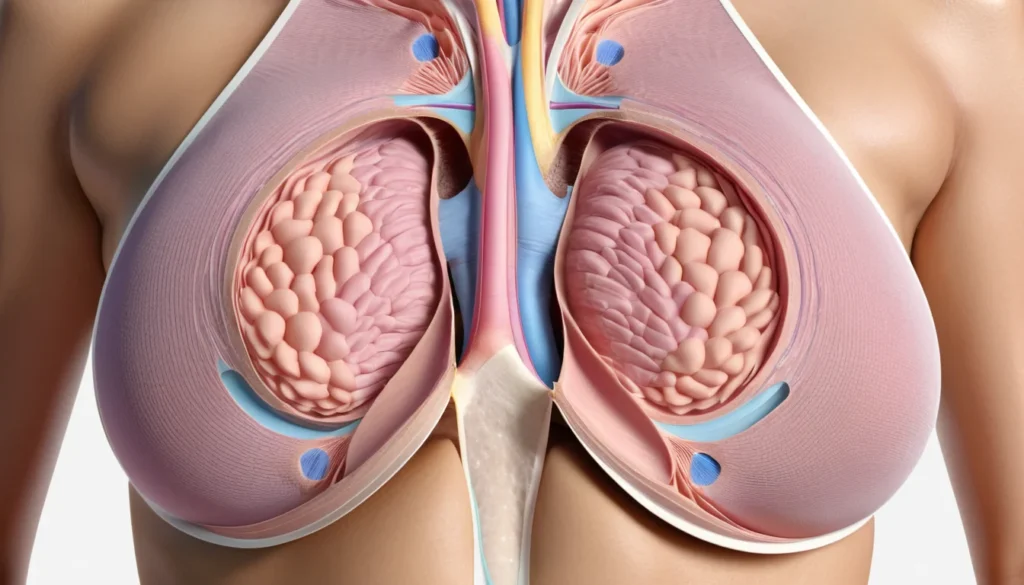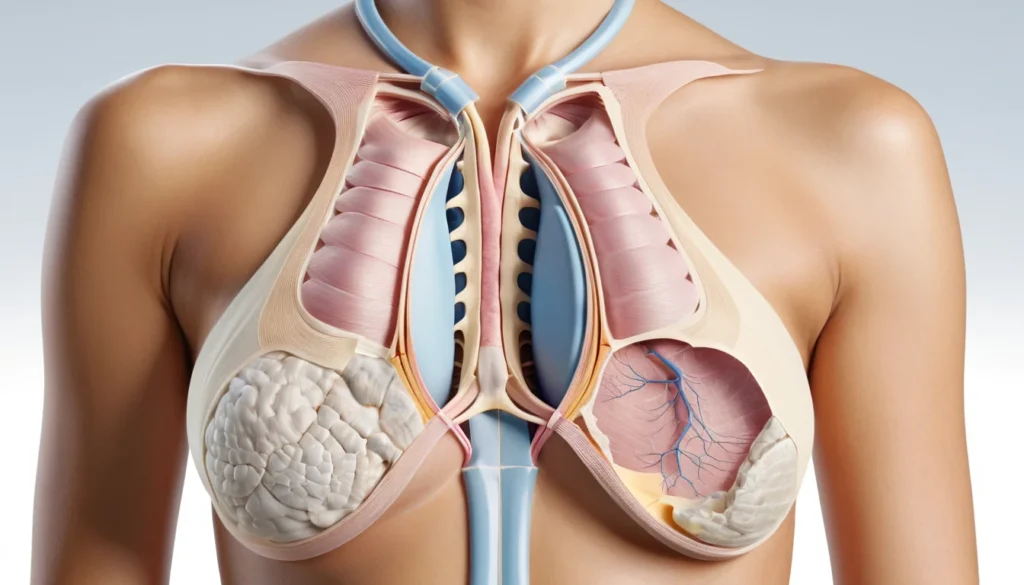
Breast reduction surgery is a major procedure that removes excess breast tissue, skin, and fat to reduce breast size and improve shape. Many Canadians consider this surgery to relieve chronic pain, improve posture, and boost their quality of life. This article explains what to expect before, during, and after the procedure — so you can have an informed conversation with your doctor.
What Is Breast Reduction Surgery?
Breast reduction surgery — also called reduction mammoplasty — reshapes and reduces the size of overly large breasts. Surgeons remove excess glandular tissue, fat, and skin to create a smaller, lighter, and better-proportioned result.
This procedure is an option for people whose breast size causes physical or emotional distress. Common reasons include neck and back pain, limited ability to exercise, skin irritation, and poor posture. In addition, some people choose this surgery simply to feel more comfortable in their body.
Breast reduction surgery is also performed on men. Men with a condition called gynecomastia — the enlargement of breast tissue — may benefit from a similar procedure. Both men and women report high satisfaction rates after surgery. Learn more about breast reduction surgery at the Mayo Clinic.
Who Is a Good Candidate?
Not everyone is a suitable candidate for breast reduction surgery. Your surgeon and family doctor will assess your overall health, medical history, and personal goals before recommending this procedure.
You may be a good candidate if you experience any of the following:
Chronic neck, shoulder, or lower back pain caused by breast weight
Skin rashes or infections under the breasts
Difficulty exercising or staying physically active
Nerve pain or numbness in the shoulders from bra straps
Emotional distress or low self-confidence related to breast size
Breast tissue enlargement due to gynecomastia (in men)
However, your surgeon may advise you to wait if you plan to become pregnant, are still growing, or have uncontrolled health conditions. Smoking significantly affects healing, so most surgeons require patients to stop smoking before and after the procedure.
How to Prepare for Breast Reduction Surgery
Preparation begins well before your surgery date. Your plastic surgeon will conduct a thorough consultation to review your medical history and understand your goals.
Your Pre-Surgery Consultation
During your first appointment, your surgeon will ask about your personal and family medical history. This includes any history of breast cancer in close relatives. It is important to be honest and open during this conversation — share all past health conditions, even if they seem unrelated.
Your surgeon will also measure your breasts, take photographs, and discuss how much tissue needs to be removed to achieve your desired result. Furthermore, you will likely need a mammogram and a physical breast examination before your surgery date.
Medications and Lifestyle Changes
Your surgeon will review all medications you currently take. Blood thinners, anti-inflammatory drugs, and certain supplements must be stopped before surgery to reduce bleeding risk. Your doctor will give you a specific timeline for this.
You must also stop smoking well in advance of your surgery. Smoking reduces blood flow and slows healing. Most surgeons require patients to quit at least four to six weeks before the procedure. In addition, you should arrange for someone to drive you home and help you for the first few days of recovery.
In Canada, your family doctor or a referring specialist can help coordinate pre-surgical testing. Many provincial health plans may cover breast reduction surgery if it is deemed medically necessary — for example, if you have documented chronic pain. Check with your provincial health plan to understand your coverage.
What Happens During the Procedure
Breast reduction surgery takes place under general anaesthesia, which means you will be fully asleep throughout. The procedure typically lasts two to three hours, though this can vary depending on your individual needs.
Liposuction Method
For patients who need only a minor reduction, surgeons may use liposuction alone. The surgeon makes small incisions and inserts a thin tube to suction out excess fatty tissue. This method leaves minimal scarring and suits people who have good skin elasticity.
Vertical Incision Method
This technique involves an incision around the nipple and another running vertically down the lower breast. The surgeon removes excess skin, fat, and tissue, then repositions the breast for a natural appearance. This method works well for moderate reductions.
Inverted-T or Anchor Method
This is the most common technique for significant reductions. The surgeon makes three incisions: around the areola, vertically down the breast, and along the crease under the breast. This approach allows the greatest reshaping and is used for very large or uneven breasts.
After the surgery, your surgeon may place small drainage tubes in each breast to remove excess fluid. You will wear a supportive surgical bra during your recovery. Healthline provides a detailed overview of breast reduction techniques if you want to learn more.
Common Side Effects and Risks
Like all major surgeries, breast reduction surgery carries some risks. Understanding these helps you make an informed decision and know what to watch for during recovery.
Expected Side Effects
Most patients experience some swelling, bruising, and breast tenderness after surgery. Fatigue is also very common in the first week. Your surgeon will prescribe pain medication to help manage discomfort in the early days.
All methods of breast reduction surgery leave scars. The size and shape of scars depend on the technique used. However, scars typically fade and flatten over time. Avoid heavy lifting in the first weeks after surgery, as this can affect how well your scars heal.
Potential Complications
Serious complications are rare but possible. These include:
Infection at the incision site
Poor or slow wound healing
Changes in nipple or breast sensation
Temporary or permanent loss of sensation
Blood clots or unexpected bleeding
Asymmetry in breast shape or size
Difficulty or changes in breastfeeding ability
Breastfeeding after breast reduction surgery is sometimes possible, but it varies from person to person. If you plan to breastfeed in the future, discuss this with your surgeon before deciding on a procedure. For a deeper look at surgical risks, visit Health Canada’s information on breast procedures.
Recovery After Breast Reduction Surgery
Recovery time varies from person to person. However, most patients need at least one to two weeks off work. If your job involves physical labour, you may need more time before returning.
In the first week, it is normal to feel tired and sore. Your surgeon will prescribe oral pain medication to help. You should rest as much as possible and avoid lifting anything heavy.
Physical activity must be avoided for at least one month after surgery. This includes exercise, sports, and any strenuous movement. Returning too soon can affect healing and increase the risk of complications.
Most people see their final results within three to six months, once swelling has fully resolved. The majority of patients are very satisfied with their outcome. Many report significant relief from back and neck pain, as well as improved confidence and daily comfort.
When to See a Doctor
If you are considering breast reduction surgery, start by speaking with your family doctor. They can assess whether the surgery is medically appropriate for you and provide a referral to a plastic surgeon. If you do not have a family doctor, a walk-in clinic can help you get started.
After your surgery, contact your surgeon or go to a walk-in clinic right away if you notice any of the following:
Increased redness, swelling, or warmth around the incision
Fever above 38°C (100.4°F)
Unusual discharge or odour from the wound
Sudden or severe pain not controlled by medication
Numbness or significant changes in skin colour around the nipple
Always follow up with your surgical team as scheduled. Do not hesitate to reach out between appointments if something feels wrong. Early attention to complications leads to better outcomes.
Please speak with a qualified healthcare provider before making any decisions about breast reduction surgery. Every person’s situation is different, and only your doctor can give you advice tailored to your health.
Frequently Asked Questions About Breast Reduction Surgery
Is breast reduction surgery covered by provincial health plans in Canada?
In some provinces, breast reduction surgery may be covered if it is considered medically necessary — for example, if you have documented chronic back or neck pain. Coverage rules vary by province, so check with your provincial health plan or ask your family doctor for guidance before booking a consultation.
How long does recovery from breast reduction surgery take?
Most patients need one to two weeks off work after breast reduction surgery, depending on their job type. Physical activity and exercise should be avoided for at least one month. Full results, with swelling completely resolved, are usually visible within three to six months.
Will breast reduction surgery leave scars?
Yes, all techniques used in breast reduction surgery leave some scarring. The size and location of scars depend on the method your surgeon uses. However, most scars fade significantly over time, especially with proper wound care and sun protection.
Can I breastfeed after having breast reduction surgery?
Breastfeeding after breast reduction surgery is possible for some patients, but it is not guaranteed. The ability to breastfeed depends on the surgical technique used and how much glandular tissue was removed. If breastfeeding is important to you, discuss this with your surgeon before deciding on the procedure.
Can men have breast reduction surgery?
Yes, men with a condition called gynecomastia — the abnormal enlargement of breast tissue — can undergo breast reduction surgery. The procedure removes excess tissue and fat to create a flatter chest. Men report high satisfaction rates with this surgery, both physically and emotionally.
What is the difference between breast reduction surgery and a breast lift?
Breast reduction surgery removes excess tissue, fat, and skin to make breasts smaller and lighter. A breast lift, on the other hand, repositions and reshapes the breasts without significantly reducing their size. Some patients undergo both procedures at the same time — your surgeon can advise which approach suits your goals.
Key Takeaways
Breast reduction surgery removes excess breast tissue, fat, and skin to reduce size and relieve discomfort.
Good candidates include people with chronic back or neck pain, limited physical activity, or emotional distress related to breast size.
Preparation involves a detailed consultation, a mammogram, stopping smoking, and adjusting certain medications.
Three main surgical techniques exist: liposuction, vertical incision, and the inverted-T (anchor) method.
Recovery takes one to two weeks for most patients, with full physical activity resuming after one month.
Some provincial health plans in Canada cover this surgery if it is medically necessary — always check your coverage.
Speak with your family doctor or visit a walk-in clinic to start the process and get a referral to a plastic surgeon.
Always consult a qualified healthcare provider before making any decisions about surgery.