Breast milk is the natural liquid produced by a mother’s mammary glands after childbirth. It is widely considered the gold standard of infant nutrition. This article covers how breast milk is made, what it contains, its health benefits for both baby and mother, and when to reach out to your family doctor or a local breastfeeding clinic for support.
What Is Breast Milk?
Breast milk is a complex, living fluid. It contains the exact balance of nutrients a newborn needs to grow and thrive. No formula has ever fully replicated it.
Milk production usually begins around two to three days after birth. However, a thick, yellowish fluid called colostrum is produced during the final weeks of pregnancy and the first few days after delivery. Colostrum is often called “liquid gold” because it is packed with antibodies and immune-boosting proteins.
As a result, even a small amount of colostrum delivers powerful protection to a newborn’s fragile immune system. Many healthcare providers across Canada encourage mothers to breastfeed as soon as possible after birth to take full advantage of this early milk.
How Does Breast Milk Production Work?
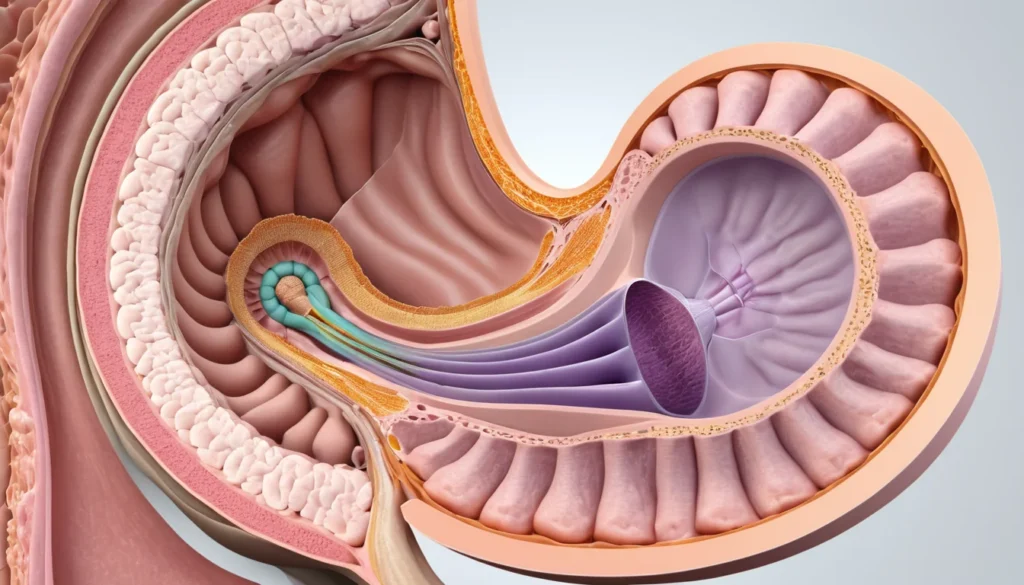
Your body begins preparing for milk production during pregnancy. Hormones like prolactin and oxytocin play key roles. Prolactin signals the body to produce milk, while oxytocin triggers the “let-down reflex” — the release of milk when your baby feeds.
Milk supply works on a simple principle: supply meets demand. The more your baby feeds, the more milk your body produces. Therefore, frequent feeding in the early days helps establish a strong and steady supply.
For example, newborns typically feed 8 to 12 times per day. This frequent feeding pattern sends continuous signals to your body to keep producing milk. Many Canadian mothers find support through public health nurses and lactation consultants, who are often available through provincial health programmes.
The Three Stages of Breast Milk
Breast milk changes as your baby grows. There are three main stages:
Colostrum: The first milk, produced in the first few days. It is thick, yellowish, and rich in antibodies.
Transitional milk: Appears between days 3 and 14. It is creamier and higher in fat and calories than colostrum.
Mature milk: The main milk your body produces from about two weeks onward. It contains the right balance of water, fat, protein, and carbohydrates for your growing baby.
Furthermore, mature breast milk itself changes during each feeding. The milk at the start of a feed, called foremilk, is thinner and more watery. The milk toward the end, called hindmilk, is richer in fat and helps your baby feel full and satisfied.
What Does Breast Milk Contain?
Breast milk is far more than just food. It is a dynamic substance that adapts to your baby’s needs. Its composition even shifts based on your baby’s age, the time of day, and how long they feed.
Here is a breakdown of the key components found in mature breast milk:
Water: Makes up about 87% of breast milk and keeps your baby well hydrated.
Fats: Provide around 50% of the calories in breast milk. They are essential for brain development.
Lactose: The primary carbohydrate in breast milk. It provides energy and supports healthy gut bacteria.
Proteins: Include whey and casein, which are easy for babies to digest. They also carry antibodies and enzymes.
Vitamins and minerals: Breast milk contains vitamins A, C, D, E, and K, as well as calcium, iron, and zinc.
Antibodies and immune factors: These protect your baby from infections and support immune development.
Prebiotics and probiotics: Support the growth of healthy gut bacteria in your newborn.
Hormones and growth factors: Help regulate your baby’s development and sleep patterns.
In addition, the World Health Organization (WHO) recommends exclusive breastfeeding for the first six months of life, followed by continued breastfeeding alongside solid foods for two years or beyond. This recommendation is widely supported by Canadian health authorities.
Health Benefits of Breast Milk for Your Baby
The benefits of breast milk for babies are well documented. Research consistently shows that breastfed babies have better health outcomes across many areas.
Immune System Protection
Breast milk passes the mother’s antibodies directly to the baby. This gives newborns immediate, temporary protection against bacteria and viruses. As a result, breastfed babies tend to get fewer ear infections, respiratory illnesses, and stomach bugs.
This protection is especially important in the first few months of life. A newborn’s immune system is still developing. Breast milk acts as a shield while that system matures.
Brain and Physical Development
The fats in breast milk, particularly DHA (docosahexaenoic acid), are critical for brain and eye development. Studies show that breastfed babies may have slightly higher cognitive scores later in childhood. Furthermore, breast milk supports healthy weight gain and reduces the risk of obesity later in life.
Breast milk also helps protect against sudden infant death syndrome (SIDS), according to Mayo Clinic’s breastfeeding resources. The reasons are not fully understood, but the protective link is consistently seen in research.
Gut Health
Breast milk helps seed your baby’s gut with healthy bacteria. These bacteria form the foundation of your baby’s microbiome — the community of microorganisms that live in the digestive system. A healthy microbiome supports digestion, immunity, and even mental health.
In addition, the proteins in breast milk are easier to digest than those in formula. This means less gas, less constipation, and softer stools for your baby.
Health Benefits of Breastfeeding for Mothers
Breastfeeding is not only good for babies. It also offers real, meaningful health benefits for mothers. Many Canadian women are surprised to learn how much their own bodies benefit from nursing.
Faster postpartum recovery: Oxytocin released during breastfeeding helps the uterus contract back to its pre-pregnancy size more quickly.
Reduced risk of certain cancers: Research shows that breastfeeding lowers the risk of breast cancer and ovarian cancer.
Lower risk of type 2 diabetes: Breastfeeding improves insulin sensitivity in mothers.
Bone health: Women who breastfeed may have a lower risk of osteoporosis later in life.
Mental health support: The hormones released during breastfeeding can promote feelings of calm and bonding.
Natural family planning: Exclusive breastfeeding can delay the return of menstruation, though it is not a reliable form of birth control.
Furthermore, breastfeeding is cost-effective. Infant formula is expensive, and costs can add up quickly. For families on provincial health plans or those managing tight budgets, breastfeeding provides a significant financial benefit.
Common Breastfeeding Challenges and How to Manage Them
Many new mothers face challenges with breastfeeding, especially in the first few weeks. This is completely normal. Most problems can be solved with the right support.
Sore or Cracked Nipples
This is one of the most common complaints. It is usually caused by a poor latch — the way your baby attaches to your breast. A lactation consultant can assess your baby’s latch and suggest simple adjustments. Most latch issues resolve quickly once corrected.
Low Milk Supply
Some mothers worry they are not producing enough milk. However, true low supply is less common than many people think. Feeding more frequently, staying well hydrated, and getting enough rest can all help increase supply. Talk to your family doctor or a public health nurse if you have ongoing concerns.
Engorgement
Engorgement happens when your breasts become overly full and painful, usually in the first few days after birth. Feeding your baby on demand and expressing a small amount of milk between feeds can help relieve discomfort.
Mastitis
Mastitis is an infection of the breast tissue. It causes redness, warmth, swelling, and flu-like symptoms. It is important to continue breastfeeding or pumping to keep milk flowing. However, you should see a doctor promptly, as antibiotics are often needed.
According to Healthline’s guide to common breastfeeding problems, most breastfeeding challenges are manageable with timely support and good information.
Breastfeeding Support in Canada
Canada has a strong network of support for breastfeeding mothers. You do not have to navigate this journey alone.
Most provinces and territories offer free lactation support through public health units. Many hospitals also have lactation consultants on staff. Your family doctor or midwife can refer you to local breastfeeding clinics or community health centres.
In addition, community organizations like the La Leche League of Canada offer peer support groups across the country. These groups connect new mothers with experienced breastfeeding parents. They can be a wonderful source of encouragement and practical advice.
If you had a difficult birth or your baby was born prematurely, special support is available through neonatal intensive care units (NICUs) and provincial health programmes. Even in these situations, providing breast milk — even through pumping — is often possible and highly encouraged.
When to See a Doctor
Breastfeeding is a natural process, but sometimes medical guidance is needed. Do not hesitate to reach out to your family doctor, a walk-in clinic, or your local public health nurse if you notice any of the following:
Your baby is not gaining weight as expected
Your baby has fewer than six wet diapers per day after the first week
You develop signs of mastitis — redness, swelling, fever, or flu-like symptoms
You experience persistent nipple pain despite correcting the latch
You feel depressed, anxious, or overwhelmed — postpartum mood disorders are common and treatable
You have concerns about your milk supply that do not improve with home strategies
Your baby seems unusually sleepy, difficult to wake for feeds, or shows signs of jaundice
Your provincial health plan covers visits to your family doctor for breastfeeding concerns. Many walk-in clinics also have nurses who can help. You deserve support — asking for help is a sign of strength, not weakness.
Frequently Asked Questions About Breast Milk
When does breast milk come in after birth?
Most mothers begin producing mature breast milk around two to three days after delivery. Before that, the breasts produce colostrum — a thick, nutrient-rich fluid that provides essential antibodies to your newborn. If your milk seems delayed, speak with a lactation consultant or your family doctor.
How long should I breastfeed my baby?
Health Canada and the World Health Organization recommend exclusive breastfeeding for the first six months of life. After that, continuing to offer breast milk alongside solid foods until two years of age or longer is encouraged. However, every family’s situation is different, and any amount of breastfeeding provides benefits.
Can I store breast milk, and for how long?
Yes, breast milk can be safely stored at room temperature for up to four hours, in the refrigerator for up to four days, and in the freezer for up to six months. Always label your containers with the date and use the oldest milk first. Use clean, BPA-free containers or breast milk storage bags.
Does what I eat affect my breast milk?
Yes, your diet does influence the composition and taste of your breast milk. Eating a balanced, nutritious diet rich in vegetables, whole grains, lean protein, and healthy fats supports good milk quality. Some babies may seem fussy after you eat certain foods, such as dairy or caffeine, but this varies widely from one baby to another.
Is it safe to breastfeed if I am sick?
In most cases, yes — it is safe and even beneficial to continue breastfeeding when you have a common cold or flu. Your breast milk will actually pass protective antibodies to your baby, helping them fight off the same illness. However, always check with your doctor or pharmacist before taking any medications while breastfeeding.
What should I do if my breast milk supply is low?
If you feel your breast milk supply is low, try feeding more frequently, ensuring a good latch, and drinking plenty of fluids. Stress and fatigue can also reduce supply, so rest when you can. If the problem continues, reach out to a lactation consultant or your family doctor for a full assessment and personalized guidance.
Key Takeaways
Breast milk is produced by the mammary glands and typically comes in fully around two to three days after birth, preceded by colostrum. It contains a unique mix of fats, proteins, carbohydrates, antibodies, vitamins, and