Breast lift surgery, known medically as mastopexy, is a cosmetic procedure that reshapes and raises the breasts. Many Canadian women consider this surgery after pregnancy, significant weight changes, or simply as part of natural ageing. This article explains what the procedure involves, who it is right for, and what to expect before and after the operation. As always, speak with your family doctor before making any decisions about elective surgery.
What Is Breast Lift Surgery?
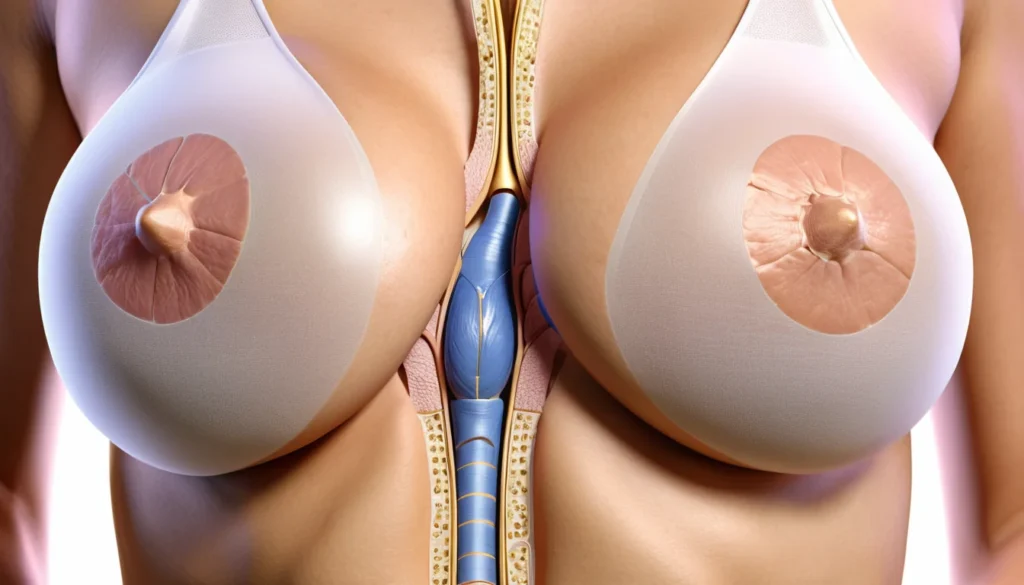
Breast lift surgery is performed by a certified plastic or cosmetic surgeon. The goal is to change the shape and position of the breasts, not their size. It is different from breast augmentation, which uses implants to increase breast size.
The medical term for this procedure is mastopexy. A surgeon removes excess skin and tightens the surrounding tissue. This reshapes and supports the new breast contour. In some cases, the surgeon can also reduce the size of the areola — the darker skin around the nipple.
If you want to change both the shape and size of your breasts, surgeons can combine a breast lift with augmentation or breast reduction. Your surgeon will discuss which approach best fits your goals.
Why Do Women Choose Breast Lift Surgery?
Breasts change throughout a woman’s life for many reasons. These changes can affect self-confidence and physical comfort. Breast lift surgery helps restore a more youthful breast position and shape.
Pregnancy and Breastfeeding
During pregnancy, the ligaments that support the breasts stretch as they grow heavier. After delivery and weight loss, those ligaments often stay stretched. As a result, the breasts may sag or lose their shape. This can happen whether or not you breastfeed.
Weight Changes
Gaining and losing weight repeatedly stretches the skin. Over time, the skin loses its elasticity. This is a common reason women in Canada seek breast lift surgery after a major weight loss journey.
Gravity and Ageing
Even without pregnancy or weight changes, gravity works on breast tissue over time. The ligaments slowly stretch, and the breasts begin to droop. This is a natural part of ageing, and many women find it affects their confidence.
Breast Asymmetry
Some women are born with noticeably uneven breasts. Others develop asymmetry over time. Breast lift surgery, sometimes combined with other procedures, can reduce this unevenness. The result is a more balanced, symmetrical appearance.
Who Should Wait Before Having This Surgery?
Breast lift surgery is not right for everyone at every stage of life. There are some situations where it is better to wait.
If you plan to become pregnant in the future, most surgeons recommend delaying the procedure. Pregnancy will stretch the breast tissue again, which reduces the long-term results of the surgery. Furthermore, breastfeeding after a breast lift is often still possible, but it may be more difficult for some women.
Women with smaller breasts tend to have longer-lasting results from mastopexy. Larger, heavier breasts are more likely to sag again over time due to their weight. Your surgeon will discuss realistic expectations based on your individual situation.
Maintaining a stable weight before surgery is also important. Significant weight changes after the procedure can alter your results.
Risks and Complications to Know
Like any surgical procedure, breast lift surgery carries some risks. However, it is generally considered a safe operation when performed by a qualified surgeon. You should always review these risks carefully before giving your consent.
According to Mayo Clinic’s overview of breast lift surgery, common risks and complications include the following.
Scarring
All breast lift surgeries leave permanent scars. However, in most cases, scars fade significantly within one to two years. Rarely, some people develop raised or thickened scars, known as hypertrophic scarring. Your surgeon will do their best to place incisions in less visible areas.
Changes in Sensation
Some women experience temporary numbness in the nipples or breast skin after surgery. Sensation usually returns within a few weeks. In rare cases, some loss of feeling may be permanent.
Breastfeeding Difficulties
Breastfeeding is usually still possible after a breast lift. However, some women produce less milk after the procedure. If you plan to breastfeed in the future, discuss this openly with your surgeon before deciding.
General Surgical Risks
As with any major surgery, breast lift surgery carries risks of bleeding, infection, and adverse reactions to anaesthesia. Allergic reactions to surgical materials are also possible, though uncommon. Your surgeon will take steps to minimise all of these risks.
For a broader overview of surgical risks, Healthline’s guide to breast lift procedures offers reliable, easy-to-understand information.
How to Prepare for Breast Lift Surgery
Good preparation makes a big difference in your recovery and results. Your surgeon will give you specific instructions, but here are the general steps most patients follow.
Initial Consultation
Your first step is a consultation with a certified cosmetic or plastic surgeon. During this appointment, your surgeon will review your medical history, including any past illnesses and current medications. A family history of breast cancer is especially important to mention.
Your surgeon will also examine your breasts. They will assess the position of your nipples, the degree of asymmetry, and the elasticity of your skin. Together, you will discuss what results you hope to achieve.
Getting a Mammogram
Most surgeons recommend a baseline mammogram before breast lift surgery. You will likely need another one a few months after the procedure. This helps detect any changes in breast tissue. Talk to your family doctor about getting a referral through your provincial health plan if needed.
Stop Smoking
Smoking reduces blood flow to the skin and slows healing. If you smoke, your surgeon will ask you to stop at least several weeks before the operation. Quitting smoking also improves your overall surgical safety and recovery.
Review Your Medications
You will likely need to avoid certain medications before surgery. These include aspirin, anti-inflammatory drugs, and some natural health supplements. These can increase the risk of bleeding during and after the procedure.
Reach a Stable Weight
It is important to be at or near your goal weight before surgery. Significant weight changes after the procedure can affect your results. Consider speaking with your family doctor about a healthy diet and exercise plan beforehand.
Arrange Help at Home
You will need someone to drive you home after surgery. In the first few days of recovery, you will also need help with everyday tasks. Simple activities like combing your hair or washing it can be difficult right after the procedure.
What Happens During the Procedure?
Breast lift surgery is performed under general anaesthesia. The entire procedure typically takes two to three hours. The surgeon makes incisions to remove excess skin and reshape the breast tissue.
There are several incision techniques, and your surgeon will choose the best one based on your breast size and the degree of lifting needed. Incisions are commonly made around the areola, vertically below the areola, or along the natural fold beneath the breast. Each approach results in different scar patterns, which your surgeon will explain in detail during your consultation.
After reshaping the tissue, the surgeon repositions the nipple and areola higher on the breast. If the areola is enlarged, the surgeon can reduce its size at the same time. The incisions are then closed with sutures.
For more information on surgical techniques, Health Canada’s information on breast implants and cosmetic procedures is a helpful starting point for Canadian patients.
Recovery After Breast Lift Surgery
Most women return to light activity within one to two weeks. However, full recovery takes several weeks, and strenuous exercise should be avoided for at least four to six weeks.
You will likely wear a supportive surgical bra during the healing process. Swelling and bruising are normal in the first few weeks. Your surgeon will schedule follow-up appointments to monitor your healing and address any concerns.
Scars will be red and raised at first. Over time, they fade and flatten. Using sunscreen on scar areas can help prevent them from darkening permanently.
When to See a Doctor
If you are considering breast lift surgery, your first step should be a conversation with your family doctor. They can help you understand whether you are a good candidate and provide a referral to a qualified plastic surgeon in your province. If you do not have a family doctor, a walk-in clinic can be a helpful starting point.
After surgery, contact your surgeon or go to a walk-in clinic immediately if you notice signs of infection, such as increasing redness, warmth, swelling, or discharge from the incision site. Seek emergency care if you experience severe pain, difficulty breathing, or signs of an allergic reaction.
It is also important to keep up with routine breast cancer screening through your provincial health plan. A breast lift does not increase your cancer risk, but ongoing mammograms remain an essential part of your health care.
Frequently Asked Questions About Breast Lift Surgery
Is breast lift surgery covered by provincial health insurance in Canada?
In most provinces, breast lift surgery is considered a cosmetic procedure and is not covered by provincial health plans. However, if the surgery is deemed medically necessary — for example, to correct severe asymmetry after a mastectomy — partial or full coverage may apply. Speak with your family doctor and contact your provincial health authority to confirm what is covered in your situation.
How long do the results of breast lift surgery last?
The results of breast lift surgery are long-lasting, but they are not permanent. Ageing, gravity, and future pregnancies or weight changes can all affect the results over time. Women with smaller, lighter breasts generally enjoy longer-lasting outcomes from mastopexy.
Can I breastfeed after having a breast lift?
Most women can still breastfeed after breast lift surgery, but some may experience a reduced milk supply. The procedure can affect some of the milk ducts or glandular tissue, depending on the technique used. If breastfeeding is a priority for you, discuss this with your surgeon before the procedure.
What is the difference between a breast lift and breast augmentation?
Breast lift surgery reshapes and raises existing breast tissue without changing the overall size. Breast augmentation uses implants to increase breast size. Some women choose to combine both procedures to achieve their desired shape and volume.
How painful is recovery from breast lift surgery?
Most women describe the discomfort after breast lift surgery as moderate and manageable with prescribed pain medication. Swelling, bruising, and tightness are common in the first one to two weeks. Most patients return to light daily activities within about two weeks, with full recovery taking four to six weeks.
What scars should I expect after breast lift surgery?
Scarring is a permanent result of breast lift surgery, but scars typically fade significantly within one to two years. Their location depends on the surgical technique used, and your surgeon will discuss the scar pattern with you beforehand. Protecting scars from sun exposure can help them heal with less visible discolouration.
Key Takeaways
Breast lift surgery (mastopexy) reshapes and raises the breasts without changing their size.
Common reasons for the procedure include changes from pregnancy, weight loss, ageing, and breast asymmetry.
The surgery is best delayed if you plan future pregnancies, as this can affect long-term results.
Risks include scarring, temporary or permanent changes in sensation, and general surgical risks such as infection and bleeding.
Good preparation — including a mammogram, stopping smoking, and reaching a stable weight — improves your results and safety.
In Canada, breast lift surgery is typically not covered by provincial health plans as it is considered cosmetic.
Always start with a conversation with your family doctor or visit a walk-in clinic to explore your options and get a qualified referral.
This article is for general information only. Please consult a qualified medical professional before making any decisions about surgery.