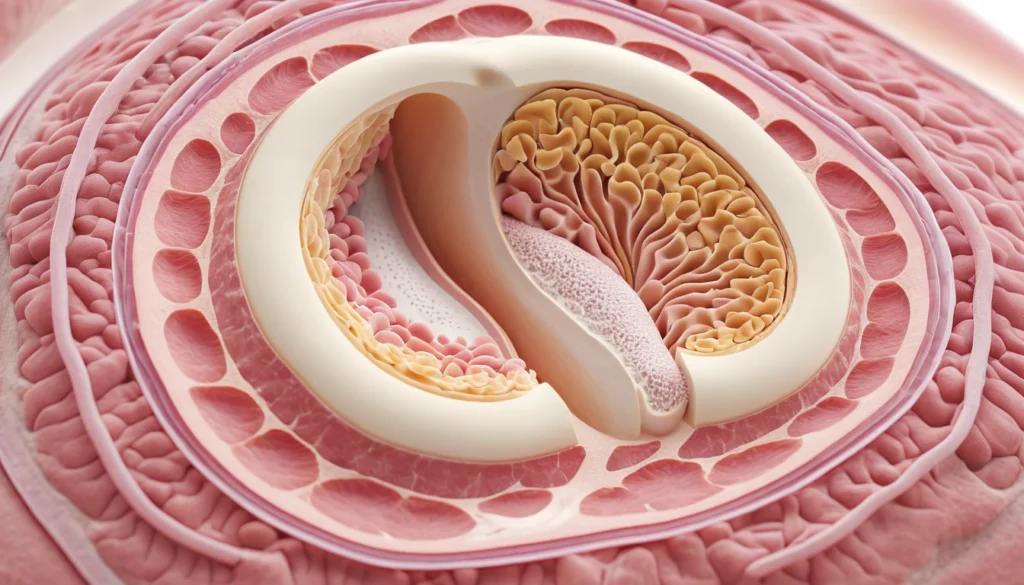
A breast fibroadenoma is a benign (non-cancerous) breast lump that most often appears in women in their teens and twenties. It is one of the most common breast conditions in young women across Canada. This article explains what breast fibroadenoma is, what causes it, how doctors diagnose it, and what your treatment options look like under Canada’s provincial health systems.
What Is Breast Fibroadenoma?
A breast fibroadenoma is a solid, smooth lump made up of glandular and connective breast tissue. The word “fibroadenoma” comes from two parts: “fibro” (fibrous tissue) and “adenoma” (glandular tissue). Together, these tissues form a firm, rubbery lump that moves easily when you press on it.
Most fibroadenomas are painless. They typically feel like a small marble beneath the skin. However, some women notice mild tenderness, especially around their menstrual cycle.
Breast fibroadenomas are not cancer. They do not spread to other parts of the body. In most cases, they are completely harmless. However, it is always important to have any new breast lump checked by a healthcare provider.
Who Gets Breast Fibroadenoma?
Breast fibroadenoma most commonly affects women between the ages of 15 and 35. In fact, it is the most frequent benign breast tumour found in this age group. According to Mayo Clinic’s overview of fibroadenoma, these lumps can occur at any age but are most common during the reproductive years.
Fibroadenomas can occur in one or both breasts. Some women develop only one lump, while others may develop several over time. The condition affects women of all backgrounds across Canada, from coast to coast.
Certain factors may increase your risk. These include hormonal fluctuations, pregnancy, and the use of hormonal contraceptives or hormone therapy. Furthermore, some studies suggest that women who use oral contraceptives before age 20 may have a slightly higher risk.
Fibroadenoma During Pregnancy
During pregnancy, fibroadenomas can grow larger. This happens because pregnancy hormones, especially estrogen, can stimulate the lump to increase in size. After pregnancy or breastfeeding ends, the lump may shrink on its own.
It is important to tell your family doctor or midwife about any breast changes during pregnancy. They can arrange an ultrasound to check the lump safely, without radiation exposure to the baby.
Symptoms of Breast Fibroadenoma
The most common sign of a breast fibroadenoma is a lump you can feel in your breast. This lump usually has specific characteristics that set it apart from other types of breast lumps.
Common symptoms include:
A firm, smooth, or rubbery lump in the breast
A lump that moves easily under your fingers
A lump that is clearly defined at the edges
A lump that is usually painless
Mild breast tenderness before your period
A lump ranging from less than 1 cm to several centimetres in size
Most fibroadenomas are small — around 1 to 3 centimetres. However, a “giant fibroadenoma” can grow larger than 5 centimetres. These larger lumps are less common but do require closer medical attention.
Simple Versus Complex Fibroadenoma
Doctors sometimes classify fibroadenomas as either “simple” or “complex.” A simple fibroadenoma looks uniform under a microscope. A complex fibroadenoma contains other features, such as cysts or calcifications.
Complex fibroadenomas are associated with a very slightly higher risk of breast cancer over a lifetime. Therefore, your doctor may recommend more frequent follow-up imaging if you have a complex type. This does not mean you have cancer — it simply means closer monitoring is wise.
What Causes Breast Fibroadenoma?
The exact cause of breast fibroadenoma is not fully understood. However, most experts believe that female hormones — particularly estrogen — play a key role. This theory is supported by the fact that fibroadenomas are most common during the reproductive years, when estrogen levels are highest.
As estrogen levels change throughout life, fibroadenomas tend to respond. For example, they may grow during pregnancy or when taking hormonal medications. After menopause, when estrogen levels drop, many fibroadenomas shrink or disappear on their own.
Genetics may also play a small role. If your mother or sister has had a fibroadenoma, you may be slightly more likely to develop one as well. As a result, sharing your family health history with your doctor is always a good idea.
Hormones and Breast Tissue
Breast tissue is very sensitive to hormonal changes. Throughout the menstrual cycle, breast tissue naturally swells and changes in texture. In some women, this process leads to the formation of a fibroadenoma.
According to Healthline’s guide to fibroadenoma, the condition is linked to ovarian hormone activity. This explains why fibroadenomas are rare in post-menopausal women who are not taking hormone replacement therapy.
How Is Breast Fibroadenoma Diagnosed?
If you notice a new lump in your breast, your first step should be to see your family doctor or visit a walk-in clinic. Your doctor will begin with a physical examination of your breasts. They will feel for the lump’s size, shape, and texture.
A physical exam alone is not enough to confirm a fibroadenoma. Your doctor will likely refer you for one or more imaging tests. In Canada, these referrals are covered under most provincial health plans.
Ultrasound
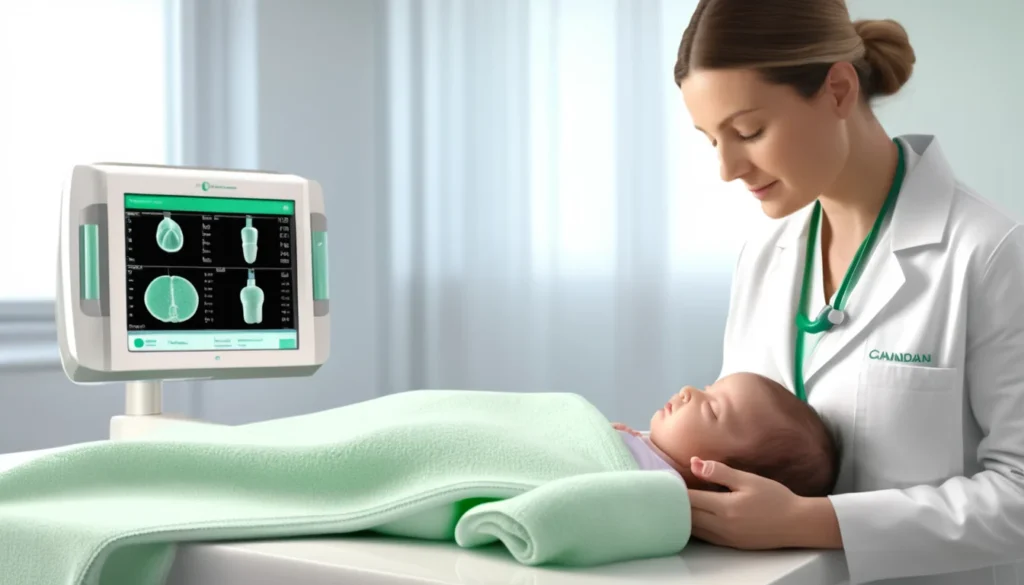
An ultrasound is usually the first imaging test used for younger women with a breast lump. Ultrasound uses sound waves — not radiation — to create images of breast tissue. It is safe, painless, and very effective at distinguishing solid lumps (like fibroadenomas) from fluid-filled cysts.
Mammogram
A mammogram uses low-dose X-rays to examine breast tissue. Doctors may recommend a mammogram for women over 30 or when the ultrasound results are unclear. In Canada, provincial breast screening programmes typically cover mammograms for women aged 40 to 74, though guidelines vary by province.
Biopsy
In some cases, your doctor may recommend a biopsy. During a biopsy, a small sample of tissue is removed from the lump and examined under a microscope. This is the most reliable way to confirm a diagnosis of breast fibroadenoma and rule out cancer.
A core needle biopsy is the most common type used. It is done with local anaesthetic and takes only a few minutes. Results are usually available within a few days.
Treatment Options for Breast Fibroadenoma
Not all breast fibroadenomas require treatment. Many doctors recommend a “watchful waiting” approach for small, uncomplicated lumps. This means monitoring the lump over time with regular check-ups and imaging.
However, treatment may be recommended if the lump is large, growing, causing discomfort, or causing significant anxiety. In these cases, several options are available.
Surgical Removal (Lumpectomy)
Surgical removal, called a lumpectomy, is a straightforward outpatient procedure. The surgeon removes the fibroadenoma while leaving the surrounding breast tissue intact. Most women return to normal activities within a few days. In Canada, this procedure is covered under provincial health insurance when medically indicated.
Cryoablation
Cryoablation is a newer, minimally invasive option. A doctor uses extreme cold to freeze and destroy the fibroadenoma. The procedure is done with local anaesthetic in an outpatient setting. It leaves only a small mark on the skin and requires little recovery time.
Monitoring Without Surgery
For many women, especially younger patients with small lumps, no treatment is necessary. Your doctor may simply recommend a follow-up ultrasound every six to twelve months. If the lump stays the same size or shrinks, no further action is needed.
As referenced by Health Canada’s breast health resources, staying informed and maintaining regular check-ups is a key part of breast health for Canadian women.
When to See a Doctor
You should see your family doctor or visit a walk-in clinic if you notice any new lump in your breast. Do not wait to see if it goes away on its own. Early evaluation brings peace of mind and ensures any serious conditions are caught early.
See a doctor promptly if you notice:
A new lump in your breast or underarm area
A lump that is growing quickly
Breast pain that does not go away
Changes in the skin of your breast, such as dimpling or redness
Nipple discharge that is not related to breastfeeding
Any change in the size or shape of your breast
In Canada, your family doctor can refer you to a breast health specialist or a breast centre for further evaluation. If you do not have a family doctor, a walk-in clinic can provide an initial assessment and referral. Most provinces also have dedicated breast health programmes that offer screening and follow-up care.
Remember, most breast lumps are not cancer. However, only a healthcare professional can give you a proper diagnosis. Always consult your doctor about any new or changing breast symptoms.
Frequently Asked Questions About Breast Fibroadenoma
Can a breast fibroadenoma turn into cancer?
A breast fibroadenoma is benign and does not typically turn into cancer. However, a complex fibroadenoma may be associated with a very slightly elevated lifetime risk of breast cancer. Your doctor will monitor the lump over time to ensure it remains stable.
Does a breast fibroadenoma need to be removed?
Not always. Many breast fibroadenomas are simply monitored over time without any treatment. Removal is recommended if the lump is large, growing, causing pain, or causing significant worry. Your doctor will help you weigh the options based on your individual situation.
How do I know if a breast lump is a fibroadenoma or something else?
You cannot tell for certain by touch alone. A breast fibroadenoma typically feels smooth, firm, and moveable, but a doctor needs to confirm this with an ultrasound or biopsy. Always have any new breast lump evaluated by a healthcare provider.
Can a breast fibroadenoma go away on its own?
Yes, some breast fibroadenomas do shrink or disappear on their own, especially after menopause when estrogen levels decline. In younger women, small fibroadenomas may also resolve over time without treatment. Regular monitoring with your doctor is the best approach.
Is breast fibroadenoma common in teenagers?
Yes, breast fibroadenoma is actually one of the most common breast conditions in teenagers and young women. It most frequently develops during the second decade of life, when hormone levels are rising. Any teenage girl who notices a breast lump should see a doctor for assessment.
Is a breast fibroadenoma covered under provincial health plans in Canada?
In most cases, yes. Diagnostic tests such as ultrasounds and biopsies for breast fibroadenoma are typically covered under provincial health insurance plans across Canada. Surgical removal is also generally covered when medically necessary. Check with your provincial health authority for details specific to your province.
Key Takeaways
A breast fibroadenoma is a benign (non-cancerous) breast lump most common in women aged 15 to 35.
It typically feels smooth, firm, and moveable under the skin.
The exact cause is unclear, but hormones — especially estrogen — are believed to play a major role.
Diagnosis involves a physical exam, ultrasound, mammogram, or biopsy.
Many fibroadenomas do not require treatment and are simply monitored over time.
Treatment options include surgical removal, cryoablation, or watchful waiting.
Most diagnostic and surgical procedures are covered under Canadian provincial health plans.
Always see your family doctor or a walk-in clinic if you notice a new breast lump.
Early evaluation is key — most breast lumps are benign, but only a doctor can confirm this.