Breast cancer is one of the most common cancers affecting Canadians today. It forms in the tissue of the breast and can occur in both women and men, though it is far more common in women. Understanding the signs, causes, and screening options can help you catch it early — when treatment works best. This guide covers everything you need to know, from early warning signs to prevention strategies you can start today.
What Is Breast Cancer?
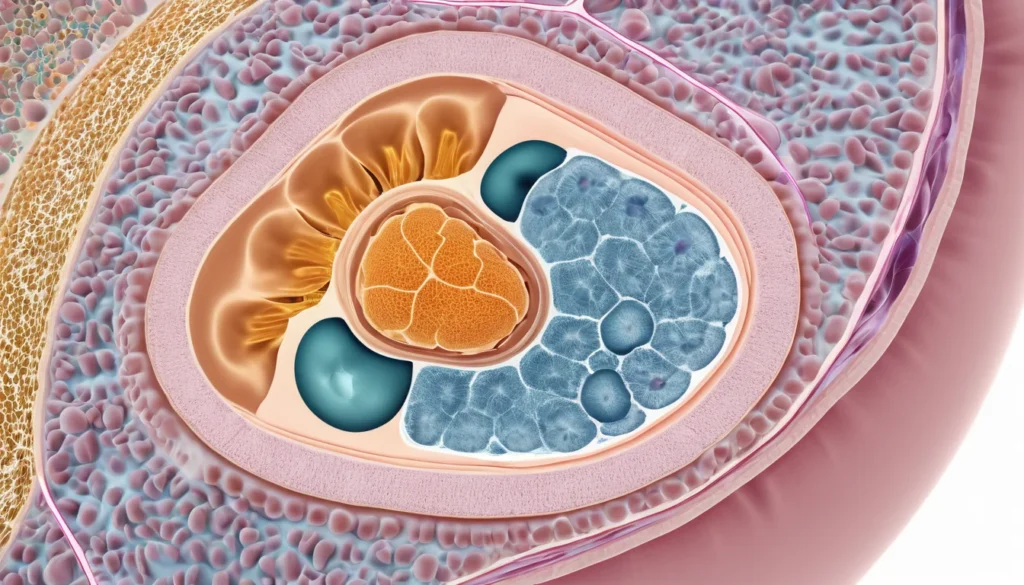
Breast cancer begins when cells in the breast grow in an uncontrolled way. Normally, the body signals old or damaged cells to die through a process called programmed cell death. However, in breast cancer, this process breaks down. The cells keep dividing and form a mass, or tumour, in the breast tissue.
Breast cancer can develop in men as well as women. In women, it is the second most common cancer after skin cancer. In Canada, about 1 in 8 women will be diagnosed with breast cancer in their lifetime, according to Health Canada.
Who Is Most at Risk?
Women over the age of 50 face the highest risk of developing breast cancer. However, about 1 in 5 cases occurs in women under 50. This means breast cancer can affect women at any age.
Several factors can raise your risk. Knowing these risk factors helps you have better conversations with your family doctor or healthcare provider.
Key Risk Factors for Breast Cancer
Age: Women over 50 are at higher risk.
Sex: Women are far more likely to develop breast cancer than men.
Family history and genetics: If a close family member — such as a parent or sibling — has had breast cancer, your risk increases by 5 to 10 percent.
Smoking: Smoking is a known risk factor for several types of cancer, including breast cancer.
Obesity: Being overweight can increase both the risk of developing breast cancer and the chance of it returning after treatment.
Previous radiation therapy: If you received radiation to the head or neck area in the past, your risk may be higher.
Hormone therapy: Long-term use of hormone replacement therapy, especially around menopause, may raise your risk.
If you have one or more of these risk factors, speak with your family doctor. They can help you decide how often you should be screened.
Early Signs and Symptoms of Breast Cancer
Breast cancer often causes changes you can see or feel. Finding these changes early gives you the best chance of successful treatment. Therefore, it is important to know what to look for during a regular breast self-exam.
Common signs and symptoms of breast cancer include:
A lump or thickening in the breast or underarm area, even one as small as a pea
A change in the size, shape, or outline of the breast
Skin on the breast that looks dimpled, like the skin of an orange
Redness, swelling, or warmth in one area of the breast
Changes to the nipple, such as thickening, flaking, or turning inward
A small indentation or “dimple” in the breast tissue
Clear or blood-tinged discharge from the nipple
Not all lumps are cancerous. However, any new or unusual change in your breast should be checked by a healthcare provider right away. Do not wait for your next scheduled appointment if something feels different.
How to Do a Breast Self-Exam at Home
A breast self-exam is a simple check you can do at home. Gently feel your breasts with your fingertips in a circular motion, covering the entire area including your armpits. Look for any changes in shape, colour, or texture. Check both breasts and compare them in a mirror.
The best time to do a self-exam is a few days after your period ends, when breasts are less tender. If you have gone through menopause, choose the same day each month so it becomes a routine. According to the Mayo Clinic, regular self-exams help you notice changes that may need medical attention.
When to See a Doctor
See your family doctor or visit a walk-in clinic as soon as you notice any new breast changes. This is true even if you had a normal mammogram recently. A normal result does not guarantee that nothing has changed since then.
Your doctor will ask about your symptoms and medical history. They may refer you for imaging tests or to a specialist. In Canada, your provincial health plan covers most breast cancer screening and diagnostic tests. If you do not have a family doctor, a walk-in clinic can be your first step.
Do not delay seeking care because you feel unsure or worried. Catching breast cancer early — in stage 1 or 2 — leads to much better outcomes. Early action truly makes a difference.
How Is Breast Cancer Diagnosed?
Several tests help doctors diagnose breast cancer. Your doctor will choose the right test based on your age, symptoms, and risk level.
Common Screening and Diagnostic Tools
Mammogram: An X-ray of the breast, used to screen for cancer before symptoms appear. Most provinces in Canada recommend mammograms every 2 years for women aged 50 to 74.
Ultrasound: Uses sound waves to examine lumps in the breast or underarm. It helps doctors see whether a lump is solid or filled with fluid.
PET scan (Positron Emission Tomography): A special dye is injected into the bloodstream. The scanner then picks up areas of abnormal activity, helping to locate suspicious tissue.
Biopsy: A small sample of tissue is removed and examined under a microscope. This is the only way to confirm whether a lump is cancerous.
Ask your family doctor about the screening programme that is right for your age and risk level. Provincial health plans in Canada cover routine screening mammograms for eligible women.
Can Breast Cancer Spread to Other Parts of the Body?
Yes. When breast cancer spreads beyond the breast, it is called metastatic breast cancer. The cancer travels through the bloodstream or lymph system to reach other organs. This is known as metastasis.
The most common sites where breast cancer spreads are:
Bones: The most frequent site of spread. It often affects the spine, pelvis, ribs, and long bones of the arms and legs. Bone pain that does not go away with rest may be a sign of bone metastasis.
Lungs: In the early stages, lung metastases may cause no symptoms. As they grow, they can cause a persistent cough or shortness of breath that does not improve the way a cold or flu would.
Liver: Early liver metastases may also cause no symptoms. However, abnormal results on liver enzyme blood tests can be an early clue.
Brain: Brain metastases are more likely when cancer has already spread elsewhere. They may suggest a more aggressive type of breast cancer.
Furthermore, breast cancer can spread to other areas, including the digestive system, kidneys, pancreas, and reproductive organs, though these are less common.
Warning Signs of Metastatic Breast Cancer
If breast cancer has spread, you may notice new symptoms in other parts of the body. These can include:
Severe or persistent bone pain
Bones that fracture with little or no trauma
Numbness or weakness in a limb
Ongoing fatigue, nausea, or constipation
A cough or breathing difficulty that does not clear up
If you have been treated for breast cancer and develop any of these symptoms, contact your doctor right away. Early detection of metastasis allows for faster treatment.
How to Lower Your Risk of Breast Cancer
While you cannot control every risk factor, there are real steps you can take to lower your chances of developing breast cancer. In addition, these habits support your overall health.
Ask about screening programmes: Talk to your family doctor about the mammogram schedule recommended for your age and risk group. Provincial screening programmes exist across Canada.
Do regular breast self-exams: Check your breasts at home once a month. Know what is normal for your body so you can spot changes quickly.
Limit alcohol: Drink no more than one alcoholic drink per day. Even moderate alcohol use increases breast cancer risk.
Stay physically active: Aim for at least 150 minutes of moderate exercise per week. Regular physical activity helps maintain a healthy weight and reduce risk.
Eat a balanced diet: Focus on vegetables, fruits, whole grains, and high-fibre foods. Limit processed foods and red meat.
Limit hormone therapy: If you are managing menopause symptoms, discuss the risks and benefits of hormone therapy with your doctor. Use the lowest effective dose for the shortest time needed.
Avoid smoking: If you smoke, ask your doctor about smoking cessation programmes available in your province.
The World Health Organization confirms that lifestyle changes can meaningfully reduce breast cancer risk. Small changes made consistently add up over time.
Frequently Asked Questions About Breast Cancer
What are the first signs of breast cancer?
The first signs of breast cancer often include a new lump in the breast or underarm, a change in breast shape or size, or skin that looks dimpled or orange-like. Nipple changes and unusual discharge are also early warning signs. If you notice any of these, see your family doctor or visit a walk-in clinic promptly.
Can men get breast cancer?
Yes, men can develop breast cancer, although it is rare. Male breast cancer accounts for less than 1 percent of all breast cancer cases. Men who notice a lump, skin change, or nipple discharge should see a doctor, as breast cancer in men is often diagnosed later due to lower awareness.
At what age should Canadian women start breast cancer screening?
Most Canadian provincial guidelines recommend that women at average risk begin mammogram screening at age 50, repeated every 2 years until age 74. Women with a strong family history or genetic risk factors may need to start screening earlier. Ask your family doctor what schedule is right for you based on your personal risk level.
Is breast cancer hereditary?
Breast cancer can run in families, and having a close relative — such as a parent or sibling — with breast cancer raises your risk by 5 to 10 percent. Certain gene mutations, such as BRCA1 and BRCA2, are linked to a significantly higher risk. Genetic counselling and testing are available through referral from your family doctor in Canada.
How is breast cancer treated in Canada?
Breast cancer treatment in Canada depends on the type and stage of the cancer. Common treatments include surgery, radiation therapy, chemotherapy, hormone therapy, and targeted therapy. Treatment plans are developed by a team of specialists and are covered under provincial health plans. Your family doctor can refer you to an oncology centre for a full assessment.
Does a breast lump always mean cancer?
No, most breast lumps are not cancerous. Many lumps are caused by benign conditions such as cysts or fibroadenomas. However, any new lump or breast change should be evaluated by a doctor to rule out breast cancer. Do not try to self-diagnose — let a healthcare provider assess it with the proper tools.
Key Takeaways
Breast cancer is one of the most common cancers in Canadian women, but early detection greatly improves outcomes.
Women over 50 are at highest risk, but breast cancer can occur at any age.
Know the early signs: lumps, skin changes, nipple discharge, and breast shape changes.
Do a monthly breast self-exam and report any changes to your doctor promptly.
Talk to your family doctor about the provincial breast cancer screening programme in your area.
Healthy habits — staying active, limiting alcohol, eating a high-fibre diet, and not smoking — can help lower your risk.
If breast cancer spreads, bone pain, persistent cough, and fatigue may be warning signs to discuss with your doctor.
Please note: This article is for general information only and does not replace professional medical advice. Always speak with your family doctor or a qualified healthcare provider about your personal health concerns and screening needs.