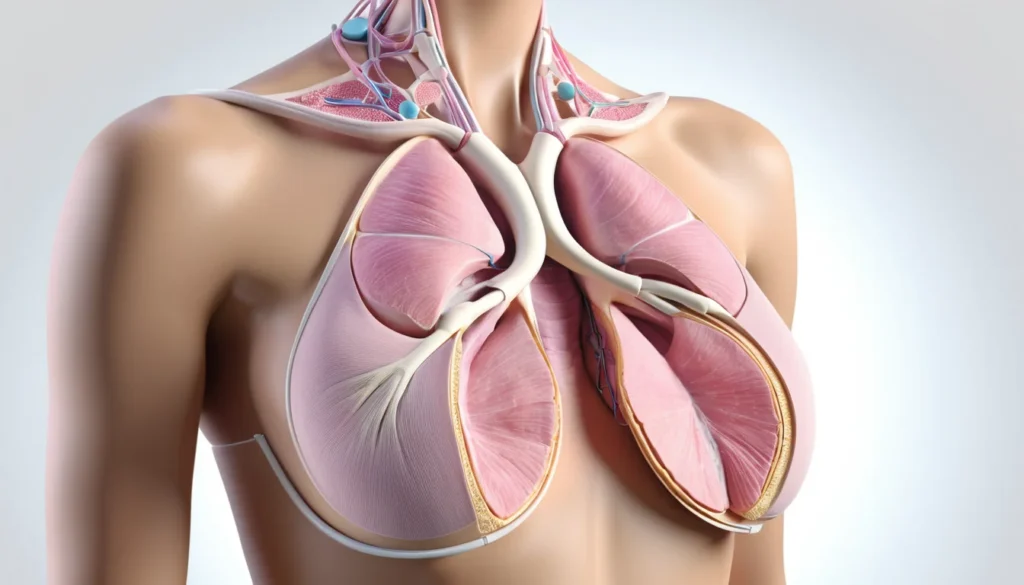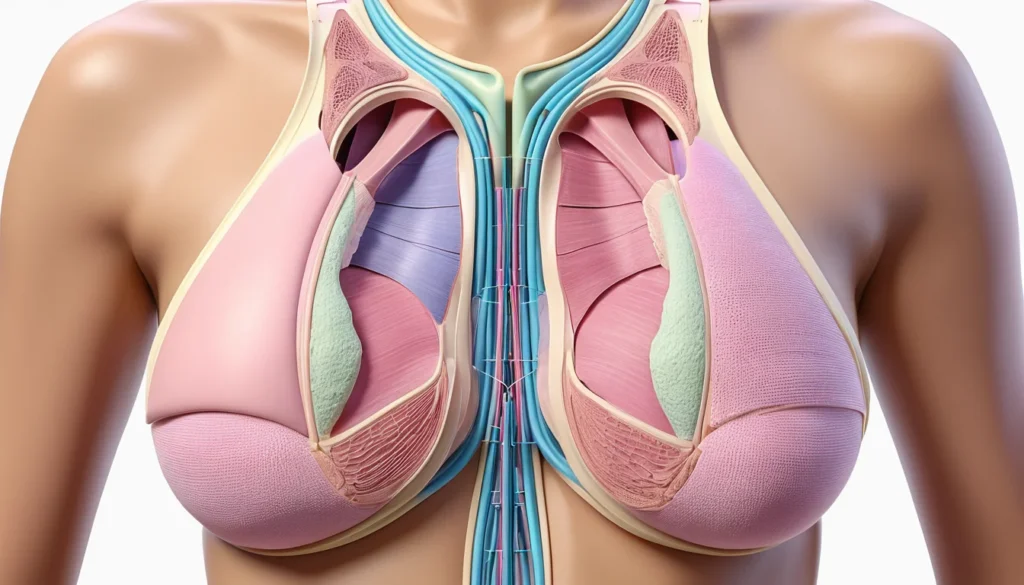
Breast cancer is one of the most common cancers affecting Canadians. It happens when cells in the breast start growing in an abnormal, uncontrolled way. While it is most often diagnosed in women, about 1% of all breast cancer cases occur in men. Understanding the signs, risk factors, and screening options can help with early detection — and early detection saves lives.
What Is Breast Cancer?
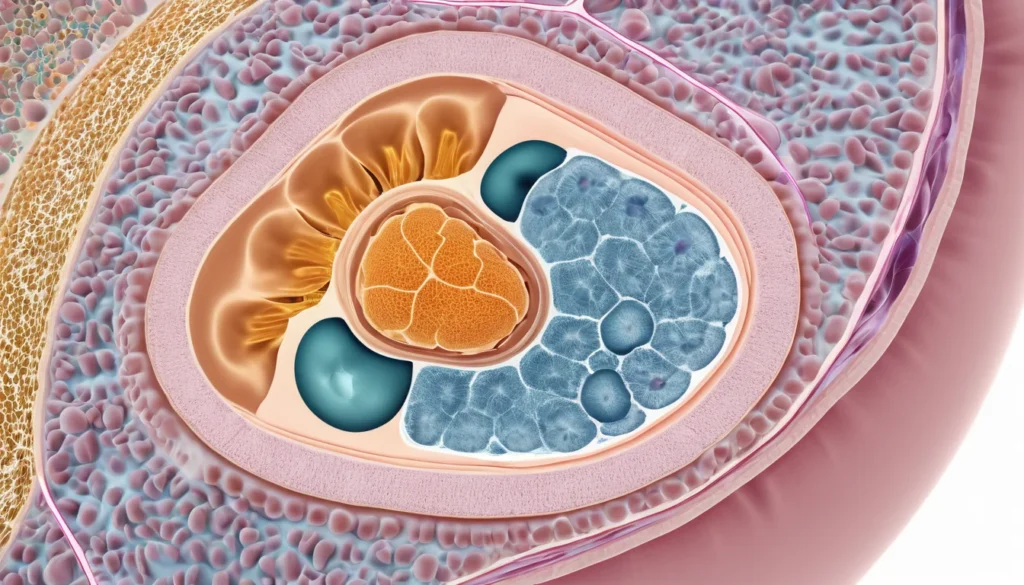
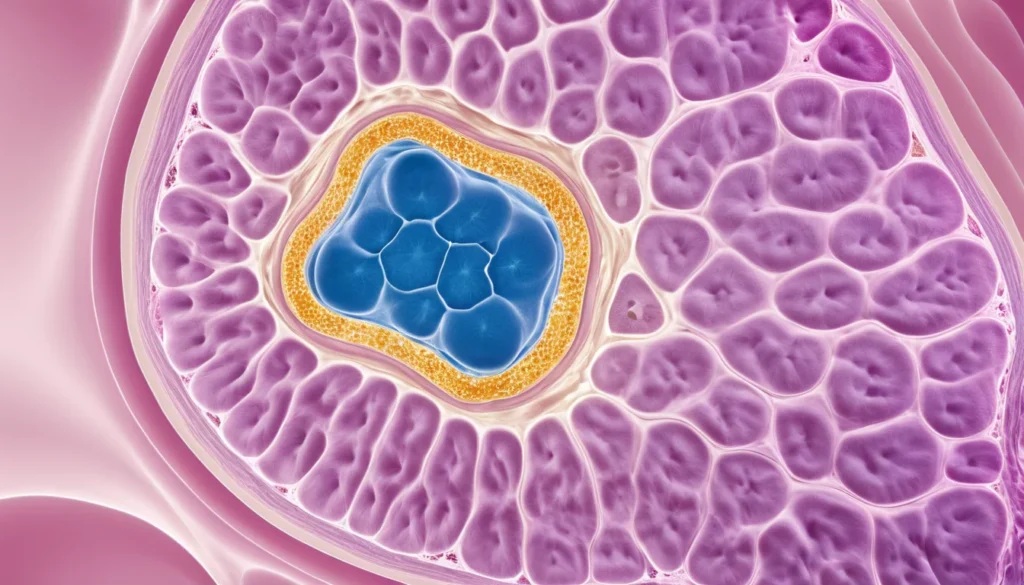
Breast cancer begins in the cells that line the ducts or lobules of the breast. When these cells grow out of control, they can form a tumour. Over time, cancer cells can spread to nearby tissue or to other parts of the body.
Breast cancer is the most commonly diagnosed cancer in Canadian women. However, lung cancer remains the leading cause of cancer death in both women and men. In addition, it is important to know that breast cancer is not just a women’s disease — men can develop it too, though this is rare.
For more information, visit Health Canada’s official health resources.
Common Breast Cancer Symptoms to Watch For
In its early stages, breast cancer often causes no symptoms at all. That is why regular mammogram screening is so important. Many cases are found on a mammogram before a woman notices any changes.
However, when symptoms do appear, they can include a range of physical changes in the breast or nearby area. It is important not to ignore these signs, even if they seem minor.
Signs That May Indicate Breast Cancer
A new lump in the breast or underarm area
A change in the size or shape of the breast
Skin changes such as dimpling, puckering, or a rash
Nipple discharge or bleeding when the nipple is squeezed
A nipple that turns inward or becomes retracted
Crusting or scaling around the nipple
Changes in skin colour or texture around the nipple
A lump in the breast area in men
Most breast lumps are not cancerous. However, any new or unusual change should be checked by a healthcare provider right away. Do not wait to see if it goes away on its own.
What Causes Breast Cancer?
The exact cause of breast cancer is not fully understood. Researchers believe a combination of factors can trigger cells to grow abnormally. Female hormones and aging both appear to play a significant role.
Breast cancer is most common in women over 50. For women between 30 and 40 years old, the risk is roughly 1 in 250. For women between 40 and 50, that risk rises to about 1 in 70. As a result, age-based screening programmes are a key part of breast health in Canada.
Learn more about breast cancer causes and mechanisms at Mayo Clinic.
Breast Cancer Risk Factors
Certain factors can increase a person’s chance of developing breast cancer. Having one or more risk factors does not mean you will get cancer. However, understanding your personal risk can help you and your doctor make informed decisions about screening and prevention.
Age and Gender
Risk increases steadily with age. Breast cancer is rare in women under 35. Most cases are diagnosed in women over 50, and risk is highest in women over 60. While 99% of cases occur in women, men are not immune.
Family History and Genetics
A family history of breast cancer raises your personal risk. If your mother, sister, or daughter has had breast cancer — especially before age 50 — your risk is higher. Having two or more close relatives with the disease increases risk further.
Some people inherit changes in the BRCA1 or BRCA2 genes. These gene mutations significantly increase the risk of breast, ovarian, and colon cancers. BRCA mutations are more common in certain ethnic groups, including Ashkenazi Jewish people.
Genetic testing is available in Canada to check for known BRCA mutations. If breast cancer runs in your family, talk to your family doctor about whether genetic testing is right for you. Your provincial health plan may cover this testing in certain situations.
Personal Health History
Women who have already had breast cancer in one breast have a higher risk of developing cancer in the other breast, or a new cancer in the same breast. Furthermore, certain non-cancerous breast conditions — such as atypical hyperplasia or lobular carcinoma in situ — can raise future risk.
Hormones and Reproductive Factors
Hormone-related factors can influence breast cancer risk. These include:
Starting menstruation before age 12
Beginning menopause after age 55
Having your first child after age 30
Using hormone replacement therapy (HRT) for more than four years
The risk linked to hormone therapy tends to return to normal after stopping treatment. Talk to your doctor about the risks and benefits before starting or continuing HRT.
Lifestyle and Diet
Lifestyle choices can also affect breast cancer risk. Weight gain after menopause — particularly after natural menopause or after age 60 — may increase risk. A diet high in fat has also been linked to a higher likelihood of developing breast cancer.
In addition, studies suggest that drinking alcohol slightly raises breast cancer risk. Even moderate drinking has shown a connection in research. Maintaining a healthy weight, eating a balanced diet, and limiting alcohol are all steps that may help lower your risk.
Radiation Exposure
Women who received radiation therapy to the chest area at a young age — for example, as treatment for Hodgkin’s lymphoma — have a higher risk of developing breast cancer later in life. The younger a woman was when she received radiation, the greater the long-term risk appears to be.
How Is Breast Cancer Diagnosed?
Doctors use several tools to diagnose and stage breast cancer. Staging describes how far the cancer has spread inside the breast, to nearby tissue, or to other organs. Knowing the stage helps doctors choose the best treatment plan.
Common diagnostic tests include:
Mammogram: An X-ray of the breast, often the first step in screening
Biopsy: A small tissue sample is removed and examined under a microscope
Lymph node biopsy: Checks if cancer has spread to the underarm lymph nodes
Blood tests: Help assess overall health and organ function
Bone scan or imaging: Checks if cancer has spread to the bones or other organs
The microscopic appearance of cancer cells helps doctors classify the type of breast cancer. This classification, along with the stage, guides all treatment decisions.
When to See a Doctor
You should see a doctor if you notice any new or unusual changes in your breasts. This includes lumps, skin changes, nipple discharge, or any persistent discomfort. Do not wait to see if the symptom resolves — early detection of breast cancer greatly improves outcomes.
In Canada, you can book an appointment with your family doctor or visit a walk-in clinic if your regular doctor is unavailable. Your doctor can refer you for a mammogram or specialist care through your provincial health plan. Most provinces offer publicly funded mammogram screening programmes for women aged 50 and over.
If you are under 50 and have a family history of breast cancer or known BRCA gene mutations, speak with your family doctor about starting screening earlier. You may qualify for additional screening options under your provincial programme.
Always consult your doctor or a qualified healthcare provider before making any decisions about your health. This article is for informational purposes only and does not replace professional medical advice.
Frequently Asked Questions About Breast Cancer
What are the first signs of breast cancer?
The most common early sign of breast cancer is a painless lump in the breast or underarm. Other early signs include changes in breast shape, skin dimpling, or nipple discharge. However, many early-stage breast cancers cause no symptoms at all, which is why regular mammogram screening is so important.
At what age should Canadian women start breast cancer screening?
Most Canadian provincial screening programmes recommend that women begin regular mammograms at age 50. Women with a family history of breast cancer or known genetic risk factors may be advised to start screening earlier. Talk to your family doctor about the right timing for your situation.
Can men get breast cancer?
Yes, men can develop breast cancer, though it is rare. About 1% of all breast cancer cases occur in men. Men should also speak to their doctor if they notice any unusual lumps or changes in their chest area.
Does family history always mean I will get breast cancer?
Having a family history of breast cancer raises your risk, but it does not mean you will definitely develop the disease. Most women with a family history do not carry BRCA gene mutations. Speaking with your family doctor about genetic counselling and increased screening can help you manage your risk proactively.
Is breast cancer covered under provincial health plans in Canada?
Yes, diagnosis and treatment for breast cancer — including surgery, chemotherapy, and radiation — are generally covered under provincial and territorial health plans. Mammogram screening programmes are publicly funded in most provinces for eligible age groups. Check with your provincial health authority for details on what is covered in your region.
What lifestyle changes can help reduce breast cancer risk?
Maintaining a healthy weight, limiting alcohol, eating a diet lower in saturated fat, and staying physically active may all help reduce your risk of breast cancer. These changes support overall health as well. Talk to your doctor or a registered dietitian for personalised guidance.
Key Takeaways
Breast cancer is the most commonly diagnosed cancer in Canadian women, though it can also affect men.
Early-stage breast cancer often has no symptoms — regular mammogram screening is the best way to catch it early.
Key risk factors include age, family history, BRCA gene mutations, hormone exposure, and certain lifestyle factors.
Any new lump, skin change, or nipple discharge should be assessed by a doctor as soon as possible.
Most provincial health plans in Canada cover breast cancer screening and treatment — speak with your family doctor or visit a walk-in clinic to get started.
If breast cancer runs in your family, ask your doctor about genetic testing and earlier screening options.
For further reading, explore the World Health Organization’s breast cancer fact sheet for global context and updated statistics.