Your brain health affects every part of your life — from your heartbeat to your memory to your emotions. Your brain controls nearly every function in your body. Understanding how it works, and what can go wrong, helps you protect it. This article explains brain structure, common brain conditions, and when to seek care through your family doctor or a walk-in clinic.
How Your Brain Controls Your Body
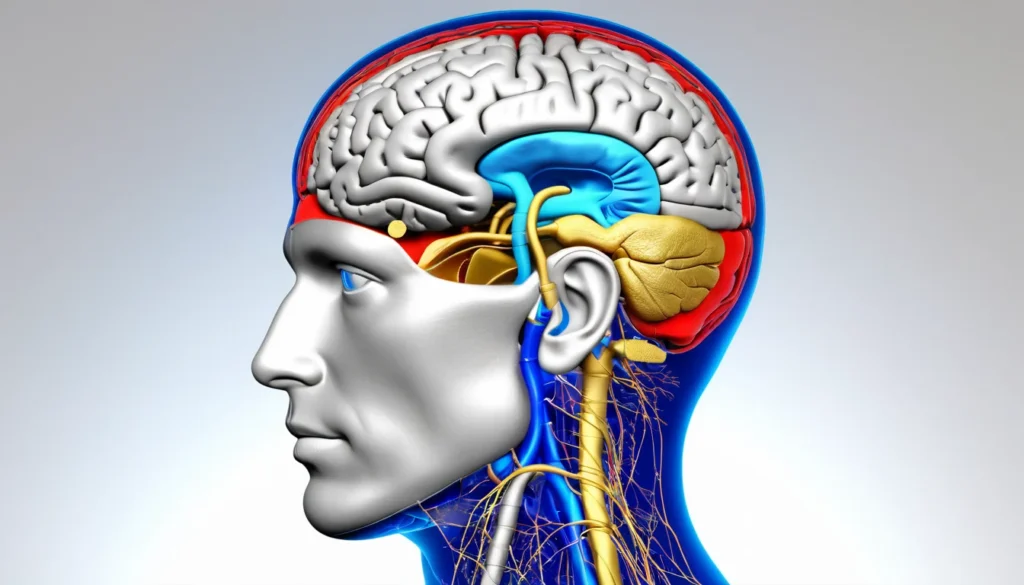
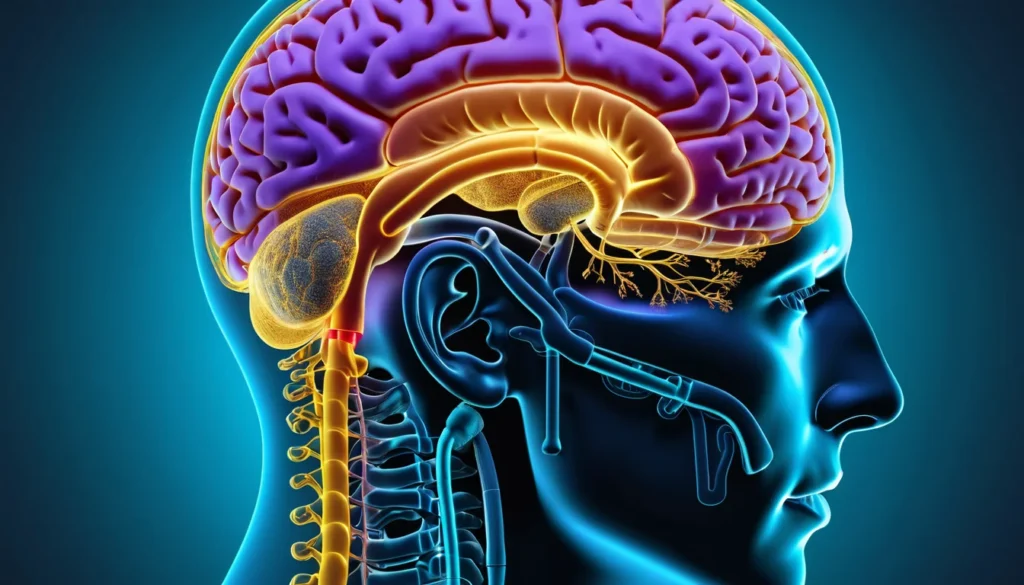
The brain is the most important organ in the human body. It manages your heartbeat, breathing, digestion, muscle movement, and all five senses. It also handles memory, emotions, and reasoning.
When something goes wrong with the brain, symptoms can appear almost anywhere in the body. That is why brain health matters so much. A healthy brain means a healthier you, from head to toe.
The Four Main Parts of the Brain
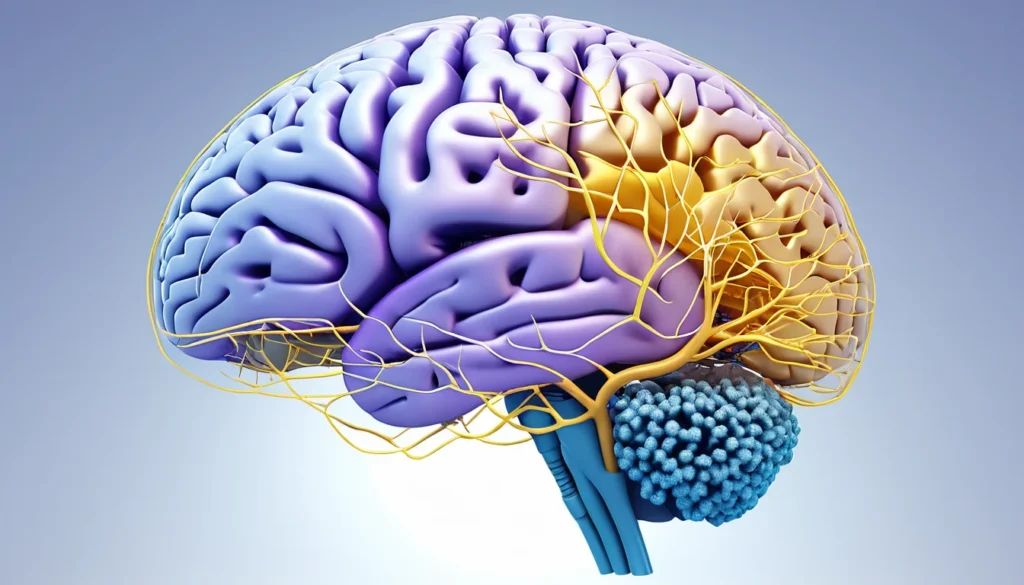
The brain is complex, but it has four key parts. Each part plays a different role in keeping you healthy and functioning well.
The Brain Stem
The brain stem sits at the bottom of the brain. It connects the brain to the spinal cord. It controls automatic functions you never think about — like breathing, heart rate, and blood pressure. It also manages many of the cranial nerves that control your face, tongue, and swallowing.
The Cerebellum
The cerebellum sits at the back of the brain, just above the brain stem. It controls most of your movements and helps you keep your balance. Many signals from the upper brain pass through the cerebellum before your body acts on them.
The Limbic System
The limbic system sits deep inside the brain. It controls your emotions and your memory. This system plays a major role in how you feel and how you recall experiences from your past.
The Cerebrum
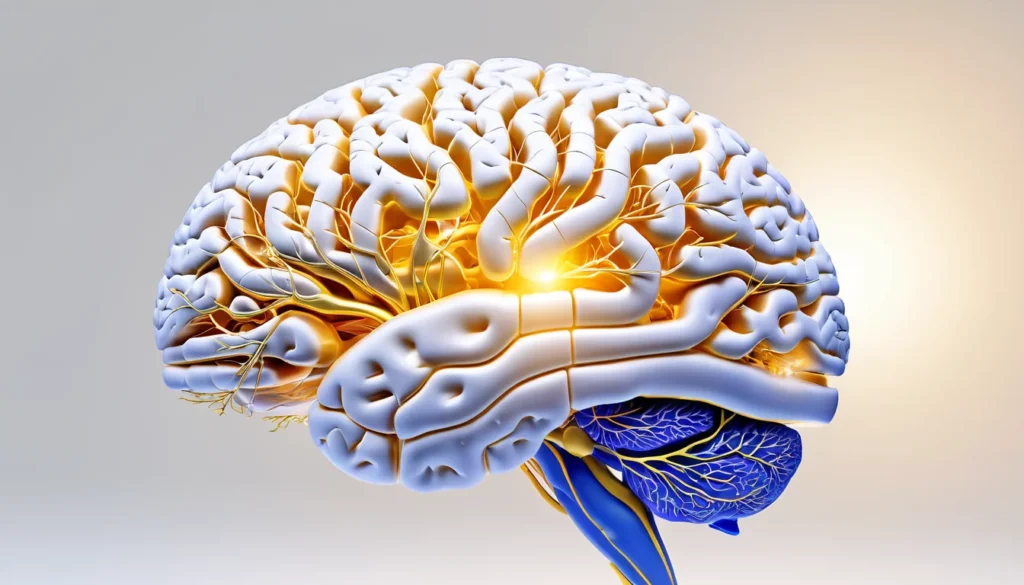
The cerebrum is the largest part of the brain. It sits above all the other parts and is divided into two halves, called hemispheres. The left hemisphere controls the right side of your body. The right hemisphere controls the left side.
Each hemisphere has four sections called lobes. Here is what each lobe does:
Frontal lobes: Handle logical thinking and problem-solving.
Parietal lobes: Process sensory information and help with spatial awareness.
Occipital lobes: Manage vision and colour recognition.
Temporal lobes: Control hearing and speech.
Brain Injuries: What You Need to Know
One of the challenges of brain health is that brain injuries can cause symptoms all over the body. Traumatic brain injuries can happen suddenly — in a car accident, a fall, or a sports collision. They often need immediate medical attention.
Concussion
A concussion happens when a blow to the head causes the brain to move inside the skull. Symptoms do not always appear right away. For this reason, anyone who hits their head should be watched carefully for at least two weeks after the incident.
Common symptoms of a concussion include:
Drowsiness or unusual fatigue
Severe headache
Confusion or disorientation
Memory loss
Nausea or vomiting
Anyone who hits their head should seek medical care right away — especially if they lose consciousness. Even if a person seems fine afterward, imaging tests may be needed. In some cases, bleeding in the brain can go unnoticed and become life-threatening if not caught early. In Canada, you can visit an emergency room or a walk-in clinic for an initial assessment. Your family doctor can also refer you for imaging if needed.
Brain Aneurysm
A brain aneurysm is a bulge or ballooning in a blood vessel in the brain. It can press on nearby nerves and cause symptoms such as:
Pain behind the eyes
Numbness or weakness in the face
Double or blurred vision
If an aneurysm ruptures, it causes a sudden, extremely severe headache. A ruptured aneurysm is a medical emergency. Call 911 immediately if you or someone nearby shows these signs. Treatment must happen quickly to prevent death or serious brain damage.
Stroke
A stroke happens when blood flow to part of the brain is cut off. This can be caused by a blood clot blocking an artery or by bleeding in the brain. Either way, brain cells begin to die within minutes. According to Health Canada, stroke is one of the leading causes of death and disability in the country.
Symptoms of a stroke come on suddenly. They can include:
Sudden confusion
Trouble speaking or understanding speech
Dizziness or loss of balance
Sudden severe headache with no known cause
Numbness or weakness on one side of the body or face
If you notice these signs in yourself or someone else, call 911 right away. Fast treatment can prevent permanent damage. Every minute matters during a stroke.
A helpful way to remember stroke signs is the acronym FAST: Face drooping, Arm weakness, Speech difficulty, Time to call 911.
Degenerative Brain Diseases
Degenerative brain diseases slowly damage parts of the brain that control thinking and emotions. The damage gets worse over time. These conditions affect brain health deeply and can significantly change a person’s daily life.
Dementia
Dementia is one of the most common degenerative brain diseases. It causes a gradual loss of intellectual and cognitive abilities. Early signs can be subtle and easy to miss. However, over time, symptoms become more serious.
Signs of dementia may include:
Significant memory loss
Difficulty with numbers or finding your way around
Trouble speaking or understanding language
Changes in personality or behaviour
Inability to manage basic daily tasks
Dementia can take away a person’s independence. It is hard on both the person living with it and on their caregivers and family members. Support services are available across Canada through provincial health plans and community care programmes.
Alzheimer’s Disease
Alzheimer’s disease is the most common form of dementia. It accounts for 50 to 70 percent of all dementia cases. The Mayo Clinic explains that Alzheimer’s disease involves the build-up of plaques and tangles in the brain that damage nerve cells over time.
Other types of dementia include:
Vascular dementia — caused by reduced blood flow to the brain.
Lewy body dementia — linked to abnormal protein deposits in the brain.
Frontotemporal dementia — affects the front and side areas of the brain.
Parkinson’s-related dementia — occurs in some people with Parkinson’s disease, though it is less common.
Dementia most commonly develops between the ages of 70 and 80. It is much less common in people under 40. However, early-onset dementia does exist, and it is important to speak with a doctor if you notice worrying changes in a younger person’s memory or behaviour.
As the World Health Organization notes, dementia is a global public health priority affecting millions of families worldwide. In Canada, the number of people living with dementia is expected to rise significantly as the population ages.
How to Support Your Brain Health Every Day
The good news is that daily habits can help protect your brain health as you age. You do not need expensive treatments or programmes. Simple lifestyle changes make a real difference.
Here are some evidence-based habits that support a healthy brain:
Stay physically active. Regular exercise increases blood flow to the brain.
Eat a balanced diet. Foods rich in fibre, healthy fats, and antioxidants support brain function.
Sleep well. The brain clears waste products during sleep. Aim for 7 to 9 hours per night.
Stay socially connected. Social activity helps keep the brain sharp.
Challenge your mind. Reading, puzzles, and learning new skills build mental resilience.
Manage stress. Chronic stress can damage brain cells over time. Try mindfulness, breathing exercises, or talking to someone you trust.
Avoid smoking and limit alcohol. Both can harm brain tissue and increase the risk of stroke and dementia.
In addition, managing conditions like high blood pressure, diabetes, and high cholesterol is important. These conditions affect blood flow to the brain and raise the risk of stroke and cognitive decline.
When to See a Doctor
You should see your family doctor if you notice changes in your memory, behaviour, or ability to think clearly. These changes may be early signs of a condition that is treatable when caught in time.
Contact a walk-in clinic or your provincial health line right away if you or someone you know experiences:
A sudden severe headache unlike any before
Sudden confusion, weakness, or numbness on one side of the body
Loss of consciousness after a head injury
Rapid changes in personality or memory
Call 911 for any suspected stroke or ruptured aneurysm. These are emergencies where every second counts. Most provincial health plans in Canada cover neurological assessments and brain imaging when referred by a doctor. Do not wait to get help if something feels wrong.
As always, speak with your doctor before making significant changes to your health routine. This article is for general information only and is not a substitute for professional medical advice.
Frequently Asked Questions About Brain Health
What are the early warning signs of poor brain health?
Early signs of declining brain health can include forgetfulness, trouble concentrating, mood changes, and difficulty finding the right words. These signs can be subtle at first and are easy to dismiss as normal ageing. However, if they are persistent or getting worse, it is worth speaking with your family doctor.
What is the difference between Alzheimer’s disease and dementia?
Dementia is a general term for a group of symptoms that affect memory, thinking, and social abilities severely enough to interfere with daily life. Alzheimer’s disease is the most common cause of dementia, accounting for 50 to 70 percent of cases. Not all dementia is Alzheimer’s — there are several other types, including vascular dementia and Lewy body dementia.
Can brain health decline be prevented or slowed down?
Research shows that certain lifestyle habits can help protect brain health and may reduce the risk of conditions like dementia. Regular physical activity, a healthy diet rich in fibre and healthy fats, quality sleep, and staying socially active all play a role. Managing chronic conditions like high blood pressure and diabetes is also important for long-term brain function.
How do I know if someone is having a stroke?
Use the acronym FAST to recognise stroke signs: Face drooping, Arm weakness, Speech difficulty, and Time to call 911. Stroke symptoms come on suddenly and require emergency care. Calling 911 immediately gives the person the best chance of recovery with minimal brain damage.
Is memory loss a normal part of ageing?
Some mild forgetfulness — like occasionally misplacing your keys — is a normal part of ageing. However, significant memory loss that affects daily life, such as forgetting important events or getting lost in familiar places, is not normal. If you are concerned about memory loss in yourself or a loved one, talk to your family doctor or visit a walk-in clinic for an assessment.
Does Canada’s public health system cover brain health assessments?
In most Canadian provinces, neurological assessments and brain imaging are covered by provincial health plans when ordered by a physician. Your family doctor can refer you to a neurologist or specialist if needed. If you do not have a family doctor, a walk-in clinic can often provide an initial assessment and referral.
Key Takeaways
Your brain health affects every system in your body — from movement and speech to memory and emotion.
The brain has four main parts: the brain stem, cerebellum, limbic system, and cerebrum, each with specific roles.
Brain injuries like concussions, aneurysms, and strokes require prompt medical attention — call 911 for emergencies.
Dementia and Alzheimer’s disease are progressive conditions that worsen over time, but early diagnosis can help manage symptoms.
Healthy daily habits — exercise, sleep, diet, and stress management — can help protect your brain as you age.
If you notice changes in memory, behaviour, or thinking, speak with your family doctor or visit a walk-in clinic. Most neurological care is covered under Canadian provincial health plans.