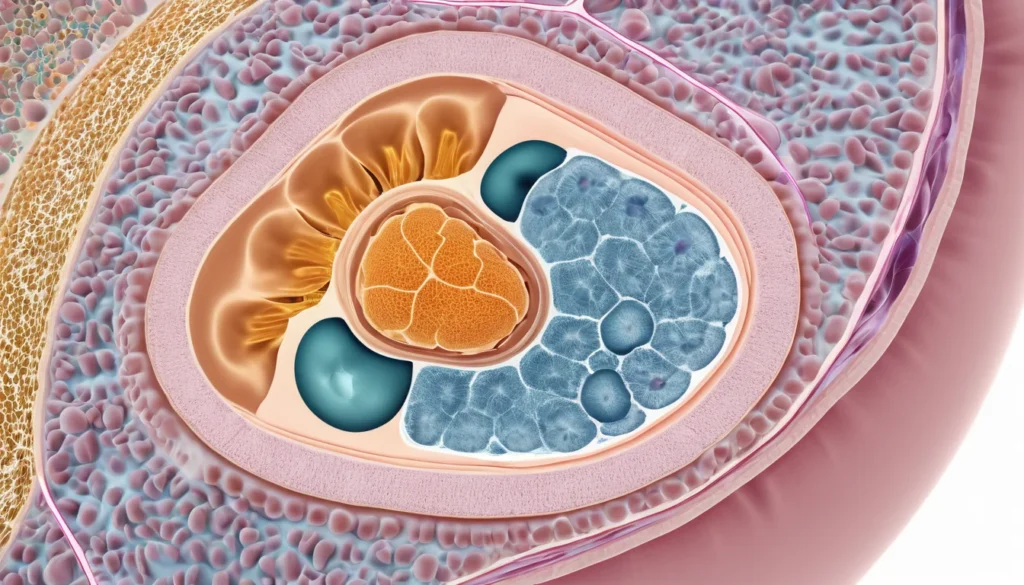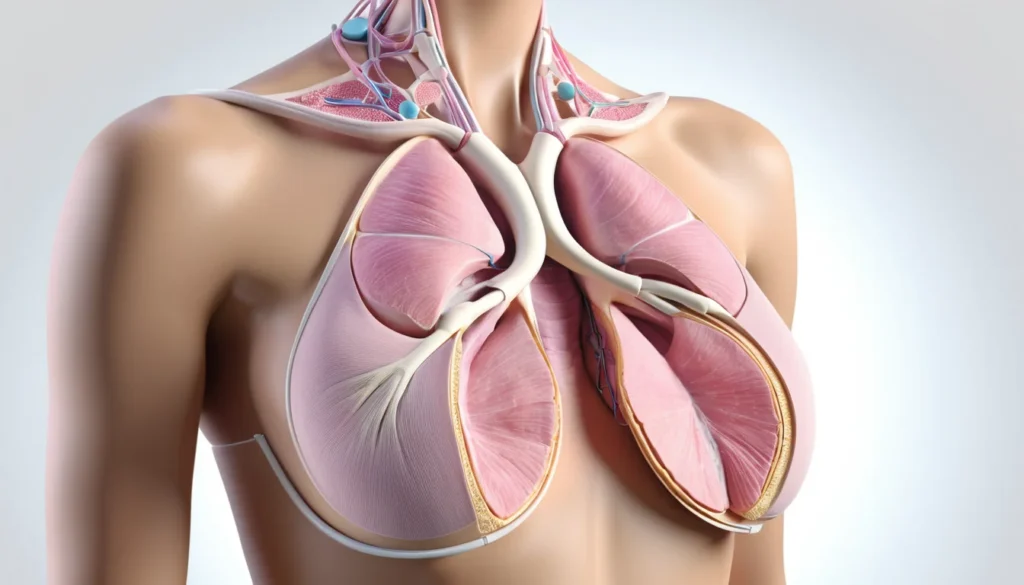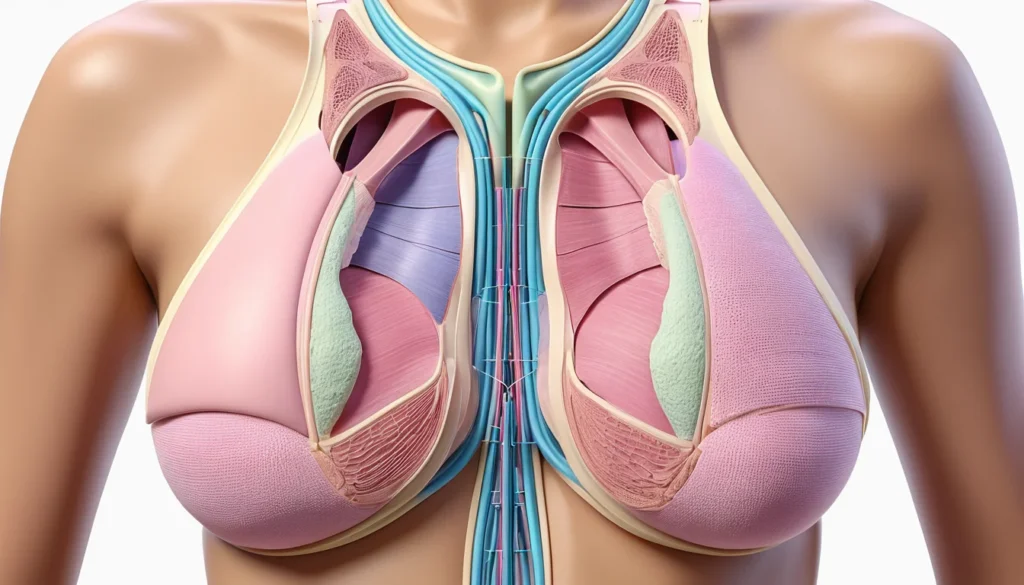
Brachytherapy is a type of internal radiation therapy used to treat many kinds of cancer. Instead of delivering radiation from outside the body, doctors place a radioactive source directly inside or very close to the tumour. This approach allows for higher doses of radiation in a smaller, more targeted area. As a result, healthy surrounding tissue receives far less exposure than with traditional radiation treatment.
What Is Brachytherapy?
Brachytherapy is sometimes called internal radiation therapy. The word comes from the Greek word “brachy,” meaning short distance — and that describes it well. The radioactive material works at close range, right at the source of the cancer.
Traditional external radiation sends beams through the whole body to reach a tumour. Brachytherapy, however, targets only the affected area. This means patients often experience fewer side effects. Treatment time is also usually shorter than with standard radiation.
Brachytherapy can be used on its own or alongside other treatments. For example, doctors may recommend it after surgery to destroy any remaining cancer cells. It can also be combined with external beam radiation therapy for a more complete approach.
What Types of Cancer Does Brachytherapy Treat?
Brachytherapy is a flexible treatment used across many cancer types. Your oncology team will decide if it is right for your specific situation.
Cancers commonly treated with brachytherapy include:
Breast cancer
Prostate cancer
Cervical cancer
Endometrial (uterine) cancer
Vaginal cancer
Lung cancer
Esophageal cancer
Rectal cancer
Pancreatic cancer
Skin cancer
Head and neck cancers
Brain cancer
Soft tissue cancers
Bile duct cancer
This list is broad because brachytherapy can be adapted to many areas of the body. Furthermore, ongoing research continues to expand where and how doctors apply this technique.
How Does Brachytherapy Work?
The treatment involves placing radioactive material inside the body, as close to the tumour as possible. The exact method depends on several factors. These include the location and size of the cancer, your overall health, and the goals of your treatment plan.
Intracavitary Brachytherapy
In this approach, doctors place a device containing radioactive material inside a natural body cavity. Common examples include the vagina or the trachea (windpipe). The device is shaped to fit the specific cavity.
The medical team inserts the device manually or with the help of a computer-guided system. Imaging tools like ultrasound or CT scans guide placement. This ensures the device sits in exactly the right position for treatment.
Interstitial Brachytherapy
In interstitial brachytherapy, doctors place radioactive devices directly into body tissue, such as the prostate gland or breast. The devices may look like small seeds, wires, or tiny capsules. Needles, applicators, or hollow tubes carry these devices to the correct location.
In some cases, catheters are inserted during surgery and later filled with radioactive material for treatment sessions. As with intracavitary brachytherapy, ultrasound or CT imaging helps guide accurate placement.
Types of Brachytherapy Doses
Brachytherapy comes in different dose formats. Your oncology team will choose the right one based on your cancer type and overall treatment plan.
High-Dose-Rate (HDR) Brachytherapy
High-dose-rate brachytherapy delivers a large dose of radiation in a short session. Each session lasts up to about 20 minutes. Most patients receive one to two sessions per day, over several days or weeks.
This type is often done as an outpatient procedure. That means you do not need to stay overnight in hospital. You simply come in for your session and go home afterward, which many Canadian patients find very convenient.
During your session, you will lie in a comfortable position suited to the treatment area. The medical team places the radioactive device, then steps into an adjacent room. They can see and hear you at all times through a monitor. You should not feel pain during the procedure. However, if you feel any discomfort at any point, let your care team know right away.
Once the radioactive material is removed, there is no remaining radiation in your body. You are safe to be around others immediately. Your doctor will give you specific instructions for the days between sessions.
Low-Dose-Rate (LDR) Brachytherapy
Low-dose-rate brachytherapy delivers smaller amounts of radiation over a longer period. A session can last from a few hours to several days. Because of this, patients usually stay in hospital during treatment.
The radioactive material is placed using the same techniques as HDR brachytherapy. The risk of exposing others to radiation is very low. However, you will stay in a private room, and visits will be limited according to hospital guidelines. In particular, pregnant women and young children should not visit during this time. Your care team will make sure you have everything you need throughout your stay.
Permanent Brachytherapy
In some cases, small radioactive seeds are permanently implanted in the body. This approach is most commonly used for prostate cancer. The seeds give off low levels of radiation over weeks or months, and eventually the radioactivity fades completely.
Permanent brachytherapy seeds are very small — about the size of a grain of rice. They stay in place permanently but cause no harm once the radioactivity has faded. Your doctor will explain any short-term precautions you need to take after the procedure.
Getting Ready for Brachytherapy
Before starting brachytherapy, you will meet with a radiation oncologist. This is a specialist doctor who uses radiation to treat cancer. They will review your health history and develop a personalized treatment plan.
Your care team may order imaging tests before treatment begins. X-rays, CT scans, and MRI scans all help the team map out exactly where the tumour is. This information allows them to plan the most effective and precise placement of the radioactive material.
In Canada, your family doctor or specialist will refer you to a cancer centre through your provincial health plan. Most provinces cover brachytherapy as part of cancer treatment under their public health programmes. Ask your referring doctor or cancer centre about what your provincial coverage includes.
Risks and Side Effects of Brachytherapy
Because brachytherapy targets such a specific area, side effects are usually limited to the treated region. This is one of the key advantages of brachytherapy over whole-body radiation approaches.
Common side effects may include:
Swelling or tenderness at the treatment site
Stiffness in the treated area
Fatigue during the treatment period
Skin irritation near the implant site
Side effects vary depending on where in the body the treatment is given. For example, prostate brachytherapy may affect urinary function for a short time. Breast brachytherapy may cause local skin changes. Your oncology team will walk you through what to expect for your specific treatment area.
Always tell your care team about any new or worsening symptoms. Some side effects are expected and manageable, while others may need prompt attention.
When to See a Doctor
If you or a loved one has been diagnosed with cancer, talk to your family doctor as soon as possible. They can refer you to an oncologist and help you understand your treatment options, including whether brachytherapy might be appropriate for your situation.
If you do not have a family doctor, a walk-in clinic can help connect you with cancer care services in your province. Many provinces also have dedicated cancer helplines. For general information about cancer care in Canada, visit Health Canada’s official health information page.
If you are already undergoing brachytherapy and experience unexpected pain, fever, unusual swelling, or other concerning symptoms between sessions, contact your cancer care team right away. Do not wait for your next appointment.
For further reading on how radiation therapy works, the Mayo Clinic offers a detailed overview of brachytherapy. You can also learn more from the World Health Organization’s cancer fact sheet.
Frequently Asked Questions About Brachytherapy
Is brachytherapy painful?
Most patients do not feel pain during a brachytherapy session itself. You may feel some pressure or mild discomfort when the device is being placed. If you experience significant discomfort at any point, tell your care team immediately so they can help.
How long does a brachytherapy treatment take?
High-dose-rate brachytherapy sessions are short, usually lasting up to 20 minutes each. Low-dose-rate brachytherapy can take several hours to a few days, and patients typically stay in hospital during this time. The total number of sessions varies depending on the type of cancer and the treatment plan your oncologist creates.
Is brachytherapy covered by provincial health plans in Canada?
In most cases, brachytherapy is covered as part of cancer treatment under provincial and territorial health insurance programmes in Canada. Coverage details can vary by province, so it is best to confirm with your cancer centre or provincial health authority. Your family doctor or oncologist can also help clarify what is included in your plan.
Am I radioactive after brachytherapy?
After high-dose-rate brachytherapy, the radioactive material is fully removed from your body, so you are not radioactive at all when you leave the clinic. With permanent brachytherapy, such as prostate seed implants, very low levels of radiation remain briefly, and your doctor will give you simple precautions to follow. These precautions are usually short-term and easy to manage.
What is the difference between brachytherapy and external beam radiation?
External beam radiation delivers radiation from a machine outside the body, passing through surrounding tissue to reach the tumour. Brachytherapy, however, places the radioactive source directly inside or beside the tumour, limiting exposure to healthy surrounding tissue. This targeted approach often means fewer side effects and a shorter overall treatment time.
Can brachytherapy be used with other cancer treatments?
Yes, brachytherapy is often combined with other cancer treatments for better results. It can be used alongside surgery, external beam radiation, or chemotherapy, depending on the cancer type and stage. Your oncology team will design a treatment plan that gives you the best possible outcome.
Key Takeaways
Brachytherapy is an internal radiation therapy that places radioactive material directly inside or near a tumour.
It treats many cancer types, including prostate, breast, cervical, and lung cancer.
There are two main dose types: high-dose-rate (HDR), which is usually outpatient, and low-dose-rate (LDR), which may require a hospital stay.
Side effects are generally limited to the treated area, making brachytherapy well-tolerated for many patients.
In Canada, brachytherapy is typically covered under provincial health plans and delivered at regional cancer centres.
Always speak with your family doctor, walk-in clinic, or specialist to find out if brachytherapy is the right option for you.
This article is for informational purposes only and does not replace professional medical advice. Always consult a qualified healthcare provider about your specific health situation and treatment options.