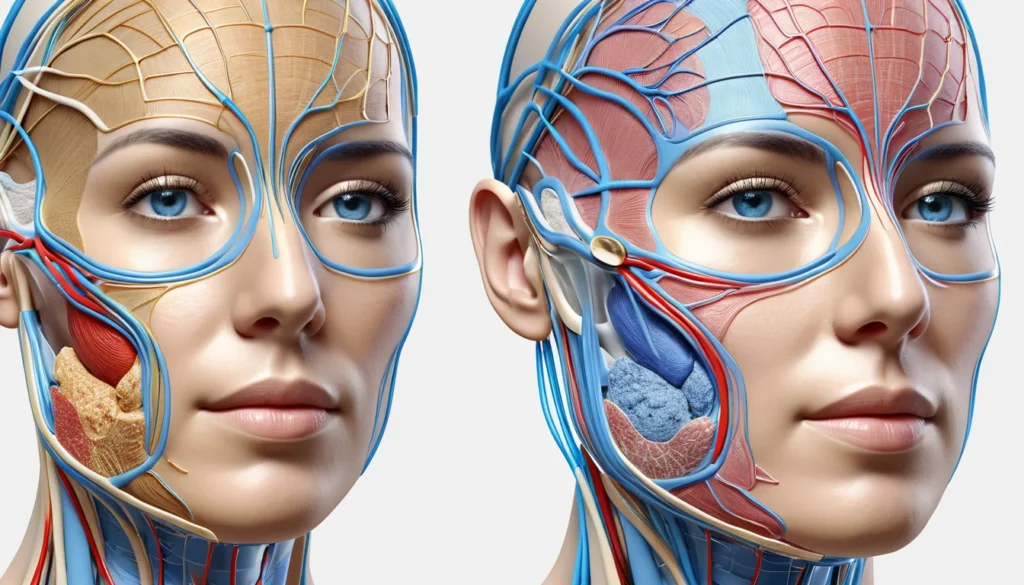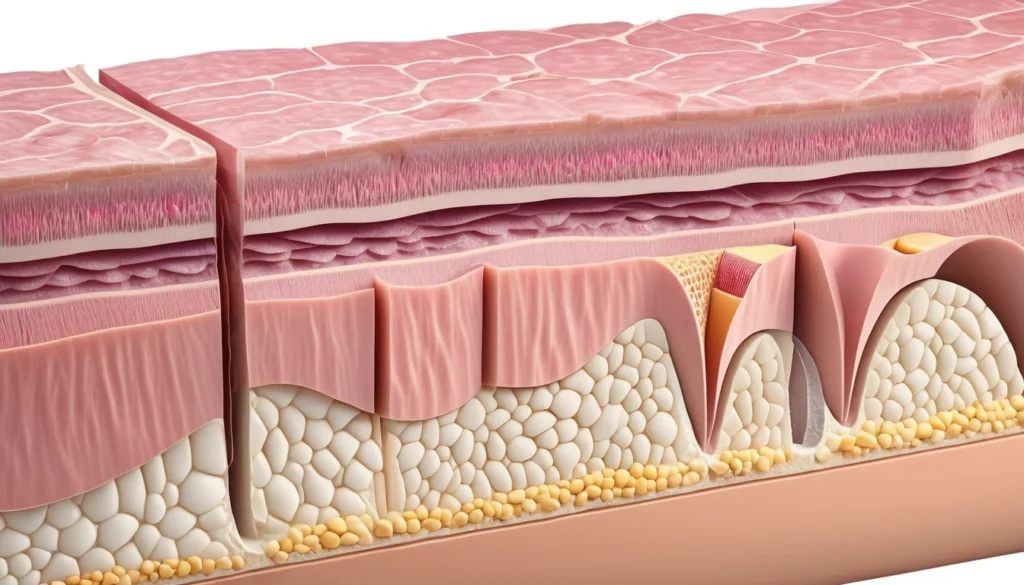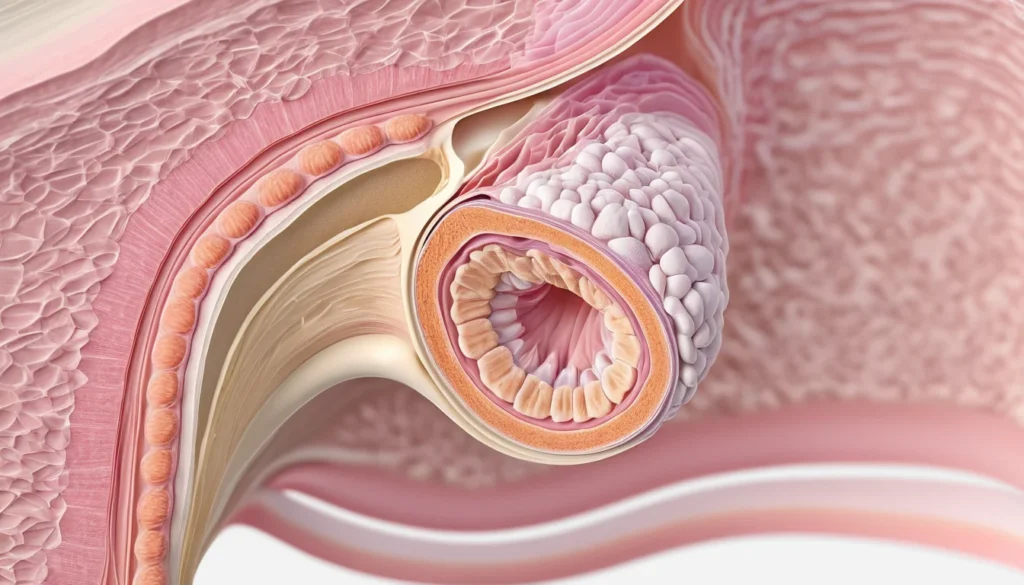
Botulinum toxin injections are a medical treatment used to reduce abnormal muscle contractions, spasms, and certain types of pain. Produced from a protein made by the bacterium Clostridium botulinum, this treatment has been used safely for decades when given by a trained medical professional. In this article, we explain how botulinum toxin works, what conditions it treats, what side effects to expect, and when to speak with your doctor or visit a walk-in clinic.
How Botulinum Toxin Injections Work
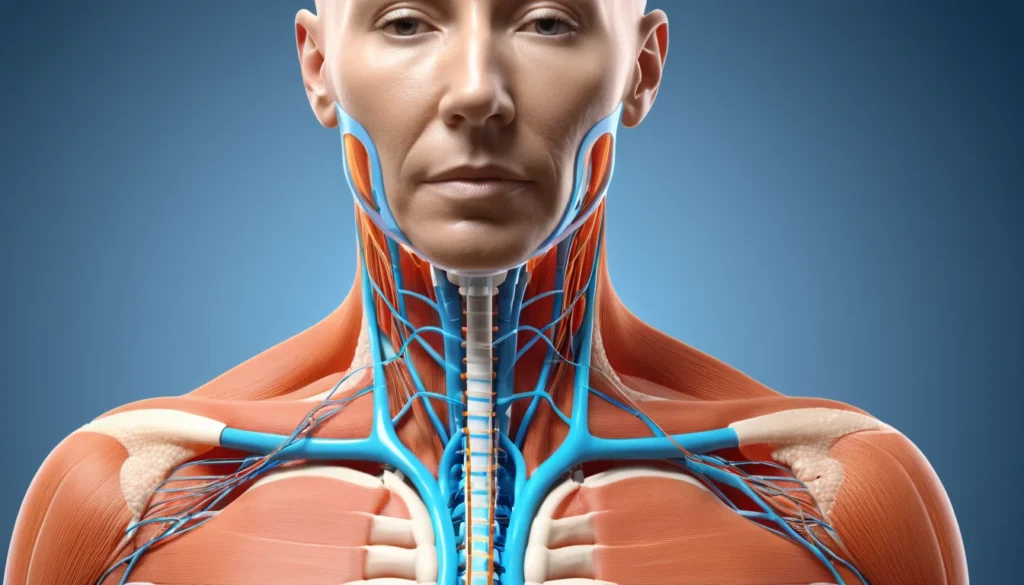
To understand this treatment, it helps to know how your muscles receive signals from your brain. Your brain sends messages down through the spinal cord and then through peripheral nerves to your muscles. A chemical called acetylcholine carries the signal from the nerve ending to the muscle, telling it to contract.
Sometimes, a problem in the brain or spinal cord sends too many signals, or sends them at the wrong time. As a result, muscles can become spastic — meaning they tighten, spasm, or twist into abnormal positions. This often causes significant pain and limits movement.
Botulinum toxin injections work by blocking the release of acetylcholine at the nerve endings. This interrupts the abnormal signal from the brain. Therefore, the muscle relaxes, spasms reduce, and pain often improves.
How Long Does the Effect Last?
The effects of botulinum toxin injections typically begin within 2 to 14 days after the injection. On average, the effect lasts about three months. After that, the muscle gradually returns to its previous state, and repeat injections are needed to maintain the benefit.
In some cases, a doctor uses an electromyograph (EMG) device to guide the needle to the right muscle. This tool detects electrical activity in muscles, helping ensure the injection goes to exactly the right spot. According to Mayo Clinic’s overview of Botox treatment, precise placement is key to a safe and effective result.
Types of Botulinum Toxin Available in Canada
The bacterium Clostridium botulinum produces seven types of toxin. However, only two types are approved for medical use. Type A is sold under the brand name Botox, and Type B is sold as Myobloc.
It is important to note that when consumed in large amounts — for example, through contaminated food — botulinum toxin can be fatal. It can paralyse all the muscles in the body, including those needed to breathe. However, the medical doses used in injections are extremely small and carefully controlled. The amount used therapeutically is a tiny fraction of what would cause harm.
The skill of administering botulinum toxin injections lies in selecting the correct muscles and choosing the right dose. The goal is to reduce spasms without causing complete paralysis of the muscle.
Approved Uses and Medical Indications
Botulinum toxin injections are used for conditions involving abnormal muscle contractions. It is important to understand that this treatment does not cure these conditions — it manages and reduces the symptoms.
Health regulators have approved botulinum toxin for several specific conditions. You can find more information on approved indications through Health Canada’s Drug Product Database.
Approved Medical Conditions
Cervical dystonia (torticollis): An abnormal head position combined with neck pain in adults.
Strabismus: Crossed eyes or misaligned eyes.
Blepharospasm: Uncontrolled, forceful closing of the eyelids.
Hemifacial spasm: Involuntary twitching on one side of the face, in patients aged 12 and older.
Forehead wrinkles (cosmetic use): Botox Cosmetic is approved for reducing frown lines and forehead wrinkles.
Cervical dystonia (Myobloc): Myobloc (Type B) is also approved specifically for this condition.
Off-Label Uses
Over the years, doctors have also used botulinum toxin injections successfully for other conditions, even where formal approval has not been granted. These are called “off-label” uses, meaning the treatment is used outside its originally approved purpose but is supported by clinical experience and research.
Common off-label uses include:
Spasticity caused by stroke, multiple sclerosis, cerebral palsy, or traumatic brain injury.
Limb dystonia: Involuntary twisting postures of the arms or legs.
Hypersalivation: Excessive saliva production, which can be distressing for patients with neurological conditions.
Chronic migraine: Botulinum toxin is increasingly used to help prevent frequent migraines.
Hyperhidrosis: Excessive sweating, particularly in the underarms.
It is worth noting that botulinum toxin treatment can be costly. Coverage varies by province and condition. Check with your provincial health plan or speak to your family doctor about what may be covered under your benefits.
Side Effects of Botulinum Toxin Injections
Like any injection, botulinum toxin can cause some discomfort at the injection site. Mild pain, minor bruising, or a small risk of infection are common to all injections. However, botulinum toxin also has some specific side effects that depend on where the injection is given.
Side Effects by Injection Site
Neck injections: Too much toxin in the neck muscles may make it difficult to hold your head upright. It can also cause trouble swallowing (dysphagia).
Around the eye: Injections near the eye may cause double vision (diplopia), drooping eyelids (ptosis), or dry eyes.
Arm injections: Weakness in the hand grip can occur when the arm muscles are treated.
General: Some people experience flu-like symptoms after the injection, including fatigue and mild aches.
The good news is that these side effects are temporary. Because botulinum toxin wears off over time, so do any unintended effects.
Why Local Treatment Is an Advantage
One of the major benefits of botulinum toxin injections is that they work locally — meaning the effect stays at the injection site. In contrast, a pill travels through your entire bloodstream. It can reach your brain and other organs, potentially causing systemic side effects like drowsiness, dizziness, or stomach upset.
However, while most of the botulinum toxin stays in the injected muscle, there is a small chance it can spread to nearby muscles or other tissues. Therefore, extra caution is needed for patients who already have muscle or nerve conditions, or who are in poor general health. Your doctor will weigh these risks carefully before recommending treatment. For a broader overview of safety, see Healthline’s guide to Botox safety and uses.
Who Should Be Cautious or Avoid This Treatment
Botulinum toxin injections are not suitable for everyone. Certain people need to be especially careful or may need to avoid them altogether.
You should discuss this treatment carefully with your doctor if you:
Have a pre-existing neuromuscular condition, such as myasthenia gravis or ALS.
Are pregnant or breastfeeding.
Are taking certain antibiotics or muscle relaxants that could interact with the toxin.
Have an active infection at the planned injection site.
Have had an allergic reaction to any botulinum toxin product in the past.
Furthermore, patients in poor overall health require extra care. The treating physician must assess the full clinical picture before proceeding. This is not a treatment to seek from an unlicensed provider or an unregulated cosmetic setting.
When to See a Doctor
If you are experiencing muscle spasms, abnormal postures, uncontrolled eye movements, or related symptoms, start by talking to your family doctor. They can assess whether botulinum toxin injections are appropriate for your condition and refer you to a specialist such as a neurologist or physiatrist.
If you do not have a family doctor, a walk-in clinic can be a good first step. A walk-in physician can review your symptoms, order relevant tests, and guide you toward specialist care. Many provinces also offer referral programmes through community health centres that can help connect you with the right care.
If you have already received botulinum toxin injections and experience unexpected or severe side effects — such as difficulty breathing, trouble swallowing, or significant weakness — seek urgent medical care immediately. Always consult a qualified healthcare provider before starting or continuing any medical treatment.
Frequently Asked Questions About Botulinum Toxin Injections
What are botulinum toxin injections used for medically?
Botulinum toxin injections are used to treat conditions involving abnormal muscle contractions, including cervical dystonia, blepharospasm, strabismus, and hemifacial spasm. They are also used off-label for spasticity, chronic migraine, and excessive sweating. The treatment reduces symptoms but does not cure the underlying condition.
How long do botulinum toxin injections last?
The effects of botulinum toxin injections typically begin within 2 to 14 days and last an average of about three months. After this period, the muscle gradually returns to its previous state. Repeat injections are required to maintain the therapeutic benefit.
Are botulinum toxin injections safe?
When administered by a trained medical professional at the correct dose, botulinum toxin injections are considered safe and well-tolerated. Side effects are usually mild and temporary. However, patients with certain neuromuscular conditions or other health concerns should consult their doctor before proceeding.
Is Botox the same as botulinum toxin?
Yes, Botox is a brand name for botulinum toxin Type A. It is the most widely recognised product, but other brands such as Dysport and Xeomin also contain botulinum toxin Type A. Myobloc contains botulinum toxin Type B and is used specifically for cervical dystonia.
Does provincial health insurance cover botulinum toxin injections in Canada?
Coverage for botulinum toxin injections varies by province and by the condition being treated. Some medically necessary uses — such as cervical dystonia or spasticity — may be covered under provincial health plans. Cosmetic uses are generally not covered. Speak with your family doctor or check your provincial health plan for details.
What is the difference between medical and cosmetic botulinum toxin injections?
Medical botulinum toxin injections treat conditions like dystonia, muscle spasms, and chronic migraine, and are administered by neurologists, physiatrists, or other specialists. Cosmetic injections — often called Botox Cosmetic — are used to reduce facial wrinkles and are performed in aesthetic clinics. The product is similar, but the purpose, dosing, and injection technique differ.
Key Takeaways
Botulinum toxin injections block the chemical signal between nerves and muscles, reducing spasms and abnormal muscle activity.
The effects begin within 2 to 14 days and last approximately three months. Repeat injections are needed to maintain the benefit.
Approved medical uses include cervical dystonia, blepharospasm, strabismus, and hemifacial spasm. Off-label uses include spasticity, migraine, and hyperhidrosis.
Side effects are generally mild and temporary, and depend on where the injection is given.
The treatment works locally, which reduces the risk of whole-body side effects compared to oral medications.
Extra caution is required for patients with existing nerve or muscle conditions.
Coverage under provincial health plans varies. Talk to your family doctor or walk-in clinic physician to find out if this treatment is right for you.
Always consult a qualified healthcare provider before starting botulinum toxin injections.