Bone metastases happen when cancer cells travel from their original location and settle in the bones. This is one of the most common ways cancer spreads in the body. Breast cancer, prostate cancer, and lung cancer are the most frequent causes. In this article, you will learn what bone metastases are, what symptoms to watch for, how doctors diagnose them, and what treatment options are available to Canadians.
What Are Bone Metastases?
Cancer begins in one part of the body. Over time, cancer cells can break away and travel through the bloodstream or lymphatic system to other areas. When those cells settle in bone tissue and start growing, the result is bone metastases.
This is different from primary bone cancer, which starts directly in the bone cells. Metastatic bone cancer keeps the name of where it started. For example, breast cancer that spreads to the bones is still called breast cancer — not bone cancer.
According to Health Canada, cancer is one of the leading causes of death in Canada. Understanding how it spreads is an important part of managing it effectively.
Which Cancers Most Often Spread to Bones?
Several types of cancer commonly spread to the skeletal system. The most frequent include:
Breast cancer
Prostate cancer
Lung cancer
Thyroid cancer
Kidney cancer
However, almost any cancer has the potential to spread to bones. The larger a tumour is, and the closer it sits to lymph nodes, the higher the risk of bone metastases developing.
Why Does Cancer Spread to Bones?
Researchers have identified a few reasons why certain cancers target the skeleton. Some cancer cells carry special proteins on their surface. These proteins act like hooks, allowing the cells to attach to bone tissue.
In addition, bones contain growth factors — natural chemicals that encourage cell growth. Unfortunately, these same chemicals can also feed cancer cells, making bones an attractive destination for spreading tumours.
Furthermore, if a primary cancer has already spread to nearby organs, those organs sit close to the skeletal system. This physical closeness makes it easier for cancer cells to reach bone tissue.
Where in the Body Do Bone Metastases Usually Appear?
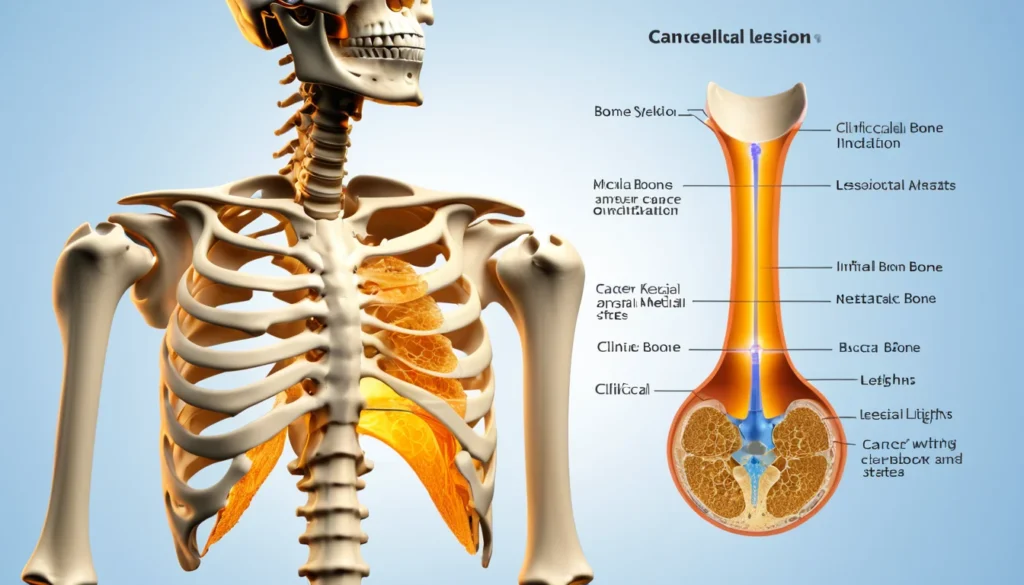
Bone metastases most often appear in the spine. However, they can also develop in:
The skull
The ribs
The pelvis and hips
The upper arms and legs
The femur (thigh bone)
These locations are close to the body’s core blood supply, which makes them easier for travelling cancer cells to reach.
Symptoms of Bone Metastases
Bone metastases can weaken bones significantly. In advanced cases, cancer cells can actually dissolve bone tissue. As a result, several symptoms may develop over time.
Pain
Pain is the most common symptom of bone metastases. It often starts as an intermittent ache that flares up with movement. Over time, the pain becomes constant and worsens during everyday activities.
Fractures
Weakened bones break more easily. Fractures can happen during completely normal activities — not just after falls or accidents. In fact, bone metastases are sometimes first discovered when a cancer patient suffers an unexpected fracture and undergoes imaging tests.
Numbness and Weakness
When tumours grow near the spine, they can press on the spinal cord. This pressure often causes back pain first. However, it can also lead to numbness, tingling, and general weakness in the limbs.
Urinary and Bowel Problems
Spinal bone metastases can interfere with the nerves that control bladder and bowel function. Symptoms may include difficulty urinating or fecal incontinence. If you or a loved one with cancer experiences these symptoms, treat it as a medical emergency and seek care immediately.
Paralysis
In serious cases, pressure on the spinal cord can cause paralysis. The affected area of the body depends on exactly where the pressure occurs. Paralysis most commonly affects the legs, but other parts of the body can be involved as well.
Hypercalcaemia
Bone metastases can cause calcium to leak from bones into the bloodstream. This condition is called hypercalcaemia (high blood calcium). It can cause constipation, dehydration, fatigue, confusion, and in severe cases, coma or death.
For a detailed overview of cancer-related symptoms, visit the Mayo Clinic’s guide to bone metastasis.
How Are Bone Metastases Diagnosed?
In many cases, bone metastases are discovered at the same time as the primary cancer — or even before it. When this happens, your doctor will look at the type of cancer cells present to determine where the cancer originally started.
Your oncologist or specialist may order several tests to confirm the diagnosis and assess the extent of the spread.
Imaging Tests
X-rays, CT scans, MRI scans, and bone scans all provide detailed images of the inside of the body. These tests confirm the presence of bone metastases and show how severe the damage is. They can also help doctors predict where fractures might occur before they happen.
Blood and Urine Tests
Blood and urine tests can detect specific signs of bone metastases. For example, elevated calcium levels in the blood are a key indicator. Certain protein markers may also appear when bone tissue is being damaged.
Biopsy
A biopsy involves removing a small sample of tissue for examination in a lab. Doctors typically use a long, thin needle to collect the sample. In some situations, a minor surgical procedure may be necessary to obtain the tissue needed for diagnosis.
Treatment Options for Bone Metastases
There is no single treatment approach for bone metastases. Your medical team will consider several factors before recommending a plan. These factors include:
The type of primary cancer
The stage of the cancer
How many bones are affected
Your current level of pain and overall health
Treatment usually aims to address four main goals:
Treating the primary cancer
Shrinking or slowing the growth of bone metastases
Managing pain
Protecting bones from further damage
Common Treatment Approaches
Depending on your situation, your care team may recommend one or more of the following:
Radiation therapy — targets tumours in specific bones to reduce pain and shrink metastases
Systemic therapy — includes chemotherapy, hormone therapy, or targeted drug therapy to treat cancer throughout the body
Bone-strengthening medications — drugs called bisphosphonates or denosumab help protect bones from further damage
Surgery — used to stabilise a broken or at-risk bone, or to relieve pressure on the spinal cord
Pain management — a combination of medications and supportive care to maintain quality of life
Researchers continue to explore new treatment methods. Therefore, asking your oncologist about clinical trials available in Canada is always worthwhile. You can find information on current Canadian cancer research through Healthline’s overview of bone metastasis treatments.
When to See a Doctor
If you have been diagnosed with cancer and notice any new or worsening bone pain, do not wait. Contact your family doctor or oncologist as soon as possible. Catching bone metastases early gives your care team more options for protecting your bones and managing symptoms.
If you do not have a family doctor, a walk-in clinic can provide an initial assessment and refer you to the appropriate specialist. Most provincial health plans in Canada cover the diagnostic tests used to detect bone metastases, so cost should not be a barrier to getting checked.
If you experience sudden numbness, weakness, trouble walking, loss of bladder or bowel control, or a suspected fracture, go to your nearest emergency department right away. These are medical emergencies that require immediate attention.
Always speak with a qualified healthcare provider before making any decisions about your health. The information in this article is for general educational purposes only.
Frequently Asked Questions About Bone Metastases
What are the first signs of bone metastases?
The most common early sign of bone metastases is a dull, intermittent ache in the affected bone that worsens with movement. Back pain is also a frequent early symptom, especially when the spine is involved. If you have cancer and notice new bone pain, speak with your doctor promptly.
Can bone metastases be cured?
Bone metastases are generally considered a sign that cancer is at an advanced stage, and a complete cure is not always possible. However, treatment can significantly slow the spread, relieve pain, and protect bone strength, allowing many people to maintain a good quality of life. Your oncologist can discuss the best options for your specific situation.
How long can you live with bone metastases?
Survival with bone metastases varies widely depending on the type of primary cancer, overall health, and how well treatment is working. Some people live for several years after diagnosis with the right treatment plan. Your medical team can give you the most accurate picture based on your individual case.
Which cancers most commonly cause bone metastases?
Breast cancer, prostate cancer, and lung cancer are the most common causes of bone metastases. Thyroid cancer and kidney cancer can also spread to the bones. Almost any type of cancer has the potential to metastasise to the skeletal system.
Is bone metastasis the same as bone cancer?
No, bone metastasis and primary bone cancer are different conditions. Primary bone cancer starts in the bone cells themselves. Bone metastasis occurs when cancer from another part of the body — such as the breast or prostate — spreads to the bones. The two conditions require different treatment approaches.
Does provincial health coverage in Canada include bone metastasis treatment?
Most provincial and territorial health plans in Canada cover the core diagnostic tests and treatments for bone metastases, including imaging, biopsies, radiation therapy, and many drug therapies. Coverage for specific medications may vary by province. Ask your oncology team or contact your provincial health authority for details about what is covered in your area.
Key Takeaways
Bone metastases occur when cancer cells travel from their original tumour and grow in bone tissue.
Breast, prostate, and lung cancer are the most common causes, but many cancers can spread to bones.
Common symptoms include bone pain, fractures, numbness, back pain, and hypercalcaemia.
Diagnosis involves imaging tests, blood and urine tests, and sometimes a biopsy.
Treatment focuses on controlling cancer, reducing pain, and protecting bones — not always a cure.
Sudden numbness, loss of bladder control, or an unexpected fracture in a cancer patient is a medical emergency.
Most diagnostic tests and treatments are covered under Canadian provincial health plans — talk to your family doctor or oncologist for guidance.