Your bone marrow is one of the hardest-working tissues in your entire body. It sits inside your bones and produces billions of blood cells every single day. Without healthy bone marrow, your body cannot fight infection, carry oxygen, or stop bleeding. This article explains what bone marrow does, what can go wrong, and when you should talk to your family doctor or visit a walk-in clinic.
What Is Bone Marrow?
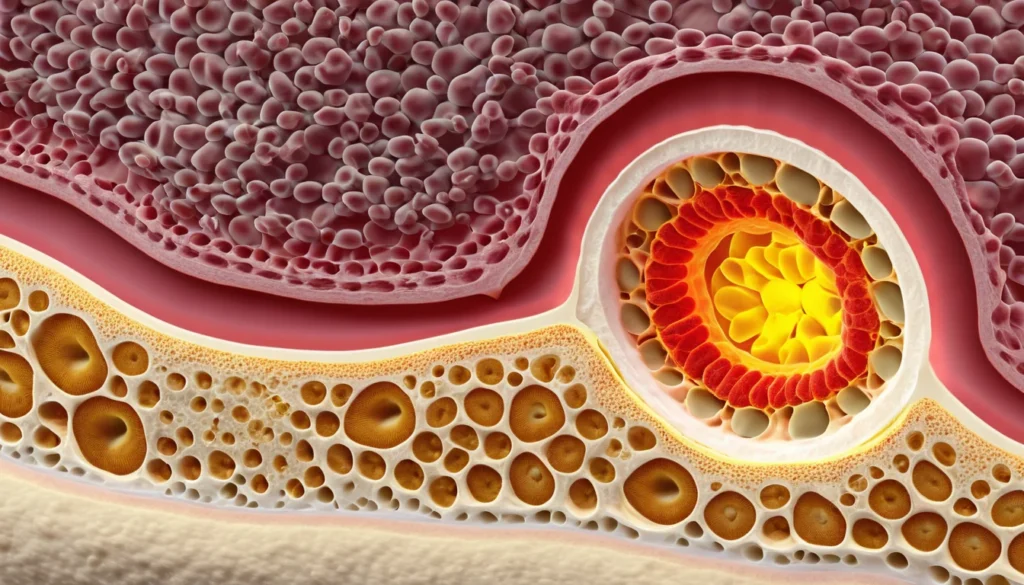
Bone marrow is a soft, spongy tissue found inside your bones. It acts like a manufacturing plant for your blood. Every type of blood cell your body needs starts its life right here.
When you are born, all of your bones contain active bone marrow. As you grow into an adult, production shifts to specific areas. These include the bones of your spine, chest, shoulders, and pelvis. This is where most of your blood cell production happens throughout your adult life.
Bone marrow contains two main types of tissue. Red bone marrow produces blood cells. Yellow bone marrow is made mostly of fat cells and acts as a reserve. In an emergency, yellow marrow can convert back to red marrow and ramp up blood cell production quickly.
How Bone Marrow Produces Blood Cells
Bone marrow works around the clock to keep your blood supply healthy. It produces an astonishing number of cells every single day. For example, healthy bone marrow makes around 200 billion red blood cells and 10 billion white blood cells daily.
All of these cells begin as stem cells. A stem cell is a basic, unspecialised cell that can develop into many different types. Think of stem cells as blank building blocks. Bone marrow holds a large reserve of these cells, which allows it to keep producing blood continuously.
The Three Types of Blood Cells
Bone marrow produces three essential types of blood cells. Each one plays a different and vital role in keeping you healthy.
Red blood cells: These carry oxygen from your lungs to every part of your body. They also carry carbon dioxide back to the lungs to be breathed out.
White blood cells: These are your immune system’s soldiers. They identify and destroy bacteria, viruses, and other threats.
Platelets: These are tiny cell fragments that help your blood clot. When you cut yourself, platelets rush to the wound and stop the bleeding.
All three types are absolutely essential. A problem with any one of them can have serious effects on your health. For more detail on how blood cells work, visit Healthline’s guide to bone marrow.
How Bone Marrow Responds to Emergencies
One of the most remarkable things about bone marrow is its ability to respond to crisis. When your body loses blood quickly — through injury or heavy bleeding — your bone marrow shifts into high gear. In these situations, red blood cell production can increase by as much as ten times the normal rate.
This also happens with a condition called haemolysis. Haemolysis is when red blood cells are destroyed faster than normal. The bone marrow senses this and immediately works to replace what has been lost.
However, this emergency response has its limits. If the underlying cause is not treated, the marrow can eventually become overwhelmed. This is why getting a diagnosis quickly is so important.
How Doctors Examine Bone Marrow
When a doctor suspects a bone marrow problem, they will order specific tests. There are two main ways to examine bone marrow directly.
Bone Marrow Aspiration
A bone marrow aspiration involves inserting a needle into the breastbone or the back of the hip bone. The doctor draws out a small sample of the liquid marrow. This sample is then examined under a microscope in a laboratory. The procedure is done under local anaesthetic and is usually performed in a hospital or specialist clinic.
Bone Marrow Biopsy
A bone marrow biopsy is similar but slightly more involved. Instead of drawing out liquid, the doctor removes a small core of solid bone marrow tissue, usually from the back of the hip bone. This gives a clearer picture of how the marrow is structured and how cells are arranged within it.
Both procedures sound intimidating, but they are routine medical tests. Your specialist will explain what to expect beforehand. The Mayo Clinic provides a detailed overview of bone marrow biopsy procedures if you would like to learn more.
Diseases and Conditions That Affect Bone Marrow
Several conditions can interfere with the way bone marrow functions. Some reduce its ability to produce cells. Others cause it to produce too many abnormal cells. Understanding these conditions can help you recognise warning signs early.
Aplastic Anaemia
Aplastic anaemia happens when the bone marrow does not produce enough blood cells. The stem cell reserve becomes depleted or damaged. As a result, the body becomes dangerously low in red blood cells, white blood cells, and platelets all at the same time.
Symptoms can include extreme fatigue, frequent infections, and unusual bruising or bleeding. This condition requires prompt medical treatment and is managed by a specialist haematologist.
Toxic Damage and Nutritional Deficiencies
Certain substances can directly damage bone marrow. Industrial chemicals such as benzene are a well-known example. Some medications can also be toxic to the marrow when used over a long period.
Nutritional deficiencies can also disrupt normal cell development. For example, low levels of folic acid or vitamin B12 prevent the marrow from producing healthy, fully developed blood cells. In Canada, dietary deficiencies are more common than many people realise, particularly in northern and remote communities. Eating a balanced diet rich in leafy greens, legumes, and fortified foods can help protect your bone marrow health.
Blood Cancers: Leukaemia and Myeloma
Some of the most serious bone marrow conditions involve abnormal cell growth. Leukaemia is a cancer of the blood and bone marrow. It causes the marrow to produce large numbers of abnormal white blood cells that cannot function properly. These cells crowd out the healthy ones.
Multiple myeloma is another type of cancer that begins in the bone marrow. It affects plasma cells, which are a type of white blood cell. Myeloma can weaken bones, impair kidney function, and suppress the immune system.
Both conditions require specialist care and are treated through cancer centres across Canada. Provincial health plans generally cover the cost of diagnosis and treatment. Your family doctor can provide a referral to a haematologist or oncologist if needed.
Myelofibrosis
Myelofibrosis is a condition where scar tissue, made of a protein called collagen, gradually builds up inside the bone marrow. This scarring replaces the normal marrow tissue and disrupts blood cell production. Over time, the spleen and liver may take over some blood cell production to compensate.
Symptoms include fatigue, an enlarged spleen, night sweats, and unintentional weight loss. Myelofibrosis is a chronic condition managed by a specialist. Health Canada offers resources to help Canadians connect with specialist care in their province or territory.
When to See a Doctor
Many bone marrow conditions develop slowly and quietly. This means symptoms can be easy to dismiss at first. However, certain warning signs should never be ignored.
Talk to your family doctor or visit a walk-in clinic if you experience any of the following:
Persistent, unexplained fatigue that does not improve with rest
Frequent infections or infections that take a very long time to clear up
Unusual bruising or bleeding, such as bleeding gums or heavy periods
Unexplained weight loss over a short period of time
Paleness, shortness of breath, or a rapid heartbeat without an obvious cause
Bone pain that is persistent and unexplained
Your family doctor can order a simple blood test called a complete blood count (CBC). This test checks the levels of red blood cells, white blood cells, and platelets in your blood. It is often the first step in identifying a potential bone marrow problem. Most provincial health plans cover this test with a valid referral.
Early detection makes a significant difference in treatment outcomes. Do not wait and hope the symptoms go away on their own. When in doubt, always consult a qualified healthcare provider. This article is for informational purposes only and is not a substitute for professional medical advice.
Frequently Asked Questions About Bone Marrow
What does bone marrow actually do?
Bone marrow produces all three types of blood cells your body needs: red blood cells, white blood cells, and platelets. It contains stem cells that continuously divide and develop into these specialised cells. Without healthy bone marrow, your body cannot carry oxygen, fight infection, or control bleeding.
What are the signs of bone marrow problems?
Common warning signs of bone marrow disease include extreme fatigue, frequent infections, unusual bruising, and unexplained weight loss. Shortness of breath and pale skin can also indicate that your blood cell levels are too low. If you notice these symptoms, see your family doctor or visit a walk-in clinic for a blood test.
Is a bone marrow biopsy painful?
A bone marrow biopsy is performed under local anaesthetic, so the area is numbed before the procedure begins. Most people feel pressure rather than sharp pain during the test. Some discomfort or soreness may occur afterward, but this usually goes away within a day or two.
Can bone marrow disease be cured?
Some bone marrow conditions, such as aplastic anaemia caused by a vitamin deficiency, can be treated very effectively once the underlying cause is identified. Others, like leukaemia or myelofibrosis, require long-term specialist management. A bone marrow transplant can be curative in certain cases and is available through cancer centres in Canada.
What foods support healthy bone marrow?
A diet rich in bone marrow-supporting nutrients includes foods high in folic acid, vitamin B12, and iron. Good sources include leafy green vegetables, legumes, eggs, fish, and fortified cereals. Eating a balanced diet helps give your marrow the raw materials it needs to produce healthy blood cells.
Does provincial health insurance cover bone marrow tests in Canada?
Yes, most provincial and territorial health plans in Canada cover medically necessary bone marrow tests, including blood counts and biopsies, when ordered by a licensed physician. Your family doctor can refer you to a specialist haematologist if a bone marrow condition is suspected. Check with your provincial health authority for specific coverage details in your area.
Key Takeaways
Bone marrow is a vital tissue inside your bones that produces billions of blood cells every day.
It creates three types of blood cells: red blood cells, white blood cells, and platelets.
Bone marrow contains stem cells that allow it to keep producing blood continuously and to respond to emergencies.
In adults, most blood cell production happens in the spine, chest, shoulder, and pelvic bones.
Common bone marrow conditions include aplastic anaemia, leukaemia, multiple myeloma, and myelofibrosis.
Nutritional deficiencies — particularly in folic acid and vitamin B12 — can disrupt healthy blood cell production.
Doctors examine bone marrow through aspiration or biopsy, usually performed at a hospital or specialist clinic.
Warning signs include fatigue, frequent infections, unexplained bruising, and bone pain.
A simple blood test from your family doctor or walk-in clinic is often the first step toward diagnosis.
Always consult a qualified healthcare professional if you are concerned about your bone marrow health.