A bone density scan is a simple, painless test that measures how strong and solid your bones are. Doctors use it to check for osteoporosis — a condition where bones become thin and break easily. This article explains how the test works, who should get one, what the results mean, and what steps you can take to protect your bone health.
What Is a Bone Density Scan?
A bone density scan — also called a DEXA scan or dual-energy X-ray absorptiometry — uses low-dose X-rays to measure the amount of mineral in your bones. The denser your bones, the stronger they are. The scan gives your doctor a clear picture of your bone health.
This test is one of the most accurate tools available for detecting osteoporosis early. It is quick, non-invasive, and requires no needles or injections. Most scans take between 10 and 30 minutes to complete.
The results help your doctor decide whether you need treatment, lifestyle changes, or simply closer monitoring over time. Early detection can make a significant difference in preventing broken bones and long-term disability.
How Does a Bone Density Scan Work?
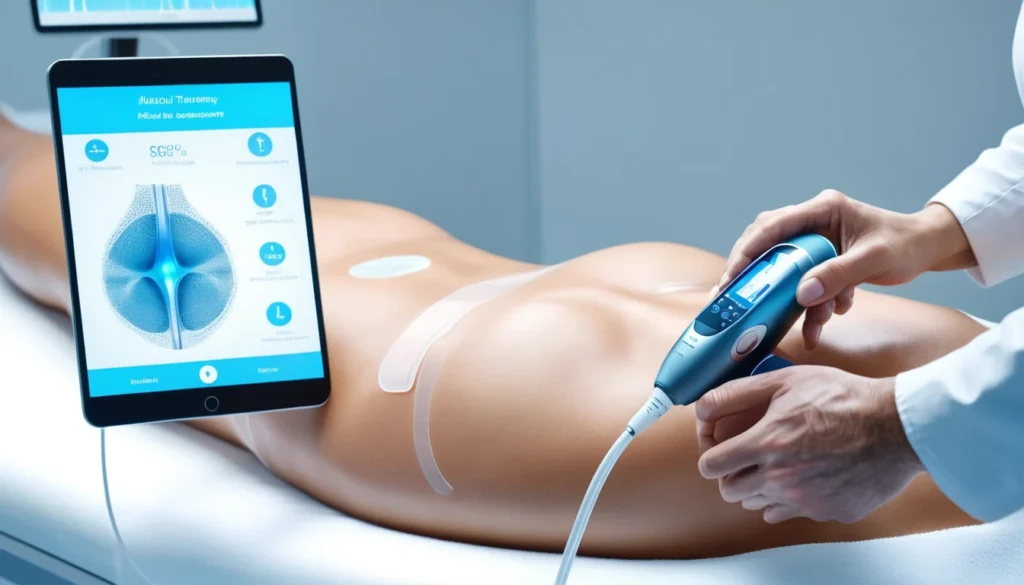
During a bone density scan, you lie fully clothed on a padded table. A scanning arm passes slowly over your body, sending low-energy X-ray beams through the bone tissue. Two different energy levels of X-ray are used — that is where the term “dual-energy” comes from.
The machine measures how much of each beam passes through the bone. Denser bones absorb more of the beam. Softer or thinner bones let more of the beam pass through. This information helps calculate your bone mineral density, or BMD.
Which Bones Are Measured?
Doctors typically focus the scan on areas most likely to be affected by osteoporosis. These areas include:
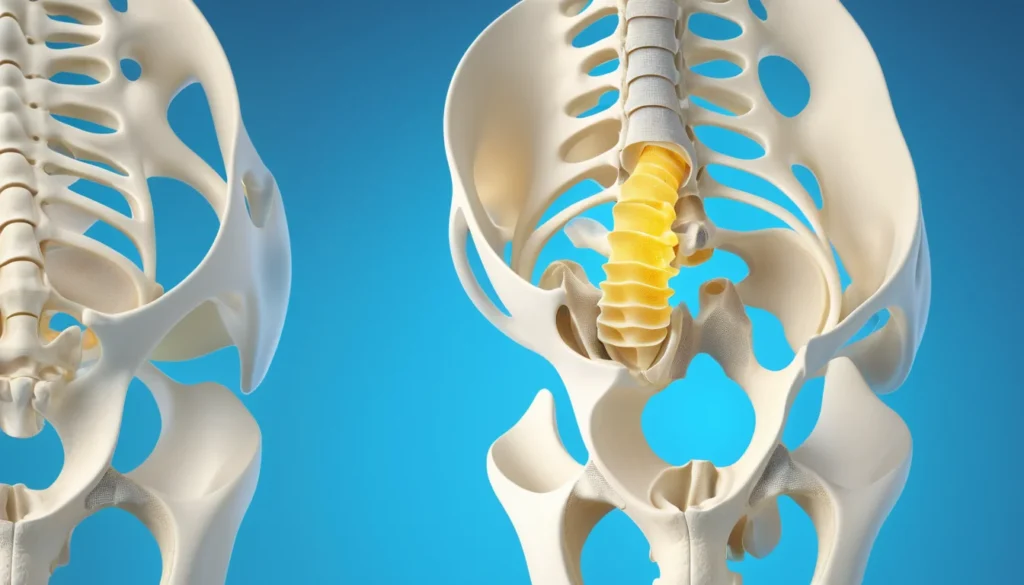
The lower spine (lumbar vertebrae)
The hip, including the femoral neck
The wrist or forearm in some cases
Scanning these specific sites gives your doctor the most useful information. These are also the bones most likely to fracture if osteoporosis is present.
Is the Scan Safe?
Yes — a bone density scan is very safe. The radiation dose is extremely low, far lower than a standard chest X-ray. However, if you are pregnant, always tell your doctor or technician before the scan. In most cases, your doctor will recommend waiting until after delivery.
Who Should Get a Bone Density Scan?
Not everyone needs a bone density scan right away. However, certain groups of people are at higher risk for bone loss and may benefit from early testing. Your family doctor or a specialist can help you decide if the test is right for you.
In Canada, provincial health plans often cover the cost of a bone density scan for people who meet specific criteria. Coverage rules vary by province, so it is worth checking with your local health authority or family doctor.
Common Reasons for a Referral
Your doctor may recommend a bone density scan if you:
Are a woman aged 65 or older
Are a man aged 70 or older
Have gone through early menopause (before age 45)
Have broken a bone after a minor fall or injury
Have a family history of osteoporosis or hip fractures
Take medications such as corticosteroids long-term
Have a medical condition linked to bone loss, such as rheumatoid arthritis or celiac disease
Have a low body weight or a history of an eating disorder
In addition, people who smoke or drink alcohol heavily are also at greater risk. Therefore, your doctor may recommend screening earlier than usual if several of these factors apply to you.
For more information on who qualifies for screening, visit Health Canada’s official health resources.
Understanding Your Bone Density Scan Results
After your bone density scan, your results are expressed as a T-score. This number compares your bone density to that of a healthy young adult. Understanding your score helps you and your doctor plan next steps.
What Do the T-Score Numbers Mean?
Here is a simple breakdown of T-score ranges:
-1.0 and above: Normal bone density
Between -1.0 and -2.5: Low bone density (also called osteopenia)
-2.5 and below: Osteoporosis
A lower (more negative) score means lower bone density. For example, a T-score of -2.8 indicates osteoporosis. However, a score alone does not tell the whole story — your doctor will also look at your age, medical history, and other risk factors.
What Is a Z-Score?
Some reports also include a Z-score. This compares your bone density to others of the same age and sex. A Z-score is often used for younger people or those with secondary causes of bone loss. Your doctor will explain which score is most relevant in your case.
According to the Mayo Clinic’s guide to bone density testing, both scores together give a more complete picture of bone health risk.
What Happens After a Bone Density Scan?
If your results are normal, your doctor will likely recommend routine follow-up scans every one to two years, depending on your age and risk factors. This helps track any changes in bone density over time.
If your results show low bone density or osteoporosis, your doctor will discuss a treatment and prevention plan with you. This plan may include lifestyle changes, supplements, or medication.
Lifestyle Changes to Improve Bone Health
There are several steps you can take to support stronger bones. These include:
Getting enough calcium — adults need about 1,000 to 1,200 mg per day
Getting enough vitamin D — essential for calcium absorption
Doing weight-bearing exercises like walking, dancing, or hiking
Quitting smoking
Reducing alcohol intake
Eating a diet rich in fibre, leafy greens, and dairy or fortified alternatives
Furthermore, fall prevention is an important part of managing osteoporosis. Simple home modifications — such as removing trip hazards and adding grab bars in the bathroom — can reduce the risk of fractures significantly.
Medications for Osteoporosis
Several medications can help slow bone loss or even rebuild bone density. The most common class of drugs is called bisphosphonates. Other options include hormone therapy or newer biological treatments. Your doctor will recommend the best option based on your specific results and health history.
For a comprehensive overview of osteoporosis treatments, Healthline’s osteoporosis treatment guide is a helpful resource.
Bone Density and Osteoporosis in Canada
Osteoporosis affects an estimated 2 million Canadians. Many more live with low bone density without knowing it. In fact, osteoporosis is often called a “silent disease” because bone loss happens without any obvious symptoms until a fracture occurs.
Hip fractures are a leading cause of disability and loss of independence in older Canadians. As a result, early screening with a bone density scan is a powerful tool for protecting long-term health and quality of life.
Canadian women are at higher risk than men, particularly after menopause. However, men are not immune — approximately one in five Canadian men over 50 will experience an osteoporotic fracture in their lifetime.
When to See a Doctor
You should speak with your family doctor if you have any concerns about your bone health. This is especially important if you have experienced a fracture from a minor fall, have a family history of osteoporosis, or belong to a higher-risk group.
If you do not have a family doctor, a walk-in clinic can help with an initial assessment and referral for a bone density scan if needed. Many provincial health plans cover the test when medically indicated, so ask about your eligibility.
Do not wait for symptoms to appear. Osteoporosis is much easier to manage when caught early. A simple conversation with your doctor could be the first step toward protecting your bones for life.
Please note: This article is for general information only. Always consult a qualified healthcare provider before making any decisions about your health or treatment.
Frequently Asked Questions About Bone Density Scans
What is a bone density scan used for?
A bone density scan is used to measure the strength and mineral content of your bones. It helps doctors diagnose osteoporosis or low bone density before a fracture occurs. The results guide decisions about treatment, lifestyle changes, and monitoring.
Is a bone density scan covered by provincial health plans in Canada?
In many provinces, a bone density scan is covered when it is medically necessary. Coverage criteria vary by province and typically apply to people over a certain age or with specific risk factors. Ask your family doctor or walk-in clinic whether you qualify for coverage in your province.
How often should I get a bone density scan?
Most doctors recommend repeating a bone density scan every one to two years if you have been diagnosed with osteoporosis or are receiving treatment. If your results are normal, your doctor may suggest testing every two to five years. Your individual schedule depends on your age, risk factors, and results.
Does a bone density scan hurt?
No — a bone density scan is completely painless. You simply lie on a padded table while a scanning arm moves over your body. There are no needles, no injections, and no preparation required beyond removing metal jewellery or belts.
What is a normal bone density scan result?
A normal bone density scan result is a T-score of -1.0 or above. Scores between -1.0 and -2.5 indicate low bone density (osteopenia), while a score of -2.5 or lower indicates osteoporosis. Your doctor will interpret your results in the context of your overall health.
At what age should I get a bone density scan?
Canadian guidelines generally recommend a bone density scan for women aged 65 and older and men aged 70 and older. However, younger people with risk factors — such as a history of fractures, long-term steroid use, or early menopause — may need testing sooner. Talk to your family doctor to find out when is the right time for you.
Key Takeaways
A bone density scan (DEXA scan) measures bone mineral density to detect osteoporosis early.
The test is safe, painless, and takes less than 30 minutes.
Results are given as a T-score — lower scores indicate thinner, weaker bones.
Women over 65, men over 70, and those with specific risk factors should ask about screening.
Many provincial health plans cover the scan when it is medically necessary.
Lifestyle changes such as calcium intake, vitamin D, and weight-bearing exercise support bone health.
Early detection leads to better outcomes — speak with your family doctor or visit a walk-in clinic today.