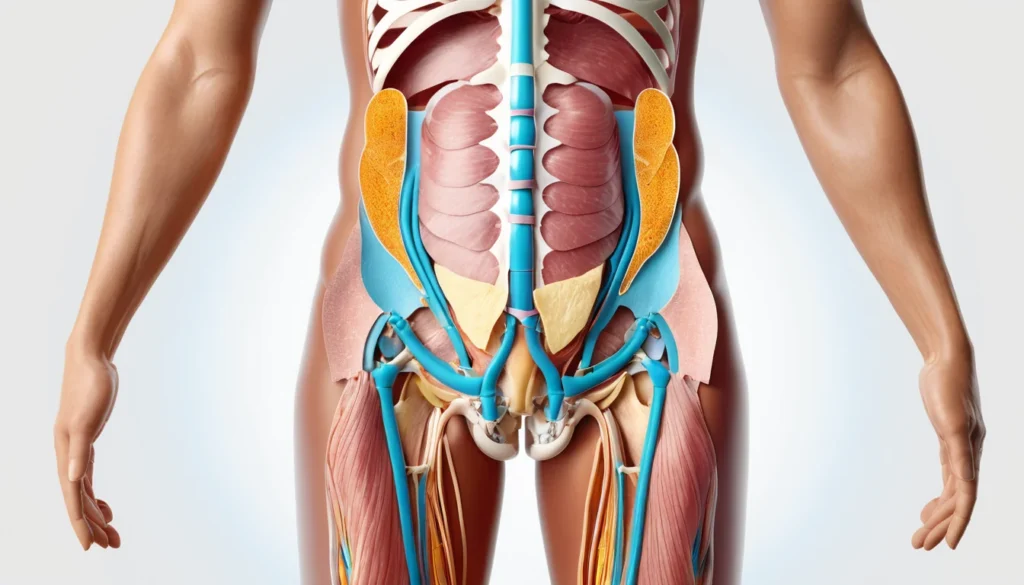
Your body weight is more than just a number on the scale. It reflects the combined weight of your muscles, bones, fat, and water — and it changes throughout your entire life. Understanding what a healthy body weight means can help you catch health problems early and make better everyday choices. This article covers how body weight changes over time, what the numbers mean, and when you should speak with a healthcare provider.
What Makes Up Your Body Weight?
Body weight is the total of several different components working together. These include body fat (also called adipose tissue), lean mass (muscles and connective tissue), your skeleton, and water.
Each of these plays an important role in your overall health. For example, too much body fat can raise your risk of heart disease and diabetes. However, too little body fat can also cause serious health problems.
Your genetics play a large role in determining your natural body weight. In addition, your lifestyle — including diet, physical activity, and any medications you take — also shapes your weight over time.
How Body Weight Changes at Every Stage of Life
Body weight does not stay the same throughout your life. It shifts in predictable ways depending on your age and life stage. Tracking these changes helps doctors spot potential health concerns early.
Body Weight in Babies and Children
In newborns and young children, weight is one of the most reliable signs of healthy growth. Canadian paediatricians and public health nurses track weight closely in the first year of life.
As a general rule, a baby’s birth weight typically doubles by 3 months of age and triples by the time they turn one year old. Most healthy newborns weigh more than 2.5 kilograms at birth.
Babies are weighed every week during the first month of life. After that, monthly weigh-ins are recommended until 6 months, then every two months until age one. These measurements are plotted on growth charts to make sure your child is developing normally. Your family doctor or public health nurse will review these charts at well-baby visits.
Body Weight During Pregnancy
Weight gain during pregnancy is completely normal and healthy. For a woman with an average build, gaining between 10 and 12 kilograms over the full pregnancy is commonly associated with a healthy birth weight for the baby.
However, every pregnancy is different. Your doctor or midwife will give you personalised guidance based on your starting weight and overall health. Health Canada offers prenatal nutrition guidance to help support healthy weight gain during pregnancy.
Body Weight in Adults
In adulthood, body weight tends to stay relatively stable when your energy intake matches your energy use. However, many adults gradually gain weight as they age.
This happens partly because muscle mass decreases with age while body fat tends to increase. Physical activity levels also often drop over time. Therefore, staying active and eating well becomes even more important as you get older.
Body Weight in Older Adults
Interestingly, body weight often begins to decrease in older adults after a period of relative stability. While some weight loss in later life is normal, rapid or unexplained weight loss is a serious concern.
In older Canadians, unintentional weight loss can lead to malnutrition, muscle weakness, and a higher risk of falls and illness. For this reason, any sudden drop in weight in an older adult should be addressed quickly by a healthcare provider.
Understanding BMI and Body Weight Categories
Beyond the number on the scale, doctors use a tool called the Body Mass Index (BMI) to assess body weight in relation to height. BMI gives a more complete picture of whether your weight falls within a healthy range.
BMI is calculated by dividing your weight in kilograms by the square of your height in metres. The World Health Organization (WHO) defines the standard BMI categories as follows:
Below 18.5 — Underweight
18.5 to 19.9 — Delicate or low-normal range
20 to 24.9 — Normal or healthy weight
25 to 29.9 — Overweight
30 and above — Obese
It is important to understand that BMI is a screening tool, not a diagnosis. It does not account for factors like muscle mass, bone density, age, or ethnicity. For example, a very muscular person may have a high BMI but still be in excellent health.
Furthermore, there are several other formulas used to calculate an “ideal” body weight. These often factor in age and frame size. However, your ideal body weight is not always the same as the weight at which you feel your best. Talk to your family doctor about what a healthy weight range looks like for you specifically.
What Causes Changes in Body Weight?
Many factors influence your body weight from day to day and over longer periods of time. Understanding these factors can help you make sense of the changes you notice on the scale.
Lifestyle Factors
The most common drivers of body weight changes are diet and physical activity. Eating more calories than your body burns leads to weight gain over time. On the other hand, regular exercise helps maintain lean muscle and manage body fat.
Certain medications can also cause significant weight changes as a side effect. These include some antidepressants, corticosteroids, and medications used to treat diabetes or high blood pressure. If you are concerned about medication-related weight changes, speak with your pharmacist or doctor.
Genetics and Hormones
Your genes strongly influence your natural body weight and where you tend to store fat. Some people are genetically predisposed to carry more weight, even with a healthy lifestyle.
Hormonal conditions can also cause significant weight changes. Thyroid disorders, polycystic ovary syndrome (PCOS), and adrenal problems are examples of conditions that can affect body weight. These conditions are treatable, so getting a proper diagnosis is important.
Healthy Ways to Manage Your Body Weight
Maintaining a healthy body weight does not require extreme dieting or hours at the gym. Small, sustainable changes are far more effective in the long run.
Here are some practical steps that can help:
Eat a balanced diet rich in vegetables, fruits, whole grains, and lean proteins
Increase your daily fibre intake to help you feel full longer
Limit processed foods, sugary drinks, and excess sodium
Aim for at least 150 minutes of moderate physical activity each week, as recommended by Canadian guidelines
Get enough sleep — poor sleep is linked to weight gain
Manage stress, since chronic stress can increase appetite and promote fat storage
The Mayo Clinic offers evidence-based guidance on healthy weight management that aligns well with Canadian health recommendations.
Remember, the goal is overall health — not just a specific number on the scale. Your body weight is just one piece of a larger health picture.
How Body Weight Is Measured
Accurate measurement of body weight requires the right tools and consistent technique. This helps ensure that changes over time are meaningful and not just the result of measurement error.
Weighing Infants and Babies
Newborns and infants are weighed using a specialised baby scale, which can measure weight to within 10 to 20 grams. This level of precision is important because small weight changes matter greatly in the early weeks of life.
Once a child can stand steadily on their own, a standard personal scale is used. These scales are typically accurate to within about 50 grams.
Weighing Adults
For adults, the most accurate results come from weighing yourself at the same time of day, on the same scale, and ideally wearing the same amount of clothing. Morning weigh-ins, before eating or drinking, tend to be the most consistent.
Keep in mind that body weight naturally fluctuates by one to two kilograms throughout the day due to food, fluid, and normal body processes. Therefore, do not be alarmed by small daily variations.
When to See a Doctor About Your Body Weight
Most minor fluctuations in body weight are normal. However, there are situations where a change in body weight deserves prompt medical attention.
You should speak with your family doctor or visit a walk-in clinic if you notice any of the following:
Unexplained weight loss of 5% or more of your body weight over 6 to 12 months
Rapid, unexplained weight gain — especially if accompanied by swelling (oedema)
Weight changes alongside fatigue, changes in bowel habits, or other new symptoms
Signs of disordered eating, such as restricting food severely or binge eating
Any rapid weight loss in an older adult or frail person
Significant changes in body weight can sometimes signal a serious underlying condition. These include cancer, hormonal disorders, heart failure, or eating disorders. Early detection and treatment make a real difference. Your provincial health plan covers visits to your family doctor for concerns like this, so do not hesitate to seek care. If you do not have a family doctor, a walk-in clinic is a good first step.
Frequently Asked Questions About Body Weight
What is a healthy body weight for adults?
A healthy body weight varies from person to person depending on height, age, muscle mass, and other factors. Generally, a BMI between 20 and 24.9 is considered a healthy body weight range for most adults. Your family doctor can help you determine the right target for your individual health profile.
How much body weight gain is normal during pregnancy?
For a woman with an average build, gaining 10 to 12 kilograms during pregnancy is commonly associated with a healthy outcome for both mother and baby. However, the right amount of body weight gain during pregnancy depends on your pre-pregnancy weight and overall health. Always follow the personalised guidance of your doctor or midwife.
Why does body weight increase with age?
As people age, lean muscle mass tends to decrease while body fat increases, even without major changes in eating habits. This shift in body composition means the body burns fewer calories at rest, which can lead to gradual body weight gain. Staying physically active and eating a balanced diet helps slow this process.
When should I be concerned about sudden weight loss?
Unexplained weight loss of 5% or more of your body weight over a few months is a reason to see a doctor. Sudden body weight loss can be a sign of conditions such as thyroid problems, cancer, digestive disorders, or eating disorders. Visit your family doctor or a walk-in clinic to get checked out.
Is BMI the best way to measure healthy body weight?
BMI is a useful starting point for assessing body weight, but it has limitations. It does not account for muscle mass, bone density, age, or where fat is distributed in the body. Your doctor may also consider waist circumference, blood tests, and other measures for a more complete picture of your health.
How often should I weigh myself to track body weight?
For most adults, weighing yourself once a week is enough to track meaningful changes in body weight without becoming overly focused on daily fluctuations. Weigh yourself at the same time of day and on the same scale for the most consistent results. If you have a health condition that requires closer monitoring, follow your doctor’s specific advice.
Key Takeaways
Body weight includes fat, muscle, bone, and water — it is not just about body fat.
Weight changes throughout life are normal, but large or rapid changes deserve attention.
BMI is a helpful screening tool, but it works best alongside other health assessments.
Genetics, lifestyle, hormones, and medications all influence your body weight.
Healthy weight management focuses on sustainable habits — balanced eating, regular activity, and good sleep.
Older adults should be especially watchful for unexpected weight loss, which can lead to malnutrition.
If you are concerned about your body weight, speak with your family doctor or visit a walk-in clinic. Most provincial health plans cover this type of consultation.
This article is for informational purposes only and does not replace professional medical advice. Always consult a qualified healthcare provider about any concerns related to your body weight or overall health.