Your body shape and size health warning signs are often right in front of you — you just need to know what to look for. Changes in your weight, height, and body proportions can point to serious conditions like diabetes, heart disease, and osteoporosis. This article explains what your body may be trying to tell you, and when it is time to reach out to your family doctor or visit a walk-in clinic.
What Your Body Shape and Size Can Reveal About Your Health
Your body is constantly sending signals. The way fat is distributed, how your weight shifts over time, and even whether you seem shorter than you used to be — all of these are important clues. Medical professionals have long recognized that physical changes in the trunk and limbs can reflect what is happening inside your body.
In fact, your posture, skin condition, heartbeat, and the way you move can all indicate health problems before other symptoms appear. Understanding these signs helps you take action early, which often leads to better outcomes.
Apple-Shaped Body: Body Shape and Size Health Warning Signs You Should Not Ignore
You have probably heard the saying “an apple a day keeps the doctor away.” However, if your body itself is shaped like an apple — with extra weight concentrated around your abdomen — that is a different story. This pattern of fat storage is called visceral obesity or abdominal obesity.
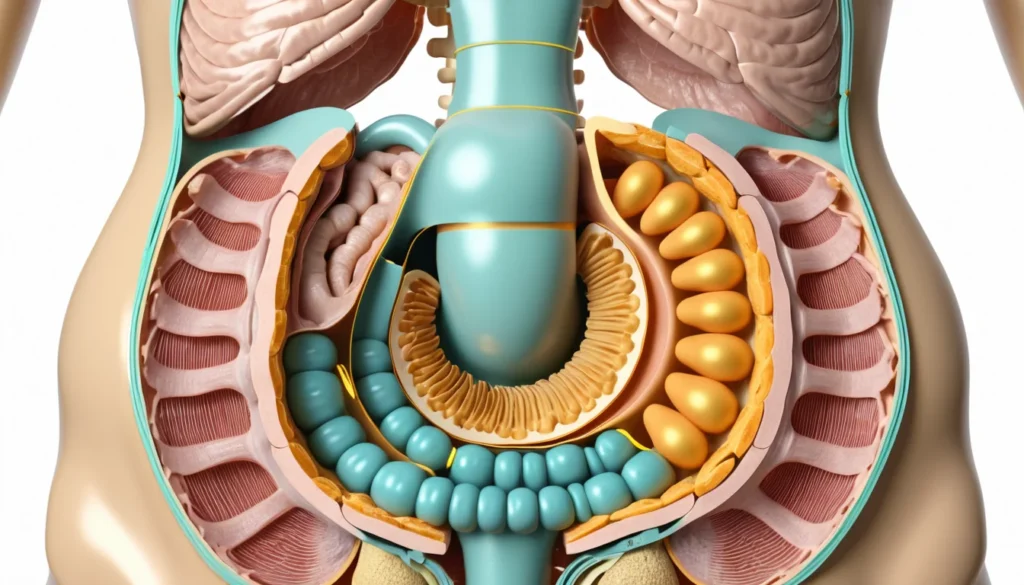
Visceral fat is fat that builds up around your internal organs. It is more dangerous than fat stored in other areas of the body. This type of fat is strongly linked to reduced glucose metabolism and a higher risk of developing type 2 diabetes.
Metabolic Syndrome and Heart Disease Risk
Excess abdominal fat is a key sign of metabolic syndrome. This is a cluster of conditions that includes high blood pressure, high blood sugar, insulin resistance, elevated triglycerides, and low HDL (“good”) cholesterol. Together, these raise your risk of cardiovascular disease and diabetes significantly.
According to research, people with high levels of visceral fat are up to three times more likely to suffer a heart attack. Furthermore, this type of fat has also been linked to a higher risk of colon cancer. These are serious risks that are worth discussing with your healthcare provider.
Menopause and Abdominal Weight Gain
Many women notice weight gain around the abdomen during and after menopause. This is very common, but it is not something to ignore. Menopause-related weight gain increases the risk of both breast cancer and cardiovascular disease.
Researchers are still studying whether weight gained during menopause carries different risks than weight gained earlier in life. However, the message is clear: abdominal fat at any stage of life deserves attention. Health Canada offers guidance on healthy weight management for women at every age.
Sudden or Unexplained Weight Changes
Both sudden weight gain and unexplained weight loss are important body shape and size health warning signs. Either direction can point to an underlying condition that needs medical attention. Do not assume these changes are simply about your diet or activity level.
Unexplained Weight Loss
Losing weight without trying might sound appealing, but it can be a red flag. Unintentional weight loss — with or without a loss of appetite — may indicate depression, diabetes, an overactive thyroid (hyperthyroidism), cardiovascular disease, or even cancer.
In women, unexplained weight loss has also been identified as a possible early sign of dementia, according to recent research. In addition, sudden weight loss can be a side effect of certain medications, including antidepressants and stimulants. Always tell your doctor about any medications you are taking, including over-the-counter products.
While some weight loss is normal as people age, significant or rapid loss in older adults may point to a neurological condition. It is always worth bringing up with your family doctor or a specialist. The Mayo Clinic provides a helpful overview of unexplained weight loss causes.
Sudden Weight Gain
Gaining one to two kilograms in just a day or two is often caused by fluid retention, also called edema. Many women experience this before their menstrual period, along with bloating and breast tenderness. This is generally normal and temporary.
However, fluid retention can also be a sign of heart disease. When the heart cannot pump blood effectively, fluid builds up in the body’s tissues. This type of swelling, especially in the legs and ankles, should be assessed by a doctor as soon as possible.
Cycling Between Weight Gain and Loss
If your weight keeps going up and then dropping dramatically without any change in your eating habits, this pattern may signal both physical and psychological issues. Conditions like thyroid disorders, infections, nutritional deficiencies, and disordered eating — including bulimia and anorexia — can all cause this kind of weight cycling.
Eating disorders are serious mental health conditions that affect Canadians of all ages and backgrounds. If you or someone you know may be struggling, reaching out to a family doctor or a mental health professional is an important first step.
Loss of Height: A Body Size Warning Sign for Bone Health
Becoming shorter as you age is common, but significant height loss is one of the most important body shape and size health warning signs for bone health. Research from the United Kingdom found that older adults who lose more than 2.5 centimetres in height face a higher risk of lung and cardiorespiratory disease.
Height loss is also one of the clearest signs of osteoporosis. Osteoporosis is a condition where bones lose density and become fragile. It affects both men and women, but women are four times more likely to develop it after menopause.
Compression Fractures and Spinal Changes
When bone mass decreases, small fractures can develop in the vertebrae of the spine. These are called vertebral compression fractures. Over time, they cause the spine to compress and shorten, which is why people with osteoporosis often appear shorter and may develop a stooped posture.
This process happens gradually, which is why many people do not notice it until significant height has already been lost. Bone density screening is available through most provincial health plans for women over 65 and for anyone with risk factors. Ask your family doctor if you qualify. The World Health Organization outlines osteoporosis risk factors and prevention strategies.
Posture and Spinal Changes as Health Indicators
The shape and alignment of your spine can also reflect your overall health. Abnormal curves in the spine — such as scoliosis or kyphosis (a rounded upper back) — can develop due to osteoporosis, muscle weakness, or other conditions. These changes are not just cosmetic. They can affect your breathing, digestion, and mobility.
Good posture supports the healthy function of your organs. Poor posture over many years can put stress on your joints, muscles, and nervous system. If you notice changes in the way you stand or move, it is worth mentioning to your doctor or physiotherapist.
When to See a Doctor
Many of the body changes described above develop slowly, which makes them easy to dismiss. However, catching these signs early can make a real difference in your health outcomes. Here is when you should seek medical advice:
You notice significant weight gain or loss without an obvious reason
Your waist measurement has grown noticeably over a short period
You have lost more than 2.5 centimetres in height
You notice swelling in your legs, ankles, or abdomen
Your weight fluctuates rapidly without changes in your diet
You are concerned about your posture or spinal changes
Your family doctor is your best first point of contact for any of these concerns. If you do not have a family doctor, a walk-in clinic can provide an initial assessment and refer you to the right specialist. Most provincial health plans cover these visits, so there is no reason to delay.
Remember, you know your body best. If something feels off, trust that instinct and get it checked out. Early action is always better than waiting.
Frequently Asked Questions
What body shape is considered the most dangerous for your health?
An apple-shaped body — where fat is stored mainly around the abdomen — is associated with the highest health risks. This is one of the most significant body shape and size health warning signs, as abdominal fat raises your risk of heart disease, type 2 diabetes, and certain cancers. Talk to your family doctor if your waist circumference has been increasing.
Can losing height be a sign of a serious health condition?
Yes, losing height — especially more than 2.5 centimetres — can be a sign of osteoporosis or spinal compression fractures. It is one of the key body shape and size health warning signs that doctors look for in older adults. Your provincial health plan may cover bone density screening, so ask your doctor if you are eligible.
What can cause sudden unexplained weight loss?
Unexplained weight loss can be caused by conditions such as hyperthyroidism, diabetes, depression, cardiovascular disease, or cancer. It can also be a side effect of certain medications. If you are losing weight without trying, it is important to see your family doctor or visit a walk-in clinic for an assessment.
Is weight gain during menopause dangerous?
Weight gain during menopause — especially around the abdomen — increases the risk of breast cancer and heart disease. These are important body shape and size health warning signs that should not be ignored. A healthy diet, regular physical activity, and regular checkups with your doctor can help manage this risk.
What is metabolic syndrome and why does it matter?
Metabolic syndrome is a group of conditions — including high blood pressure, high blood sugar, and excess abdominal fat — that together raise your risk of heart disease and diabetes. It is closely linked to an apple-shaped body and is one of the most important body shape and size health warning signs to recognize early. Lifestyle changes and medical support can help reverse or manage metabolic syndrome.
When should I see a doctor about changes in my body shape or weight?
You should see a doctor if you experience unexplained weight gain or loss, noticeable abdominal swelling, significant height loss, or rapid fluctuations in weight. These are all potential body shape and size health warning signs that deserve professional evaluation. Your family doctor or a local walk-in clinic is a great place to start.
Key Takeaways
Apple-shaped body: Abdominal fat raises your risk of heart disease, diabetes, and colon cancer. It is a critical body shape and size health warning sign.
Unexplained weight loss: Can indicate thyroid problems, diabetes, depression, cancer, or early dementia. Always get it checked.
Rapid weight gain: May signal fluid retention linked to heart disease, especially if you notice swelling in your legs or ankles.
Height loss: More than 2.5 centimetres lost can indicate osteoporosis or spinal compression fractures, especially after menopause.
Menopause weight gain: Increases risk of breast cancer and cardiovascular disease. Managing it early matters.
See your doctor: If you notice any of these changes, speak with your family doctor or visit a walk-in clinic. Most visits are covered by provincial health plans.
This article is for informational purposes only and does not replace professional medical advice. Always consult your family doctor or a qualified healthcare provider if you are concerned about changes in your body shape, weight, or height.