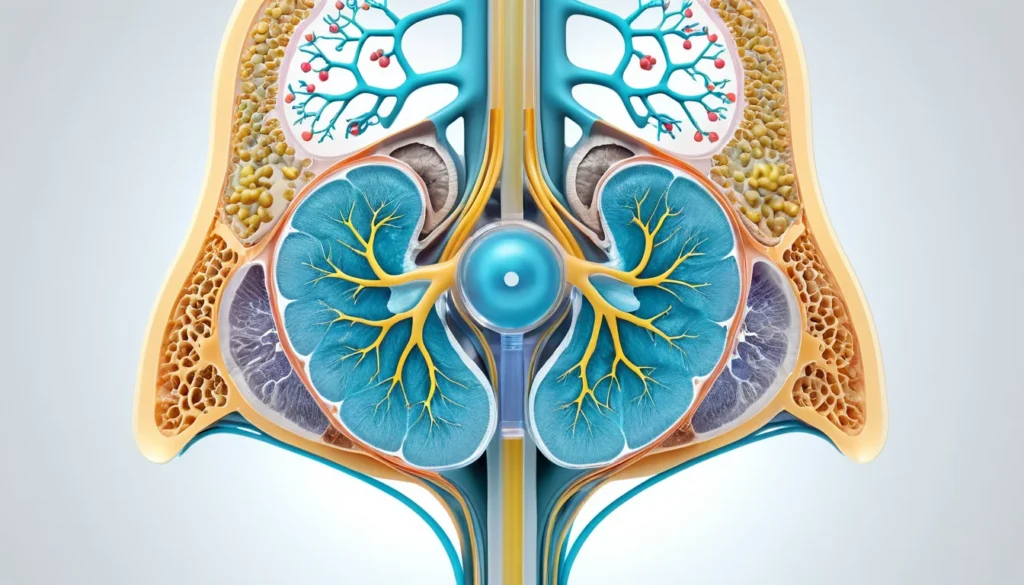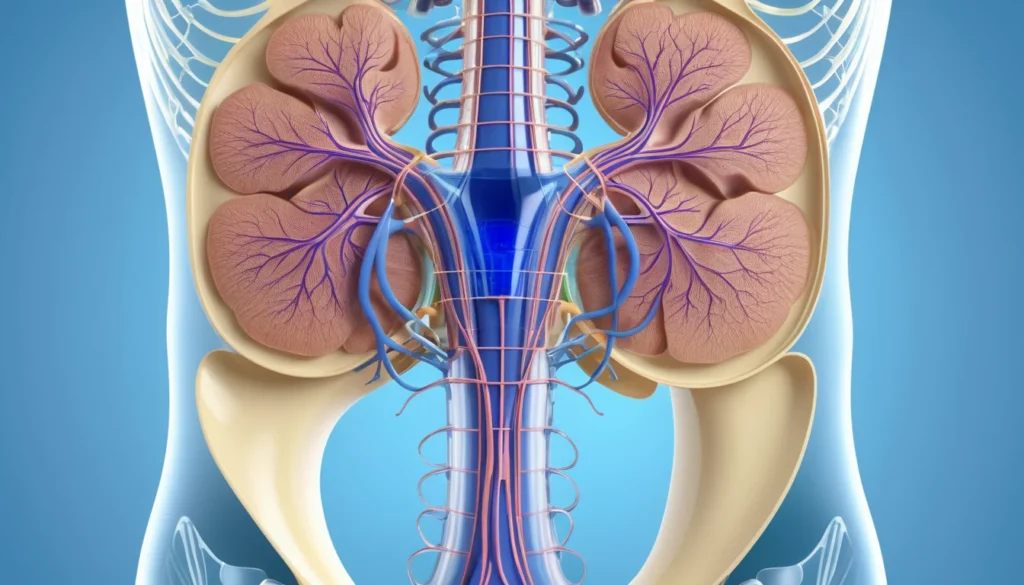
A blood urea test is one of the most common and important ways your doctor checks how well your kidneys are working. Urea is a waste product your body creates when it breaks down protein. Healthy kidneys filter urea from your blood and eliminate it through urine. When something goes wrong, urea levels can shift in ways that signal a serious problem.
Understanding Your Blood Urea Test Results in Canada
In Canada, this kidney function test is routinely ordered by family doctors as part of annual checkups or when symptoms like fatigue, swelling, or changes in urination appear. Also known as a serum urea test or blood urea nitrogen (BUN) test, it gives your healthcare provider a quick snapshot of how efficiently your kidneys are removing waste. Understanding your results can help you take early action to protect your long-term health.
What Is a Blood Urea Test?
Blood Urea Test Result Ranges: What Each Level Means for Your Health
| Blood Urea Level (mmol/L) | Classification | Possible Causes | Recommended Action |
|---|---|---|---|
| Below 2.5 mmol/L | Low (Hypouremia) | Liver disease, malnutrition, overhydration, low-protein diet | Follow up with your family physician; liver function tests may be ordered |
| 2.5 – 7.1 mmol/L | Normal Range | Healthy kidney and liver function; adequate hydration and nutrition | No immediate action required; maintain regular check-ups as advised by your doctor |
| 7.2 – 14.3 mmol/L | Mildly Elevated | High-protein diet, mild dehydration, early kidney dysfunction, strenuous exercise | Increase fluid intake, review diet; repeat blood urea test in 4–6 weeks |
| 14.4 – 28.5 mmol/L | Moderately Elevated | Chronic kidney disease (CKD), urinary tract obstruction, congestive heart failure | Urgent referral to a nephrologist; additional kidney function panels required |
| Above 28.5 mmol/L | Severely Elevated (Uremia) | Acute or end-stage kidney failure, severe dehydration, major trauma or sepsis | Immediate medical attention required; hospitalization and possible dialysis evaluation |
Your body constantly breaks down proteins from the food you eat. This process releases nitrogen in the form of ammonia. Your liver converts that ammonia into urea, a safer waste product.
Urea then travels through your bloodstream to your kidneys. Healthy kidneys remove more than 90% of the urea your body produces each day. A blood urea test measures how much urea is left in your blood after your kidneys have done their job.
In Canada, this test is sometimes called a serum urea test or a blood urea nitrogen (BUN) test. Your family doctor may order it as part of a routine checkup or if they suspect a kidney or liver problem. You can learn more about kidney health from Health Canada’s official health resources.
Why Would Your Doctor Order This Test?
Your doctor will usually order a blood urea test when they want to check your kidney function. It is often part of a broader panel of blood tests. However, it can also be ordered on its own when specific symptoms appear.
Kidney problems can develop slowly, and many people do not notice symptoms right away. That is why routine blood work through your provincial health plan is so valuable. Catching changes early gives you more treatment options.
Common Symptoms That May Lead to This Test
Your doctor may recommend a blood urea test if you experience any of the following symptoms:
Unusual tiredness or difficulty concentrating
Loss of appetite or unexplained weight loss
Poor or restless sleep
Swelling around the eyes, wrists, ankles, or abdomen
Urine that looks foamy or dark brown, like coffee
Producing less urine than usual
A burning feeling when you urinate, or needing to urinate during the night
Back pain just below your rib cage, where your kidneys sit
High blood pressure that is hard to control
These symptoms do not always mean your kidneys are failing. However, they are signs worth discussing with your family doctor or a walk-in clinic as soon as possible.
How to Prepare for a Blood Urea Test
Preparing for a blood urea test is straightforward. In most cases, your doctor will ask you to fast before the blood draw. This means no food or drink, except water, for several hours beforehand.
A diet high in protein can raise your urea levels temporarily. Therefore, if you have eaten a large, protein-rich meal the night before, be sure to tell the lab technician. This information helps your doctor interpret your results accurately.
Medications and Other Factors to Mention
Certain medications can affect kidney function and raise urea concentrations in your blood. Always tell your doctor about any prescription drugs, over-the-counter medications, or supplements you are taking before the test.
In addition, let your doctor know if you have been sweating heavily, drinking alcohol frequently, or urinating much more than usual. These factors can all influence your results.
Understanding Your Blood Urea Test Results
Once your results come back, your doctor will look at them alongside your other test values. A single number rarely tells the full story. Context always matters.
Normal urea levels can vary slightly depending on the laboratory. Your doctor will explain whether your result falls within a healthy range for your age, sex, and overall health status.
What Do High Urea Levels Mean?
High urea levels in the blood often suggest that your kidneys are not filtering waste as efficiently as they should. This condition is known as uraemia or uraemic syndrome. According to the Mayo Clinic’s kidney disease information, reduced kidney function can result from both short-term and long-term conditions.
Common causes of high urea levels include:
Acute or chronic kidney disease — the kidneys are damaged and cannot filter properly
Reduced blood flow to the kidneys — caused by heart failure, shock, or a recent heart attack
Severe burns or major physical stress — the body breaks down more protein than usual
Bleeding in the gastrointestinal tract — blood proteins are digested and broken down
Urinary tract obstruction — a blockage prevents urine from draining normally
Dehydration — less fluid in the blood concentrates waste products
A very high-protein diet — especially when combined with low fluid intake
For example, a protein intake above 200 grams per day combined with heavy sweating or heavy alcohol use can push urea levels as high as 80 mg/dL. This is not a sign of kidney disease on its own, but it does show how lifestyle affects your results.
Conditions such as diabetes and high blood pressure are among the most common causes of long-term kidney damage in Canada. Managing these conditions well is one of the best ways to protect your kidneys over time.
What Do Low Urea Levels Mean?
Low urea levels are less common and are usually not a cause for concern on their own. However, they can sometimes point to an underlying issue worth investigating.
Possible causes of low urea levels include:
Severe liver disease — a damaged liver cannot convert ammonia into urea efficiently
Malnutrition or a very low-protein diet — less protein is broken down, so less urea is produced
Normal pregnancy — blood volume increases, which naturally dilutes urea levels
SIADH (Syndrome of Inappropriate Antidiuretic Hormone Secretion) — the body retains too much water, diluting urea in the blood
Nephrotic syndrome — a kidney disorder that causes significant protein loss through urine
Acromegaly — a hormonal condition caused by excess growth hormone
Inherited hyperammonaemia — a rare genetic condition affecting how the body processes ammonia
Low urea levels are also normal in infants and young children. Furthermore, urea levels often drop in the later stages of pregnancy due to increased blood volume. This is a normal physiological change and does not usually require treatment.
Limitations of the Blood Urea Test
The blood urea test is a useful screening tool, but it does have limitations. Many factors can shift your urea level without indicating disease. A high-protein meal, dehydration, or intense exercise can all temporarily raise your results.
Because of this, doctors rarely rely on urea levels alone. They typically order additional tests, such as creatinine and eGFR (estimated glomerular filtration rate), to get a fuller picture of kidney function. As a result, one abnormal reading does not automatically mean something is wrong.
The Healthline overview of kidney function tests explains how different blood markers work together to help doctors assess kidney health accurately.
When to See a Doctor
If you are experiencing any of the symptoms listed above — such as swelling, changes in urination, unexplained fatigue, or back pain near the kidneys — do not wait. Book an appointment with your family doctor as soon as you can.
If you do not have a family doctor, a walk-in clinic is a good first step. Most provincial health plans in Canada cover blood tests ordered by a physician, so there is no out-of-pocket cost for most Canadians.
It is also important to get regular blood work if you have diabetes, high blood pressure, or a family history of kidney disease. These conditions quietly damage the kidneys over time. Early testing can catch changes before they become serious problems.
Please speak with your doctor or a qualified healthcare provider before making any decisions based on your test results. This article is for general information only and does not replace professional medical advice.
Frequently Asked Questions About the Blood Urea Test
What is a normal blood urea test result in Canada?
Normal ranges can vary slightly between laboratories. In most Canadian labs, a healthy adult serum urea level falls between 2.5 and 7.1 mmol/L. Your doctor will interpret your blood urea test result in the context of your other health information, so always discuss your results directly with your healthcare provider.
Do I need to fast before a blood urea test?
Yes, your doctor will usually ask you to fast for several hours before a blood urea test. Eating a large, high-protein meal before the test can temporarily raise your urea levels and affect your results. Drinking water is generally fine, but follow the specific instructions your doctor or lab gives you.
Can a high-protein diet affect my blood urea test results?
Yes, a high-protein diet can cause a temporary rise in your blood urea test results. This is because your body produces more urea when it breaks down large amounts of protein. Always tell your doctor about your recent diet and eating habits so they can interpret your results accurately.
What does it mean if my blood urea level is high?
A high result on a blood urea test often suggests that your kidneys are not filtering waste as effectively as they should. However, dehydration, a high-protein diet, heart failure, or gastrointestinal bleeding can also raise urea levels. Your doctor will likely order additional tests to find the cause.
Is a low blood urea level dangerous?
Low results on a blood urea test are less common and often less concerning than high results. They can occur during normal pregnancy, with a low-protein diet, or with certain liver conditions. Your doctor will assess whether a low result needs further investigation based on your full health picture.
Is the blood urea test covered by provincial health insurance in Canada?
According to Health Canada’s official health resources, this information is supported by current medical research.
For more information, read our guide on kidney stones symptoms and treatment in Canada.
In most provinces and territories, a blood urea test ordered by a physician is covered under your provincial health plan at no direct cost to you. Coverage details can vary, so it is a good idea to confirm with your family doctor, walk-in clinic, or provincial health authority before your appointment.
Key Takeaways
A blood urea test measures how much urea — a protein waste product — is in your blood.
Healthy kidneys remove more than 90% of the urea your body produces. High urea levels often signal reduced kidney function.
High levels can result from kidney disease, dehydration, heart failure, a high-protein diet, or other conditions.
Low levels are less common and may be linked to liver disease, malnutrition, normal pregnancy, or rare hormonal conditions.
Fasting before the test and reporting your current medications to your doctor helps ensure accurate results.
This test is usually covered under provincial health plans in Canada when ordered by a physician.
Always discuss your results with your family doctor or a qualified healthcare provider. One test result is rarely the full picture on its own.
Frequently Asked Questions
What is a blood urea test?
A blood urea test measures the amount of urea nitrogen in your bloodstream, indicating how well your kidneys are filtering waste. Urea is a byproduct of protein breakdown processed by the liver and excreted by the kidneys. Abnormal levels can signal kidney disease, dehydration, or liver problems.
What are the symptoms of high urea levels in the blood?
High blood urea levels may cause fatigue, confusion, nausea, decreased urination, swelling in the legs or ankles, and shortness of breath. These symptoms often indicate impaired kidney function. In severe cases, you may experience a metallic taste in your mouth or itchy skin from toxin buildup.
What blood urea test results are considered normal in Canada?
Normal blood urea nitrogen (BUN) levels in Canadian adults typically range from 2.5 to 7.1 mmol/L. Values vary slightly by laboratory and patient age. Results outside this range don’t automatically indicate disease — your doctor interprets them alongside creatinine levels, symptoms, and overall health history.
How can I lower high urea levels naturally?
To help lower elevated urea levels, stay well hydrated, reduce high-protein food intake, limit red meat and processed foods, and avoid excessive alcohol. Regular moderate exercise and managing underlying conditions like diabetes or hypertension also support kidney health. Always consult your doctor before making significant dietary changes.
When should I see a doctor about my blood urea test results?
See a doctor promptly if your results fall outside the normal range, especially alongside symptoms like reduced urination, persistent swelling, extreme fatigue, or confusion. Canadians with diabetes, high blood pressure, or a family history of kidney disease should discuss routine blood urea test screening with their physician annually.