Blood pressure is one of the most important measures of your heart health. It tells you how hard your heart is working to push blood through your arteries. Understanding your blood pressure numbers can help you catch problems early and stay healthier, longer. This article explains what those numbers mean, what is considered normal, and when you should talk to your family doctor.
What Is Blood Pressure?
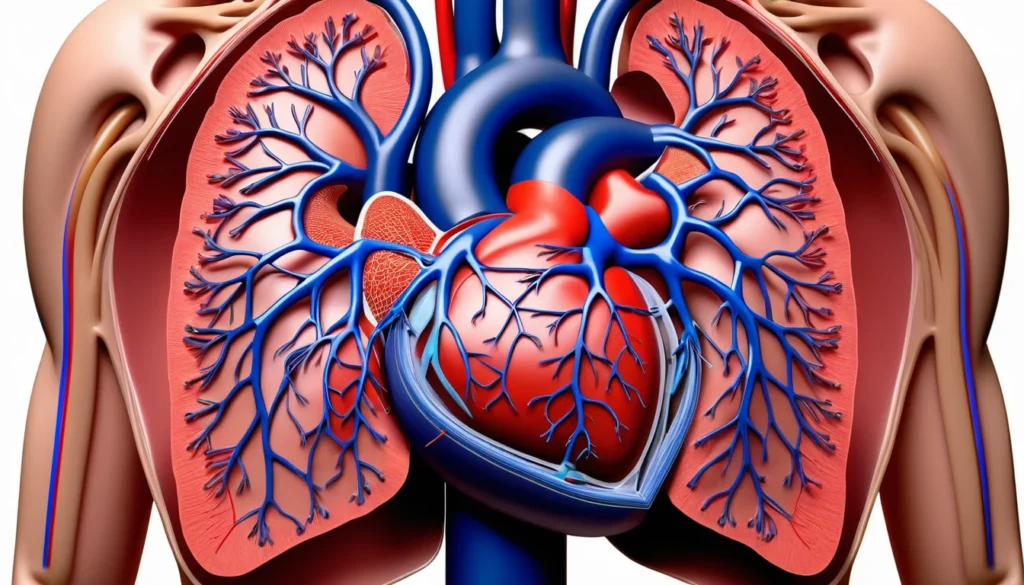
Your heart beats roughly once every second. Each beat creates a wave of pressure that pushes blood through every artery in your body. We call this force blood pressure.
This pressure is what keeps blood moving to your brain, organs, muscles, and skin. Without enough pressure, your body cannot get the oxygen and nutrients it needs. Too much pressure, however, can damage your arteries and heart over time.
Blood pressure is also called arterial pressure or blood pressure. Both terms mean the same thing. You may hear your doctor use either one.
Understanding Your Blood Pressure Numbers
A blood pressure reading has two numbers, written one over the other — for example, 120/80. These numbers are measured in millimetres of mercury, written as mmHg.
Systolic Pressure: The Top Number
The top number is called the systolic pressure. It measures the force in your arteries when your heart beats and pumps blood outward. This number is always higher than the bottom number.
In general, a systolic reading between 100 and 140 mmHg is considered within a normal range for most adults. However, the ideal target for most healthy adults is below 120 mmHg. Your doctor will tell you what target is right for you.
Diastolic Pressure: The Bottom Number
The bottom number is the diastolic pressure. It measures the pressure in your arteries when your heart rests between beats. A normal diastolic reading falls between 60 and 90 mmHg.
As a rough guide, the diastolic pressure is often close to half the systolic number plus about 10. For example, if your systolic pressure is 120, your diastolic pressure would be around 70. This is simply a general rule, not a strict formula.
Pulse Pressure: The Difference Between the Two
The gap between your systolic and diastolic numbers is called the pulse pressure. A normal pulse pressure is roughly 40 mmHg. For example, a reading of 120/80 gives a pulse pressure of 40.
A narrowed pulse pressure can sometimes mean the heart’s pumping strength has decreased. A widened pulse pressure, on the other hand, may point to a problem with the aortic valve — a condition called aortic insufficiency, where blood leaks back into the heart. Your doctor will interpret these differences in the context of your full health picture.
What Are Normal Blood Pressure Ranges?
Normal blood pressure varies from person to person. Age, fitness level, and overall health all play a role. However, health authorities do give us helpful guidelines.
According to the World Health Organization’s guidelines on hypertension, a systolic pressure should not exceed 140 mmHg, and a diastolic pressure should stay below 90 mmHg for most adults. Readings at or above these levels on a consistent basis are considered high blood pressure, or hypertension.
Furthermore, Health Canada’s information on high blood pressure encourages all Canadians to know their numbers and to check in regularly with their healthcare provider.
Blood Pressure and Age
It is normal for blood pressure to rise gradually as you get older. Arteries naturally become less flexible with age, which increases pressure. This does not mean high blood pressure is harmless — it still needs to be monitored and managed.
For example, during light physical activity, it is normal for your systolic pressure to rise by about 4 to 6 mmHg. This is a healthy response. However, very large spikes during exercise may be worth discussing with your doctor.
Blood Pressure Categories at a Glance
Normal: Below 120/80 mmHg
Elevated: 120–129 systolic, less than 80 diastolic
High (Stage 1): 130–139 systolic or 80–89 diastolic
High (Stage 2): 140 or higher systolic or 90 or higher diastolic
Low (Hypotension): Below 90/60 mmHg
These categories come from widely used clinical guidelines. Your family doctor will use your full history to decide whether treatment or lifestyle changes are needed.
How Is Blood Pressure Measured?
Measuring blood pressure is quick, painless, and very common. Your doctor, nurse, or pharmacist can do it in minutes. You can also check it yourself at home with a home monitor.
The Blood Pressure Cuff
Blood pressure is measured using a device called a sphygmomanometer — most people just call it a blood pressure cuff or blood pressure monitor. A cuff wraps around your upper arm and inflates. As it deflates, the device records your systolic and diastolic pressures.
For the most accurate reading, you should rest quietly for 5 to 10 minutes beforehand. You should also sit still, with your feet flat on the floor and your arm at heart level. Avoid caffeine, exercise, and smoking for at least 30 minutes before measuring.
Ambulatory Blood Pressure Monitoring
In some cases, your doctor may ask you to wear a portable blood pressure monitor for 24 hours. This is called ambulatory blood pressure monitoring, or ABPM. It is sometimes referred to as a Holter blood pressure monitor.
This device records your blood pressure throughout the day and night, even while you sleep. As a result, your doctor gets a much fuller picture of your blood pressure patterns. This is especially helpful if your readings at the clinic seem unusually high — a common occurrence called “white coat hypertension,” where nervousness at the doctor’s office temporarily raises your numbers.
Checking Blood Pressure at Home
Home monitoring is a great tool for Canadians managing their blood pressure between clinic visits. Many pharmacies across Canada also have free blood pressure machines available to the public. These are a convenient option if you do not yet have a home device.
Keep a log of your readings and bring it to your next appointment. Your family doctor or walk-in clinic provider will find this information very useful.
What Affects Blood Pressure?
Many everyday factors can cause your blood pressure to go up or down temporarily. Understanding these factors helps you get accurate readings and make healthier choices.
Lifestyle Factors
Salt intake: Eating too much sodium causes your body to retain fluid, raising blood pressure.
Physical activity: Regular exercise strengthens your heart and helps lower resting blood pressure over time.
Body weight: Carrying extra weight puts more strain on your heart and arteries.
Alcohol: Heavy drinking raises blood pressure and can damage the heart.
Smoking: Tobacco causes blood vessels to narrow, which increases pressure immediately.
Stress: Chronic stress keeps your body in a high-alert state, which can push blood pressure up over time.
Sleep: Poor sleep is linked to higher blood pressure in many studies.
Medical Conditions
Certain health conditions directly affect blood pressure. Kidney disease, thyroid problems, and sleep apnea are common examples. In addition, some medications — including certain cold remedies, anti-inflammatory drugs, and birth control pills — can raise blood pressure as a side effect.
Therefore, always tell your pharmacist and doctor about every medication and supplement you take. This helps them give you the safest and most accurate care.
High and Low Blood Pressure: A Brief Overview
High blood pressure (hypertension) is sometimes called the “silent killer” because it usually has no noticeable symptoms. Over time, however, it can lead to heart attack, stroke, kidney damage, and vision problems. It is one of the most common chronic conditions in Canada.
Low blood pressure (hypotension) can cause dizziness, fainting, and fatigue. It is less common but still worth monitoring, especially in older adults or people taking certain medications. For more detail on both conditions, the Mayo Clinic’s overview of high blood pressure provides excellent, easy-to-read information.
Both conditions are manageable. With the right lifestyle changes and, if needed, medication, most Canadians can keep their blood pressure in a healthy range.
When to See a Doctor About Your Blood Pressure
If you have never had your blood pressure checked, now is a good time to start. Most provincial health plans in Canada cover blood pressure testing as part of a routine check-up with your family doctor. There is no reason to wait until you feel unwell.
You should contact your family doctor or visit a walk-in clinic if:
Your reading is consistently above 140/90 mmHg
Your reading is below 90/60 mmHg and you feel dizzy or faint
You have a sudden, severe headache combined with a very high reading
You notice chest pain, shortness of breath, or vision changes alongside an unusual reading
You are pregnant — blood pressure changes during pregnancy need close monitoring
A blood pressure reading above 180/120 mmHg is a medical emergency. Call 911 or go to your nearest emergency department immediately if you see this on your monitor, especially with symptoms like chest pain or confusion.
Always speak with a qualified healthcare provider before making changes to your medications or treatment plan. Your doctor knows your full health history and is the best person to guide your care.
Frequently Asked Questions About Blood Pressure
What is a normal blood pressure reading for adults?
A normal blood pressure reading for most adults is below 120/80 mmHg. Readings between 120–129 systolic are considered elevated, while 130/80 or above is generally classified as high blood pressure. Your family doctor can tell you what target range is right for your age and health.
What causes high blood pressure?
High blood pressure can result from many factors, including a high-salt diet, lack of exercise, excess body weight, smoking, heavy alcohol use, and chronic stress. Certain medical conditions and medications can also raise blood pressure. In many cases, no single cause is found — this is called primary or essential hypertension.
How can I lower my blood pressure naturally?
You can help lower your blood pressure by eating less salt, exercising regularly, maintaining a healthy weight, limiting alcohol, quitting smoking, and managing stress. These lifestyle changes can make a meaningful difference, especially in the early stages of high blood pressure. However, always consult your doctor before stopping or adjusting any prescribed medication.
How often should I check my blood pressure?
If your blood pressure is normal, checking it once or twice a year at a routine check-up is usually enough. If you have been diagnosed with high or low blood pressure, your doctor may recommend checking it daily or weekly at home. Many Canadian pharmacies offer free blood pressure machines, making regular checks easy and accessible.
What is the difference between systolic and diastolic blood pressure?
Systolic blood pressure is the top number and measures the force in your arteries when your heart beats. Diastolic blood pressure is the bottom number and measures the pressure when your heart rests between beats. Both numbers matter — your doctor looks at them together to assess your overall cardiovascular health.
Can stress cause high blood pressure?
Yes, stress can temporarily raise your blood pressure by triggering your body’s fight-or-flight response. Chronic, long-term stress may contribute to sustained high blood pressure over time. Managing stress through regular physical activity, adequate sleep, and relaxation techniques can support healthier blood pressure levels.
Key Takeaways
Blood pressure measures the force of blood pushing against your artery walls with every heartbeat.
A reading below 120/80 mmHg is considered normal for most healthy adults.
The top number (systolic) measures pressure during a heartbeat; the bottom number (diastolic) measures pressure at rest.
Blood pressure naturally rises a little with age, but high blood pressure still needs to be managed.
Lifestyle changes — including diet, exercise, and reducing salt — can make a real difference.
A sphygmomanometer (blood pressure cuff) is used to take a reading; home monitors and pharmacy machines are widely available across Canada.
Ambulatory monitoring over 24 hours gives your doctor the most complete picture of your blood pressure.
See your family doctor or a walk-in clinic if your readings are consistently high, consistently low, or come with concerning symptoms.
A reading above 180/120 mmHg with symptoms is a medical emergency — call 911.