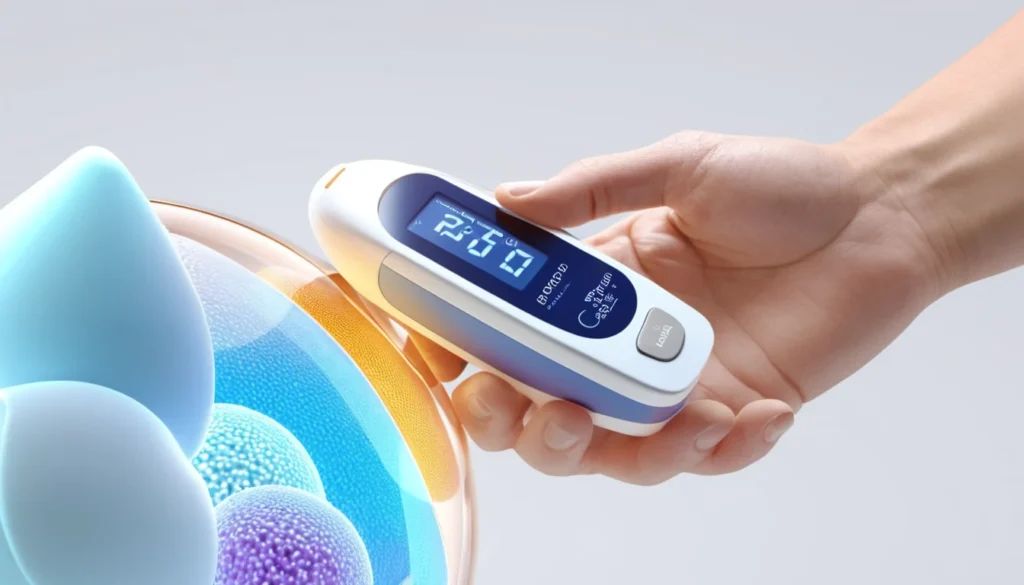
A blood glucose test measures the amount of sugar (glucose) in your blood and is one of the most important screening tools used by family doctors across Canada. Whether you are being checked for diabetes, monitoring an existing condition, or investigating unexplained symptoms, this simple test provides critical information about how your body processes energy.
Understanding Your Blood Glucose Test Results in Canada
Understanding your fasting blood glucose results can help you take control of your health. In this guide, we explain how the test works, what normal blood sugar levels mean in Canada, when to see a healthcare provider, and what steps to take if your results fall outside the healthy range.
What Is a Blood Glucose Test?
Understanding Blood Glucose Test Results: Ranges and What They Mean
| Category | Fasting Blood Glucose (mmol/L) | 2-Hour Post-Meal (mmol/L) | Recommended Management |
|---|---|---|---|
| Normal | 3.9 – 5.5 | Less than 7.8 | Maintain a balanced diet, regular physical activity, and routine screening every 3 years if no risk factors |
| Prediabetes (Impaired Fasting Glucose) | 5.6 – 6.9 | 7.8 – 11.0 | Lifestyle modifications including weight management, increased physical activity, and dietary changes; more frequent monitoring recommended |
| Diabetes | 7.0 or higher (confirmed on two separate tests) | 11.1 or higher | Consult a physician for treatment plan; may include oral medications, insulin therapy, diabetes education, and regular HbA1c testing |
| Hypoglycemia (Low Blood Sugar) | Below 3.9 | Below 3.9 | Immediate intake of 15g fast-acting carbohydrates; retest after 15 minutes; seek emergency care if symptoms are severe or unresponsive |
| Target Range for People with Diabetes | 4.0 – 7.0 | 5.0 – 10.0 | Regular self-monitoring, medication adherence, annual eye and kidney screenings, and foot care as recommended by Diabetes Canada guidelines |
Glucose is your body’s main source of energy. Every cell in your body uses it to function. Your brain and nervous system rely on glucose almost entirely — they have no backup fuel source.
When you eat, your blood glucose rises. Your pancreas responds by releasing a hormone called insulin. Insulin helps move glucose from your blood into your cells, where it is used for energy.
A blood glucose test checks whether this system is working properly. It can detect levels that are too high or too low — both of which can be dangerous.
How Does Your Body Regulate Blood Sugar?
Your body works hard to keep blood glucose within a healthy range. After a meal, your pancreas releases insulin to bring levels down. Between meals, or after exercise, levels can drop.
When blood sugar falls too low, your pancreas releases another hormone called glucagon. Glucagon tells your liver to convert stored glycogen into glucose and release it into the bloodstream. This raises your blood sugar back up.
However, when this feedback system breaks down, blood sugar can climb or fall outside of the safe range. The most common reason for this is diabetes.
What Is Diabetes?
Diabetes is a group of conditions where the body either cannot produce enough insulin or cannot use insulin properly. As a result, glucose builds up in the blood instead of entering the cells.
In Type 1 diabetes, the immune system destroys the cells in the pancreas that make insulin. People with Type 1 cannot produce insulin at all and require daily insulin injections or a pump.
In Type 2 diabetes, the body becomes resistant to insulin and cannot produce enough to compensate. This is the most common form of diabetes in Canada. Prediabetes is an earlier stage where blood sugar is higher than normal but not yet high enough for a Type 2 diagnosis.
According to Health Canada, over 11 million Canadians are living with diabetes or prediabetes. Early detection through a blood glucose test can make a significant difference in long-term health outcomes.
Why Is a Blood Glucose Test Done?
Your doctor may order a blood glucose test for several reasons. It is a key tool for diagnosing and managing diabetes and related conditions.
Common reasons your doctor might order this test include:
Diagnosing Type 1, Type 2, or gestational diabetes
Monitoring blood sugar in people already diagnosed with diabetes
Evaluating prediabetes or carbohydrate metabolism disorders
Investigating symptoms of high or low blood sugar
Screening for insulin-producing tumours of the pancreas
Diagnosing low blood sugar (hypoglycaemia) in newborns
In Canada, most provincial health plans cover a fasting blood glucose test when ordered by a physician. You can have this test done at a hospital lab, a community diagnostic centre, or through a referral from a walk-in clinic.
Symptoms That May Lead to a Blood Glucose Test
Symptoms of High Blood Sugar (Hyperglycaemia)
High blood sugar does not always cause obvious symptoms right away. However, when levels stay elevated for too long, you may notice warning signs.
Common symptoms of hyperglycaemia include:
Excessive thirst
Frequent urination
Unexplained fatigue
Blurred vision
If you experience these symptoms regularly, speak with your family doctor. A simple blood glucose test can help identify the cause quickly.
Symptoms of Low Blood Sugar (Hypoglycaemia)
Low blood sugar can come on suddenly and feel alarming. It is especially common in people who take insulin or certain diabetes medications.
Symptoms of hypoglycaemia include:
Sweating
Excessive hunger
Trembling or shakiness
Anxiety or irritability
Confusion
Blurred vision
These symptoms can escalate quickly. Therefore, it is important to act fast and seek medical attention if they do not resolve after eating or drinking something sugary.
Who Should Get a Blood Glucose Test?
Canadian clinical guidelines recommend screening for diabetes in adults aged 45 and older. However, your doctor may suggest testing earlier if you have certain risk factors.
Risk factors that may lead to earlier testing include:
Being overweight or physically inactive
A family history of diabetes
Polycystic ovary syndrome (PCOS)
High blood pressure (hypertension)
A history of gestational diabetes
Being of Indigenous, South Asian, Asian, African, or Hispanic descent, as these groups have a higher risk in Canada
For more information on diabetes risk factors, visit the Mayo Clinic’s guide to Type 2 diabetes risk factors.
How to Prepare for a Blood Glucose Test
Most blood glucose tests require you to fast beforehand. This means no food or drink (except water) for at least 8 to 12 hours before your blood is drawn. This is called a fasting blood glucose test.
Fasting gives the most accurate baseline reading because food raises blood sugar naturally. Your doctor will let you know exactly how long to fast before your appointment.
A non-fasting or random blood glucose test may also be done at any time of day, regardless of when you last ate. This is often used in urgent situations or as a quick screening tool.
Understanding Your Blood Glucose Test Results
Your results are measured in millimoles per litre (mmol/L) in Canada. The ranges below are general guidelines. Your doctor will interpret your specific results in the context of your health history.
Fasting Blood Glucose Ranges
Normal: Less than 6.1 mmol/L
Prediabetes: 6.1 to 6.9 mmol/L
Diabetes: 7.0 mmol/L or higher (confirmed with a repeat test)
What Can Cause High Blood Glucose?
Elevated blood glucose does not always mean diabetes. In addition to diabetes and prediabetes, other causes include:
Stress from injury, surgery, stroke, or heart attack
Chronic kidney disease
Cushing’s syndrome (a hormonal disorder)
Overactive thyroid (hyperthyroidism)
Pancreatitis or pancreatic cancer
Acromegaly (excess growth hormone)
Overeating, particularly high-carbohydrate foods
What Can Cause Low Blood Glucose?
Low blood glucose (hypoglycaemia) has several possible causes beyond just skipping a meal. These include:
Insulin overdose
Excessive alcohol consumption
Liver disease
Adrenal insufficiency
Underactive thyroid (hypothyroidism)
Severe infection or heart failure
Chronic kidney failure
Insulin-producing tumours
Hypopituitarism (underactive pituitary gland)
Prolonged fasting or starvation
Furthermore, Healthline’s overview of hypoglycaemia provides additional detail on causes and treatment options.
Medications That Can Affect Blood Glucose Results
Some common medications can raise or lower your blood glucose levels. This is important to tell your doctor about before your test. Accurate results depend on your doctor knowing your full medication list.
Medications That May Raise Blood Glucose
Corticosteroids (such as prednisone)
Tricyclic antidepressants
Diuretics (water pills)
Salicylates (such as aspirin at high doses)
Epinephrine (adrenaline)
Phenytoin (an anti-seizure medication)
Oral contraceptives
Lithium
Estrogen therapy
Medications That May Lower Blood Glucose
Anabolic steroids
Acetaminophen (Tylenol) in high doses
Always give your doctor or lab technician a complete list of your medications and supplements before having a blood glucose test.
Long-Term Risks of Uncontrolled Blood Sugar
When blood glucose stays too high for too long, it causes serious damage throughout the body. The effects are gradual but progressive.
Chronic high blood sugar can damage the:
Kidneys — leading to chronic kidney disease or kidney failure
Eyes — causing diabetic retinopathy and vision loss
Heart and blood vessels — increasing the risk of heart attack and stroke
Nerves — causing numbness, tingling, or pain (diabetic neuropathy)
On the other hand, chronic low blood sugar can cause lasting damage to the brain and nervous system. Both extremes are serious and require medical attention.
Sudden, severe changes in blood glucose — in either direction — can also be life-threatening. They can lead to organ failure, brain damage, coma, or in extreme cases, death.
When to See a Doctor
You should speak with your family doctor if you have any of the symptoms described in this article. Do not wait for your next scheduled appointment if symptoms are severe or come on suddenly.
If you do not have a family doctor, a walk-in clinic can order a blood glucose test and provide a referral if needed. Most walk-in clinics across Canada can help with initial screening and follow-up care.
Seek emergency care immediately if you experience:
Sudden confusion or loss of consciousness
Severe trembling that does not improve after eating
Signs of diabetic emergency (such as fruity-smelling breath, rapid breathing, or extreme thirst combined with vomiting)
Regular screening is especially important if you are over 45 or have risk factors for diabetes. Early detection allows for lifestyle changes and treatment that can prevent serious complications. Always consult your doctor before making any changes to your diet, medications, or exercise routine based on your test results.
Frequently Asked Questions
What is a normal result for a blood glucose test in Canada?
A normal fasting blood glucose test result in Canada is less than 6.1 mmol/L. Results between 6.1 and 6.9 mmol/L may indicate prediabetes, while a result of 7.0 mmol/L or higher on two separate tests usually indicates diabetes. Your doctor will explain what your specific result means for your health.
Do I need to fast before a blood glucose test?
Yes, most standard blood glucose tests require fasting for 8 to 12 hours beforehand. Fasting ensures your results are not affected by a recent meal. Your doctor or lab will give you specific instructions before your appointment.
Can a blood glucose test diagnose diabetes on its own?
A blood glucose test is one of the main tools used to diagnose diabetes, but doctors typically confirm the diagnosis with a second test. Other tests, such as the A1C test or an oral glucose tolerance test, may also be used alongside it. Your family doctor will determine which tests are right for you.
What can cause a falsely high or low blood glucose test result?
Several medications can affect your blood glucose test results, including corticosteroids, diuretics, and oral contraceptives, which may raise levels. Acetaminophen and anabolic steroids may lower them. Always tell your doctor about any medications or supplements you are taking before the test.
Is a blood glucose test covered by provincial health insurance in Canada?
In most Canadian provinces, a fasting blood glucose test ordered by a physician is covered under the provincial health plan. Coverage may vary depending on your province and the reason for the test. Check with your provincial health authority or speak with your family doctor for details.
How often should I get a blood glucose test if I have diabetes?
According to Public Health Agency of Canada’s diabetes guidelines, this information is supported by current medical research.
For more information, read our guide on kidney stones symptoms and treatment in Canada.
The frequency of blood glucose testing depends on your type of diabetes, your treatment plan, and how well your levels are controlled. Your doctor will recommend a testing schedule that is right for you. In addition to lab tests, many people with diabetes also monitor their levels at home using a glucometer.
Frequently Asked Questions
What is a blood glucose test?
A blood glucose test measures the amount of sugar (glucose) in your bloodstream. It’s used to diagnose and monitor diabetes and prediabetes. In Canada, results are measured in millimoles per litre (mmol/L). The test can be done fasting, randomly, or as part of an oral glucose tolerance test.
What are the symptoms of high blood sugar in Canada?
Symptoms of high blood sugar include frequent urination, excessive thirst, blurred vision, unexplained fatigue, and slow-healing wounds. Some people experience headaches or difficulty concentrating. Many Canadians have elevated blood sugar without noticeable symptoms, which is why routine screening through a blood glucose test is strongly recommended.
What do blood glucose test results mean in Canada?
In Canada, a normal fasting blood glucose level is below 6.0 mmol/L. Prediabetes is indicated between 6.1–6.9 mmol/L, while 7.0 mmol/L or higher on two separate tests typically confirms diabetes. Your healthcare provider will interpret results alongside your symptoms, medical history, and other diagnostic information.
How can I lower my blood sugar levels naturally?
You can lower blood sugar naturally through regular physical activity, eating a balanced diet low in refined carbohydrates, maintaining a healthy weight, and staying well hydrated. Managing stress and getting adequate sleep also help regulate glucose levels. These lifestyle changes are often the first recommended treatment for prediabetes.
When should I see a doctor about my blood sugar levels?
See a doctor immediately if you experience extreme thirst, frequent urination, sudden vision changes, confusion, or difficulty breathing — these may signal dangerously high or low blood sugar. Canadians over 40, those with obesity, or those with a family history of diabetes should also request routine blood glucose testing annually.