Blood clots are a natural part of healing — but when they form in the wrong place, they can become a serious, life-threatening emergency. This article explains what blood clots are, what causes them, what symptoms to watch for, and when you should reach out to your family doctor or visit a walk-in clinic.
What Are Blood Clots?
Your blood travels constantly through your veins and arteries. It delivers nutrients to your cells and carries away waste products from normal body processes.
When a blood vessel gets damaged, your blood has a remarkable ability to clot. This seals the injury and restores normal circulation. The medical term for a blood clot is a thrombus.
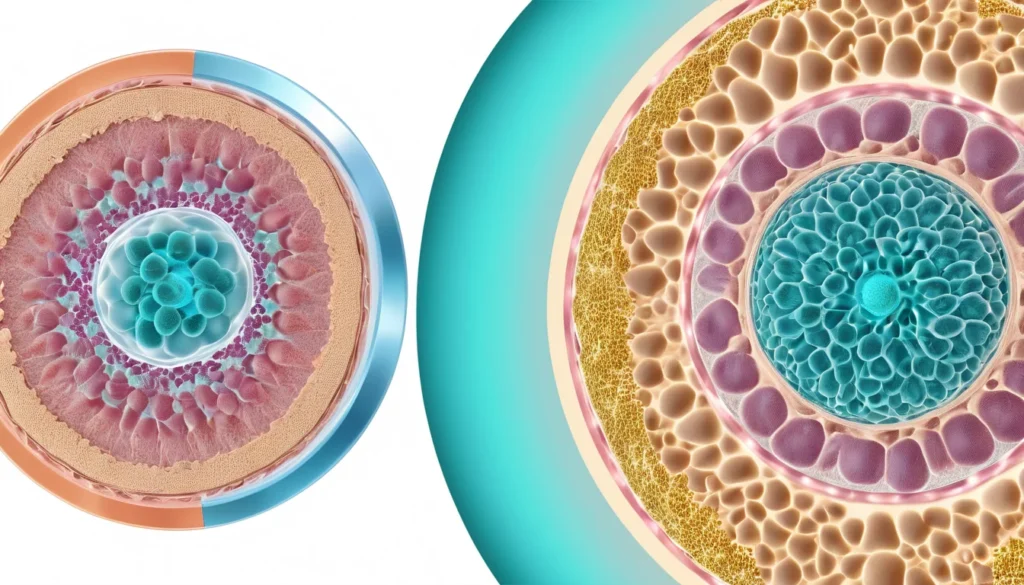
Here is how clotting works. When a vessel is injured, tiny blood cells called platelets rush to the site and plug the vessel wall. These platelets then release chemicals that trigger a chain reaction known as the coagulation cascade.
As a result, proteins called fibrin weave together into a mesh-like net. This net traps more platelets and red blood cells, forming a firm clot that seals the damaged area.
However, blood clots become dangerous when they form without an injury. If blood sits still for too long, or certain risk factors are present, clots can form inside healthy vessels — and that can put your life at risk. Learn more about how the body controls bleeding from Mayo Clinic’s overview of blood clots.
Common Causes of Blood Clots
Blood clots can form in different parts of the body, and the causes vary depending on location. Understanding where clots form helps explain the different risks involved.
Blood Clots in the Heart
Atrial fibrillation (AFib) is a condition where the upper chambers of the heart beat in a fast, disorganised way. Instead of one coordinated electrical signal, hundreds of signals fire at once.
This chaotic beating allows small blood clots to form along the lining of the heart’s upper chambers. These clots can break free and travel through the bloodstream. If they reach the brain, they can cause a stroke. If they block blood supply to the intestines, they can cause a serious condition called intestinal ischaemia.
Blood Clots in the Veins
Deep vein thrombosis (DVT) refers to blood clots that form in the deep veins of the legs or arms. DVT is one of the most common and preventable causes of serious clotting problems in Canada.
Risk factors for DVT include:
Prolonged sitting or inactivity — such as long flights or car trips
Recent surgery or a hospital stay
Having a leg in a cast or splint
Pregnancy
Inherited blood clotting disorders
Smoking
Hormonal therapy, including birth control pills
When you sit still for a long time, the muscles in your legs stop helping push blood back toward your heart. This causes blood to pool in the veins. Furthermore, if a clot in a deep vein breaks loose, it can travel to the lungs — a life-threatening condition called a pulmonary embolism.
Blood Clots in the Arteries
Arteries can also develop dangerous blood clots, often related to a condition called atherosclerosis. In atherosclerosis, fatty deposits called plaque build up along artery walls.
If that plaque ruptures, the body triggers the clotting process to seal it — but the clot can fully block the artery. This is a leading cause of heart attack and stroke.
Risk factors for arterial blood clots include:
High blood pressure
High cholesterol
Smoking
Diabetes
A family history of heart disease or stroke
These risk factors are also linked to peripheral vascular disease, a condition where narrowed arteries reduce blood flow to the legs and feet.
Blood Clots in Other Areas of the Body
Blood clots do not only form inside blood vessels. Blood that collects outside vessels — for example, from internal bleeding — will also clot. Finding clots or blood in unusual places is a sign that something needs medical attention.
Blood in the Urine
Blood in the urine is called haematuria. It can have many causes, including bladder infections, kidney conditions, bladder tumours, or irritation from radiation therapy for cancer.
In some cases, especially in older men with an enlarged prostate, significant bleeding can lead to clots forming inside the bladder. These clots may then pass through the urine. This should always be assessed by a healthcare provider.
Rectal Bleeding and Clots
Rectal bleeding is never considered normal and should always be investigated. Common causes include haemorrhoids and anal fissures. However, more serious causes include tumours, inflammatory bowel disease, diverticulitis, and infections.
When rectal bleeding is heavy, blood clots can form and be passed with a bowel movement. Do not ignore this symptom — speak with your family doctor as soon as possible.
Vaginal Bleeding and Clots
Small blood clots during a menstrual period are common and usually not a concern. However, bleeding during pregnancy is always abnormal and requires immediate medical attention.
If you are pregnant and experience any vaginal bleeding, contact your healthcare provider right away or go to the nearest emergency department.
Symptoms of Blood Clots
The symptoms of blood clots vary depending on where the clot has formed. Knowing the warning signs can help you act quickly.
Heart: Chest pain that spreads to the left arm, shortness of breath, and sweating
Brain (stroke): Vision problems, sudden weakness, slurred speech, or seizures
Legs or arms: Sudden pain, swelling, redness, and tenderness in the affected limb
Lungs (pulmonary embolism): Sharp chest pain, a rapid heartbeat, coughing up blood, shortness of breath, sweating, and fever
Abdomen: Severe abdominal pain, vomiting, and diarrhoea
These symptoms can develop quickly. Therefore, if you notice any of the signs above — especially those related to the heart, brain, or lungs — call 911 or go to your nearest emergency department immediately. Do not wait to see if symptoms pass on their own.
For a detailed breakdown of clot symptoms by location, visit Healthline’s guide to recognising blood clot symptoms.
Who Is at Risk for Blood Clots?
Not everyone faces the same risk of developing blood clots. Risk factors for venous clots — like DVT — are different from those for arterial clots, like the kind that causes heart attacks.
A person at high risk for one type is not necessarily at high risk for the other. However, some conditions — like smoking and obesity — raise the risk of both types.
Your body also has natural molecules in your bloodstream that help control clotting. These signals tell your body when, where, and how quickly to form a clot. In some people, genetic factors disrupt this balance, making clots more likely even without an obvious trigger.
If you have a family history of blood clots, talk to your family doctor about whether genetic testing or preventive measures make sense for you. Health Canada provides resources to help Canadians understand cardiovascular health risks and prevention.
When to See a Doctor
Some blood clot symptoms are medical emergencies. Call 911 immediately if you experience chest pain, sudden weakness on one side of your body, slurred speech, difficulty breathing, or you cough up blood.
For less urgent concerns — such as a swollen, tender leg, blood in your urine, or rectal bleeding — contact your family doctor as soon as possible. If you do not have a family doctor, a walk-in clinic can assess your symptoms and refer you for further testing if needed.
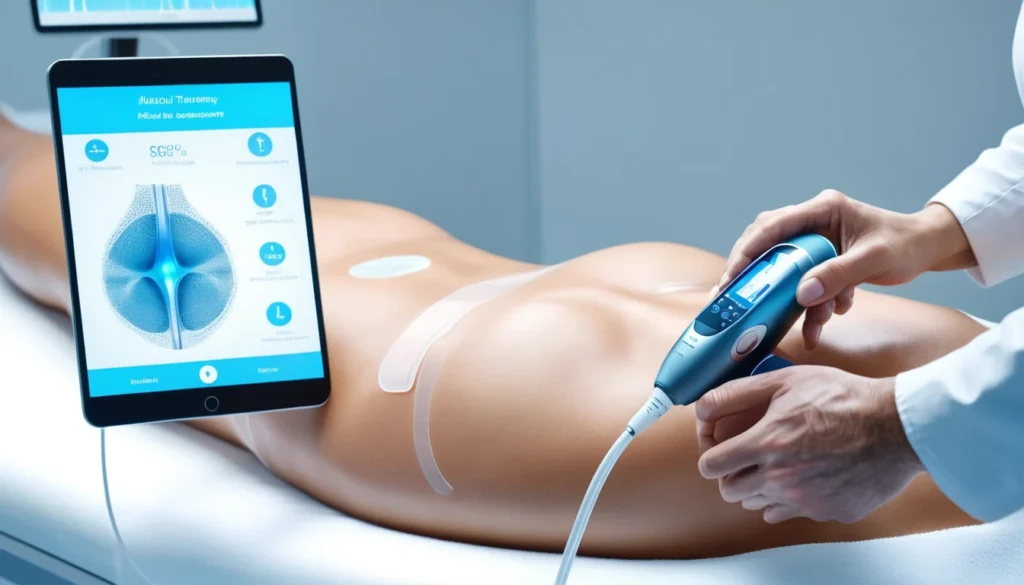
Your doctor may order tests such as a Doppler ultrasound to look for clots in your veins, or blood tests to check your clotting function. Early diagnosis and treatment are key to preventing serious complications.
If you are on a provincial health plan — which covers most Canadians — these diagnostic tests are typically covered when referred by a physician. Check with your provincial health authority for details on your coverage.
Frequently Asked Questions About Blood Clots
What does a blood clot feel like?
A blood clot in a leg vein often causes sudden swelling, warmth, redness, and a dull ache or tenderness in the affected area. Blood clots in the lungs can cause sharp chest pain and shortness of breath. Symptoms vary depending on where the clot forms, so any unexplained pain or swelling should be checked by a doctor.
Can blood clots go away on their own?
Small blood clots can sometimes dissolve on their own over time, but this is not something you should rely on without medical guidance. Larger or deeper blood clots — especially those related to DVT — require treatment to prevent them from travelling to the lungs or brain. Always see a doctor if you suspect a blood clot.
What foods or habits help prevent blood clots?
Staying active, drinking plenty of water, and avoiding long periods of sitting can all help reduce your risk of blood clots. A heart-healthy diet rich in fibre, fruits, and vegetables supports good circulation. Quitting smoking and managing conditions like high blood pressure and diabetes are also important prevention steps.
Are blood clots dangerous during pregnancy?
Yes — pregnancy increases the risk of blood clots, particularly deep vein thrombosis, because blood volume increases and circulation slows in the lower body. Any vaginal bleeding or leg swelling during pregnancy should be reported to your healthcare provider immediately. Blood clots during pregnancy can be serious for both the mother and baby.
How are blood clots diagnosed in Canada?
Doctors typically use a Doppler ultrasound to detect blood clots in veins, along with blood tests to measure clotting factors. In some cases, a CT scan or MRI may be used to find clots in the lungs or brain. These tests are generally covered under provincial health plans when ordered by a physician.
What is the difference between a blood clot and a bruise?
A bruise forms when small blood vessels break under the skin, causing blood to pool in the surrounding tissue — this is a surface-level clot visible as discolouration. A dangerous blood clot forms inside a vein or artery and cannot be seen from the outside. Unlike a bruise, internal blood clots can block blood flow and cause serious health complications.
Key Takeaways
Blood clots are a normal part of healing, but they become dangerous when they form inside healthy blood vessels.
Clots can form in the heart, veins, arteries, bladder, intestines, or uterus — each with different causes and risks.
Key risk factors include smoking, high blood pressure, high cholesterol, diabetes, prolonged inactivity, pregnancy, and a family history of clotting disorders.
Symptoms vary by location but can include chest pain, swelling, shortness of breath, and sudden weakness — some of which are emergencies requiring a 911 call.
If you are unsure about your risk, speak with your family doctor or visit a walk-in clinic. Early detection saves lives.
This article is for informational purposes only. Always consult a qualified healthcare provider for personal medical advice, diagnosis, or treatment.