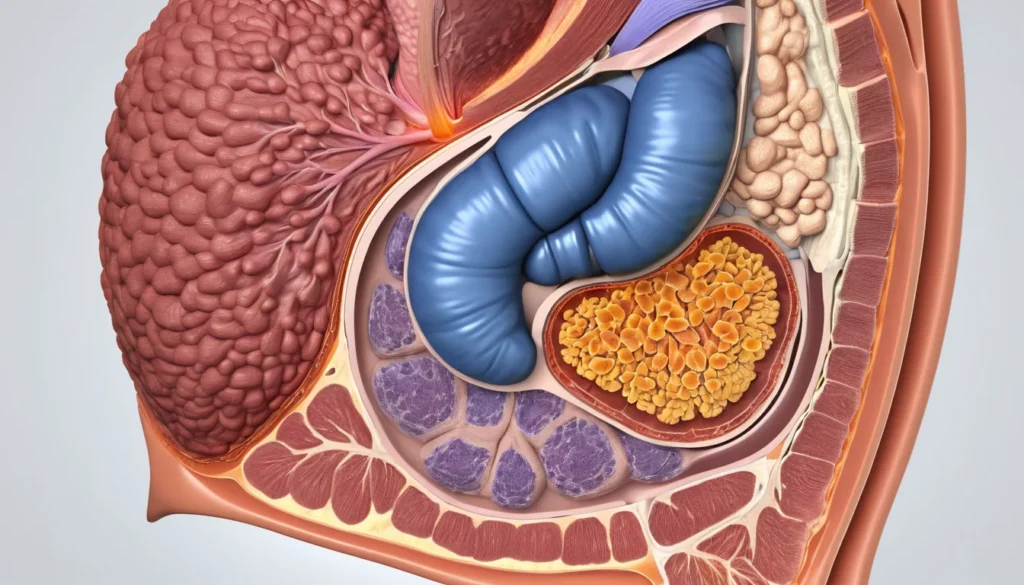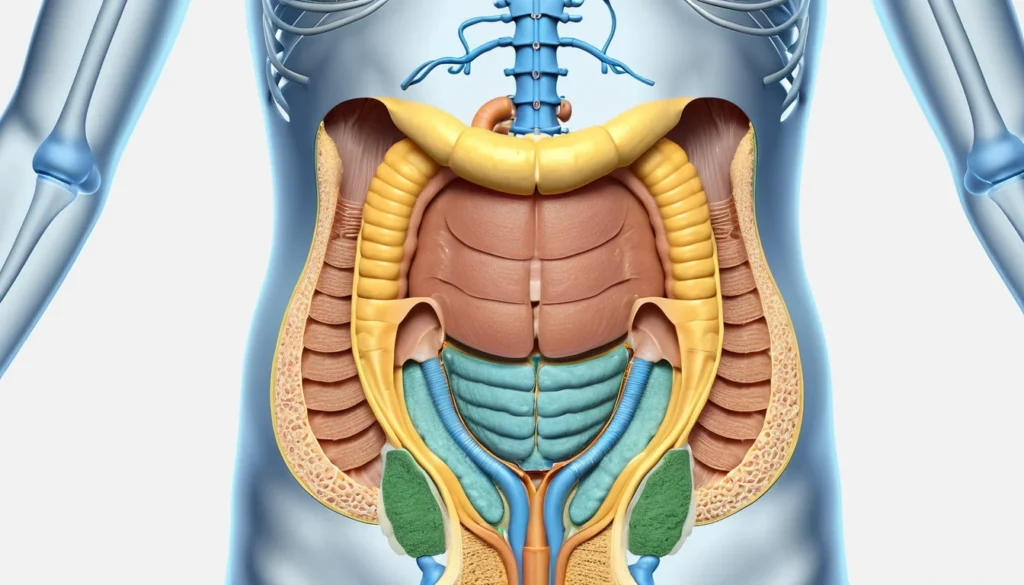
Bloating and gas are two of the most common digestive complaints Canadians deal with every day. They can feel embarrassing, uncomfortable, and sometimes even painful. However, in most cases, they are completely normal. This article explains what causes bloating and gas, what symptoms to watch for, and when it is time to visit your family doctor or a walk-in clinic.
What Are Bloating, Gas, and Burping?
These three digestive experiences are related, but they are not exactly the same thing. Understanding the difference helps you describe your symptoms clearly to a healthcare provider.
Intestinal Gas (Flatulence)
Flatulence is the medical term for passing gas through the rectum. Most people simply call it “gas” or “passing wind.” Gas moves through your digestive tract as a normal part of digestion, especially through the lower intestine, or colon.
Passing gas is a healthy sign that your bowels are moving normally. In fact, experts consider passing gas anywhere from 6 to 20 times per day to be completely normal. Everyone produces gas — some people just produce more than others.
Burping (Eructation)
Burping, also called eructation, releases gas upward through the mouth from the stomach and oesophagus. It is different from flatulence, which comes from the lower digestive tract. Burping is involuntary, often unexpected, and can carry an unpleasant odour.
Experts consider 3 to 4 burps after a meal to be normal. This is because we naturally swallow small amounts of air when we eat and drink, and burping is how the body releases it.
Bloating
Bloating is the uncomfortable feeling of fullness or tightness in your abdomen. Your belly may visibly expand, and you might notice that your waistband feels tighter than usual. Sometimes bloating becomes painful, with a dull, diffuse ache spreading across the abdomen.
However, doctors point out something reassuring: the human digestive tract cannot actually produce so much gas that the amount becomes medically dangerous on its own. The discomfort is real, but it is rarely a sign of something serious.
Common Causes of Bloating and Gas
Diet is one of the biggest factors behind bloating and gas. However, several other causes are worth knowing about. Understanding your triggers is the first step toward feeling better.
Foods and Drinks That Cause Gas
Certain foods are well known for producing more gas during digestion. These include foods high in complex carbohydrates and fermentable fibres. For example, common culprits include:
Beans, lentils, and peas
Cabbage, broccoli, and cauliflower
Onions and garlic
Potatoes and radishes
Wheat and yeast-containing foods
Dairy products, especially for those with lactose sensitivity
Carbonated drinks, beer, and sparkling wine
High-fat foods
Eating a diet rich in fibre is excellent for your overall health. However, increasing fibre too quickly can temporarily increase gas. It helps to increase your fibre intake gradually and drink plenty of water.
Swallowing Air (Aerophagia)
Swallowing excess air, a condition called aerophagia, is a surprisingly common cause of both burping and bloating. This can happen when you eat too quickly, talk while eating, chew gum, or drink through a straw. Smoking can also cause you to swallow more air than normal.
Digestive Conditions
Sometimes, bloating and gas are linked to an underlying digestive condition. The most common ones include:
Irritable bowel syndrome (IBS): A common condition that affects how the bowel functions, causing bloating, cramping, diarrhoea, or constipation
Lactose intolerance: Difficulty digesting the sugar found in dairy products
Celiac disease: An immune reaction to gluten that damages the small intestine
Gastric ulcer: An open sore in the stomach lining, which may cause burping alongside nausea and heartburn
Hiatal hernia: When part of the stomach pushes up through the diaphragm
Constipation: Slowed bowel movement can trap gas and cause significant bloating
Partial intestinal obstruction: A blockage that slows or stops normal gas and stool movement
Hormones and Stress
Hormonal changes can directly affect digestion. Many women notice more bloating around their menstrual cycle. Conditions such as polycystic ovary syndrome (PCOS) and ovarian cysts may also contribute to abdominal bloating.
High stress levels affect your gut as well. The gut and brain are closely connected, and psychological stress can slow digestion and worsen gas and bloating for many people.
Medications and Supplements
It is worth knowing that some common medications and supplements list bloating or gas as a side effect. These can include certain oral diabetes medications, vitamin supplements, and nutritional supplements. If you recently started a new medication and notice increased bloating, speak with your pharmacist or doctor.
Symptoms That Come With Bloating and Gas
Most of the time, bloating and gas pass on their own without any treatment. However, it is helpful to pay attention to other symptoms that appear alongside them. This helps you decide whether you need medical attention.
Take note if you experience any of the following alongside bloating or gas:
Chest pain or tightness
Abdominal pain or widespread cramping
Nausea or vomiting
Diarrhoea or constipation
Blood in your stool, or black, tarry stools
Difficulty swallowing (dysphagia)
Persistent indigestion or heartburn (pyrosis)
Unintended weight loss
Furthermore, consider when your symptoms occur. Do they appear after eating certain foods? Do they improve after passing gas or having a bowel movement? Do they happen every day, or only occasionally? These details are very useful for your doctor.
Less Common but Serious Causes
In rare cases, persistent or severe bloating may point to a more serious underlying condition. Although uncommon, the following can cause significant abdominal bloating:
Ovarian cancer or ovarian tumours
Liver disease
Uterine or stomach tumours
Megacolon (an abnormal widening of the colon)
Intestinal parasites
Diverticulosis (small pouches forming in the colon wall)
These causes are not common. However, if your bloating is persistent, worsening, or accompanied by other concerning symptoms, it is important to get it checked. Early detection always leads to better outcomes.
How to Reduce Bloating and Gas at Home
There are several simple lifestyle changes that can help reduce bloating and gas for most people. These are safe, practical, and easy to start today.
Dietary Changes
Reducing carbonated drinks is one of the quickest ways to cut down on gas and burping. In addition, eating slowly and chewing your food well reduces the amount of air you swallow. Try keeping a food diary to identify which foods trigger your symptoms.
Gradually increasing your fibre intake through vegetables, fruits, and whole grains supports healthy digestion overall. Health Canada’s healthy eating guidelines offer practical advice on building a balanced diet that supports your digestive health.
Lifestyle Adjustments
Regular physical activity helps stimulate healthy bowel movement and can reduce bloating. Even a 20-minute walk after meals can make a difference. As a result, many people find their digestive symptoms improve significantly with more daily movement.
Quitting smoking not only benefits your lungs and heart — it also reduces the amount of air you swallow. Managing stress through exercise, mindfulness, or relaxation techniques can also improve your gut health over time.
Over-the-Counter Options
Products containing simethicone (available at most Canadian pharmacies) can help break up gas bubbles in the digestive tract and relieve bloating. Digestive enzyme supplements may help people with lactose intolerance. Always read labels carefully and ask your pharmacist if you are unsure which product is right for you.
When to See a Doctor
Occasional bloating and gas are normal. However, you should visit your family doctor or a walk-in clinic if your symptoms are persistent, worsening, or unusual for you. Most provincial health plans in Canada cover visits to your family doctor for digestive concerns — so do not hesitate to make an appointment.
See a doctor promptly if you notice any of the following:
Bloating that does not go away or keeps getting worse
Severe or persistent abdominal pain
Blood in your stool or vomit
Unexplained weight loss
Difficulty swallowing
Persistent nausea or vomiting
Symptoms that interfere with your daily life
Your family doctor may refer you to a gastroenterologist (a digestive specialist) for further testing if needed. The Mayo Clinic’s guide to gas and gas pain provides additional information on when symptoms warrant a medical evaluation.
If you do not have a family doctor, a walk-in clinic is a great first step. You can also use your province’s health line (such as Ontario’s 811 or BC’s 8-1-1) to speak with a registered nurse at no cost.
As always, the information in this article is for general educational purposes. It is not a substitute for professional medical advice. Please speak with a qualified healthcare provider about your specific symptoms and health history.
Frequently Asked Questions About Bloating and Gas
What causes bloating and gas after eating?
Bloating and gas after eating are usually caused by swallowing air while you eat, or by foods that ferment in the digestive tract. Common triggers include beans, cabbage, dairy, carbonated drinks, and eating too quickly. Slowing down at meals and identifying your food triggers can help reduce symptoms significantly.
How much gas per day is normal?
Passing gas between 6 and 20 times per day is considered completely normal by digestive health experts. Everyone produces intestinal gas as a natural part of digestion. If you feel you are producing much more than this, or if it causes pain, speak with your doctor.
Can stress cause bloating and gas?
Yes, stress can directly affect your digestive system and contribute to bloating and gas. The gut and brain are closely linked through what doctors call the gut-brain axis. Managing stress through regular exercise, adequate sleep, and relaxation techniques can help improve your digestive symptoms.
Is bloating a sign of a serious health problem?
In most cases, bloating is not a sign of anything serious and is caused by diet, swallowed air, or minor digestive sensitivities. However, bloating that is persistent, worsening, or accompanied by pain, blood in the stool, or unexplained weight loss should be evaluated by a doctor. Early medical assessment is always the safest choice.
What foods should I avoid to reduce bloating and gas?
To reduce bloating and gas, consider limiting carbonated drinks, beans, lentils, cabbage, broccoli, onions, and high-fat foods. Dairy products can also cause bloating in people who are lactose intolerant. Keeping a food diary for one to two weeks is a practical way to identify your personal triggers.
When should I go to a walk-in clinic for bloating?
You should visit a walk-in clinic or your family doctor if your bloating is constant, very painful, or comes with symptoms like vomiting, blood in the stool, or difficulty swallowing. If you do not have a family doctor, a walk-in clinic is a convenient first step covered by most provincial health plans in Canada. Do not ignore symptoms that feel unusual or that are getting worse over time.
Key Takeaways
Bloating and gas are normal digestive processes experienced by every healthy person.
Passing gas 6 to 20 times per day and burping 3 to 4 times per meal are both considered normal.
Diet, swallowed air, stress, and hormonal changes are among the most common causes.
Foods like beans, cabbage, dairy, and carbonated drinks are frequent triggers.
Simple lifestyle changes — eating slowly, adjusting your diet, and staying active — can reduce symptoms for most people.
See your family doctor or visit a walk-in clinic if symptoms are persistent, painful, or accompanied by blood in the stool, weight loss, or difficulty swallowing.
Most provincial health plans in Canada cover visits for digestive health concerns — use the healthcare system available to you.
For more information on digestive health,