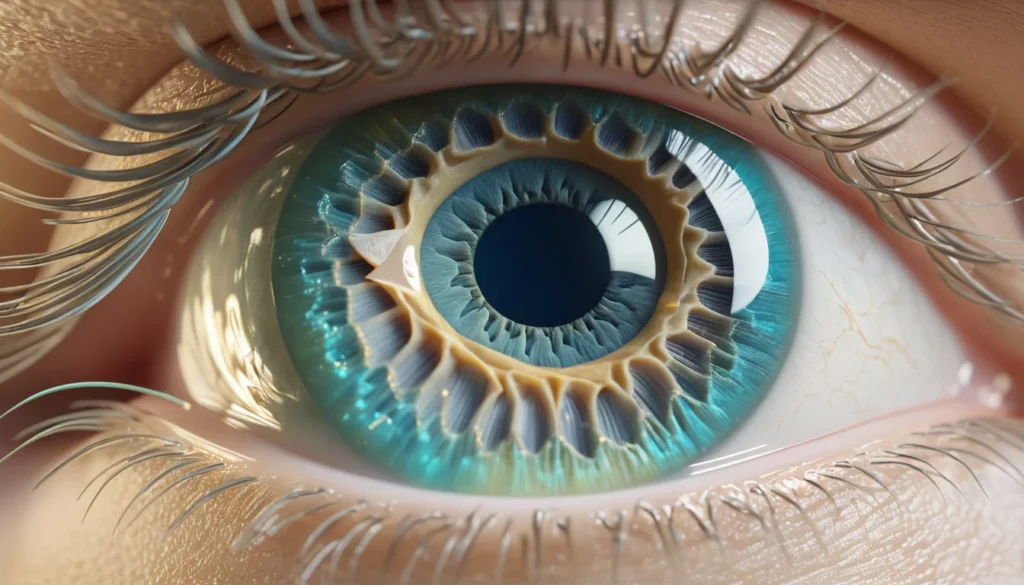
Blindness is the complete or partial loss of vision that affects millions of people around the world, including many Canadians. It can be present from birth or develop later in life due to injury, disease, or aging. This article explains what blindness is, the different types, what causes it, and what steps you can take to protect your vision. As always, speak with your family doctor if you have any concerns about your eyesight.
What Is Blindness?
Blindness refers to a significant loss of vision that cannot be fully corrected with glasses or contact lenses. It exists on a spectrum, ranging from partial vision loss to complete inability to perceive light. The term is often used alongside “visual impairment,” which covers a broader range of sight difficulties.
According to the World Health Organization (WHO), at least 2.2 billion people globally live with some form of vision impairment. In Canada, hundreds of thousands of people live with significant vision loss. Many cases are preventable or treatable when caught early.
It is important to understand that blindness does not always mean total darkness. Many people described as legally blind can still perceive light, shapes, or some colour. Their remaining vision, however, is too limited to carry out everyday tasks without support.
Types of Blindness
Blindness is not a single condition. It covers several different levels of vision loss, each with its own definition and impact on daily life.
Partial Blindness
Partial blindness means a person has some remaining vision, but it is significantly reduced. In medical terms, the visual acuity of the better eye falls between 1/20 and 1/50, even with correction. This means a person can see at one metre what someone with normal vision sees at 20 to 50 metres.
People with partial blindness may still read large print, recognise faces at close range, or navigate familiar spaces. However, they often need assistive tools and support. Daily tasks like reading, driving, or watching television can become very difficult.
Near-Total Blindness
Near-total blindness describes a condition where visual acuity falls between 1/50 and the threshold of light perception. In other words, the person can barely detect whether a light is on or off. Functional vision for daily tasks is essentially gone at this level.
People at this stage typically rely heavily on non-visual aids. These include white canes, screen-reading software, and guide dogs. Support from community services and provincial programmes becomes very important.
Total Blindness
Total blindness means there is no light perception at all. The person cannot detect even the presence of light in a completely dark or bright room. This is the most severe form of vision loss.
Total blindness may result from severe eye injury, advanced disease, or certain neurological conditions. It requires comprehensive support, including rehabilitation services and adaptive technology. In Canada, provincial health programmes and organizations like the Canadian National Institute for the Blind (CNIB) offer significant resources.
Congenital vs. Acquired Blindness
Blindness can be congenital, meaning it is present from birth or develops very early in life. It can also be acquired, meaning it develops later due to disease, injury, or aging.
Congenital blindness may result from genetic conditions, infections during pregnancy, or complications at birth. Acquired blindness, on the other hand, can develop gradually or suddenly. Understanding this distinction helps doctors choose the right treatment and rehabilitation approach.
Common Causes of Blindness
Many different conditions can lead to blindness. Some are related to the eye itself, while others involve the brain or nervous system. Here are the most common causes.
Cataracts
A cataract is a clouding of the lens inside the eye. It causes blurry, hazy vision and increased sensitivity to light. Cataracts are the leading cause of blindness worldwide, according to the WHO.
The good news is that cataracts are highly treatable. Surgery to remove the clouded lens and replace it with an artificial one is one of the most common and successful procedures in Canada. Most patients recover excellent vision after the operation.
Glaucoma
Glaucoma is a group of eye conditions that damage the optic nerve, often due to increased pressure inside the eye. It progresses slowly and often has no symptoms in its early stages. As a result, many people do not know they have it until significant vision loss has already occurred.
Regular eye exams are the best way to catch glaucoma early. Treatment can slow or stop its progression. However, vision that is already lost cannot be restored.
Diabetic Retinopathy
Diabetes can damage the small blood vessels in the retina, the light-sensitive layer at the back of the eye. This condition is called diabetic retinopathy. Over time, it can cause serious vision loss or blindness.
Canada has seen rising rates of diabetes in recent decades. Therefore, diabetic eye disease has become an increasingly important public health concern. Keeping blood sugar levels under control and attending regular eye appointments are key steps in prevention.
Macular Degeneration
Age-related macular degeneration (AMD) affects the central part of the retina, called the macula. It causes loss of central vision, making it hard to read, recognise faces, or see fine detail. AMD is a leading cause of vision loss in Canadians over 50.
There are two main types: dry AMD and wet AMD. Wet AMD progresses faster and can sometimes be treated with injections into the eye. Dry AMD has no cure but can be managed with lifestyle changes and nutritional support.
Eye Injuries and Infections
Physical trauma to the eye, such as a penetrating injury or a chemical burn, can cause permanent vision loss. Certain infections, including trachoma and onchocerciasis, are leading causes of blindness in developing countries. In Canada, eye injuries at work or during sports are a more common concern.
Wearing proper protective eyewear during high-risk activities can prevent many of these injuries. Prompt medical treatment after any eye injury is also essential.
Neurological Causes
Sometimes blindness results from damage to the brain rather than the eye. Stroke, traumatic brain injury, or tumours affecting the visual cortex can all lead to vision loss. This is known as cortical or cerebral blindness.
In these cases, the eyes themselves may be healthy. However, the brain cannot process the signals it receives. Rehabilitation for this type of blindness focuses on adapting to vision loss rather than treating the eye directly.
Symptoms and Warning Signs
Vision loss does not always happen suddenly. In many cases, it develops gradually over months or years. Knowing the warning signs can help you act early.
Common warning signs of developing blindness or serious vision problems include:
Blurry or cloudy vision that does not clear up
Sudden loss of vision in one or both eyes
Dark spots or a shadow in the centre of your vision
Loss of peripheral (side) vision
Seeing halos around lights, especially at night
Frequent changes in your glasses or contact lens prescription
Double vision or distorted images
Eye pain or unusual redness
If you notice any of these symptoms, do not wait. Contact your eye doctor or family doctor as soon as possible. Early detection makes a significant difference in most eye conditions.
Living With Blindness in Canada
A diagnosis of blindness or significant vision loss can feel overwhelming. However, many Canadians live full, independent, and meaningful lives with the help of modern tools and community support.
The Canadian National Institute for the Blind (CNIB) is one of the most well-known support organizations in the country. It offers rehabilitation services, assistive technology training, and peer support programmes across Canada.
Provincial health plans cover many services related to vision loss, including specialist appointments, surgeries, and some rehabilitative therapies. However, coverage varies by province and territory. Your family doctor or a registered ophthalmologist can help you navigate what is available in your region.
Assistive technologies have also improved dramatically. Screen readers, magnification software, smart speaker devices, and GPS navigation tools have made daily life significantly more accessible. In addition, braille literacy and orientation and mobility training remain essential skills for many people living with blindness.
Furthermore, workplace accommodations and accessible design in public spaces are protected under Canadian human rights legislation. Employers are required to make reasonable accommodations for employees with visual impairments.
Preventing Vision Loss
While not all cases of blindness are preventable, many causes of vision loss can be slowed or avoided with the right steps. Prevention starts with awareness and regular eye care.
Here are practical steps Canadians can take to protect their vision:
Get regular eye exams. Adults should have a comprehensive eye exam every one to two years, depending on age and risk factors.
Manage chronic conditions. Controlling diabetes and high blood pressure reduces your risk of eye disease.
Wear UV-protective sunglasses. Long-term sun exposure can increase the risk of cataracts and macular degeneration.
Use protective eyewear. Wear safety glasses during sports, construction, or any activity with a risk of eye injury.
Eat a healthy diet. Foods rich in vitamins C and E, zinc, omega-3 fatty acids, and leafy greens support eye health.
Avoid smoking. Smoking significantly increases the risk of cataracts and macular degeneration.
Follow the 20-20-20 rule. When using screens, every 20 minutes look at something 20 feet away for 20 seconds to reduce eye strain.
For more detailed guidance on eye health, the Mayo Clinic’s overview of blindness and vision loss is an excellent resource.
When to See a Doctor
Any sudden change in vision is a medical emergency. If you experience sudden blindness, even briefly, go to your nearest emergency room immediately. Do not wait to book a regular appointment.
For gradual changes in vision, book an appointment with your family doctor or walk-in clinic as a first step. They can refer you to an optometrist or ophthalmologist for a full eye examination. Many provinces cover eye exams for children, seniors, and people with certain medical conditions under their provincial health plan.
If you do not have a family doctor, a walk-in clinic is a good starting point. They can assess your symptoms and arrange an urgent referral if needed. You can also contact your provincial health line (such as Health811 in Ontario or 811 in British Columbia) for guidance on next steps.
Do not ignore changes in your vision. Catching eye disease early gives you the best chance of preserving your sight. For more information on eye health resources available to Canadians, visit Health Canada’s official website.
Frequently Asked Questions About Blindness
What is the difference between partial blindness and total blindness?
Partial blindness means a person has some remaining vision, but it is significantly reduced and cannot be fully corrected. Total blindness means there is no light perception at all. Both forms of blindness require different levels of support and rehabilitation.
Can blindness be cured or reversed?
Some causes of blindness, such as cataracts, can be treated very successfully with surgery. However, vision lost from conditions like glaucoma or macular degeneration generally cannot be fully restored. Early detection and treatment give the best chance of preserving remaining vision.
Is blindness covered under provincial health plans in Canada?
Many services related to blindness and vision loss are covered under provincial health plans, including specialist visits and certain surgeries. Coverage for vision rehabilitation, assistive devices, and eye exams varies by province. Your family doctor can help you understand what is available in your area.
What are the most common causes of blindness in Canada?
The most common causes of blindness in Canada include cataracts, glaucoma, diabetic retinopathy, and age-related macular degeneration. Many of these conditions can be slowed or treated if caught early through regular eye exams. Managing chronic health conditions like diabetes also plays a key role in prevention.
At what age should I start getting regular eye exams to prevent blindness?
Children should have their first eye exam in infancy and regular check-ups throughout school age. Adults without known eye problems should have a comprehensive exam every one to two years. After age 65, annual eye exams are strongly recommended to catch conditions like glaucoma and macular degeneration early.
What support is available in Canada for people living with blindness?
The Canadian National Institute for the Blind (CNIB) offers rehabilitation, assistive technology training, and community programmes across Canada. Provincial health plans also cover some supportive services, and Canadian human rights legislation protects workplace accommodations. Speak with your family doctor or a social worker for a referral to local blindness support services.
Key Takeaways
Blindness ranges from partial vision loss to complete inability to perceive light. It can be present from birth (congenital) or develop later in life (acquired). Common causes include cataracts, glaucoma, diabetic retinopathy, and macular degeneration. Many cases of vision loss are preventable or treatable when caught early. Regular eye exams are one of the most important steps you can take to protect your sight. Canadians living with blindness have access to support through the CNIB, provincial health programmes, and assistive technology. Sudden vision loss is a medical emergency. Go to an emergency room immediately if it occurs. Always consult your family doctor