Bleeding happens when blood escapes from a damaged blood vessel. It can range from a minor cut on your finger to a life-threatening emergency inside your body. Understanding the types of bleeding, what causes it, and how to respond can make a real difference — and may even save a life. This article covers everything everyday Canadians need to know about bleeding, including first aid steps and when to seek medical help.
What Is Bleeding?
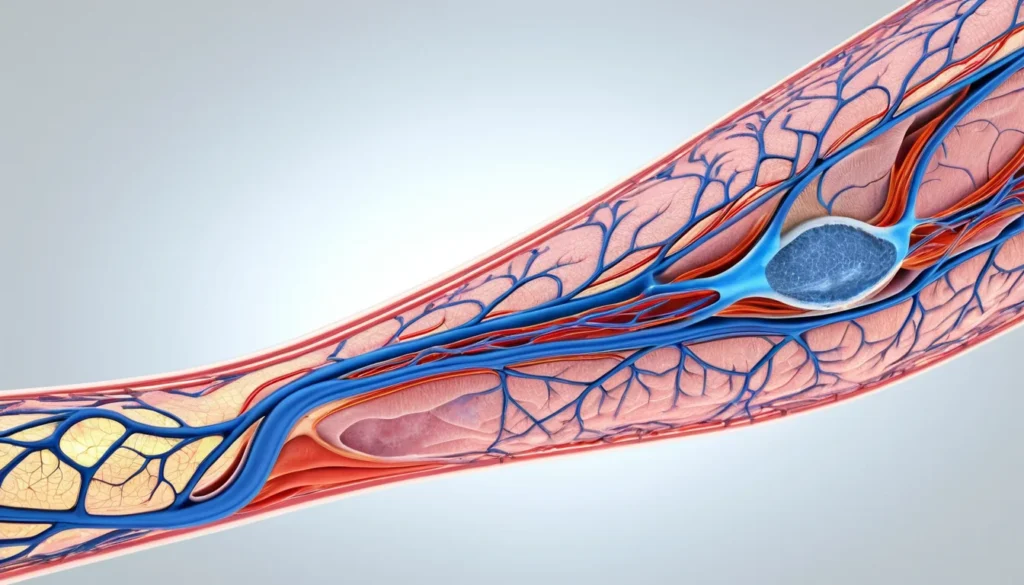
Bleeding occurs when a blood vessel — an artery, vein, or small capillary — is damaged or broken. Blood then leaks out of its normal path. The medical term for significant or serious bleeding is haemorrhage.
Bleeding can be mild, like a small scrape, or severe enough to require emergency care. How serious it is depends on which vessel is involved, where the bleeding occurs, and how quickly it is controlled.
The Three Main Types of Bleeding
Doctors and first responders classify bleeding into three main categories. Knowing the difference helps you understand what is happening and what to do next.
External bleeding: Blood flows directly outside the body through a wound or cut in the skin. This is the most visible type.
Internal bleeding: Blood collects inside the body — for example, inside the chest cavity, the abdomen, or an internal organ such as the stomach or intestine. You cannot see this type directly.
Externalized bleeding: Blood exits the body through a natural opening, such as the mouth, anus, or urethra. This type of bleeding is a warning sign that something is wrong internally.
Each type requires a different response. External bleeding is often manageable with basic first aid. However, internal bleeding and externalized bleeding almost always need professional medical attention right away.
Common Causes of Bleeding
Bleeding can happen for many reasons. Some causes are straightforward, while others point to an underlying health condition that needs treatment.
Physical Injury or Trauma
The most common cause of bleeding is physical trauma — a cut, fall, car accident, or sports injury. When the skin or tissue tears, blood vessels break open and bleed. Most minor traumatic wounds stop bleeding on their own or with simple first aid.
Serious trauma, such as a deep stab wound or a bad car accident, can damage major blood vessels. As a result, these injuries can lead to severe or life-threatening bleeding very quickly.
Organ Damage and Disease
Sometimes bleeding comes from inside an organ. Conditions like stomach ulcers, bowel inflammation, or tumours can erode the lining of an organ and damage the blood vessels within it. This leads to internal or externalized bleeding.
For example, a bleeding stomach ulcer may cause a person to vomit blood or pass dark, tarry stools. These are serious warning signs. Furthermore, some cancers can cause unexplained bleeding that shows up as blood in the urine, stool, or saliva.
Blood Vessel Abnormalities
Certain conditions weaken or change blood vessels, making bleeding more likely. An aneurysm is a bulge or weak spot in a blood vessel wall. If it ruptures, it can cause sudden and severe internal bleeding.
Long-term high blood pressure (hypertension) can also make blood vessel walls fragile over time. In addition, conditions like haemophilia and other clotting disorders prevent blood from clotting normally, which means even small wounds bleed much longer than expected.
Medications That Affect Bleeding
Some common medications increase the risk of bleeding. Blood thinners like warfarin, aspirin, and newer anticoagulants are widely used by Canadians for heart conditions and stroke prevention. These drugs slow clotting on purpose — but they also mean wounds bleed longer and internal bleeding becomes more dangerous.
Always let your family doctor or pharmacist know about any bleeding changes if you take these medications. Your provincial health plan may cover regular blood monitoring if you are on a blood thinner.
Recognizing the Signs of Bleeding
External bleeding is usually obvious. However, internal bleeding can be harder to spot. Knowing the warning signs could help you act quickly and get the right care.
Signs of External Bleeding
Visible blood from a cut, scrape, or wound
Blood soaking through clothing or bandages
Bleeding that does not slow down after several minutes of pressure
A wound that is deep, wide, or has ragged edges
Signs of Internal or Serious Bleeding
Internal bleeding does not show blood on the outside of the body. Instead, watch for these warning signs:
Coughing up or vomiting blood
Blood in the urine (pink, red, or dark brown colour)
Dark or tarry stools, or bright red blood in the stool
Severe abdominal pain or swelling
Dizziness, weakness, or fainting
Pale, cold, or clammy skin
Rapid, weak pulse
Confusion or loss of consciousness
These symptoms suggest the body is losing significant blood. Therefore, they are a medical emergency. Call 911 immediately if you notice these signs in yourself or someone else.
First Aid for Bleeding: What to Do
Knowing basic first aid for bleeding is a valuable life skill. In Canada, organizations like St. John Ambulance offer first aid courses across all provinces. Here is what to do when someone is bleeding.
Step 1: Stay Calm and Stay Safe
Before helping, make sure the scene is safe for you. If possible, put on disposable gloves to protect yourself from blood-borne pathogens. Stay calm — your calm behaviour will help the injured person too.
Step 2: Apply Direct Pressure
For most external bleeding, direct pressure is the most effective first aid step. Press firmly on the wound using a clean cloth, gauze pad, or even a folded piece of clothing. Keep steady pressure for at least 10 to 15 minutes without lifting the cloth to check.
If blood soaks through, add more material on top rather than removing the first layer. Removing the cloth can disturb the clot that is forming. Furthermore, if the wound is on a limb, elevating it above the level of the heart can help slow the bleeding.
Step 3: Pressure on the Supplying Artery
If direct pressure is not enough — for example, with a deep wound on the neck or a limb — you can apply pressure to the artery that supplies blood to that area. This technique involves pressing the artery against the underlying bone to reduce blood flow to the wound.
This approach requires some training to do correctly. However, in an emergency, applying firm pressure anywhere near a heavily bleeding wound is better than doing nothing.
Step 4: Using a Tourniquet (Emergency Only)
A tourniquet is a tight band applied around a limb to stop severe bleeding. It works by cutting off blood flow completely to the injured area. Modern emergency guidelines do support tourniquet use for life-threatening limb bleeding when other methods fail.
However, a tourniquet carries risks, including tissue and nerve damage if left on too long. It should only be used when bleeding is severe and uncontrolled, and emergency help is on the way. Note the time you applied it and tell paramedics immediately. Learn more about proper tourniquet use from a trusted health resource.
Step 5: Call for Help
For any serious bleeding, call 911. Do not drive yourself or the injured person to the hospital if bleeding is severe. Paramedics can begin treatment on the way, which can be critical in saving a life.
Medical Treatment for Bleeding
Medical treatment for bleeding depends on its cause, location, and severity. Healthcare providers have several tools available to stop bleeding and restore the body’s blood volume.
Surgical Treatment
For serious internal bleeding or wounds involving major blood vessels, surgery is often necessary. Surgeons can locate the damaged vessel and repair or tie it off to stop the bleeding. In some cases, minimally invasive techniques, such as endoscopy for stomach bleeding, can stop bleeding without a large incision.
Fluid Replacement and Blood Transfusions
When a person loses a significant amount of blood, the body needs that volume replaced. Doctors first use intravenous (IV) fluids — such as saline solutions or plasma expanders — to stabilize blood pressure and circulation.
In more severe cases, these fluids are not enough. As a result, a blood transfusion becomes necessary. Transfusions replace the lost red blood cells and restore the blood’s ability to carry oxygen. Health Canada oversees Canada’s blood system to ensure transfusions are safe for all Canadians.
Medications to Help Clotting
In some situations, doctors use medications to help the blood clot more effectively. For example, tranexamic acid is a drug that slows the breakdown of clots. It is used in trauma, surgery, and for conditions like heavy menstrual bleeding.
For people on blood thinners who are bleeding, reversal agents can counteract the medication quickly. This is why it is important that emergency responders know what medications a patient takes.
When to See a Doctor
Not every instance of bleeding requires a trip to the emergency room. However, some situations need prompt professional attention. Here is a simple guide for Canadians.
Go to the Emergency Room or Call 911 If:
Bleeding does not stop after 10 to 15 minutes of firm pressure
The wound is deep, gaping, or shows bone or muscle
You suspect internal bleeding (dizziness, fainting, blood in vomit or stool)
The injured person is unconscious, confused, or in shock
Bleeding follows a serious injury, such as a car accident or fall from height
A large amount of blood has been lost
Visit a Walk-In Clinic or Your Family Doctor If:
A cut or wound may need stitches but bleeding is controlled
You notice unexplained bleeding, such as blood in your urine or stool
You bruise very easily or bleed longer than expected from small cuts
You have been experiencing nosebleeds that are frequent or hard to stop
You are on blood thinners and have a concern about a new wound
Walk-in clinics are available in most Canadian cities and towns. They are a great first stop for non-emergency bleeding concerns when you cannot reach your family doctor. Your family doctor can also refer you to a specialist if an underlying condition is causing abnormal bleeding. Always speak with a healthcare professional if you are unsure — it is better to be safe.
Frequently Asked Questions About Bleeding
What is the difference between internal and external bleeding?
External bleeding is visible — blood leaves the body through a wound in the skin. Internal bleeding happens inside the body and cannot be seen directly. Internal bleeding is often more dangerous because it is harder to detect and can become severe before obvious symptoms appear.
How do I stop bleeding from a cut at home?
Apply firm, steady pressure to the wound using a clean cloth or gauze for at least 10 to 15 minutes. Elevate the injured area above your heart if possible. If bleeding soaks through, add more material on top without removing the first layer, and seek medical care if bleeding does not stop.
What are the warning signs of internal bleeding?
Warning signs of internal bleeding include dizziness, fainting, sudden severe abdominal pain, pale or clammy skin, and a rapid or weak pulse. Vomiting blood, blood in the urine, or dark tarry stools are also serious signs. If you notice these symptoms, call 911 immediately as this is a medical emergency.
When should I go to the emergency room for bleeding?
Go to the emergency room if bleeding does not stop after 15 minutes of firm pressure, if the wound is deep or exposes muscle or bone, or if you suspect internal bleeding. Any bleeding following a serious trauma or accident also warrants an immediate 911 call. In Canada, your provincial health plan covers emergency care — do not hesitate to seek help.
Can medications cause increased bleeding?
Yes, several common medications increase the risk of bleeding, including blood thinners like warfarin and aspirin. These drugs are widely prescribed to Canadians for heart disease and stroke prevention. If you take these medications and experience unusual or prolonged bleeding, contact your family doctor or pharmacist right away.
What is a tourniquet and when should it be used?
A tourniquet is a tight band applied to a limb to stop severe, life-threatening bleeding when direct pressure has failed. It cuts off blood flow to the injured area to prevent dangerous blood loss. Tourniquets should only be used in emergencies, and you should note the time of application and inform paramedics as soon as they arrive.
Key Takeaways
Bleeding ranges from minor cuts to serious internal haemorrhage — the response depends on the type and severity. The three main types are external, internal, and externalized bleeding. Internal bleeding is the most dangerous because it is not always visible. Common causes include trauma, organ disease (such as ulcers or tumours), blood vessel abnormalities like aneurysms, and certain medications. For external bleeding, apply firm direct pressure with a clean cloth for at