Blastomycosis is a serious fungal infection that affects the lungs and can spread to other parts of the body. It is caused by breathing in tiny spores from a fungus called Blastomyces dermatitidis, which lives in soil and rotting wood. Blastomycosis is not just an American problem — Canada is one of the countries where this infection is commonly found. In this article, we explain what blastomycosis is, who is at risk, what symptoms to watch for, and when to seek medical care.
What Is Blastomycosis?
Blastomycosis is a fungal disease caused by inhaling spores of Blastomyces dermatitidis. These spores float in the air after soil or wood debris is disturbed. Once inside the lungs, the spores transform into an active, infectious form that can cause serious illness.
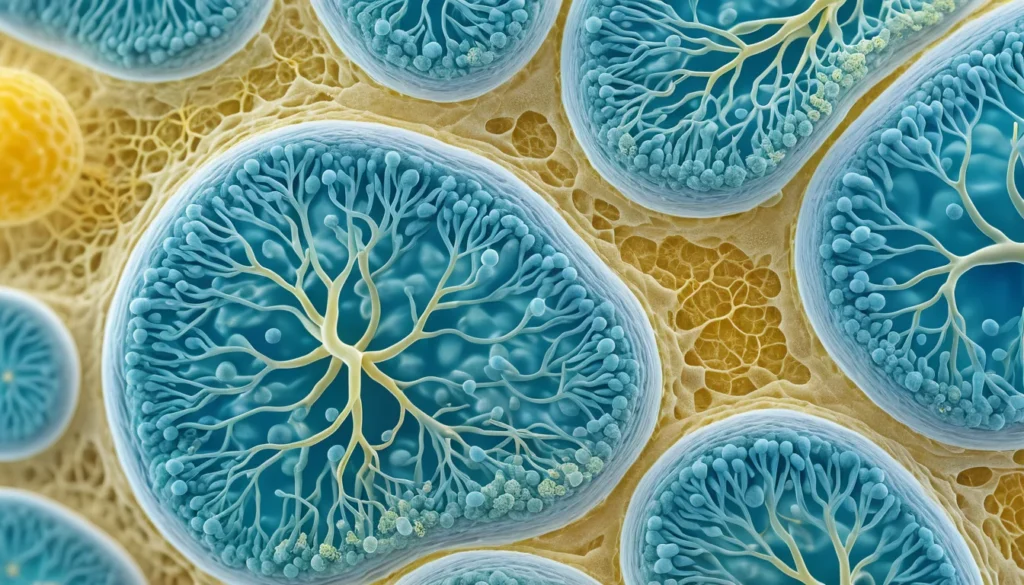
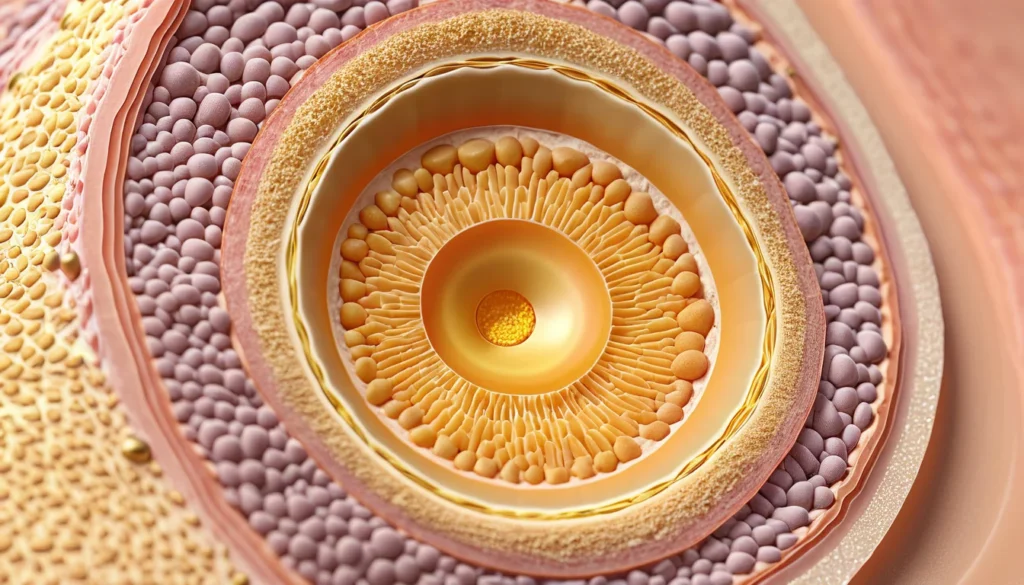
The fungus has a thick protective outer layer. This shell protects it from cold temperatures and from being destroyed by the body’s immune system. That is one reason blastomycosis can be difficult for the body to fight on its own.
In Canada, blastomycosis is found most often in Ontario, Manitoba, and areas around the Great Lakes and major river valleys. It also appears in parts of Africa, the Middle East, India, Mexico, and South America. Health Canada recognises it as a reportable infection in several provinces.
Who Is at Risk of Blastomycosis in Canada?
Anyone who spends time outdoors in wooded or riverside areas can be exposed to blastomycosis. However, some people face a higher risk than others.
The infection appears slightly more often in men than in women, at a ratio of about 1.5 to 1. The average age at diagnosis is around 45 years, but blastomycosis has been reported in young children and older adults alike. Age alone does not protect you from this infection.
Groups at Higher Risk
People with weakened immune systems are much more likely to get seriously ill from blastomycosis. This includes people living with HIV or AIDS, organ transplant recipients, and those taking immune-suppressing medications or long-term corticosteroids.
For most healthy people, the reported death rate from blastomycosis is low — between 0 and 2 percent. However, for people with AIDS, this figure rises to around 40 percent. Therefore, early diagnosis and treatment are critical for vulnerable groups.
Causes and How Blastomycosis Spreads
Blastomycosis spreads through the air, not from person to person. You cannot catch it from another person or from an animal. The spores are released into the air when soil or wood is disturbed — for example, during logging, gardening, hiking, or construction near wooded areas.
Once you inhale the spores, they travel deep into the lungs. In the warm, moist environment of the lungs, the spores change into yeast cells — the active, disease-causing form of the fungus. This transformation is what makes the fungus so dangerous.
How the Infection Can Spread in the Body
In some cases, the infection stays only in the lungs. However, the fungus can enter the lymphatic system and bloodstream. From there, it can travel to almost any part of the body.
The most common sites of spread outside the lungs include the skin (in 20–40% of cases), bones such as the spine and long bones (10–25%), the prostate and other urinary or genital organs (5–15%), and the brain or its surrounding membranes (about 5%). In rare cases, the infection can even affect the throat, eyes, or ears.
Blastomycosis Symptoms to Watch For
One of the challenges with blastomycosis is that symptoms can be easy to miss at first. Up to half of all people with a lung infection from this fungus have no symptoms at all, at least in the early stages. The incubation period — the time between breathing in the spores and feeling sick — is about 45 days.
When symptoms do appear, they can look like many other illnesses, including bacterial pneumonia or even tuberculosis. This makes blastomycosis tricky to diagnose without specific tests.
Common Symptoms of Blastomycosis
Chest pain and shortness of breath
Cough, often producing brown or reddish mucus
Fever and chills
Fatigue and general feeling of being unwell
Night sweats
Sudden, unexplained weight loss
Muscle aches and joint stiffness
Skin rashes or sores, especially on the face, neck, or limbs
Laryngitis (hoarse voice or throat irritation)
Prostate pain or burning with urination (in men)
In more severe cases, a person may arrive at hospital with symptoms that look like adult respiratory distress syndrome. These include high fever, rapid breathing, very low oxygen levels, and widespread lung involvement. This is a medical emergency.
Skin Symptoms
Skin changes are one of the most visible signs of blastomycosis that has spread beyond the lungs. The skin lesions can look very different from person to person. They may appear as raised bumps with clear borders, open sores, or wart-like growths. As the lesions grow larger, the centre may begin to scar over.
These skin changes most often appear on the face, neck, and limbs. If you notice unusual, persistent skin sores alongside breathing problems or fever, speak with your family doctor right away.
How Is Blastomycosis Diagnosed?
Diagnosing blastomycosis starts with a thorough medical history and physical exam. Your doctor will ask about your outdoor activities, where you live or travel, and any symptoms you have noticed. This information — known as your clinical history — is very important for guiding the right tests.
During the physical exam, your doctor may hear abnormal sounds in your lungs, such as crackling (called crackles or rales). A dull sound when the chest is tapped can suggest fluid around the lungs, a condition called pleural effusion. Sometimes, a skin rash called erythema nodosum (tender red bumps, usually on the shins) may also be present.
Laboratory Tests
Several lab tests can help confirm a diagnosis of blastomycosis. A complete blood count (CBC) may show an elevated white blood cell count, which signals infection. A pulse oximetry reading checks the oxygen level in your blood — people with lung involvement often have low oxygen levels.
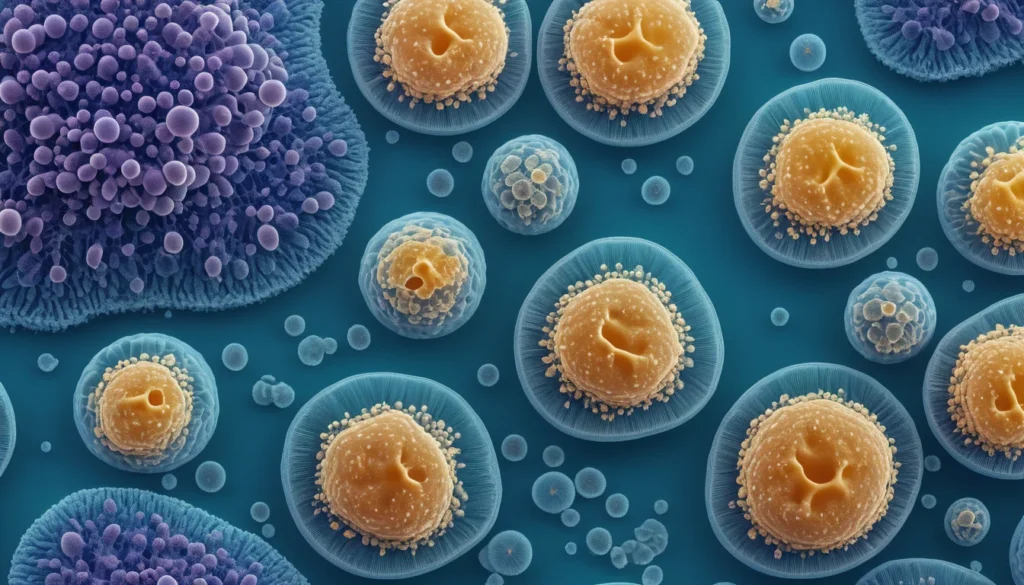
One of the most useful tests is microscopic examination of sputum (the mucus you cough up). A small sample is placed on a slide with a drop of potassium hydroxide. Under the microscope, Blastomyces cells appear as round, thick-walled structures between 8 and 20 micrometres wide. This simple test can diagnose over 75% of people with lung involvement.
Fluid from skin pustules or abscesses can also be examined under a microscope. Mayo Clinic provides a detailed overview of blastomycosis diagnostic approaches for those who want to learn more.
Imaging Tests
A chest X-ray is usually one of the first imaging tests ordered. However, the results are often non-specific — meaning the X-ray shows something is wrong, but cannot confirm exactly what. Common findings include areas of consolidation (fluid-filled lung tissue), dense patches, nodules, cavities, or signs of pleural effusion.
Because chest X-ray results can look similar to pneumonia or other lung conditions, additional testing is almost always needed to confirm blastomycosis.
When to See a Doctor
You should speak with a healthcare provider if you have a persistent cough, unexplained fever, or unusual skin sores — especially if you spend time outdoors in wooded or rural areas of Canada. These symptoms can have many causes, but it is always best to get checked.
Start by calling your family doctor. If you do not have a family doctor, a walk-in clinic can assess your symptoms and order initial tests. Most provincial health plans cover the cost of diagnosis and treatment for infections like blastomycosis, so cost should not be a barrier to getting care.
If you develop severe shortness of breath, very high fever, or rapid breathing, go to your nearest emergency department immediately. These can be signs of a serious lung complication that needs urgent treatment.
As always, please consult your doctor or a qualified healthcare professional for any health concerns. The information in this article is for general educational purposes only and is not a substitute for professional medical advice.
Frequently Asked Questions About Blastomycosis
Is blastomycosis common in Canada?
Yes, blastomycosis does occur in Canada, particularly in Ontario, Manitoba, and areas near the Great Lakes and major river systems. Canada is considered one of the endemic regions for this fungal infection. Canadians who spend time in wooded or riverside areas should be aware of the risk.
Can blastomycosis be cured?
Yes, blastomycosis is treatable, especially when caught early. Antifungal medications are the standard treatment for blastomycosis and are effective for most people. Your doctor will determine the right type and length of treatment based on how severe the infection is.
How do you catch blastomycosis?
You catch blastomycosis by breathing in spores from the Blastomyces dermatitidis fungus, which lives in soil and rotting wood. The infection does not spread from person to person or from animals. Activities like hiking, gardening, or working in wooded areas can increase your exposure to these spores.
What does blastomycosis feel like at first?
In the early stages, blastomycosis can feel like a mild flu or chest cold — or it may cause no symptoms at all. Some people develop a cough, low-grade fever, and fatigue. Because these symptoms are common to many illnesses, blastomycosis is often not recognised right away.
Who is most at risk for serious blastomycosis complications?
People with weakened immune systems face the greatest risk of serious complications from blastomycosis. This includes individuals living with HIV or AIDS, organ transplant recipients, and those on long-term immune-suppressing medications. For people with AIDS, the mortality rate from blastomycosis can be as high as 40 percent.
Can blastomycosis affect the skin?
Yes, skin involvement is one of the most common ways blastomycosis spreads beyond the lungs, occurring in 20 to 40 percent of cases. Skin lesions from blastomycosis can appear as raised bumps, open sores, or wart-like growths, most often on the face, neck, and limbs. If you notice unusual skin sores along with breathing problems or fever, see a doctor promptly.
Key Takeaways
Blastomycosis is a fungal lung infection caused by inhaling spores of Blastomyces dermatitidis from soil and wood.
It is found across Canada, particularly near the Great Lakes and river valleys in Ontario and Manitoba.
Up to half of all cases have no symptoms in the early stages, making it easy to overlook.
Common symptoms include cough, fever, chest pain, night sweats, weight loss, and skin sores.
The infection can spread from the lungs to the skin, bones, brain, and urinary organs.
People with weakened immune systems are at much higher risk of severe illness or death.
Diagnosis involves a medical history, physical exam, sputum microscopy, blood tests, and chest X-ray.
If you have persistent symptoms after spending time outdoors, see your family doctor or visit a walk-in clinic.
Most provincial health plans cover diagnosis and treatment for blastomycosis. Healthline offers additional information on blastomycosis treatment options.