Bladder cancer is a condition where abnormal cells grow rapidly and uncontrollably in the bladder — the part of your urinary tract that stores urine. It is one of the more common cancers diagnosed in Canada, and the good news is that more than 80% of cases are caught in the early stages. Understanding the warning signs and risk factors can help you get the right care sooner. For more general information, visit Health Canada’s official health resources.
What Is Bladder Cancer?
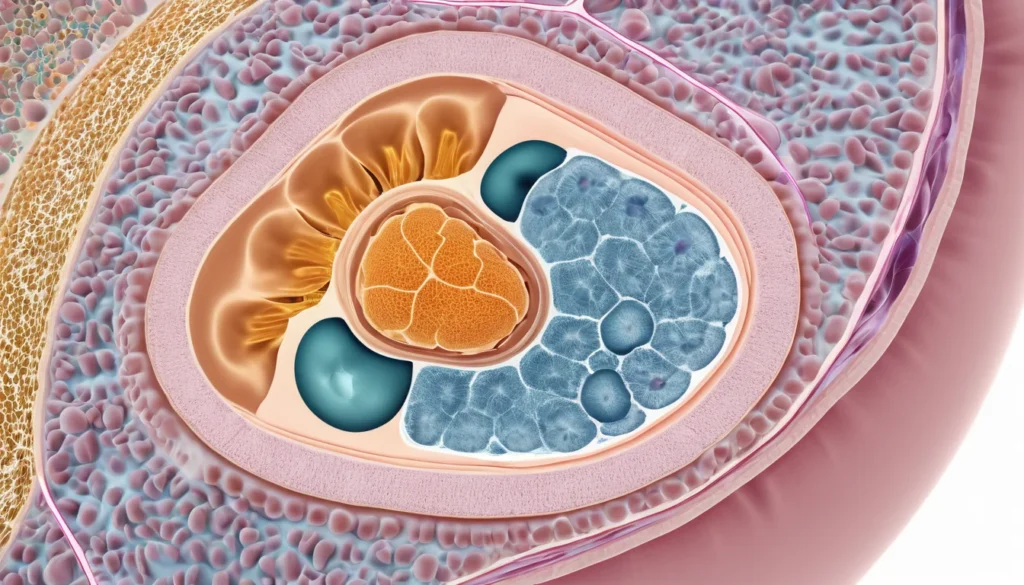
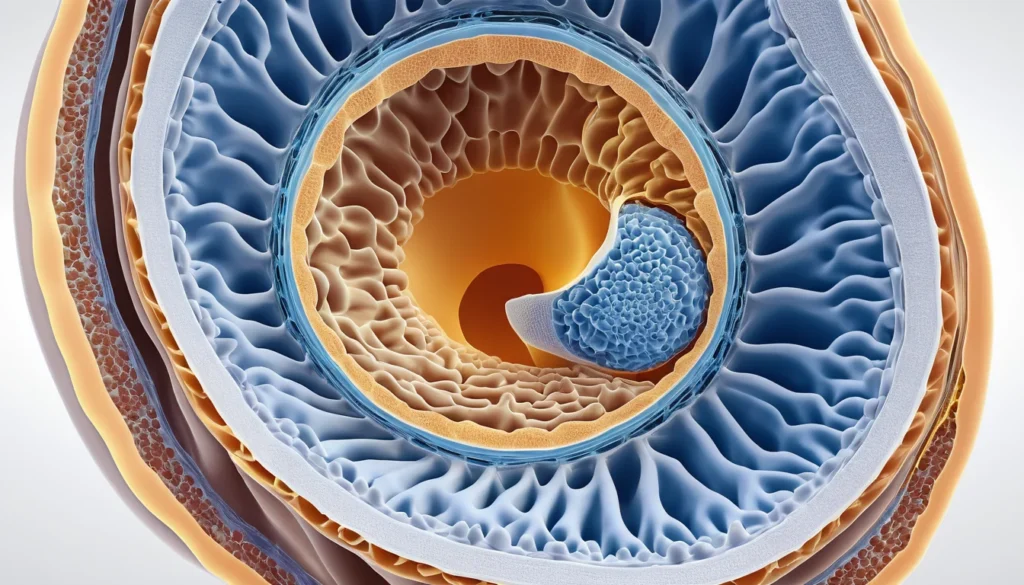
Bladder cancer begins when cells lining the inside of the bladder develop changes in their DNA. These abnormal cells multiply without stopping, forming a tumour. In some cases, more than one tumour can develop at the same time in different areas of the bladder.
Most bladder cancers start in the cells that line the inner surface of the bladder wall. In the early stages, the cancer stays within the bladder. Without treatment, it can spread into the surrounding muscle tissue and eventually to other organs.
Bladder Cancer Risk Factors
Researchers do not fully understand every cause of bladder cancer, but several risk factors are well established. Knowing your risk can help you and your family doctor make informed decisions about your health.
Smoking
Smoking is the single biggest risk factor for bladder cancer. Smokers are about three times more likely to develop it than non-smokers. Research shows that smoking accounts for 50–60% of bladder cancer cases in men and about 25% of cases in women.
If you smoke, quitting is one of the most important things you can do for your overall health. Your family doctor or a walk-in clinic can connect you with smoking cessation programmes available through your provincial health plan.
Other Common Risk Factors
In addition to smoking, several other factors can raise your risk of developing bladder cancer. These include:
Being over the age of 40
Being male — men develop bladder cancer about four times more often than women
Long-term or repeated urinary tract infections, especially in people who use a permanent catheter
Occupational exposure to chemicals in industries such as textiles, rubber, paint, leather, wood, or petroleum
Treatment with the chemotherapy drug cyclophosphamide
Exposure to arsenic in drinking water
A personal or family history of bladder cancer
Previous radiation therapy to the pelvic area for uterine or ovarian cancer
A diet high in nitrates, red meat, and saturated fats
Infection with the parasite Schistosoma haematobium, which causes a disease called schistosomiasis — more common in certain parts of the world
Furthermore, overuse of certain pain-relief medications over a long period has also been linked to a higher risk. Always use medications as directed by your doctor.
Symptoms of Bladder Cancer
Recognising the symptoms of bladder cancer early can make a real difference in treatment outcomes. However, many of these symptoms can also appear with other, less serious urinary conditions — so a proper diagnosis from a healthcare provider is always essential.
Early Warning Signs
The most common early symptom is blood in the urine, known medically as haematuria. This occurs in 80–90% of bladder cancer cases. The blood may turn the urine pink, orange, or red, and it is usually painless.
Other early symptoms include:
Discomfort or a burning feeling when urinating (called dysuria)
Needing to urinate frequently but only passing small amounts
Frequent urinary tract infections
Symptoms of Advanced Bladder Cancer
As the disease progresses, additional symptoms may develop. These can be signs that the cancer has spread beyond the bladder. They include:
Lower back pain or pain in the side (flank pain)
Swelling in the legs
A noticeable lump or mass in the pelvic area
Unexplained weight loss
Bone pain
Anaemia (low red blood cell count)
Pain in the rectal, anal, or pelvic region
Therefore, if you notice any combination of these symptoms, do not wait. Speak with a healthcare provider as soon as possible.
How Bladder Cancer Is Diagnosed
A proper diagnosis involves several steps. Your doctor will start with a physical exam and a review of your symptoms. Diagnosis of bladder cancer typically involves a combination of the following tests and procedures.
Initial Tests
A urinalysis (urine test) checks for blood and abnormal cells in the urine. This is often one of the first tests ordered when bladder cancer is suspected. Your family doctor can arrange this test through your provincial health plan.
Imaging tests such as ultrasound, CT scan, or intravenous pyelography (an X-ray of the urinary tract using a special dye) can help identify any masses in or around the bladder.
Cystoscopy: The Gold Standard
Cystoscopy is considered the most effective way to diagnose bladder cancer. A thin, flexible tube with a camera is inserted into the bladder through the urethra. This allows the specialist to see the inside of the bladder directly and take a biopsy (tissue sample) if needed.
After treatment, cystoscopy is also used regularly to check for any return of the cancer. Newer methods such as urine cytology testing and tumour marker tests (such as BTA and NMP22) are also being used in some centres to monitor for recurrence.
Staging and Grading
Once bladder cancer is confirmed, your oncologist will determine its stage and grade. The stage refers to how far the cancer has spread — from the bladder wall to nearby lymph nodes, the pelvis, or distant organs like the lungs, liver, or bones. The grade describes how different the cancer cells look compared to normal cells.
Staging is a critical step. It guides the treatment plan and helps determine the likely outcome. For more detail on how cancer staging works, see this overview from the Mayo Clinic’s bladder cancer diagnosis and treatment guide.
Bladder Cancer Treatment Options
Treatment for bladder cancer depends on the stage and grade of the tumour, as well as your overall health. Your care team will typically include a urologist, a medical oncologist, and possibly a radiation oncologist.
Common treatment options include surgery to remove the tumour or the entire bladder, intravesical therapy (medication delivered directly into the bladder), chemotherapy, radiation therapy, or a combination of these. Your provincial cancer care programme will coordinate your treatment and follow-up care.
As a result of advances in early detection and treatment, many people diagnosed at an early stage go on to live full, healthy lives. Regular follow-up is essential to catch any recurrence quickly. The World Health Organization’s cancer fact sheet provides helpful global context on cancer care and early detection.
When to See a Doctor
You should see a doctor promptly if you notice blood in your urine — even if it happens just once and goes away on its own. This is not something to wait and see about. Book an appointment with your family doctor or visit a walk-in clinic as soon as you can.
In addition, seek medical attention if you experience any of the following:
Pain or burning when you urinate
Needing to urinate very often but only passing small amounts
Persistent lower back or side pain
Frequent urinary tract infections that do not clear up
If you have already been diagnosed with bladder cancer, follow your specialist’s instructions closely. Report any new symptoms or changes in your condition right away. Do not delay care — early action leads to better outcomes. Always consult your doctor before making any decisions about your health or treatment.
Frequently Asked Questions About Bladder Cancer
What is the most common early sign of bladder cancer?
The most common early sign of bladder cancer is blood in the urine, also called haematuria. It appears in up to 90% of cases and is usually painless. If you notice your urine looks pink, red, or dark orange, see your family doctor or visit a walk-in clinic right away.
Is bladder cancer curable if caught early?
Yes — when bladder cancer is caught in the early stages, treatment outcomes are generally very good. More than 80% of cases are diagnosed early, and many patients go on to live normal lives after treatment. Regular follow-up care is important to catch any recurrence quickly.
Does smoking really cause bladder cancer?
Yes, smoking is the leading risk factor for bladder cancer. Smokers are about three times more likely to develop the disease than non-smokers. Quitting smoking significantly lowers your risk — talk to your family doctor about cessation programmes covered under your provincial health plan.
Who is most at risk for bladder cancer in Canada?
Men over the age of 40 who smoke are at the highest risk of developing bladder cancer. People who work in industries involving chemicals, rubber, paint, or textiles also face a higher risk. A family history of the disease or previous pelvic radiation therapy are additional risk factors to discuss with your doctor.
How is bladder cancer diagnosed in Canada?
In Canada, bladder cancer is typically diagnosed through a combination of urine tests, imaging (such as ultrasound or CT scan), and cystoscopy. Cystoscopy — where a small camera is passed into the bladder — is the most accurate diagnostic tool. Your family doctor can refer you to a urologist through your provincial health system.
Can bladder cancer come back after treatment?
Yes, bladder cancer has a relatively high rate of recurrence, which is why regular follow-up cystoscopy exams are so important after treatment. Your care team will set up a monitoring schedule to catch any return of the cancer as early as possible. Staying consistent with your follow-up appointments is one of the best things you can do.
Key Takeaways
Bladder cancer occurs when abnormal cells grow uncontrollably in the bladder, which stores urine.
Blood in the urine is the most common early warning sign — never ignore it.
Smoking is the number one risk factor, responsible for the majority of cases.
Other risk factors include age, sex, chemical exposure at work, and a personal or family history of the disease.
Cystoscopy is the most effective way to diagnose bladder cancer and monitor for recurrence.
Treatment depends on the stage and grade of the cancer and may include surgery, chemotherapy, or radiation.
Most cases are caught early — and early treatment leads to much better outcomes.
If you have any concerns about your urinary health, speak with your family doctor or visit a walk-in clinic. Always consult a healthcare professional before making any health decisions.