Bladder cancer is a disease where abnormal cells grow in the tissue of the bladder. It is one of the more common cancers diagnosed in Canada, and understanding its stages, symptoms, and risk factors can make a real difference in outcomes. This article explains what bladder cancer is, how it is staged, what warning signs to watch for, and how Canadian healthcare can help you get the right care.
What Is Bladder Cancer?
The bladder is a hollow, balloon-shaped organ in the lower abdomen. Its muscular walls expand when it stores urine and contract when urine leaves the body through a tube called the urethra.
Urine is produced when the kidneys filter the blood. It travels from the kidneys to the bladder through two tubes called ureters. The bladder holds the urine until you are ready to empty it.
Bladder cancer develops when cells in the bladder wall start to grow out of control. There are three main types of bladder cancer, each named after the kind of cell it starts in.
Types of Bladder Cancer
Transitional cell carcinoma: This is the most common type. It starts in the inner lining of the bladder. These cells normally stretch and shrink as the bladder fills and empties.
Squamous cell carcinoma: This type starts in thin, flat cells that can form in the bladder wall after long-term irritation or infection.
Adenocarcinoma: This rarer type starts in gland-like cells that produce fluids such as mucus.
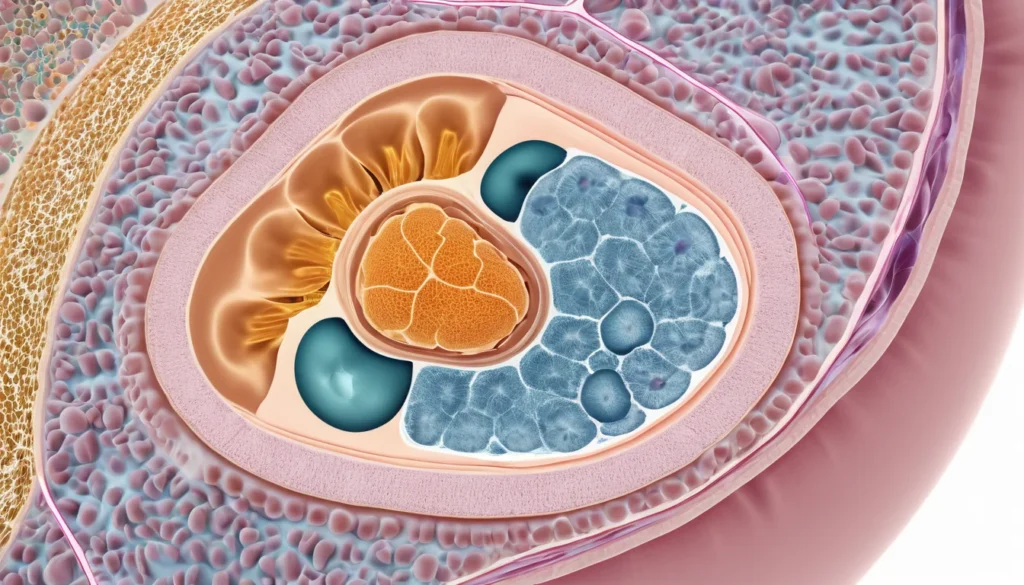
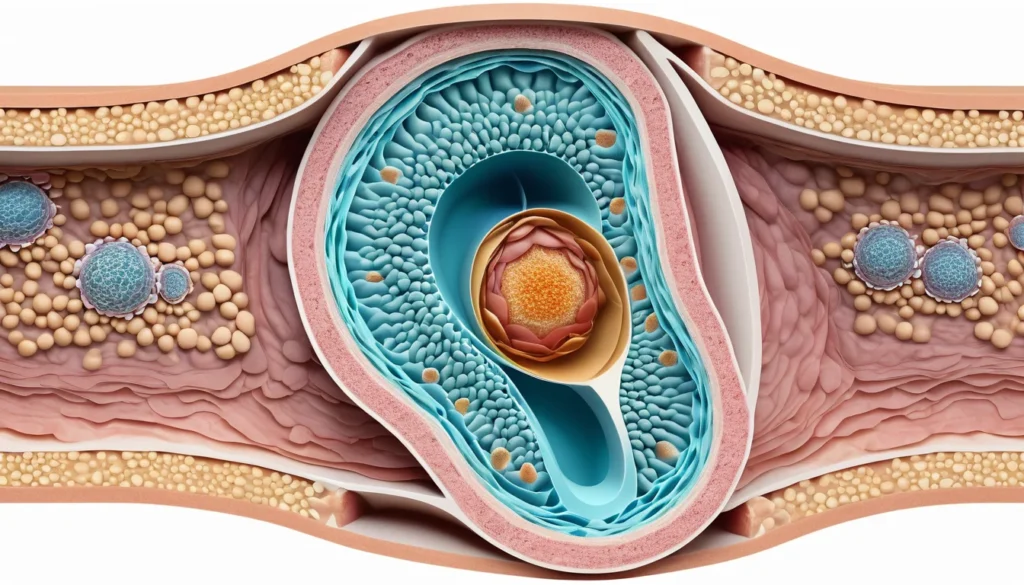
Bladder cancer can also be described as superficial (limited to the inner wall of the bladder) or invasive (grown into the muscle layer or spread to nearby organs and lymph nodes). This distinction is very important when doctors decide on treatment.
Bladder Cancer Risk Factors
Certain factors can increase your chance of developing bladder cancer. Knowing these risk factors helps you and your family doctor make informed decisions about your health.
According to Health Canada, lifestyle and environmental exposures play a significant role in many cancers, including bladder cancer.
The main risk factors for bladder cancer include:
Smoking: Tobacco use is the single biggest risk factor. Harmful chemicals in cigarette smoke are filtered by the kidneys and stored in the bladder, where they can damage cells.
Workplace chemical exposure: People who work with rubber, certain dyes, textiles, paint, or hair salon products may face a higher risk due to regular contact with industrial chemicals.
Diet: A diet high in fried meats and animal fats has been linked to increased bladder cancer risk.
Age and sex: Bladder cancer is more common in older adults and more frequently diagnosed in men than women.
Chronic infections: Certain parasitic infections can irritate the bladder lining over time and raise cancer risk.
However, having one or more risk factors does not mean you will develop bladder cancer. Many people with risk factors never get it, and some people who do get it have no known risk factors at all.
Symptoms of Bladder Cancer
Bladder cancer does not always cause obvious symptoms in its early stages. However, there are warning signs that should prompt a visit to your family doctor or a walk-in clinic.
The most common symptom is blood in the urine, a condition called haematuria. The urine may look faintly rusty, pink, or bright red. Sometimes, the blood is not visible to the naked eye and is only found during a routine urine test.
Other symptoms of bladder cancer can include:
Needing to urinate more often than usual
A sudden, urgent need to urinate but being unable to go
Pain or a burning sensation when urinating
Lower back pain or pain in the pelvic area
In addition, these symptoms can also be caused by other conditions, such as a urinary tract infection (UTI) or kidney stones. Therefore, it is important not to self-diagnose. A healthcare provider can run the right tests to find the cause.
When to See a Doctor
You should contact your family doctor or visit a walk-in clinic right away if you notice any of the following:
Blood in your urine, even if it appears only once
Frequent urination or a strong urge to go that comes on suddenly
Pain during urination
Unexplained lower back pain
These symptoms do not always mean cancer. However, they should always be checked by a medical professional. Early detection gives the best chance of successful treatment.
Most provincial health plans across Canada cover visits to a family doctor and many diagnostic tests. If you do not have a family doctor, a walk-in clinic is a good first step. Your province’s health authority website can also help you find local resources and referral services.
How Is Bladder Cancer Diagnosed?
Diagnosing bladder cancer involves several tests. Your doctor will likely start with a physical examination and basic urine tests, then move on to more detailed imaging or procedures if needed.
As the Mayo Clinic explains, a combination of tests is usually needed to confirm a bladder cancer diagnosis.
Common Diagnostic Tests
Urinalysis (urine test): This basic test checks the colour and content of urine. It can detect blood, protein, glucose, or signs of infection.
Urine cytology: A lab specialist examines urine under a microscope to look for abnormal or cancerous cells.
CT scan (computed tomography): This imaging test takes detailed pictures of the inside of the body from many angles. A contrast dye may be injected or swallowed to make organs easier to see. It is sometimes called a CAT scan.
Intravenous pyelogram (IVP): A contrast dye is injected into a vein, and X-rays track it through the kidneys, ureters, and bladder. This helps detect blockages or tumours along the urinary tract.
Internal examination: A doctor may gently examine the vagina or rectum by hand to feel for any abnormal lumps near the bladder.
Cystoscopy: A thin, lighted tube called a cystoscope is passed through the urethra into the bladder. This allows the doctor to look directly at the bladder’s inner lining and find any unusual areas.
Biopsy: During a cystoscopy, the doctor may remove a small piece of tissue for examination under a microscope. A pathologist then checks the tissue for cancer cells. In some cases, a small tumour may be fully removed during this procedure.
Furthermore, your doctor may order additional imaging tests if there is concern that the cancer has spread beyond the bladder.
Bladder Cancer Staging
Once bladder cancer is confirmed, the next step is staging. Staging describes how far the cancer has spread. It helps your medical team choose the best treatment plan and understand your prognosis (chance of recovery).
Bladder cancer staging is based on three key factors:
Whether the cancer is superficial or has grown into the muscle wall
Whether it has reached nearby organs or lymph nodes
Whether it has spread to distant parts of the body
Doctors use a system called TNM staging — T for tumour size and depth, N for lymph node involvement, and M for metastasis (spread to other organs). Your oncologist will explain which stage applies to your situation.
Bladder Cancer Stages at a Glance
Stage 0: Abnormal cells are found only on the inner surface of the bladder. This is the earliest and most treatable stage.
Stage I: Cancer has grown into the connective tissue layer just beneath the inner lining but has not reached the muscle.
Stage II: Cancer has spread into the muscle wall of the bladder.
Stage III: Cancer has grown through the bladder wall and may have reached nearby organs or fatty tissue.
Stage IV: Cancer has spread to the pelvic or abdominal wall, lymph nodes, or distant organs such as the lungs or liver.
As a result of staging, doctors can tailor treatment to each patient’s specific situation. Bladder cancer caught at an early stage — especially Stage 0 or Stage I — often has a very positive outlook.
Factors That Affect Prognosis and Treatment
Several factors influence the prognosis for bladder cancer and the treatment options available. Your healthcare team will consider all of these together.
Stage of the cancer: Early-stage, superficial bladder cancer is often curable. Advanced cancer that has spread is harder to treat but still manageable with modern therapies.
Cell type: The type of cell the cancer started in, and how abnormal those cells look under a microscope, affects how aggressive the cancer is likely to be.
Overall health: Your age and general health play a role in which treatments you can safely receive.
For more information on cancer staging and treatment options, you can visit the World Health Organization’s cancer fact sheet.
Treatment options for bladder cancer may include surgery, radiation therapy, chemotherapy, immunotherapy, or a combination of these. Your oncologist and family doctor will work together to guide you through your options under your provincial health plan.
Always speak with a qualified healthcare provider before making any decisions about your health. This article is for informational purposes only and does not replace professional medical advice.
Frequently Asked Questions About Bladder Cancer
What are the early signs of bladder cancer?
The most common early sign of bladder cancer is blood in the urine, which may appear pink, rusty, or bright red. Other early signs include needing to urinate more often, feeling a sudden urge to go, or experiencing mild discomfort during urination. If you notice any of these symptoms, see your family doctor or visit a walk-in clinic promptly.
Is bladder cancer curable if caught early?
Yes, bladder cancer diagnosed at an early stage — particularly Stage 0 or Stage I — is often highly treatable and can be cured. The cancer is still limited to the inner lining of the bladder at these stages, which makes it much easier to remove. Early detection through regular medical check-ups significantly improves outcomes.
What is the most common cause of bladder cancer?
Smoking is the leading cause of bladder cancer. Harmful chemicals in tobacco smoke are absorbed into the bloodstream, filtered by the kidneys, and concentrated in the urine stored in the bladder, where they can damage the bladder’s inner cells over time. Workplace exposure to industrial chemicals is the second most common cause.
How is bladder cancer diagnosed in Canada?
In Canada, bladder cancer is typically diagnosed through a combination of urine tests, imaging such as a CT scan or IVP, and a procedure called cystoscopy, where a doctor looks directly inside the bladder. A biopsy is then used to confirm whether the cells are cancerous. Most of these diagnostic tests are covered under provincial health plans when referred by a family doctor.
What are the stages of bladder cancer?
Bladder cancer is staged from Stage 0 to Stage IV. Stage 0 means the cancer is confined to the innermost lining of the bladder, while Stage IV means it has spread to distant organs or lymph nodes far from the bladder. Understanding the stage of bladder cancer is essential for choosing the right treatment plan.
Can bladder cancer spread to other parts of the body?
Yes, bladder cancer can spread beyond the bladder if it is not caught and treated in time. In later stages, it may invade the muscle wall of the bladder, nearby organs, lymph nodes, or even distant organs like the lungs or liver. This is why early diagnosis and staging of bladder cancer are so important for effective treatment.
Key Takeaways
Bladder cancer develops when abnormal cells grow in the bladder’s tissue, most often starting in the inner lining.
The three main types are transitional cell carcinoma, squamous cell carcinoma, and adenocarcinoma.
Smoking is the number one risk factor. Workplace chemical exposure and diet also play a role.
Blood in the urine is the most common warning sign. Other signs include painful or frequent urination and lower back pain.
Diagnosis involves urine tests, CT scans, cystoscopy, and biopsy.
Staging (from Stage 0 to Stage IV) helps doctors choose the right treatment and understand the chance of recovery.
Early-stage bladder cancer is often curable. Regular check-ups and prompt attention to symptoms are key.
Talk to your family doctor or visit a walk-in clinic if you have any concerns. Most diagnostic tests are covered under your provincial health plan.