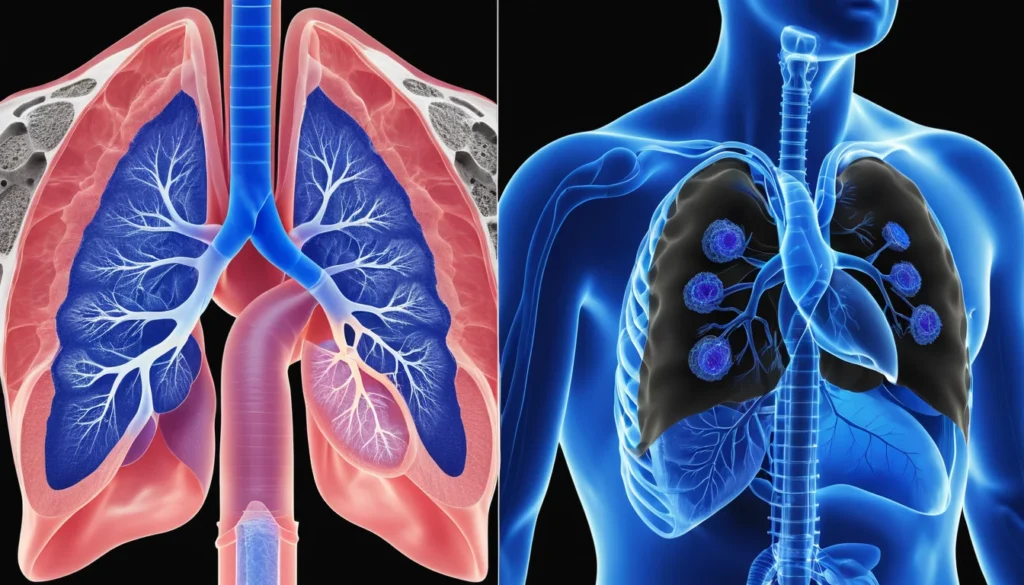
Black lung disease, also known as coal workers’ pneumoconiosis (CWP) or anthracosis, is a serious lung condition caused by breathing in coal dust over time. It affects miners and other workers who handle coal regularly. In Canada, occupational lung diseases like this one are covered under provincial workers’ compensation programmes, making it important for workers to understand their rights and health risks. This article explains what black lung disease is, who is at risk, and what you can do about it.
What Is Black Lung Disease?
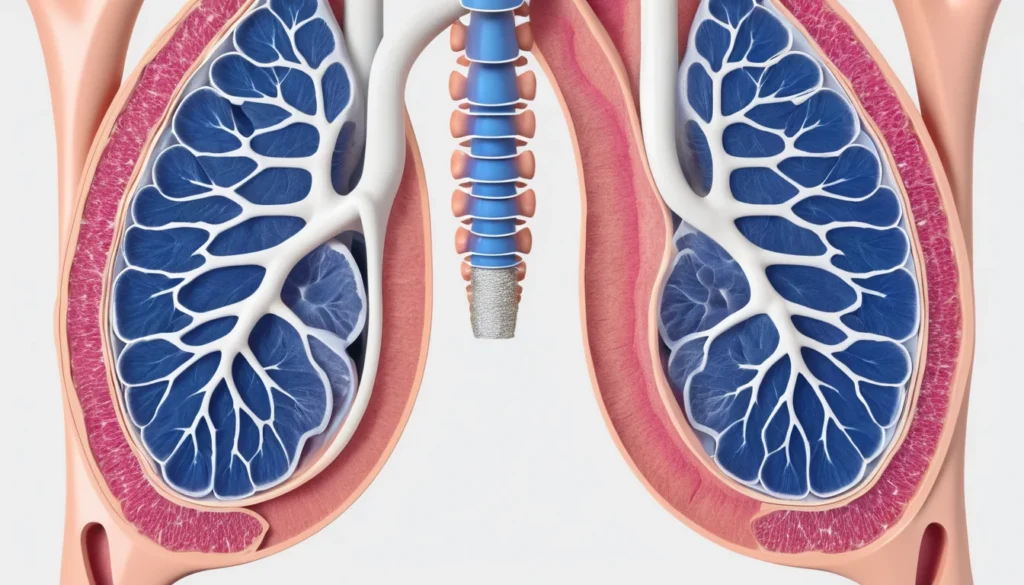
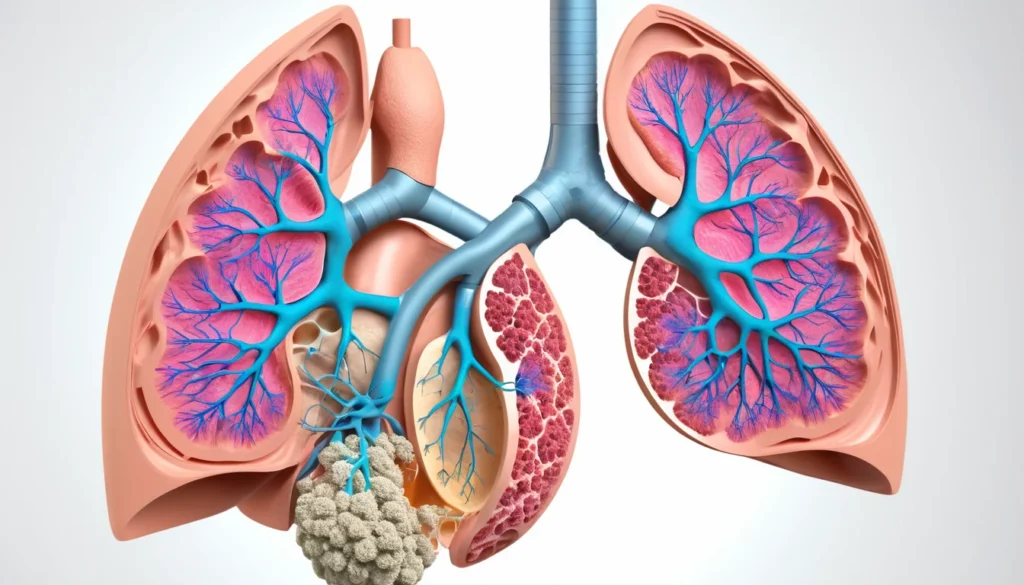
Black lung disease gets its name from what happens inside the lungs. When coal dust builds up in the lung tissue, it turns the lungs from their normal pink colour to a dark black. This is a defining feature of the condition.
Black lung disease belongs to a group of conditions called pneumoconioses. These are lung diseases caused by inhaling dust particles over long periods. The dust collects in the lungs and causes damage that cannot always be reversed.
There are two main forms of black lung disease:
Simple coal workers’ pneumoconiosis (anthracosis): This is the early stage. Symptoms may be mild or even absent. If coal dust exposure stops early enough, this form may not progress further.
Progressive massive fibrosis (PMF): This is the more serious, complicated form. The lung tissue develops permanent scar tissue, causing irreversible breathing problems. Once PMF develops, the damage cannot be undone.
Understanding the difference between these two stages is important. Early detection gives workers the best chance of preventing the disease from getting worse. For more information, visit Health Canada’s official health resources.
What Causes Black Lung Disease?
The main cause of black lung disease is long-term exposure to coal dust in the workplace. When fine coal particles are breathed in, the lungs cannot clear them all. Over time, the dust builds up and triggers inflammation and scarring.
Workers most at risk include:
Underground and surface coal miners
Workers who load, transport, or store coal
Graphite miners and processing workers
Carbon black industry workers (those who make products like rubber tires)
In Canada, coal mining activity has historically been concentrated in provinces like Alberta, British Columbia, and Nova Scotia. However, any worker exposed to coal dust over many years faces a real risk, regardless of their province.
It is also worth noting that smoking does not cause black lung disease directly. However, smoking alongside coal dust exposure causes serious additional lung damage. It significantly raises the risk of developing chronic obstructive pulmonary disease (COPD), which makes breathing even harder.
Recognising the Symptoms of Black Lung Disease
One of the challenges with black lung disease is that early stages often produce no noticeable symptoms. Workers may feel perfectly healthy while lung damage is slowly building up. This makes regular check-ups especially important for those in high-risk jobs.
Symptoms in the Simple (Early) Stage
In the early stage, many people have no symptoms at all. Some may notice a mild cough or slight shortness of breath. However, these symptoms are often mistaken for a common cold, bronchitis, or the effects of smoking.
Because symptoms can be so subtle, workers in coal-related industries should not wait for breathing problems before seeking medical advice. Early screening can catch changes in the lungs before serious damage occurs.
Symptoms of Progressive Massive Fibrosis
As the disease advances into progressive massive fibrosis, symptoms become much more noticeable. Common symptoms at this stage include:
Persistent cough, sometimes with mucus
Shortness of breath, especially during physical activity
A feeling of tightness or pressure in the chest
Fatigue and reduced ability to exercise
In advanced cases, black lung disease can lead to a condition called cor pulmonale. This is when the right side of the heart becomes strained because the damaged lungs make it harder for blood to flow through them properly.
Signs of Advanced Complications
Cor pulmonale causes additional symptoms, including swelling in the legs and ankles, fluid buildup in the abdomen, and worsening breathlessness. These are signs of serious heart and lung stress that need immediate medical attention.
Furthermore, people with black lung disease have a higher risk of developing tuberculosis (TB). If you experience a persistent cough, fever, and unusual tiredness, you should speak with your family doctor as soon as possible. According to the World Health Organization’s tuberculosis fact sheet, TB remains a significant global concern, particularly for those with existing lung conditions.
How Is Black Lung Disease Diagnosed?
Diagnosing black lung disease requires a combination of medical history, imaging, and lung function testing. Your doctor will ask detailed questions about your work history, including any past or current exposure to coal dust. Even seasonal, temporary, or student jobs in coal-related industries are relevant.
Chest X-Ray and Imaging
A chest X-ray is usually the first tool doctors use to look for signs of black lung disease. It can reveal small rounded shadows in the lungs that indicate coal dust deposits. In more advanced cases, larger areas of scarring may be visible.
In some cases, a CT scan may be ordered to get a more detailed picture of the lung tissue. This helps doctors assess whether progressive massive fibrosis has begun to develop.
Lung Function Tests
Lung function tests, also called spirometry, measure how well your lungs move air in and out. These tests help doctors understand the impact the disease is having on your breathing. Results can guide treatment decisions and track changes over time.
In Canada, occupational lung disease is often reportable to provincial public health departments. Your employer may also be legally required to keep records of workplace dust exposure. If you believe your lung problems are related to your job, your provincial workers’ compensation board can provide guidance on your rights.
How Black Lung Disease Develops Inside the Lungs
Understanding how this disease works helps explain why early action matters. When coal dust particles enter the lungs, the body’s immune cells called macrophages try to engulf and remove them. However, coal dust particles are too numerous and too stubborn to be fully cleared.
Over time, these dust-filled macrophages cluster together and form what are called coal macules — small dark spots in the lung tissue. As the condition progresses, these macules grow into larger coal nodules.
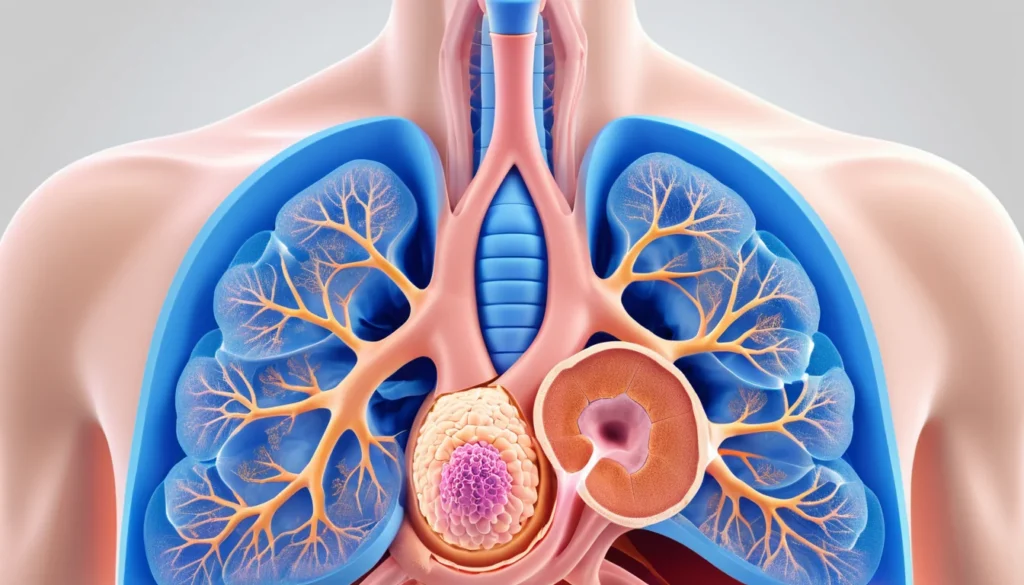
Nodules larger than one to two centimetres are a strong indicator of progressive massive fibrosis. As these nodules grow, they can block airways and restrict airflow through the lungs. This is what leads to the breathlessness and reduced lung function that characterises advanced black lung disease.
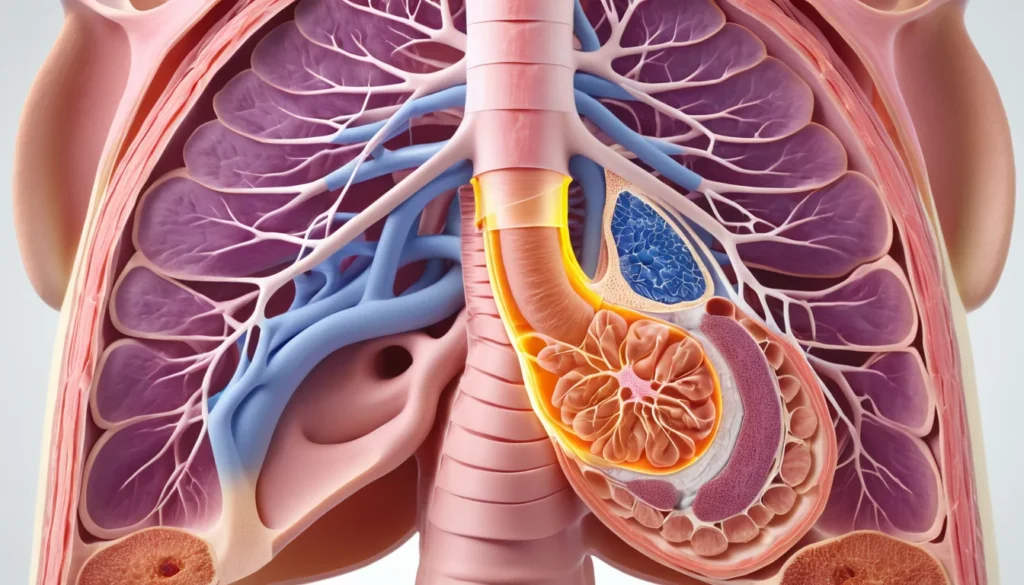
In addition, the surrounding lung tissue becomes increasingly scarred and stiff. Unlike healthy, elastic lung tissue, scar tissue cannot expand and contract properly. As a result, every breath becomes harder work for the body.
Treatment Options for Black Lung Disease
There is currently no cure for black lung disease. Treatment focuses on managing symptoms, slowing progression, and treating complications. The most important first step is removing yourself from further coal dust exposure.
Managing Simple Pneumoconiosis
Simple coal workers’ pneumoconiosis does not require specific medical treatment. However, stopping exposure to coal dust is essential to prevent the disease from advancing. If you smoke, quitting is strongly recommended — it will not reverse lung damage, but it will help prevent additional harm.
Your family doctor can refer you to a smoking cessation programme. Many provinces offer free or subsidised stop-smoking support through provincial health plans. Ask your doctor or visit a walk-in clinic to find out what is available in your area.
Treating Complications
When complications such as cor pulmonale or tuberculosis develop, more active treatment is needed. These may include:
Supplemental oxygen therapy: Helps ease breathlessness and support heart function.
Salt restriction and diuretics: Help reduce fluid retention and swelling associated with cor pulmonale.
Medications: Used to manage heart strain and other symptoms as directed by a specialist.
Tuberculosis treatment: A full course of antibiotics prescribed by a physician if TB infection is confirmed.
Pulmonary rehabilitation: A supervised programme of exercise and breathing techniques to improve quality of life.
For further reading on lung disease management, the Mayo Clinic’s overview of coal workers’ pneumoconiosis provides additional medical detail on this condition.
When to See a Doctor
If you work or have worked in coal mining, coal handling, or a related industry, do not wait for symptoms before speaking to a doctor. Early screening can detect lung changes before serious damage takes hold.
See your family doctor if you notice any of the following:
A cough that has lasted more than three weeks
Shortness of breath during everyday activities
Chest tightness or pressure
Swelling in your legs or ankles
Unexplained fatigue, fever, or weight loss
If you do not have a family doctor, a walk-in clinic can assess your symptoms and refer you for further testing if needed. Many provinces also have occupational health clinics that specialise in work-related lung conditions. Your provincial health plan may cover diagnostic tests such as chest X-rays and spirometry.
Always speak with a qualified healthcare provider before making any changes to your health management. This article is for informational purposes only and is not a substitute for professional medical advice.
Frequently Asked Questions About Black Lung Disease
Can black lung disease be cured?
There is currently no cure for black lung disease. Treatment focuses on managing symptoms and preventing the condition from getting worse. Removing yourself from coal dust exposure as early as possible gives the best chance of slowing progression.
Is black lung disease only found in coal miners?
Black lung disease is most common in coal miners, but it can also affect workers in graphite mining and carbon black manufacturing. Anyone with long-term exposure to coal dust in their workplace may be at risk. If you have worked in these industries, speak with your family doctor about lung screening.
How long does it take for black lung disease to develop?
Black lung disease typically develops after many years of repeated coal dust exposure, often ten years or more. However, heavy exposure over a shorter period can also cause damage. Regular workplace health monitoring is important for at-risk workers.
Does smoking cause black lung disease?
Smoking does not directly cause black lung disease, but it does cause serious additional lung damage in people who are also exposed to coal dust. Smoking significantly increases the risk of developing COPD alongside black lung disease. Quitting smoking is one of the most important steps a worker with this condition can take.
Is black lung disease covered by provincial workers’ compensation in Canada?
Yes, in Canada, occupational lung diseases including black lung disease are generally covered under provincial workers’ compensation programmes. Each province has its own workers’ compensation board that handles claims for work-related illnesses. Contact your provincial board or a labour rights organisation for guidance specific to your situation.
What is the difference between simple pneumoconiosis and progressive massive fibrosis?
Simple coal workers’ pneumoconiosis is the early stage of black lung disease and may cause few or no symptoms. Progressive massive fibrosis is the advanced, complicated stage where permanent scar tissue forms in the lungs and breathing becomes significantly impaired. Early detection through regular check-ups is key to preventing the disease from reaching the advanced stage.
Key Takeaways
Black lung disease is caused by long-term inhalation of coal dust and is an occupational health risk for miners and related workers.
There are two stages: simple coal workers’ pneumoconiosis (early and potentially stoppable) and progressive massive fibrosis (advanced and irreversible).
Early symptoms can be absent or very mild, making regular medical screening essential for at-risk workers.
Complications can include cor pulmonale (heart strain) and increased risk of tuberculosis.
There is no cure, but stopping exposure, quitting smoking, and treating complications can improve quality of life.
In Canada, this disease may be covered under your provincial workers’ compensation programme — check with your provincial board.
If you are concerned about your lung health, speak with your family doctor or visit a walk-in clinic for assessment and referral.