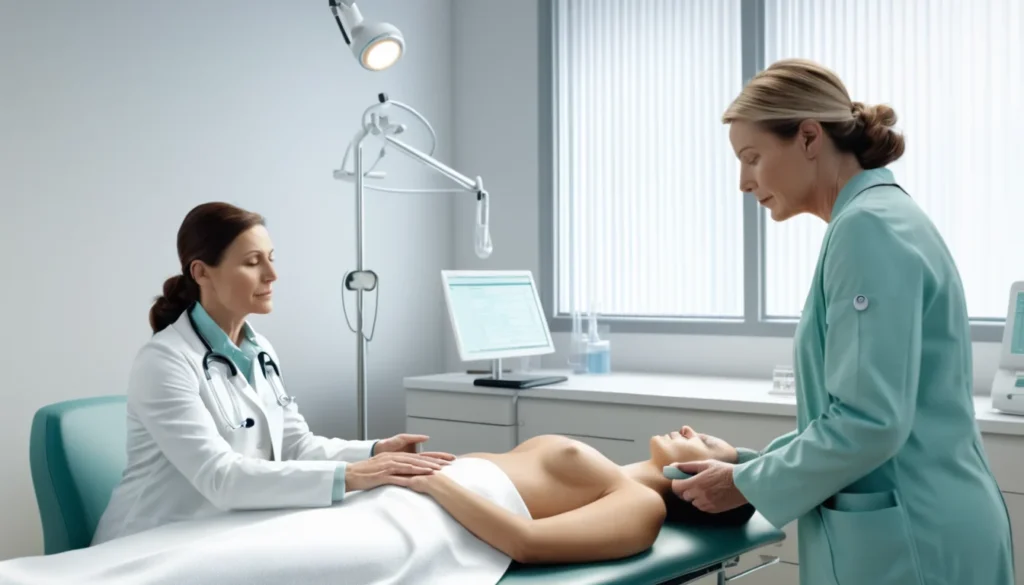
A biopsy is a medical procedure where a small sample of tissue or cells is removed from your body and examined under a microscope. Doctors use biopsies to diagnose many conditions, including cancer, infections, and inflammatory diseases. If your doctor has recommended a biopsy, it is natural to have questions. This article explains what a biopsy is, why it is done, how it works, and what you can expect before, during, and after the procedure.
What Is a Biopsy?
A biopsy involves taking a small piece of tissue from your body. A specialist then studies that tissue in a laboratory. This gives doctors a clear, accurate picture of what is happening inside your body at a cellular level.
Unlike a blood test or an X-ray, a biopsy provides certainty. It does not just suggest a diagnosis — it confirms one. For example, if a doctor suspects cancer, a biopsy can confirm whether cancer cells are present. It can also identify the exact type and how far it has spread into surrounding tissue.
According to Mayo Clinic’s overview of biopsy procedures, biopsies are considered the gold standard for diagnosing many diseases, especially cancer.
Why Would a Doctor Order a Biopsy?
Your doctor may recommend a biopsy for several reasons. Most often, it follows other tests — such as blood work, an ultrasound, or an X-ray — that showed something unusual. A biopsy is the next step to get a definitive answer.
Common Reasons for a Biopsy
To diagnose cancer: A biopsy can confirm whether a lump or abnormal growth contains cancer cells.
To rule out cancer: Sometimes, a known lesion — like a stomach ulcer — needs to be checked for cancerous cells even if it looks benign.
To identify the type of disease: Many diseases have different subtypes. A biopsy identifies exactly which subtype is present, which affects treatment choices.
To check for infection: Biopsies can detect bacterial or fungal infections in tissue that do not show up clearly in other tests.
To monitor disease progress: Multiple biopsies over time can show whether a treatment is working or whether a disease is progressing.
To study immune responses: Some biopsies are analysed for antigens, helping doctors understand autoimmune or inflammatory conditions.
In addition, biopsies are used in genetic analysis and biochemical testing. These advanced tests give doctors even more detail about the nature of a disease.
Types of Biopsy Procedures
There is no single type of biopsy. The method your doctor uses depends on where the tissue is located in your body and how easily it can be accessed. Here are the most common types.
Needle Biopsy
A needle biopsy uses a thin needle to extract tissue or fluid from a lump or organ. This is one of the most common methods. It is often used for breast tissue, the liver, the kidneys, and lymph nodes. In many cases, only local anaesthesia is needed, so you remain awake but feel no pain at the site.
Doctors often guide the needle using imaging technology — such as an ultrasound or CT scan — to make sure they reach the correct spot safely.
Skin Biopsy
A skin biopsy removes a small section of skin. It is commonly used to diagnose skin conditions like melanoma, eczema, or psoriasis. Local anaesthesia is used, and the procedure is quick. It can often be performed at a dermatologist’s office or walk-in clinic.
Surgical Biopsy
A surgical biopsy removes a larger tissue sample. It is used when the target area is deep inside the body and cannot be reached with a needle. This type requires general anaesthesia and is performed in a hospital or surgical centre. Recovery time is longer compared to other methods.
Endoscopic Biopsy
An endoscopic biopsy uses a thin, flexible tube called an endoscope. The tube is inserted into the body — through the mouth, rectum, or a small incision — and a tiny tool collects the tissue sample. This method is frequently used for the digestive tract, including the stomach and colon.
Bone Marrow Biopsy
A bone marrow biopsy involves removing a small amount of bone marrow, usually from the hip bone. Doctors use this method to investigate blood disorders and cancers such as leukaemia or lymphoma. Local anaesthesia is applied, though some discomfort is normal during the procedure.
What to Expect Before, During, and After a Biopsy
Understanding what happens at each stage can help ease your worry. Most biopsies are straightforward outpatient procedures. This means you go home the same day.
Before the Procedure
Your doctor or nurse will give you specific instructions beforehand. You may need to fast for several hours if general anaesthesia is required. Tell your doctor about any medications you take, especially blood thinners. In Canada, your provincial health plan typically covers biopsies that are medically necessary, so check with your family doctor or provincial health authority about what is included in your coverage.
During the Procedure
The experience varies depending on the type of biopsy. With local anaesthesia, you will be awake and should feel pressure but not pain at the site. With general anaesthesia, you will be fully asleep. The procedure itself can take anywhere from a few minutes to over an hour, depending on its complexity.
Imaging tools — such as ultrasound or X-ray guidance — are often used during needle biopsies. This helps the doctor navigate precisely, which improves accuracy and reduces risk.
After the Procedure
Most people experience mild soreness, swelling, or bruising at the biopsy site afterward. This is normal and usually resolves within a few days. If you had general anaesthesia, you will need someone to drive you home and rest for the remainder of the day.
The tissue sample is sent to a pathology laboratory. Results can take anywhere from a few days to two weeks, depending on the type of analysis required. Your doctor will contact you to discuss the findings and next steps.
Biopsy Risks and Safety
A biopsy is generally a safe procedure. However, like any medical intervention, it carries some small risks. It is important to understand these so you can make an informed decision alongside your healthcare provider.
Possible Complications
Bleeding: A needle or incision can occasionally nick a blood vessel, causing bleeding at the site.
Infection: Any time the skin is broken, there is a small risk of bacteria entering the body. Strict sterile technique greatly reduces this risk.
Organ injury: In rare cases, a needle biopsy could graze a nearby organ. Imaging guidance significantly lowers this chance.
Bruising or soreness: Mild discomfort at the biopsy site is common and temporary.
However, these complications are uncommon. The risk is further reduced when the procedure is performed by an experienced healthcare professional using proper imaging guidance and sterile technique. The benefits of an accurate diagnosis almost always outweigh the small risks involved.
For more detail on procedural safety, you can visit Healthline’s guide to biopsy safety and types.
Biopsy Results: What Do They Mean?
Once your tissue sample has been analysed in the lab, your doctor will review the results with you. A pathologist — a specialist who studies tissue and cells — prepares a detailed report. This report describes the structure of the cells, any abnormalities found, and the extent of any disease present.
Biopsy results help determine not just whether a disease is present, but also how serious it is. For example, in cancer diagnoses, the results reveal the grade and stage of the tumour. This directly influences the treatment plan.
Furthermore, biopsy results can distinguish between different varieties of the same disease. Knowing the exact type helps doctors choose the most effective treatment. For instance, some cancer types respond well to radiation, while others require surgery or chemotherapy.
The Health Canada health information portal provides trusted resources on understanding medical test results and navigating the Canadian healthcare system.
When to See a Doctor About a Biopsy
If your doctor has already recommended a biopsy, try not to delay scheduling it. Early diagnosis leads to better outcomes in most conditions, especially cancer.
You should contact your family doctor or visit a walk-in clinic if you notice any of the following:
A new lump or growth anywhere on your body that does not go away after a few weeks
Unexplained weight loss, fatigue, or night sweats
Changes in a mole, including irregular borders, colour changes, or rapid growth
Persistent pain in a specific area without a clear cause
Abnormal results from a blood test, X-ray, or ultrasound
After a biopsy, contact your doctor right away if you experience heavy bleeding at the biopsy site, signs of infection such as redness, warmth, or pus, a high fever, or severe and worsening pain. These may indicate a complication that needs prompt attention.
In Canada, your family doctor is your first point of contact for any concerns. If you do not have a family doctor, a walk-in clinic can assess you and refer you to the appropriate specialist. Most provinces also offer health phone lines — such as Ontario’s Health811 or BC’s 811 HealthLink — where a registered nurse can advise you around the clock.
Always speak with a qualified healthcare provider before making any decisions about your health. This article provides general information only and is not a substitute for professional medical advice.
Frequently Asked Questions About Biopsy
Is a biopsy painful?
Most biopsy procedures are not very painful because anaesthesia is used to numb the area beforehand. With a needle biopsy under local anaesthesia, you may feel some pressure or mild discomfort, but not sharp pain. After the procedure, the site may be sore for a few days, which is normal and manageable with over-the-counter pain relief.
How long does it take to get biopsy results in Canada?
Biopsy results in Canada typically take anywhere from three days to two weeks, depending on the type of tissue and the tests required. Your doctor or specialist will contact you once the pathology report is ready to discuss the findings. If you have not heard back within the expected timeframe, it is fine to follow up with your doctor’s office.
Does a biopsy always mean cancer?
No — a biopsy does not always mean cancer. Doctors order biopsies to investigate a wide range of conditions, including infections, autoimmune diseases, and inflammatory disorders. A biopsy is simply the most reliable way to determine exactly what is causing an abnormality, and many results come back benign.
Is a biopsy covered by provincial health insurance in Canada?
In most cases, a medically necessary biopsy is covered under your provincial or territorial health plan. Coverage details vary by province, so it is a good idea to confirm with your family doctor or provincial health authority beforehand. Cosmetic or elective procedures may not be covered.
How should I prepare for a biopsy?
Preparation depends on the type of biopsy you are having. Your doctor will give you specific instructions, which may include fasting beforehand or temporarily stopping certain medications like blood thinners. It is important to follow these instructions carefully to ensure the procedure goes smoothly and safely.
Can a biopsy spread cancer?
The concern that a biopsy can spread cancer is a common worry, but current medical evidence does not support this. When performed by trained professionals using proper technique, a biopsy is considered safe and does not cause cancer to spread. The benefit of accurate diagnosis far outweighs this theoretical risk.
Key Takeaways
A biopsy removes a small tissue sample for laboratory examination to reach a definitive diagnosis.
Doctors order biopsies to diagnose cancer, infections, inflammatory conditions, and other diseases.
There are several types of biopsies — including needle, skin, surgical, endoscopic, and bone marrow — and the method depends on the location of the tissue.
Biopsies are generally safe. Risks such as bleeding, infection, or organ injury are rare and reduced by skilled technique and imaging guidance.
Results typically take several days to two weeks and are reviewed with your doctor to plan next steps.
In Canada, medically necessary biopsies are generally covered by your provincial health plan.
If you notice any unexplained lumps, changes in your skin, or receive abnormal test results, speak to your family doctor or visit a walk-in clinic promptly.
Always consult a qualified healthcare professional for personal medical advice.