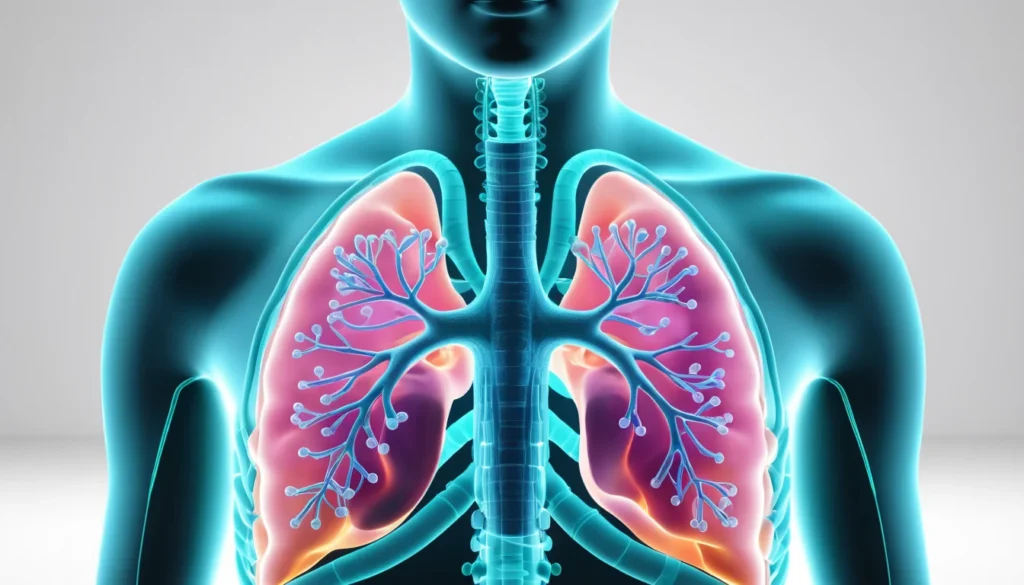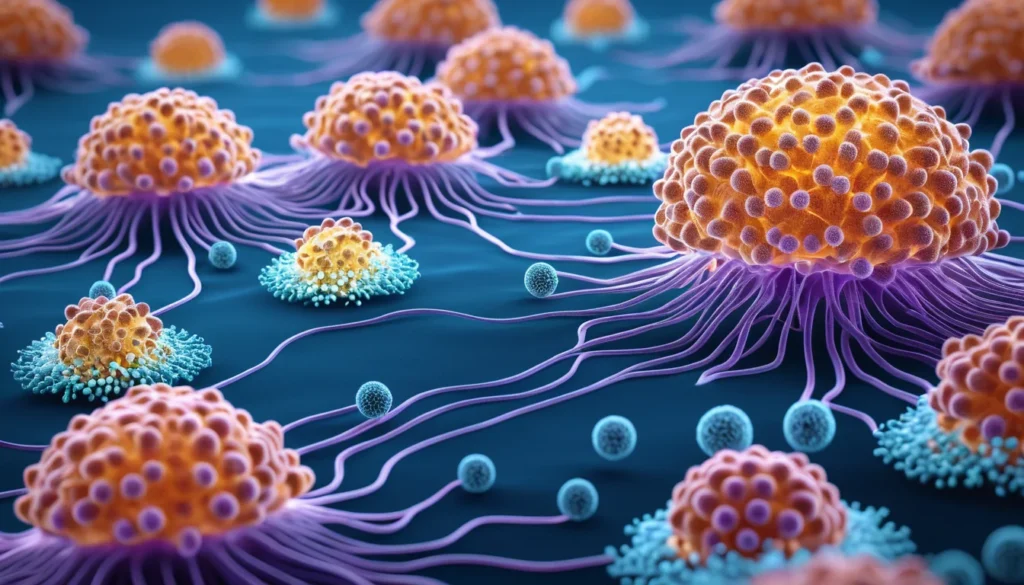
Biological therapy is a type of cancer treatment that works with your own immune system to fight the disease. Instead of attacking cancer cells directly with chemicals or radiation, it uses substances — either made by your body or created in a lab — to boost or restore your natural defences. This approach is also called biotherapy or immunotherapy, and it is changing the way doctors treat many types of cancer in Canada and around the world.
What Is Biological Therapy?
Your immune system is your body’s built-in defence network. It identifies and destroys harmful invaders like bacteria, viruses, and abnormal cells. However, cancer cells are tricky. They can hide from the immune system or even shut it down.
Biological therapy steps in to change that. It either re-activates the immune system, strengthens it, or gives it new tools to recognize and destroy cancer cells. In addition, some forms of biological therapy can slow the growth of cancer or stop it from spreading.
This treatment is different from traditional chemotherapy. Chemotherapy uses powerful drugs to kill fast-growing cells, including healthy ones. Biological therapy is more targeted. It works with your body rather than against it.
How Biological Therapy Works Against Cancer
Biological therapy uses a range of biological substances to interact with the immune system. These substances can come from living organisms, or scientists can produce them in a laboratory setting. Either way, they play an important role in directing your immune system to act more effectively.
There are several ways biological therapy can work. For example, it may:
Help the immune system recognize cancer cells as threats
Boost the overall strength of the immune system
Train immune cells to target specific cancer cells
Block signals that help cancer cells grow and spread
Restore immune functions that cancer has shut down
Therefore, the result is a more precise attack on cancer — one that often causes fewer side effects than conventional treatments. Many Canadian cancer specialists now use biological therapy alongside other treatments for better outcomes.
The Role of the Immune System
Your immune system includes white blood cells, antibodies, and organs like the spleen and lymph nodes. Together, these components patrol your body and remove threats. When cancer develops, these defences can become overwhelmed or fooled.
Biological therapy helps restore the balance. It can either amplify the immune response or deliver targeted agents directly to cancer cells. As a result, the body gets the reinforcements it needs to fight back more effectively.
Types of Biological Therapy
There are several main types of biological therapy used in cancer treatment today. Each one works in a slightly different way, but all of them interact with the immune system in some manner.
Immunotherapy
Immunotherapy is one of the most well-known forms of biological therapy. It includes treatments like checkpoint inhibitors, which remove the “brakes” that cancer puts on the immune system. Once those brakes are removed, immune cells can attack cancer more freely.
Furthermore, immunotherapy includes treatments like CAR-T cell therapy. In this approach, doctors take a patient’s own immune cells, modify them in a lab, and then return them to the body to target cancer cells more effectively. This is one of the most exciting advances in cancer care today.
Monoclonal Antibodies
Monoclonal antibodies are lab-made proteins that mimic the antibodies your immune system produces naturally. They are designed to attach to specific targets on cancer cells. Once attached, they can flag those cells for destruction or block the signals that help them grow.
In Canada, several monoclonal antibody treatments are approved and covered under certain provincial health plans. Your oncologist or family doctor can tell you which ones may apply to your situation.
Cancer Vaccines
Unlike traditional vaccines that prevent disease, cancer vaccines are designed to treat existing cancer. They work by teaching the immune system to recognize cancer cells as foreign and attack them. Research in this area is growing quickly, with several vaccines currently in clinical trials across Canada.
Cytokines
Cytokines are natural proteins your immune system produces to signal other cells. In biological therapy, lab-produced cytokines like interferon and interleukin are used to stimulate a stronger immune response. However, cytokine therapy can cause significant side effects, so it is always carefully managed by a medical team.
Who Can Receive Biological Therapy?
Not every cancer patient is a candidate for biological therapy. Eligibility depends on the type of cancer, the stage of the disease, and the patient’s overall health. In addition, specific genetic markers in the tumour can determine whether a biological therapy will be effective.
In Canada, cancer care decisions are made by a multidisciplinary team. This team usually includes an oncologist, a radiologist, a nurse practitioner, and sometimes a pharmacist. Together, they review your case and recommend the most appropriate treatments available through your provincial health plan.
For example, in Ontario, British Columbia, and Alberta, many forms of biological therapy are covered under provincial cancer drug programmes. However, coverage varies by province, so it is important to speak with your care team about costs and access.
Factors That Affect Eligibility
Your doctor will consider several factors before recommending biological therapy. These may include:
The specific type and stage of your cancer
Whether the cancer has spread to other parts of the body
Your overall immune system health
Previous treatments you have received
Genetic or biomarker testing results
Potential interactions with other medications
Therefore, a thorough evaluation is always necessary before starting this type of treatment. Never begin or stop any cancer treatment without guidance from a qualified healthcare professional.
Benefits and Side Effects of Biological Therapy
Biological therapy offers real benefits for many cancer patients. Because it targets cancer cells more precisely, it often causes fewer side effects than chemotherapy or radiation. Furthermore, it can be effective even in cancers that have stopped responding to other treatments.
Some patients experience long-lasting results. In certain cases, biological therapy has led to complete remission — meaning no detectable cancer remains in the body. For many Canadians, this represents a significant improvement in quality of life.
Common Side Effects
However, biological therapy is not without risks. Side effects vary depending on the type of treatment and the individual patient. Common side effects can include:
Fatigue and weakness
Flu-like symptoms such as fever, chills, and muscle aches
Skin rashes or redness at the injection site
Nausea or loss of appetite
Swelling or low blood pressure
In some cases, serious immune reactions affecting the lungs, liver, or other organs
As a result, patients receiving biological therapy are monitored closely by their medical team. If you notice unusual symptoms during treatment, contact your care team right away or go to your nearest walk-in clinic or emergency department.
You can learn more about how the immune system fights cancer through Health Canada’s official health resources and through the Mayo Clinic’s overview of immunotherapy.
Biological Therapy and the Canadian Healthcare System
Access to biological therapy in Canada depends largely on your province or territory. Most provinces cover approved cancer treatments through their provincial health plans, but the list of covered drugs can differ. Furthermore, newer biological therapies may require special authorization or may only be available through clinical trials.
Cancer Care Ontario, BC Cancer, and similar provincial agencies work to ensure Canadians have access to the latest cancer treatments. If your family doctor suspects cancer or refers you to an oncologist, ask specifically about biological therapy as an option for your diagnosis.
In addition, some Canadians access biological therapy through clinical trials. These trials test new treatments before they become widely available. Participating in a trial can give you access to cutting-edge care while contributing to research that helps future patients. Ask your oncologist if any relevant trials are currently open in your region.
The World Health Organization’s cancer fact sheet also provides useful global context on how immunotherapy is reshaping cancer treatment worldwide.
When to See a Doctor
If you or a loved one has been diagnosed with cancer, talk to your family doctor as soon as possible about all available treatment options. Biological therapy may be appropriate depending on your specific diagnosis. Your doctor can refer you to a cancer specialist who will guide the next steps.
If you do not have a family doctor, a walk-in clinic can help connect you with the right resources. Many provinces also have cancer information hotlines that can answer questions and point you toward the correct services in your area.
Always consult a qualified healthcare provider before making any decisions about cancer treatment. This article is intended for general information only and does not replace professional medical advice.
Frequently Asked Questions About Biological Therapy
What is biological therapy used for?
Biological therapy is primarily used to treat cancer by working with the body’s immune system. It can help the immune system recognize and attack cancer cells more effectively. In addition, it is sometimes used to manage autoimmune conditions and other serious diseases.
Is biological therapy the same as immunotherapy?
Immunotherapy is one type of biological therapy, but the two terms are not always interchangeable. Biological therapy is a broader category that includes immunotherapy, monoclonal antibodies, cancer vaccines, and cytokine treatments. Your oncologist can explain which specific form of biological therapy suits your diagnosis.
Is biological therapy covered by provincial health plans in Canada?
Many approved forms of biological therapy are covered under provincial cancer drug programmes, but coverage varies by province. Some newer treatments may require special authorization or may only be available through clinical trials. Speak with your family doctor or oncologist to understand your coverage options.
What are the side effects of biological therapy?
Common side effects of biological therapy include fatigue, flu-like symptoms, skin reactions, and nausea. In some cases, more serious immune reactions can occur, affecting organs like the lungs or liver. Your medical team will monitor you closely throughout treatment to manage any side effects promptly.
How is biological therapy different from chemotherapy?
Chemotherapy uses powerful drugs to kill fast-growing cells throughout the body, including healthy ones. Biological therapy is more targeted and works by enhancing or directing the immune system to attack cancer specifically. As a result, biological therapy often causes fewer widespread side effects than traditional chemotherapy.
Can biological therapy cure cancer?
In some cases, biological therapy has led to complete and lasting remission in certain cancer patients. However, it does not work equally well for all cancer types or all individuals. Your oncologist will discuss realistic outcomes and set appropriate expectations based on your specific diagnosis.
Key Takeaways
Biological therapy uses the body’s immune system to fight cancer, either by boosting it or by using lab-made substances to target cancer cells.
It is also called biotherapy or immunotherapy, and it includes treatments like monoclonal antibodies, cancer vaccines, CAR-T cell therapy, and cytokines.
It is more targeted than chemotherapy, often resulting in fewer side effects, though side effects can still occur and require close monitoring.
In Canada, access to biological therapy depends on your province, your diagnosis, and whether specific treatments are covered under your provincial health plan.
Always speak with your family doctor or oncologist before starting any cancer treatment, and ask whether biological therapy is an appropriate option for your situation.
Walk-in clinics and provincial cancer information services can help you access care if you do not currently have a specialist.