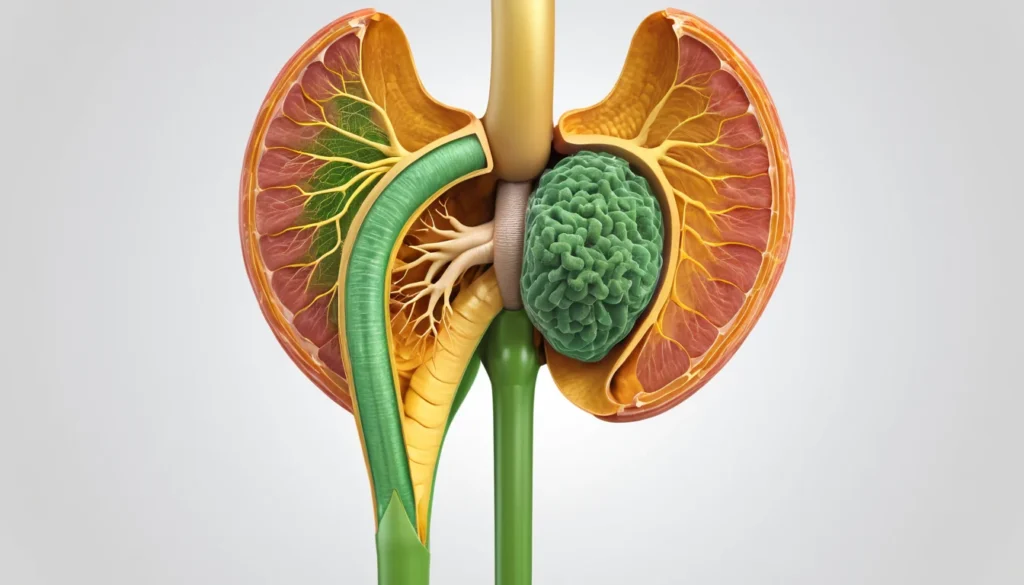
Biliary dyskinesia is a gallbladder condition that affects how bile moves through your digestive system. Bile is a fluid made by your liver that helps break down fats from food. When your gallbladder cannot release bile properly, it builds up and causes pain and discomfort. Understanding this condition can help you recognize the symptoms early and get the right care.
What Is Biliary Dyskinesia?
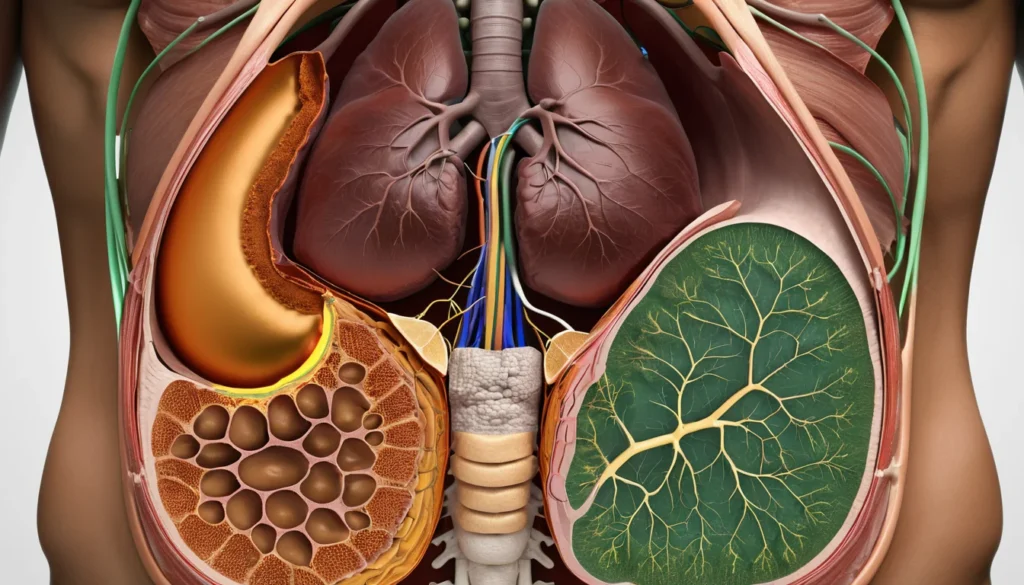
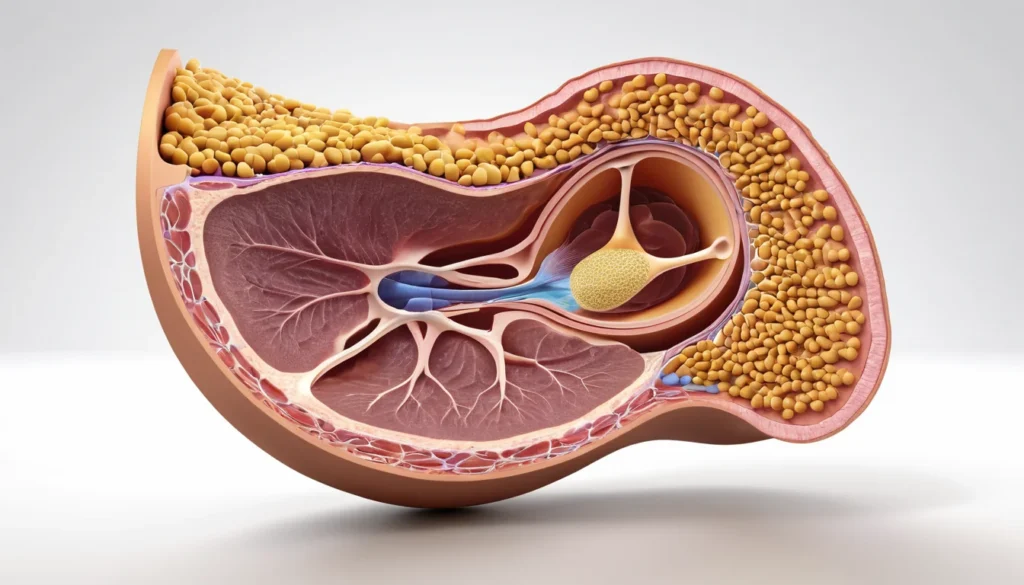
Your gallbladder is a small, pear-shaped organ that sits under your liver. Its job is to collect, store, and concentrate bile — then release it into your small intestine when you eat fatty foods. This process helps your body absorb fats and fat-soluble nutrients.
When you eat, your small intestine releases a hormone called cholecystokinin. This hormone signals the muscles of the gallbladder to contract and push bile into the small intestine. In biliary dyskinesia, the gallbladder cannot contract properly, so bile does not flow the way it should.
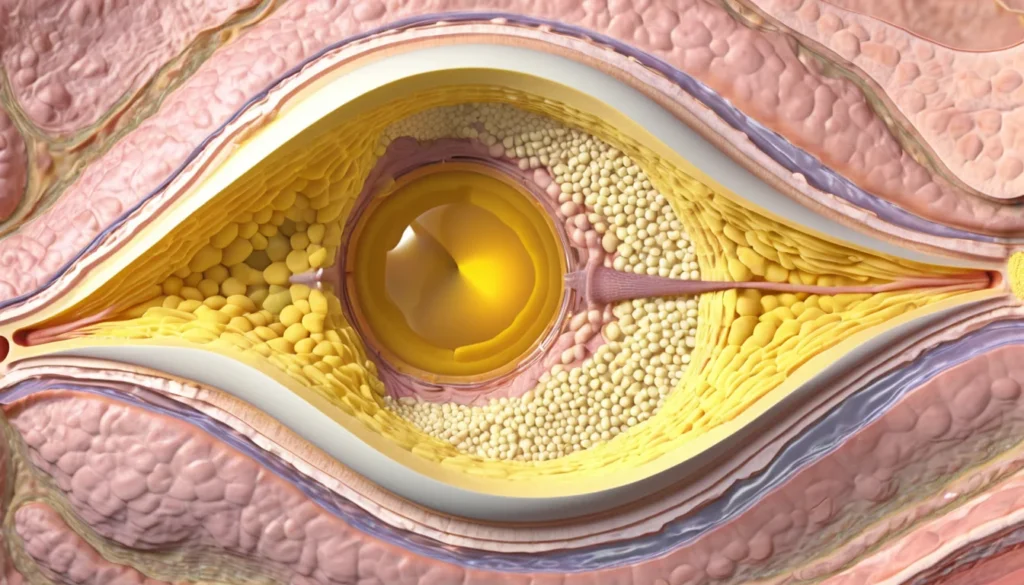
At the end of the common bile duct sits a valve called the sphincter of Oddi. Normally, cholecystokinin also causes this valve to relax, allowing bile to flow freely. However, if the sphincter of Oddi does not work correctly, bile gets trapped in the gallbladder. This leads to cramping, pain, and digestive problems.
Causes of Biliary Dyskinesia
In many cases, biliary dyskinesia is a symptom of another underlying problem rather than a standalone disease. It can signal the presence of gallstones, pancreatitis, or other digestive disorders that may need medical treatment.
Several factors can contribute to this condition. Chronic inflammation of the gallbladder is one common cause. Certain foods — especially those high in fat — can also trigger symptoms.
Research shows that stress is a significant risk factor. High stress levels can disrupt the signals your nervous system sends to your gallbladder. Some researchers also suggest that problems with dopamine receptors in the brain may interfere with the signals that control bile flow. As a result, the gallbladder may not receive the correct instructions to release bile at the right time.
Who Is Most at Risk?
Biliary dyskinesia can affect anyone, but some people face a higher risk. Older women who are overweight are more likely to develop this condition than men. Obesity, age, and hormonal differences all play a role.
Furthermore, people with a history of gallbladder problems or digestive disorders are at greater risk. Eating a diet high in fatty or processed foods may also increase your chances of developing symptoms. Health Canada recommends a balanced diet rich in fibre and whole foods to support overall digestive health.
Symptoms of Biliary Dyskinesia
The most noticeable symptom is a sharp pain or intermittent cramping under the right side of your ribcage. This pain often appears about 40 minutes after eating a meal that is high in fat. The timing is a key clue that the pain is connected to your gallbladder.
However, not everyone experiences the same level of discomfort. Some people feel only a dull ache or vague pressure in the upper right abdomen. Others may have no pain at all, which makes the condition harder to identify.
Additional symptoms can include:
Nausea, especially after fatty meals
Occasional vomiting
Bloating or a feeling of fullness
General digestive discomfort
These symptoms overlap with many other digestive conditions. Therefore, it is important to get a proper diagnosis rather than assuming the cause on your own.
How Is Biliary Dyskinesia Diagnosed?
Because many gallbladder and digestive conditions share similar symptoms, your doctor will need to rule out other causes first. A thorough diagnosis is essential to avoid missing something serious, such as gallstones or cancer.
Common Diagnostic Tests
Your doctor will likely start with blood tests and an abdominal ultrasound. These basic tests can reveal inflammation, infection, or gallstones. If the results come back normal, further testing may be needed to assess how well your gallbladder is actually working.
One key test is called a hepatobiliary iminodiacetic acid (HIDA) scan. In this procedure, a small amount of a safe radioactive tracer is injected into your bloodstream. Your liver absorbs the tracer, which then moves through the bile ducts. A special camera tracks how bile flows from the liver through the gallbladder and into the small intestine. This gives doctors a clear picture of gallbladder function.
The results help calculate your gallbladder’s ejection fraction — essentially, how much bile it releases when stimulated. A low ejection fraction points strongly toward biliary dyskinesia. According to the Mayo Clinic, this scan is one of the most reliable tools for diagnosing this condition.
Treatment Options for Biliary Dyskinesia
Treatment depends on how severe your symptoms are and what is causing the problem. Your doctor will review your full health history before recommending a plan.
Surgical Treatment
The most common treatment for biliary dyskinesia is a laparoscopic cholecystectomy — the surgical removal of the gallbladder. This is a minimally invasive procedure performed under general anaesthesia. Most patients go home the same day or the next morning and recover within one to two weeks.
Removing the gallbladder does not stop your body from producing bile. Your liver continues to make bile, which then flows directly into your small intestine. Most people live normally without a gallbladder.
Lifestyle and Dietary Changes
For milder cases, your doctor may suggest managing symptoms through diet first. Reducing your intake of high-fat and fried foods can ease the strain on your gallbladder. Eating smaller, more frequent meals may also help.
Increasing dietary fibre — found in vegetables, fruits, and whole grains — supports healthy digestion. Staying well hydrated and managing stress through exercise or relaxation techniques can also reduce symptom flare-ups. Healthline outlines several evidence-based dietary approaches that may help support gallbladder health.
Herbal and Natural Approaches
Some people explore natural remedies to support gallbladder function. Certain plants have traditionally been used to stimulate bile flow and support liver health. These include artichoke, yarrow, and dandelion.
Artichoke is one of the most studied options. It may help stimulate bile production and improve the gallbladder’s ability to empty. It is available as a tea or in capsule form at many health food stores across Canada.
Yarrow tea has a mildly sweet flavour and is traditionally used to encourage bile flow before meals. Dandelion is also considered a natural liver and gallbladder tonic, often consumed as a tea or supplement.
Important: Always speak with your doctor or a licensed naturopathic doctor before starting any herbal supplement. Some herbs can interact with medications or may not be appropriate for your specific situation.
When to See a Doctor
You should see a healthcare provider if you experience recurring pain under your right ribcage, especially after eating. Do not ignore this symptom, as it can signal a range of conditions — some of which need prompt medical attention.
In Canada, you can start by booking an appointment with your family doctor. If you do not have a family doctor, a walk-in clinic is a good first step. Your doctor can order the right tests and refer you to a specialist, such as a gastroenterologist, if needed.
Seek emergency care right away if you experience severe abdominal pain, high fever, yellowing of the skin or eyes (jaundice), or persistent vomiting. These symptoms may indicate a more serious problem, such as a blocked bile duct or acute pancreatitis. Most provincial health plans in Canada cover diagnostic tests and specialist referrals, so cost should not be a barrier to getting assessed.
Frequently Asked Questions About Biliary Dyskinesia
What does biliary dyskinesia feel like?
Biliary dyskinesia most often feels like a sharp, cramping pain under the right side of your ribcage. The pain usually starts about 30 to 45 minutes after eating a fatty meal. Some people feel only a dull ache or bloating, while others have no pain at all.
Can biliary dyskinesia go away on its own?
In some mild cases, symptoms of biliary dyskinesia may improve with dietary changes, such as reducing fatty foods and increasing fibre intake. However, the underlying cause often needs to be identified and treated. It is important to see a doctor rather than hoping the symptoms resolve on their own.
Is biliary dyskinesia serious?
Biliary dyskinesia itself is not usually life-threatening, but it can significantly affect your quality of life and digestion. More importantly, it can sometimes be a sign of a more serious condition, such as gallstones or pancreatitis. Getting a proper diagnosis is the best way to rule out anything serious.
What foods should I avoid with biliary dyskinesia?
People with biliary dyskinesia are generally advised to avoid high-fat, fried, and heavily processed foods, as these trigger the strongest gallbladder contractions and the most pain. Spicy foods and large meals may also worsen symptoms. A diet rich in fibre, lean proteins, and vegetables is typically better tolerated.
What is the best treatment for biliary dyskinesia?
The most effective treatment for biliary dyskinesia with significant symptoms is usually laparoscopic cholecystectomy — the surgical removal of the gallbladder. This procedure is minimally invasive and has a high success rate for relieving pain. Your doctor will assess whether surgery is appropriate based on your test results and overall health.
How is biliary dyskinesia diagnosed in Canada?
In Canada, doctors typically start with blood tests and an abdominal ultrasound to rule out gallstones or infection. If these tests are normal, a HIDA scan may be ordered to measure how well your gallbladder empties. These tests are generally covered by provincial health plans when ordered by a physician.
Key Takeaways
Biliary dyskinesia is a condition where the gallbladder cannot move bile properly into the small intestine.
It is often a symptom of another problem, such as gallstones, pancreatitis, or chronic inflammation.
The main symptom is pain or cramping under the right ribcage, usually after eating fatty foods.
Diagnosis involves blood tests, ultrasound, and sometimes a HIDA scan to measure gallbladder function.
Treatment may include dietary changes, herbal support, or laparoscopic gallbladder removal in more severe cases.
If you have recurring digestive pain, speak with your family doctor or visit a walk-in clinic for an assessment.
Always consult a qualified healthcare provider before starting any new supplement or treatment plan.