Biliary atresia is a rare but serious liver condition that affects newborns. It happens when the bile ducts — the small tubes that carry bile from the liver to the small intestine — become blocked or damaged. Without treatment, bile builds up inside the liver and causes lasting damage. This article explains what biliary atresia is, how to recognize it early, and what parents in Canada can expect from diagnosis and treatment.
What Is Biliary Atresia?
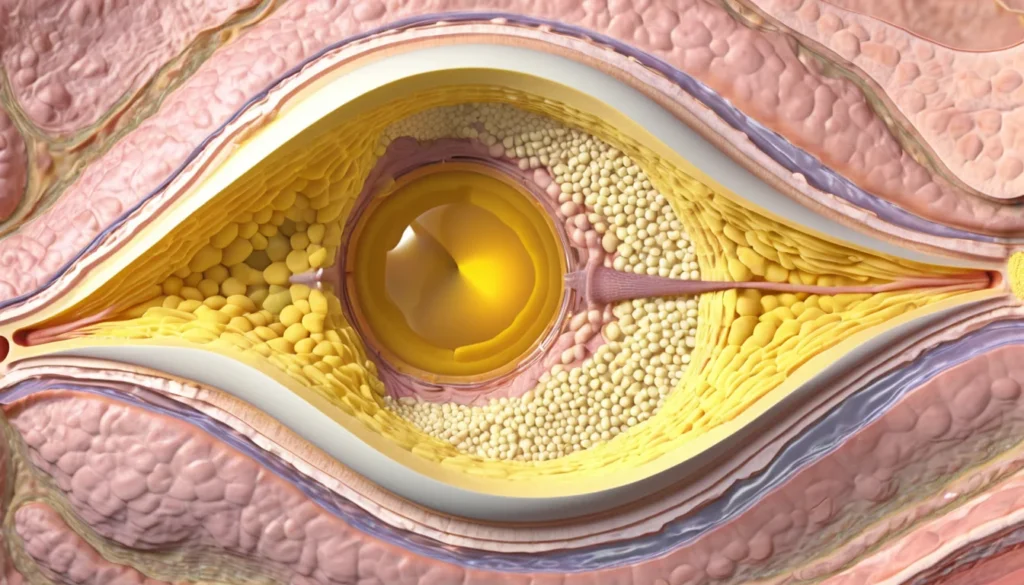
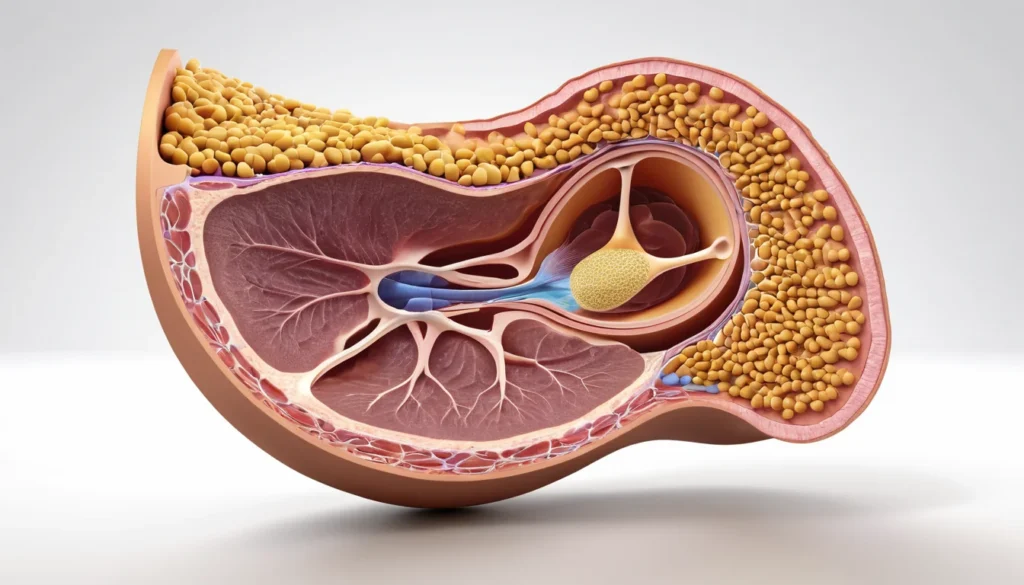
Your liver produces a digestive fluid called bile. Bile travels through a network of tubes called bile ducts and flows into the small intestine. There, it helps your body break down fats and absorb key nutrients.
In biliary atresia, these bile ducts are blocked due to tissue damage and scarring. Bile cannot flow out of the liver. Instead, it builds up and becomes toxic to liver tissue. Over time, this leads to serious liver damage.
Biliary atresia is considered a congenital condition, meaning babies are born with it. However, it is not always detected right away. It affects roughly 1 in every 10,000 to 15,000 live births worldwide, according to the World Health Organization.
What Causes Biliary Atresia?
Researchers have not yet found one single cause of biliary atresia. Most experts believe a combination of factors triggers the condition before or shortly after birth.
Possible contributing factors include:
Viral infections during pregnancy or early infancy
Autoimmune reactions, where the body’s immune system mistakenly attacks the bile ducts
Genetic mutations, although biliary atresia is not considered a hereditary disease passed down through families
Exposure to toxic substances during fetal development
In most cases, no single cause is identified. Research into the exact triggers of biliary atresia is still ongoing.
Signs and Symptoms of Biliary Atresia
The most recognizable sign of biliary atresia is jaundice. Jaundice causes the skin and the whites of the eyes to turn yellow. It happens when a substance called bilirubin builds up in the blood.
Bilirubin is a natural byproduct produced when the body breaks down old red blood cells. Normally, the liver filters it out. However, when bile cannot flow properly, bilirubin accumulates in the tissues.
Newborn Jaundice vs. Biliary Atresia Jaundice
It is normal for newborns to develop mild jaundice in their first one to two weeks of life. This is called physiological jaundice, and it usually clears up on its own.
However, jaundice that persists beyond two weeks — or that worsens — is not normal. This is a key warning sign of biliary atresia and requires immediate medical attention.
Other Symptoms to Watch For
In addition to jaundice, parents should watch for the following signs:
Dark yellow or brown urine — caused by excess bilirubin leaving through the kidneys
Pale or grey stools — a sign that bile is not reaching the intestine
Swollen abdomen — caused by an enlarged liver
Poor weight gain — because the body cannot absorb nutrients properly
Fatigue and irritability in the infant
If you notice any of these symptoms in your newborn, contact your family doctor or visit a walk-in clinic as soon as possible. Early action makes a significant difference in outcomes.
How Is Biliary Atresia Diagnosed?
Diagnosing biliary atresia requires a combination of physical examination and diagnostic tests. A pediatric gastroenterologist — a doctor who specializes in digestive conditions in children — typically leads the diagnosis.
Your child’s doctor will start with a physical exam to check for an enlarged liver or abdomen. From there, several tests may follow.
Diagnostic Tests
Blood tests — to measure bilirubin levels and check how well the liver is functioning
Abdominal ultrasound — a non-invasive imaging test that allows doctors to view the liver and bile ducts without radiation
Liver biopsy — a small tissue sample taken from the liver to check for scarring or damage
Cholangiography — a specialized imaging test that gives doctors a detailed picture of the bile duct structure
In Canada, these tests are available through pediatric hospital centres in every province. Your family doctor can refer your child to a specialist through your provincial health plan. There is no need to seek private care for these diagnostic steps.
Treatment Options for Biliary Atresia
There is no medication that can treat biliary atresia. Surgery is the only treatment option. The good news is that surgery is effective in most cases, especially when done early.
The Kasai Procedure
The primary surgical treatment for biliary atresia is called the Kasai procedure, also known as hepatoportoenterostomy. During this surgery, a surgeon removes the damaged bile ducts. A small piece of the child’s own intestinal tissue replaces them. Bile can then drain directly from the liver into the small intestine.
The Kasai procedure works best when performed before a baby is 60 days old. Therefore, early diagnosis is critical. The sooner the surgery happens, the better the chances of preserving liver function.
According to Mayo Clinic, the Kasai procedure successfully restores bile flow in the majority of cases. However, it is not always a permanent solution.
Liver Transplant
In cases where the Kasai procedure does not work — or where liver damage progresses despite surgery — a liver transplant may become necessary. Children who need a transplant are placed on a national organ donation waiting list managed through provincial health authorities.
Liver transplant surgery in Canada is covered under provincial health plans. Families receive support from transplant teams at major paediatric centres across the country.
Surgical Risks
As with any surgery, the Kasai procedure carries some risks. These include:
Bleeding during or after surgery
Infection, including bile duct infections (cholangitis)
Intestinal blockage or perforation
Your child’s surgical team will discuss these risks with you in detail before the procedure.
Complications of Biliary Atresia
Without treatment, biliary atresia leads to severe and life-threatening complications. Even with treatment, some children develop complications over time.
Cirrhosis and Liver Failure
If bile continues to build up in the liver, it causes a condition called cirrhosis. In cirrhosis, healthy liver tissue is gradually replaced by scar tissue. As a result, the liver loses its ability to function.
Without the Kasai procedure, most untreated babies develop cirrhosis within six months. Liver failure typically follows within the first year of life. By age two, untreated children generally require a liver transplant to survive.
Malnutrition and Growth Problems
Even after successful surgery, some children continue to have reduced bile flow. This affects how the body absorbs fats and fat-soluble vitamins such as A, D, E, and K. As a result, children may experience malnutrition, growth delays, and metabolic problems.
Nutritional support and close monitoring by a paediatric dietitian are important parts of long-term care for these children.
Portal Hypertension and Other Serious Complications
Advanced cirrhosis can lead to portal hypertension — a dangerous increase in blood pressure in the portal vein, the main vein that supplies blood to the liver. This can cause:
Ascites — a build-up of fluid in the abdominal cavity
Esophageal and gastric varices — enlarged, fragile blood vessels in the esophagus and stomach that can rupture and bleed
These complications require specialized medical management and, in many cases, urgent care.
Prognosis and Long-Term Outlook
The long-term outlook for children with biliary atresia depends greatly on how early treatment begins.
Without surgery, survival beyond two years is unlikely. However, with the Kasai procedure, many children go on to live healthy lives for years — and in some cases, decades — before needing a transplant, if at all.
Approximately 50% of children who undergo the Kasai procedure will eventually need a liver transplant, either in childhood or adulthood. However, the surgery significantly delays and sometimes prevents the need for transplantation altogether.
With a successful liver transplant, the long-term prognosis improves considerably. Many children go on to lead full, active lives. For more information on liver health and transplant resources, visit Health Canada’s official health information portal.
When to See a Doctor
You should contact your family doctor right away if your newborn shows signs of jaundice that last beyond two weeks, or if you notice pale stools, dark urine, or a swollen belly. These are not symptoms to wait on.
If your family doctor is unavailable, visit a walk-in clinic or go directly to a paediatric emergency department. Early referral to a specialist is covered under provincial health plans across Canada.
Always speak with a qualified healthcare provider before drawing conclusions about your child’s symptoms. Only a medical professional can properly diagnose and treat biliary atresia.
Frequently Asked Questions
What is biliary atresia in simple terms?
Biliary atresia is a rare liver condition in newborns where the bile ducts are blocked or missing. Bile cannot drain from the liver properly, which causes liver damage over time. Without early treatment, it can lead to serious complications including liver failure.
How is biliary atresia treated in Canada?
The main treatment for biliary atresia is a surgery called the Kasai procedure, which is available at major paediatric hospital centres across Canada. In cases where surgery is not enough, a liver transplant may be needed and is covered under provincial health plans. Early diagnosis greatly improves the chances of a good outcome.
Can biliary atresia be detected before birth?
Currently, biliary atresia cannot be reliably detected during pregnancy through routine prenatal screening. Most cases are identified in the first few weeks after birth based on symptoms like persistent jaundice and pale stools. If you have concerns, speak with your family doctor or midwife as soon as possible after delivery.
Is biliary atresia a genetic condition?
Biliary atresia is not considered a hereditary disease, meaning it is not passed directly from parent to child through genes. However, genetic mutations may be one of several contributing factors. Researchers are still studying the exact causes of this condition.
What is the difference between normal newborn jaundice and biliary atresia jaundice?
Normal newborn jaundice appears in the first few days of life and clears up within one to two weeks without treatment. Jaundice caused by biliary atresia persists beyond two weeks and is often accompanied by pale stools and dark urine. Any jaundice lasting more than two weeks should be evaluated by a doctor right away.
What is the life expectancy for a child with biliary atresia?
With early treatment, many children with biliary atresia go on to live full lives, especially if the Kasai procedure is successful. About half of children will eventually need a liver transplant, but transplant outcomes in Canada are generally very positive. Without any treatment, survival beyond age two is unlikely.
Key Takeaways
Biliary atresia is a rare liver condition in newborns caused by blocked or damaged bile ducts.
The most important warning sign is jaundice that persists beyond two weeks after birth.
Other signs include pale stools, dark urine, swollen abdomen, and poor weight gain.
Diagnosis involves blood tests, ultrasound, liver biopsy, and specialized imaging.
The Kasai procedure is the primary surgical treatment and works best when done before 60 days of age.
Some children will eventually need a liver transplant, which is covered under Canadian provincial health plans.
Without treatment, severe complications including cirrhosis and liver failure develop within the first year of life.
If you are concerned about your newborn’s symptoms, speak with your family doctor, walk-in clinic, or go to a paediatric emergency centre promptly.