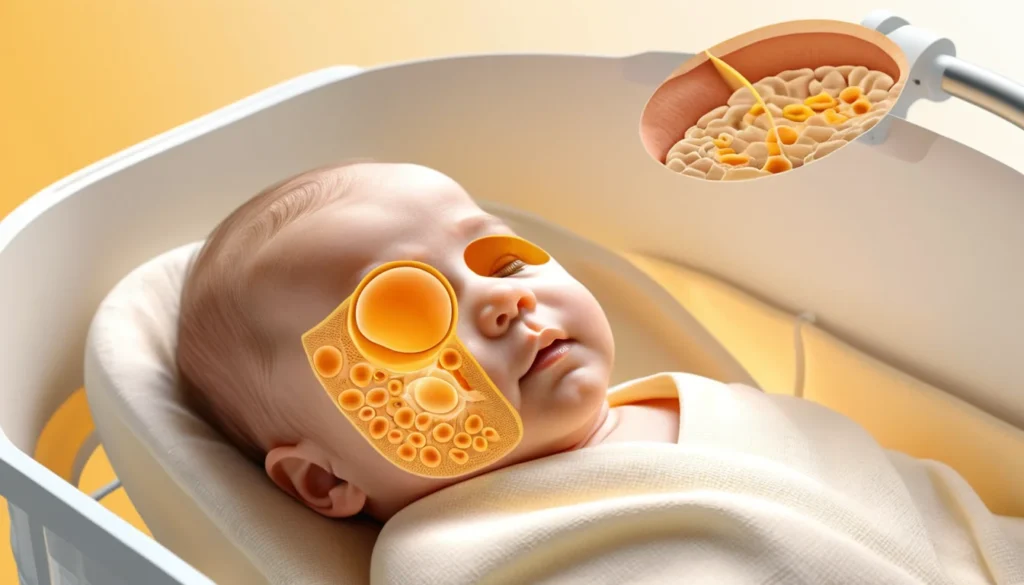
Biliary atresia is a rare but serious liver disease that affects newborn babies. It occurs when the bile ducts — the small tubes that carry bile out of the liver — become blocked or damaged. Without treatment, it can lead to liver failure within the first few years of life. In fact, biliary atresia is the leading reason children need a liver transplant in many parts of the world, including Canada.
What Is Biliary Atresia?
Biliary atresia affects roughly 1 in 10,000 newborns. It appears to be slightly more common in girls than boys. It also occurs more often in babies of Asian and African descent than in those of Caucasian background.
The cause is not fully understood, and current treatments only partially solve the problem. However, early diagnosis gives children the best possible chance at a healthy life. For more background, Health Canada provides resources on rare childhood diseases and newborn health.
How Biliary Atresia Damages the Liver
The liver produces bile, a fluid that helps digest food, fats, and cholesterol. Normally, bile travels through the bile ducts into the intestines to do its job. In babies with biliary atresia, the bile ducts are blocked or missing. As a result, bile gets trapped inside the liver.
When bile builds up, it begins to damage liver tissue. Over time, this causes scarring — a process called cirrhosis. Cirrhosis means the liver slowly loses its ability to work properly. If the damage becomes severe enough, the liver fails completely.
Without a working liver, a child cannot survive. That is why biliary atresia can lead to the need for a liver transplant as early as one to two years of age.
What Happens to Bile in the Body
Bile contains a yellow pigment called bilirubin. A healthy liver filters bilirubin from the blood and sends it into the bile. When the bile ducts are blocked, bilirubin builds up in the bloodstream instead. This buildup causes a yellowing of the skin and eyes known as jaundice.
Signs and Symptoms of Biliary Atresia
The first and most visible sign of biliary atresia is jaundice. The skin and the whites of the eyes take on a yellow colour. Many healthy newborns develop mild jaundice in the first week or two of life — this is normal and clears up on its own within about a month.
However, jaundice that lasts beyond the first two to four weeks is not normal. This is one of the key warning signs that something may be wrong with the liver. Parents should speak with their family doctor or visit a walk-in clinic if jaundice does not fade.
Other Warning Signs to Watch For
Beyond jaundice, parents should watch for these additional symptoms:
Dark urine: High levels of bilirubin spill into the urine, turning it a deep yellow or brown colour.
Pale or chalky stools: When bile cannot reach the intestines, stools lose their normal brown colour. White, grey, or very pale stools in a baby older than two weeks are a strong warning sign.
Swollen abdomen: A bloated belly can signal fluid buildup due to liver problems.
Poor weight gain: Babies may not grow or feed well if the liver is not working properly.
Pale or chalky stools after two weeks of age are perhaps the clearest early warning sign of biliary atresia. If you notice this, see a doctor right away — do not wait for your next scheduled appointment.
What Causes Biliary Atresia?
The exact cause of biliary atresia is still unknown. Researchers believe it is not a hereditary disease. It does not run in families, and even in identical twins, usually only one twin is affected.
Most experts believe the condition is triggered by an event that occurs during fetal development or around the time of birth. There are two main forms of the disease:
Fetal biliary atresia: This form develops before birth and is present at delivery. Babies with this type often have other birth defects affecting the heart, spleen, or intestines.
Perinatal biliary atresia: This is the more common form. It is not obvious at birth but becomes apparent between two and four weeks of age.
Possible Triggers
Researchers are still working to understand what sets off biliary atresia. Possible contributing factors include:
A viral or bacterial infection around the time of birth
A problem with the immune system that causes it to attack the bile ducts
An abnormal immune response
A defect in how the bile ducts develop during pregnancy
Understanding the cause is critical. Better knowledge of what triggers biliary atresia will eventually lead to improved prevention and treatment options. The Mayo Clinic offers a detailed overview of current research into bile duct disorders in children.
How Is Biliary Atresia Diagnosed?
Worsening jaundice in the first month of life is a red flag for liver disease. Diagnosing biliary atresia specifically requires a combination of blood tests, imaging, and sometimes a liver biopsy.
If biliary atresia is suspected, the baby will usually be referred to a paediatric gastroenterologist — a doctor who specializes in children’s digestive and liver diseases. A paediatric surgeon experienced in bile duct surgery may also be involved.
Diagnostic Tests
Several tests help doctors confirm biliary atresia:
Blood tests: These check liver enzymes, bilirubin levels, albumin, and total protein. Elevated liver enzymes and bilirubin suggest a blockage or liver damage. Low protein levels can indicate chronic liver disease.
Coagulation tests: These measure how well the blood clots. The liver produces proteins needed for clotting, so abnormal results can point to liver damage.
Viral screening: Tests for hepatitis and other viruses help rule out other causes of liver problems.
Blood cultures: These check for bacterial infections in the blood that could be affecting the liver.
Abdominal ultrasound: This imaging test gives doctors a picture of the liver, bile ducts, and gallbladder without using radiation. It is safe for newborns.
Liver biopsy: A small sample of liver tissue is taken and examined. This is often the most reliable way to confirm the diagnosis.
Treatment Options for Biliary Atresia
There is no cure for biliary atresia, but treatment can slow liver damage and extend the time before a transplant is needed. The two main treatments are surgery and liver transplantation.
The Kasai Procedure
The first-line treatment is a surgery called the Kasai procedure (also known as hepatoportoenterostomy). A surgeon removes the damaged bile ducts and connects the liver directly to the small intestine. This allows bile to drain, bypassing the blocked ducts.
The Kasai procedure works best when performed before a baby is eight weeks old. The earlier it is done, the better the outcome. However, it does not cure the condition — many children still develop progressive liver damage over time and eventually need a transplant.
Liver Transplantation
When the Kasai procedure is not successful, or when liver disease progresses despite surgery, a liver transplant becomes necessary. In Canada, paediatric liver transplants are performed at specialized transplant centres. Families can work with their provincial health plan and transplant team to navigate this process.
A liver transplant can give children with biliary atresia a healthy, active life. With a successful transplant, many go on to live normally into adulthood. Healthline’s guide to liver transplants in children provides helpful information for families exploring this option.
When to See a Doctor
Trust your instincts as a parent. If something seems off with your newborn, do not wait. Contact your family doctor or visit a walk-in clinic as soon as possible if you notice:
Jaundice that does not clear up within two to four weeks
White, grey, or very pale stools in a baby older than two weeks
Dark yellow or brown urine in a newborn
A swollen belly or poor weight gain
Early diagnosis of biliary atresia makes a real difference. The sooner treatment begins, the better the long-term outcome for your child. Your family doctor can refer you to a paediatric specialist if liver disease is suspected. In urgent situations, go directly to a hospital emergency department.
Always speak with a qualified healthcare provider before making any medical decisions. This article is for informational purposes only and does not replace professional medical advice.
Frequently Asked Questions About Biliary Atresia
What are the first signs of biliary atresia in a newborn?
The first sign of biliary atresia is usually jaundice — a yellowing of the skin and eyes — that does not clear up within the first two to four weeks of life. Other early signs include pale or chalky stools and dark-coloured urine. If you notice any of these symptoms, speak with your family doctor right away.
Is biliary atresia hereditary?
No, biliary atresia is not considered a hereditary disease. It does not run in families, and even in identical twins, typically only one child is affected. Researchers believe biliary atresia is likely triggered by environmental or developmental factors around the time of birth.
Can biliary atresia be cured?
There is currently no complete cure for biliary atresia. The Kasai procedure can improve bile flow and delay liver damage, but many children eventually need a liver transplant. With a successful transplant, children with biliary atresia can go on to live healthy, normal lives.
How common is biliary atresia in Canada?
Biliary atresia affects approximately 1 in every 10,000 newborns worldwide, and similar rates are seen in Canada. It is the most common reason for liver transplantation in children. Canadian families affected by this condition can access paediatric liver specialists through their provincial health plan.
What is the Kasai procedure for biliary atresia?
The Kasai procedure is a surgery that removes the blocked bile ducts and connects the liver directly to the small intestine. This allows bile to drain properly and can slow liver damage. It is most effective when performed before a baby is eight weeks old.
What colour should a newborn’s stool be, and when is it a concern?
Healthy newborn stools are typically yellow, green, or brown in colour. White, grey, or very pale stools in a baby older than two weeks can be an early warning sign of biliary atresia or another liver problem. If you notice pale stools, contact your family doctor or visit a walk-in clinic promptly.
Key Takeaways
Biliary atresia is a rare newborn liver disease caused by blocked or damaged bile ducts.
It affects about 1 in 10,000 babies and is the top reason for liver transplants in children.
The main warning signs are prolonged jaundice, pale stools, and dark urine after two weeks of age.
The cause is not fully known and the condition is not hereditary.
The Kasai procedure is the first treatment, but many children eventually need a liver transplant.
Early diagnosis is critical — talk to your family doctor or visit a walk-in clinic if you have concerns.
Canadian families can access paediatric liver specialists through their provincial health plan and referral from a family doctor.