Beta blockers are a widely used class of prescription medication that help control heart rate, lower blood pressure, and protect the heart. Millions of Canadians take beta blockers every day for conditions ranging from high blood pressure to migraines. Understanding how these medications work — and what to watch for — can help you have a more informed conversation with your family doctor or pharmacist.
What Are Beta Blockers?
Beta blockers work by blocking the effects of certain natural chemicals in your body. These chemicals — adrenaline (epinephrine), noradrenaline (norepinephrine), and dopamine — are known as catecholamines. They are part of your body’s “fight or flight” response.
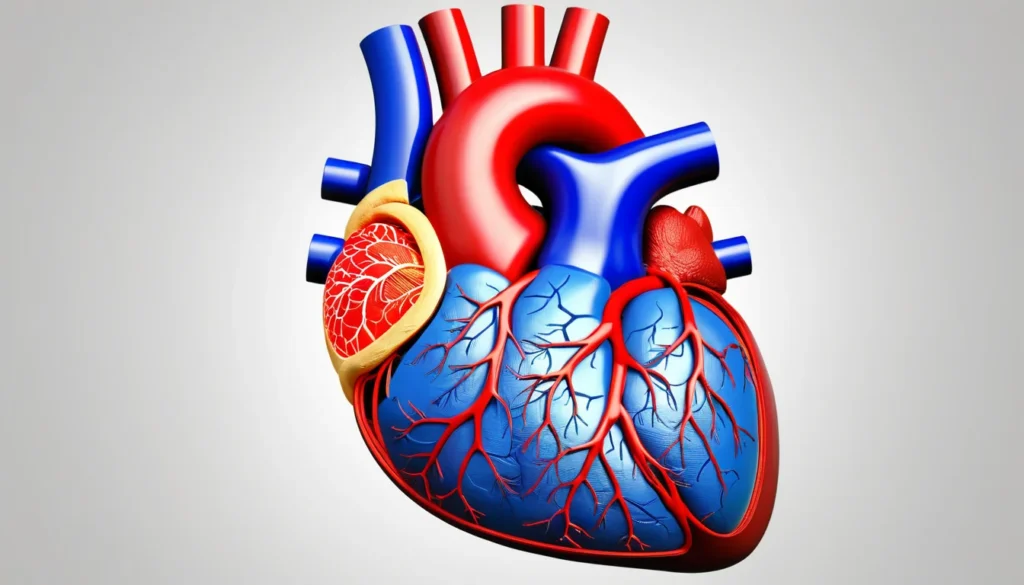
When these chemicals are blocked, your heart beats more slowly and with less force. As a result, your blood pressure drops and your heart works less hard. This makes beta blockers very useful for a wide range of heart and circulatory conditions.
According to Health Canada, beta blockers are among the most commonly prescribed medications in the country. They are available in oral tablet form, injectable form for emergencies, and even as eye drops for certain conditions like glaucoma.
What Conditions Do Beta Blockers Treat?
Beta blockers treat a surprisingly wide range of health conditions. Your doctor may prescribe them for short-term use during a medical emergency or as a long-term part of your daily health routine.
Heart and Blood Pressure Conditions
Beta blockers are most commonly prescribed for high blood pressure (hypertension). They help relax the heart and reduce the pressure inside your blood vessels. This lowers your risk of stroke, heart attack, and other serious cardiovascular events.
They are also used to treat angina, which is chest pain caused by reduced blood flow to the heart. Furthermore, beta blockers play an important role in treating irregular heart rhythms (arrhythmias). These are conditions where your heart beats too fast, too slow, or unevenly.
After a heart attack (myocardial infarction), doctors often prescribe beta blockers to help protect the heart. Research shows they can significantly reduce the risk of a second heart attack and sudden cardiac death. For more on heart health, visit the Mayo Clinic’s heart disease resource page.
Migraines and Facial Pain
Beta blockers are not just for the heart. They are also used as a preventive treatment for migraines. If you experience frequent or severe migraines, your doctor may suggest a daily beta blocker to reduce how often they occur.
In addition, certain beta blockers help manage a condition called facial pain syndrome (also known as craniofacial pain). This is a specific type of chronic pain affecting the face and jaw area.
Glaucoma
Glaucoma is a serious eye condition caused by increased pressure inside the eye (intraocular pressure). Left untreated, it can damage the optic nerve and lead to vision loss. Certain beta blockers are available as eye drops specifically designed to reduce this pressure and protect your vision.
Who Should Not Take Beta Blockers?
Beta blockers are not right for everyone. There are important contraindications — medical reasons why a person should not take a specific medication. Your doctor will carefully review your full health history before prescribing beta blockers.
This is especially important for older Canadians. As we age, our bodies process medications differently, and the risks of certain side effects can increase.
Key Contraindications to Be Aware Of
You should generally avoid beta blockers — or use them with extreme caution — if you have any of the following conditions:
Atrioventricular (AV) block: This is a problem with the electrical signals between the upper and lower chambers of your heart. Beta blockers can slow these signals further and cause serious complications.
Uncontrolled heart failure: If your heart failure is not being managed with other treatments, beta blockers can sometimes make things worse.
Severe bradycardia: This means your heart is already beating too slowly. Beta blockers slow the heart rate further, which can be dangerous.
Peripheral arterial disease (arteritis): This is a condition where narrowed arteries reduce blood flow to the limbs. Beta blockers can worsen circulation problems in some people.
Raynaud’s syndrome: This is a circulatory disorder that causes the fingers and toes to feel numb and cold in response to stress or cold temperatures. Beta blockers can trigger or worsen episodes.
Severe asthma or chronic obstructive pulmonary disease (COPD): Beta blockers can cause the airways to narrow (bronchospasm), which is very dangerous for people with breathing conditions.
Always give your doctor or pharmacist a full list of your health conditions and medications. This helps them choose the safest option for you.
Common and Serious Side Effects of Beta Blockers
Like all medications, beta blockers can cause side effects. Some are mild and may go away on their own. Others are more serious and require immediate medical attention. Knowing the difference helps you stay safe.
Milder Side Effects
Many people experience minor side effects when they first start taking beta blockers. These often improve as your body adjusts to the medication. Common mild side effects include:
Digestive problems such as stomach pain, nausea, vomiting, or diarrhoea
Fatigue or general tiredness (called asthenia)
Insomnia and vivid dreams or nightmares
Cold hands and feet, or tingling in the hands and feet (paraesthesia)
Episodes of Raynaud’s syndrome (see above)
Skin rash
If any of these symptoms persist or bother you, speak with your family doctor or stop by a walk-in clinic. There may be an alternative beta blocker or dosage that suits you better.
More Serious Side Effects
Some side effects from beta blockers are more severe and should not be ignored. However, these are less common and your doctor will monitor you for them. Serious side effects can include:
AV block or worsening bradycardia: Your heart may beat dangerously slowly.
A sharp drop in blood pressure (hypotension): This can cause dizziness, fainting, or falls — a particular concern for older adults.
Worsening heart failure: Symptoms may include sudden shortness of breath or swelling in the legs.
Asthma attack or bronchospasm: Sudden tightening of the airways can be life-threatening.
Low blood sugar (hypoglycaemia): This is especially important for people with diabetes who take insulin or other blood sugar-lowering medications. Beta blockers can mask the usual warning signs of low blood sugar, like a racing heart.
Erectile dysfunction (impotence): This is a known side effect in some men. If this is a concern, talk openly with your doctor — there are often alternative options.
For a deeper overview of cardiovascular medication safety, the World Health Organization’s cardiovascular disease fact sheet provides reliable background information.
Important Safety Rules for Taking Beta Blockers
There are two critical safety rules every Canadian taking beta blockers must know. Following these rules can prevent a medical emergency.
Never Stop Suddenly
This is one of the most important warnings about beta blockers. Never stop taking them suddenly without talking to your doctor first. Stopping abruptly can cause a severe rebound effect. In people with angina, this can trigger a heart attack.
If you need to stop taking beta blockers, your doctor will create a gradual tapering plan. This means slowly reducing your dose over several weeks to allow your body to adjust safely.
Watch for Drug Interactions
Beta blockers can interact with other medications, particularly other heart rhythm drugs (antiarrhythmics). Always tell your doctor and pharmacist about every medication you take. This includes prescription drugs, over-the-counter medications, vitamins, and herbal supplements.
Your provincial drug plan coverage may vary depending on where you live in Canada. Your pharmacist is an excellent resource for understanding potential interactions and coverage options under your provincial health plan.
When to See a Doctor
If you are currently taking beta blockers and notice any new or worsening symptoms, contact your family doctor as soon as possible. Do not wait for your next scheduled appointment if your symptoms are concerning.
Visit a walk-in clinic or call 811 (Health811 in Ontario and other provinces) if your family doctor is unavailable. Go to your nearest emergency room or call 911 immediately if you experience any of the following:
Sudden chest pain or pressure
Difficulty breathing or a severe asthma attack
Fainting or loss of consciousness
A very slow pulse (below 50 beats per minute)
Signs of severely low blood sugar (confusion, shaking, sweating)
If you have never taken beta blockers but your doctor has suggested them, this is a great opportunity to ask questions. Ask about which type is right for your condition, what side effects to watch for, and how your provincial health plan covers the cost of your prescription.
As always, never start, stop, or change any medication without speaking to a qualified healthcare provider first. This article is for general information only and is not a substitute for professional medical advice.
Frequently Asked Questions About Beta Blockers
What do beta blockers do to your body?
Beta blockers block the effects of adrenaline and similar stress chemicals in your body. This causes your heart to beat more slowly and with less force, which lowers your blood pressure and reduces strain on the heart. Over time, beta blockers can help protect your heart from damage caused by high blood pressure or arrhythmias.
Can you take beta blockers long-term?
Yes, many people take beta blockers safely for years or even decades. Your doctor will monitor you regularly for side effects and adjust your dose as needed. The key is never to stop taking beta blockers suddenly, as this can cause a dangerous rebound effect.
Are beta blockers safe for people with asthma?
Beta blockers can be risky for people with asthma or COPD because they may cause the airways to tighten, triggering a dangerous bronchospasm. However, some newer “cardioselective” beta blockers are more targeted and may be used carefully in certain patients. Always discuss your breathing history honestly with your doctor before starting any beta blocker.
Do beta blockers affect blood sugar levels?
Yes, beta blockers can lower blood sugar (hypoglycaemia) and, importantly, they can mask the usual warning signs of low blood sugar — such as a rapid heartbeat. This makes them particularly tricky for people with diabetes who take insulin or other glucose-lowering drugs. If you have diabetes and are prescribed beta blockers, ask your doctor how to safely monitor your blood sugar levels.
What happens if you suddenly stop taking beta blockers?
Stopping beta blockers suddenly can cause a serious rebound effect, including a rapid rise in heart rate and blood pressure. In people with angina or heart disease, this can trigger a heart attack. Always speak with your doctor before making any changes to your beta blocker prescription.
Are beta blockers covered by provincial health plans in Canada?
Coverage for beta blockers varies depending on which province or territory you live in and which specific medication is prescribed. Many beta blockers appear on provincial formularies (covered drug lists) for eligible residents. Check with your provincial health plan or speak to your pharmacist to find out what is covered in your area.
Key Takeaways
Beta blockers block the effects of adrenaline and related chemicals, slowing the heart and lowering blood pressure.
They treat many conditions, including high blood pressure, angina, arrhythmias, heart attack recovery, migraines, and glaucoma.
Beta blockers are not suitable for everyone — especially people with severe asthma, AV block, serious bradycardia, or Raynaud’s syndrome.
Side effects range from mild (fatigue, nausea, cold hands) to serious (dangerous slow heart rate, low blood sugar, worsening heart failure).
Never stop taking beta blockers suddenly. Always follow your doctor’s instructions for tapering off.
Tell your doctor and pharmacist about all medications you take to avoid dangerous interactions.
If you have questions about beta blockers, speak with your family doctor, visit a walk-in clinic, or call your provincial health line (such as 811).